
№ 67: Globetrotting
Also, O'Donovan on ius ad bellum and the mediation of relations.


LAST CHANCE!!
No guarantees, but it is possible that you can still sign up for Alastair’s forthcoming Davenant Hall course on Biblical Law.
This course will range throughout the canon and beyond. Among the things we will be considering:
Surprising ways in which the Law relates to the narrative sections of Scripture
The deeper structure of the Ten Commandments
How the case law unpacks the Ten Commandments
The sacrificial law and how it shapes our worship
Fulfilment of the Law in the Psalms and wisdom literature
How the Law helps us to understand the mission of the prophets
How, far from overturning it, Jesus upholds and fulfils the Law
The positive place of the Law in the Apostle Paul’s theology
How the Torah relates to natural law
Whether the Law has anything to say to our social and political questions
…and much, much more!
Signing up for the course is the only way to access this material. The course is open to for-credit students and auditors, who will have exclusive access to recordings (if you miss a class, you can still watch the recording).
Along the way, we will be engaging with various authors old and new, and acquainting ourselves with some current debates on these issues. Classes also have lots of opportunity for questions and interaction, so, if you have burning issues, we can explore them together.
If it is still possible, you can sign up here.
Alastair: Susannah and I have spent three weeks apart from each other, and are about to be reunited. I visited Portland, the Oregon coast, Los Angeles, Sydney and Perth in Australia, and, as I write this, am en route back to New York, by way of Hong Kong. It has been quite an experience!
My time began with a week in Oregon. I arrived into Portland on Saturday evening and my host, Michael Lortz, picked me up from the airport.
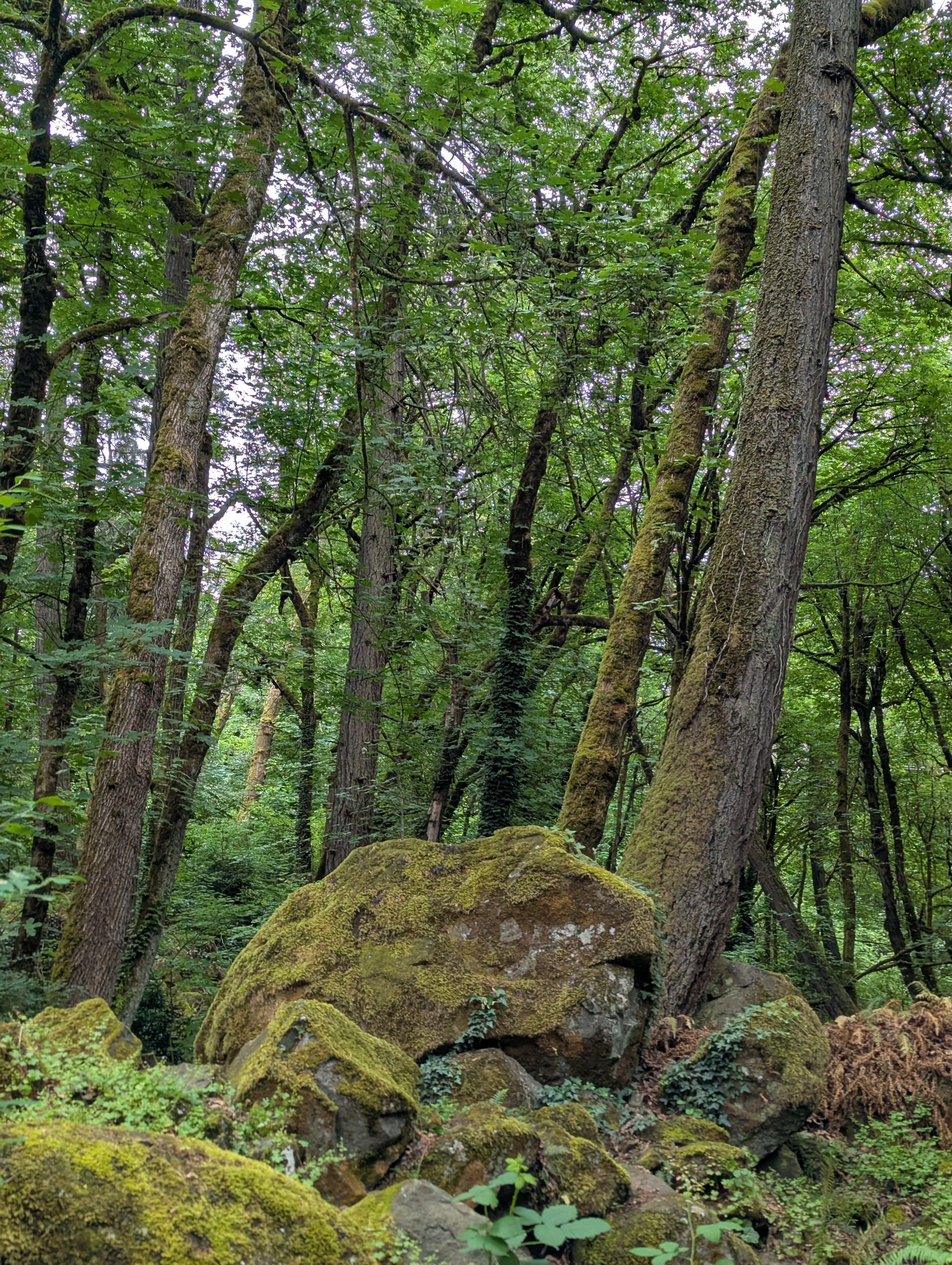
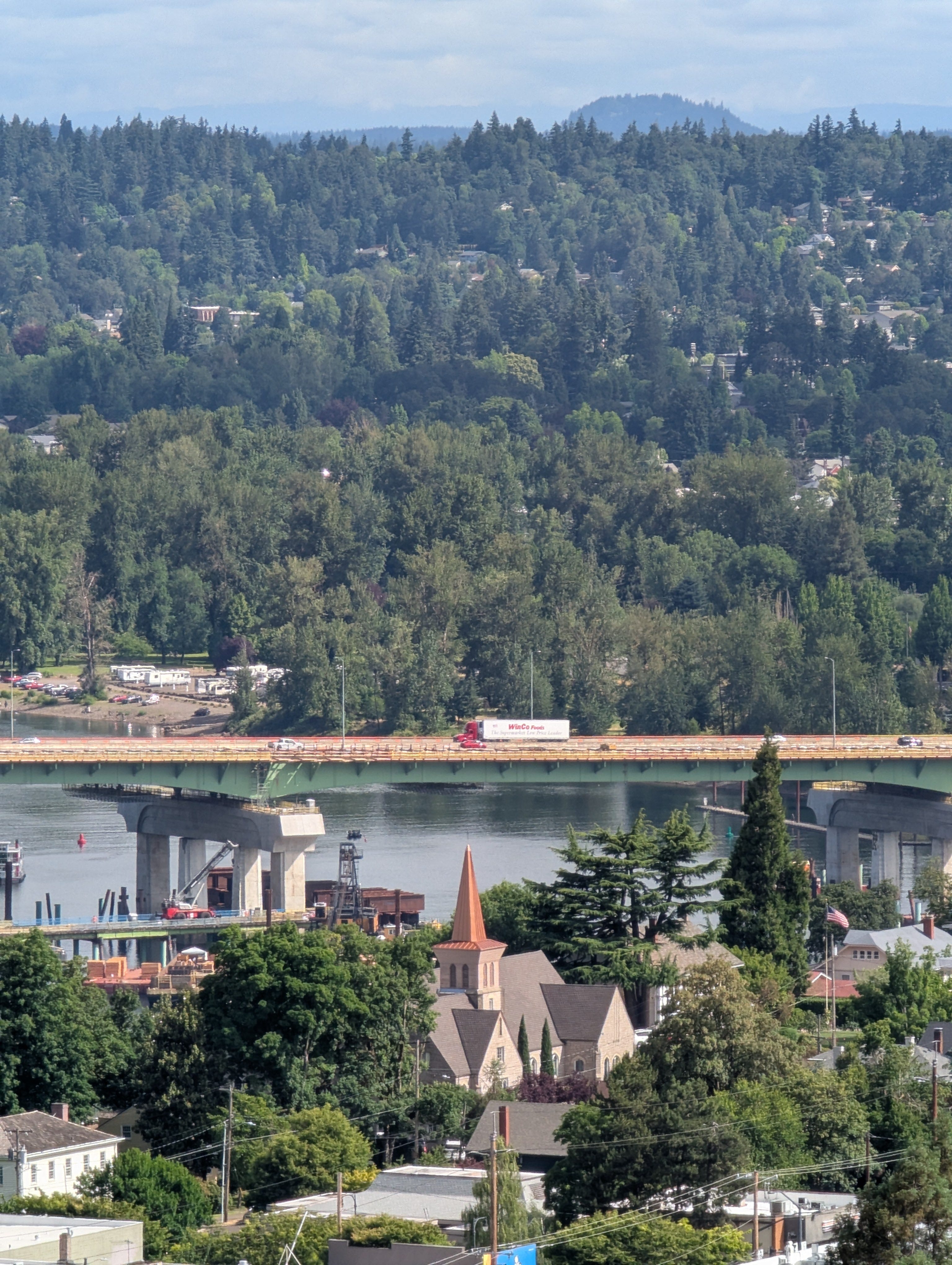
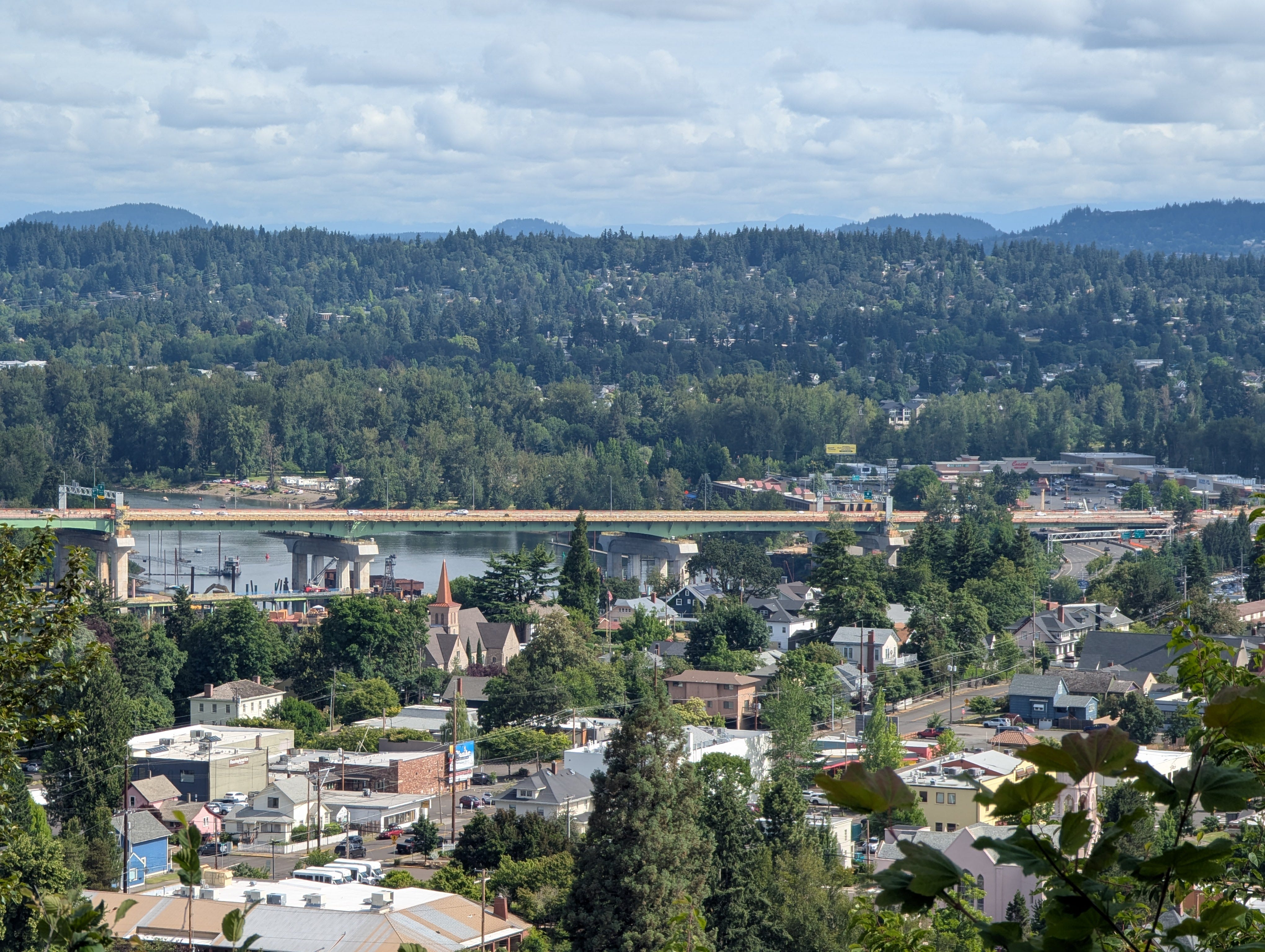
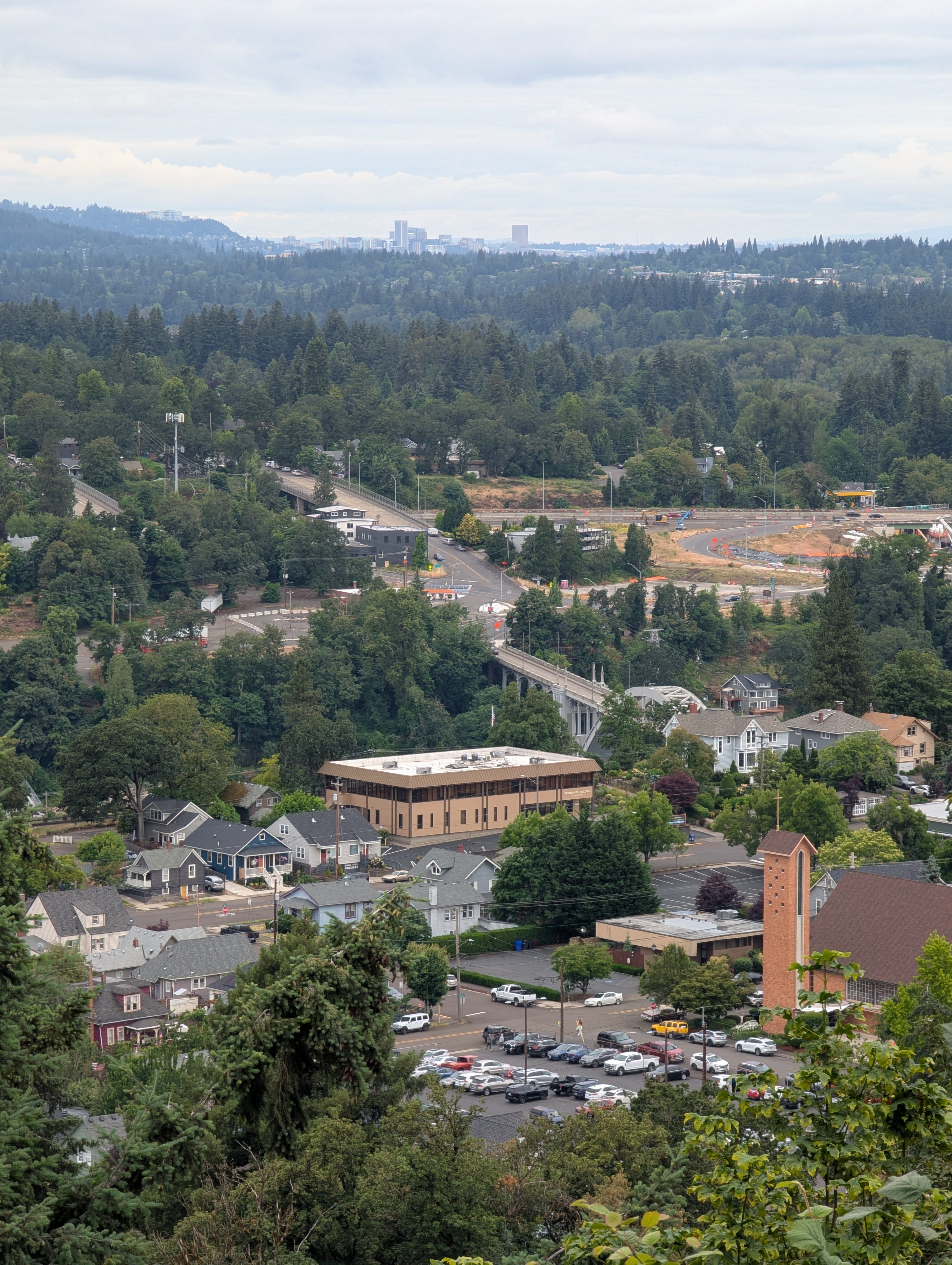
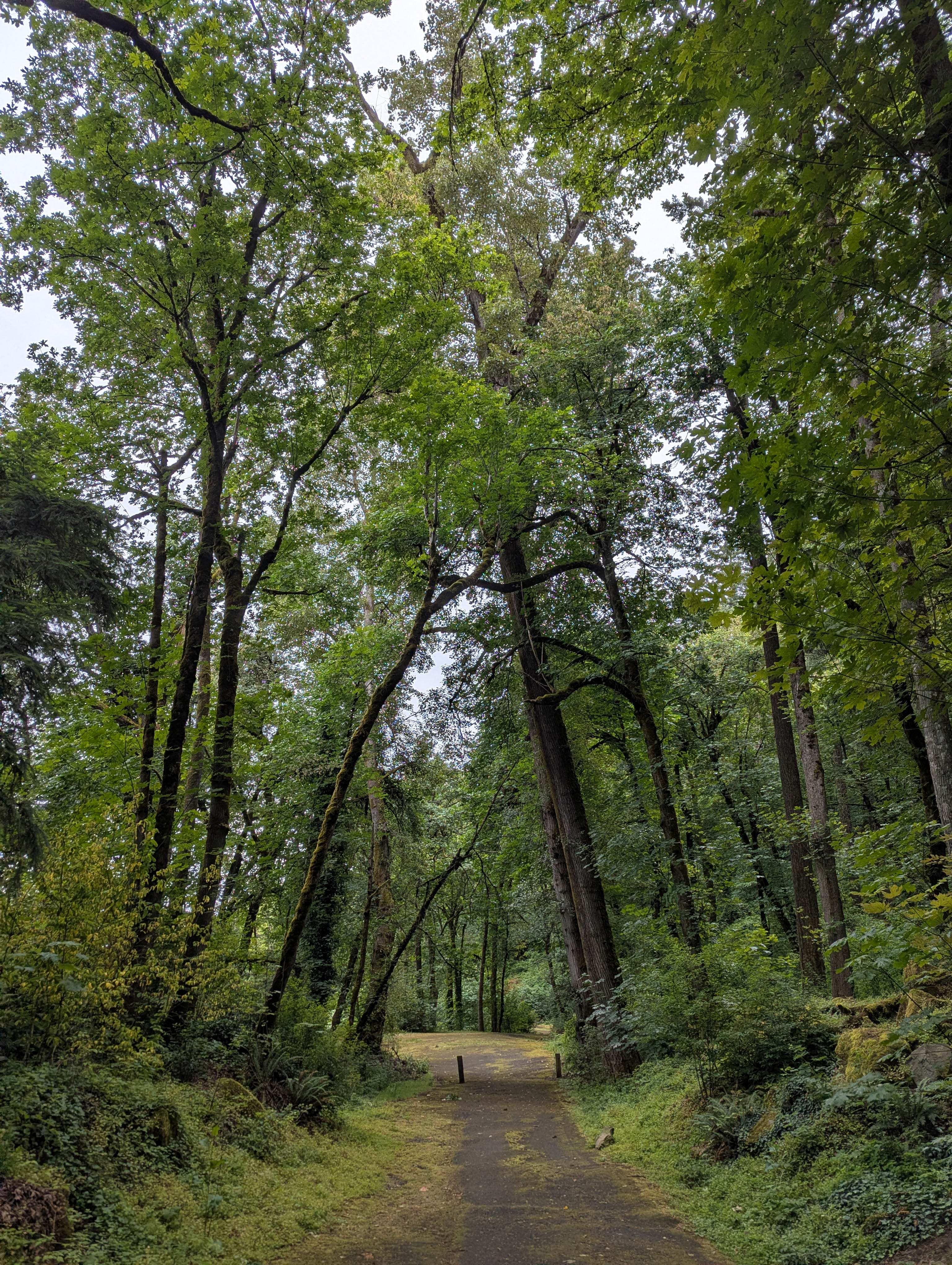
I was speaking at Reformation Covenant Church in Oregon City on Sunday afternoon. After a fire in their sanctuary last Christmas, the church meets in another church’s building, so their meeting was in the afternoon, rather than the morning. In the morning, Michael gave me a walking tour of Oregon City, beginning from a lookout point and walking down into the valley.
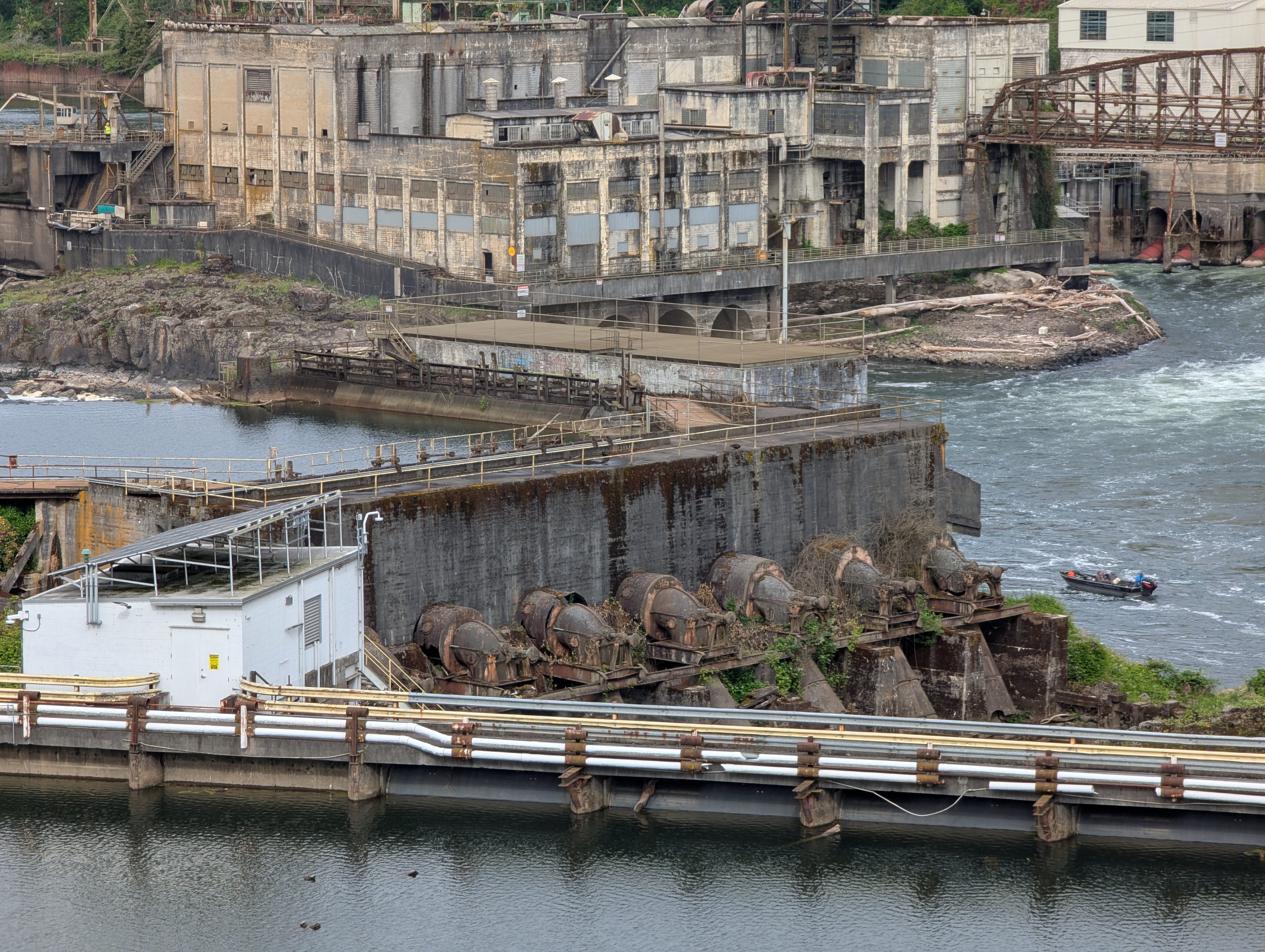
We walked down through some woods and then along the McLoughlin Promenade. ‘McLoughlin’ is a ubiquitous name in Oregon City, as the city was founded in 1829 by John McLoughlin of the Hudson’s Bay Company.
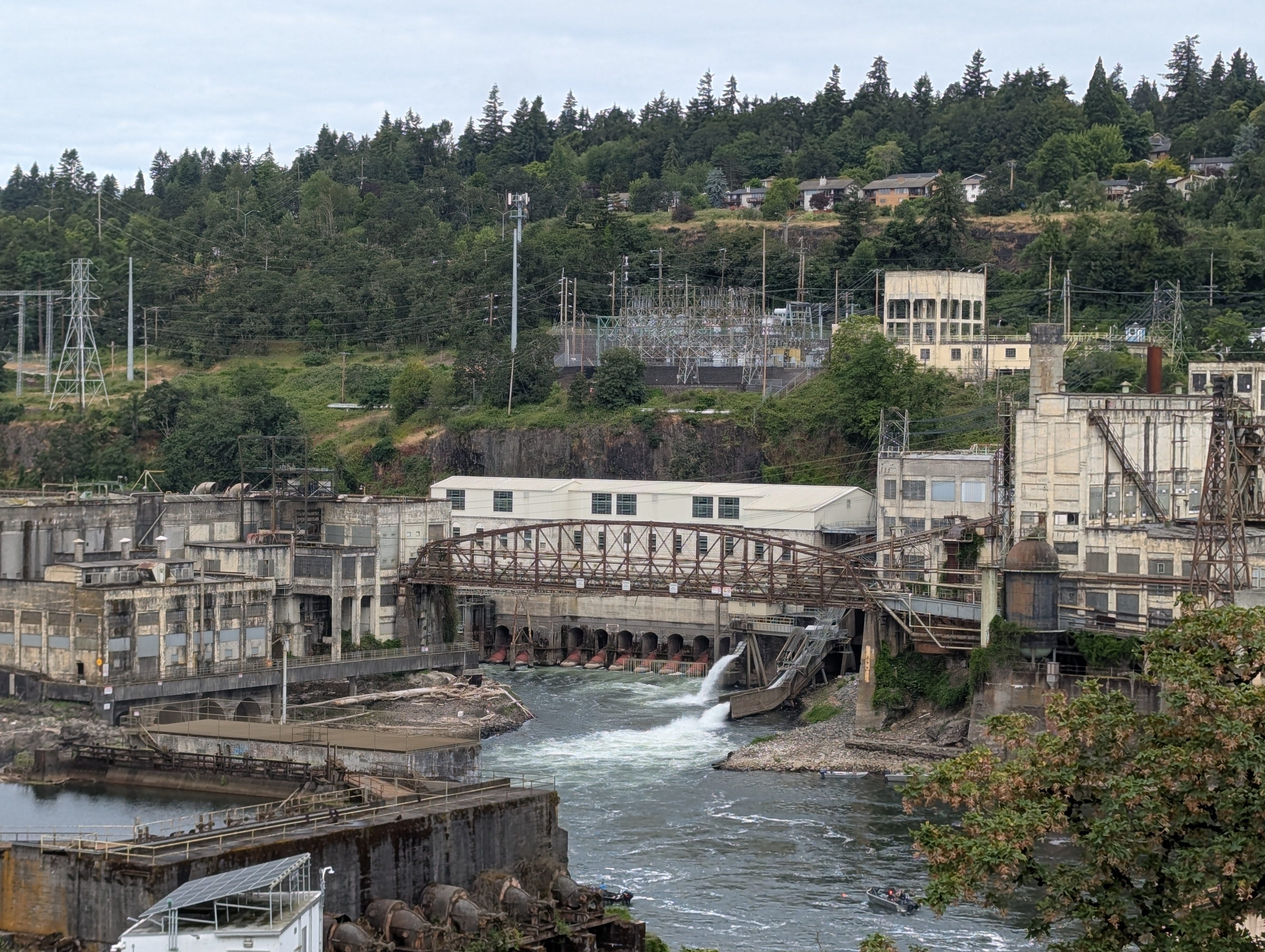
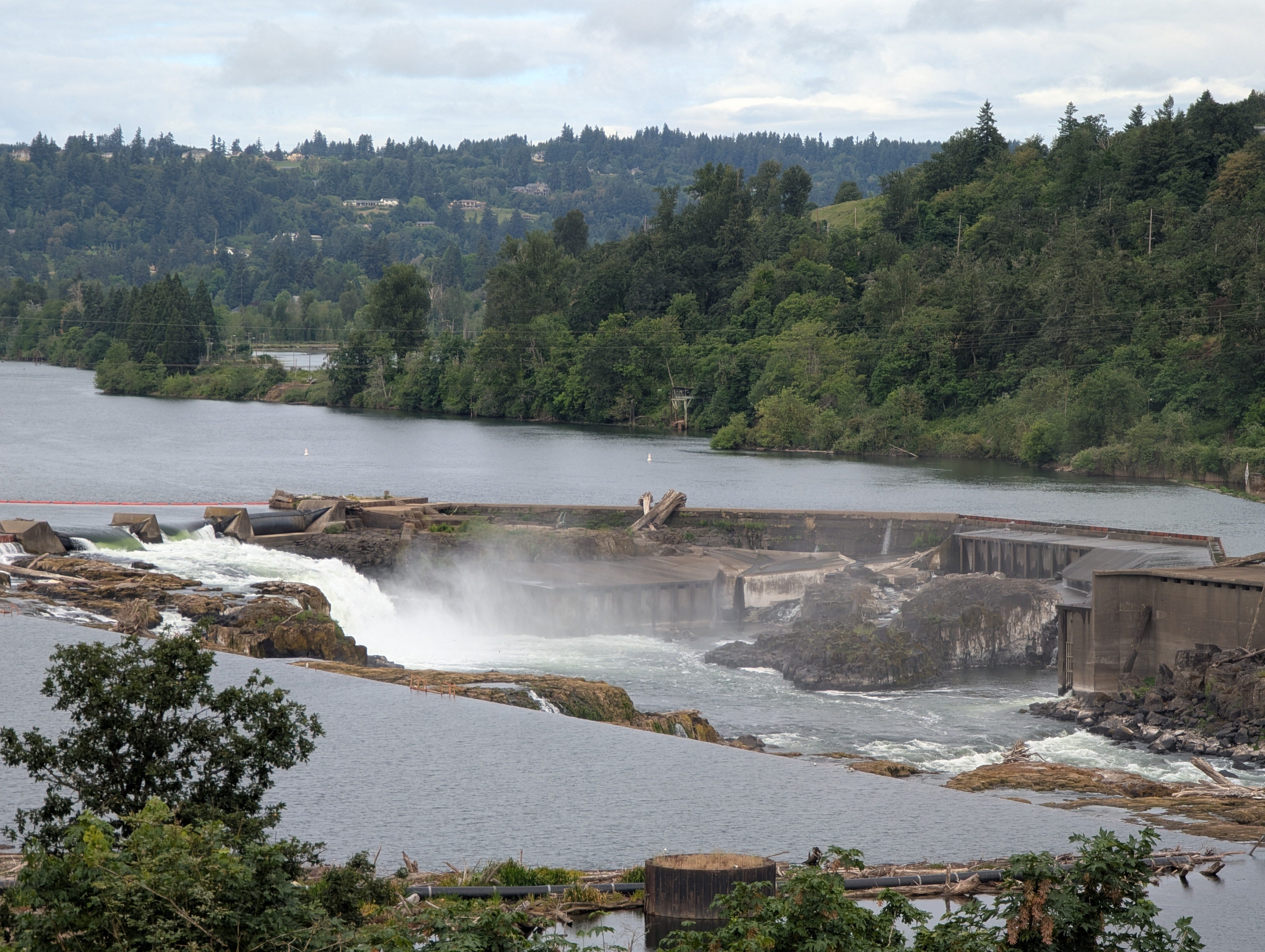
The promenade affords spectacular views over the Willamette River and Falls, second only to Niagara Falls for flow rate among US waterfalls.
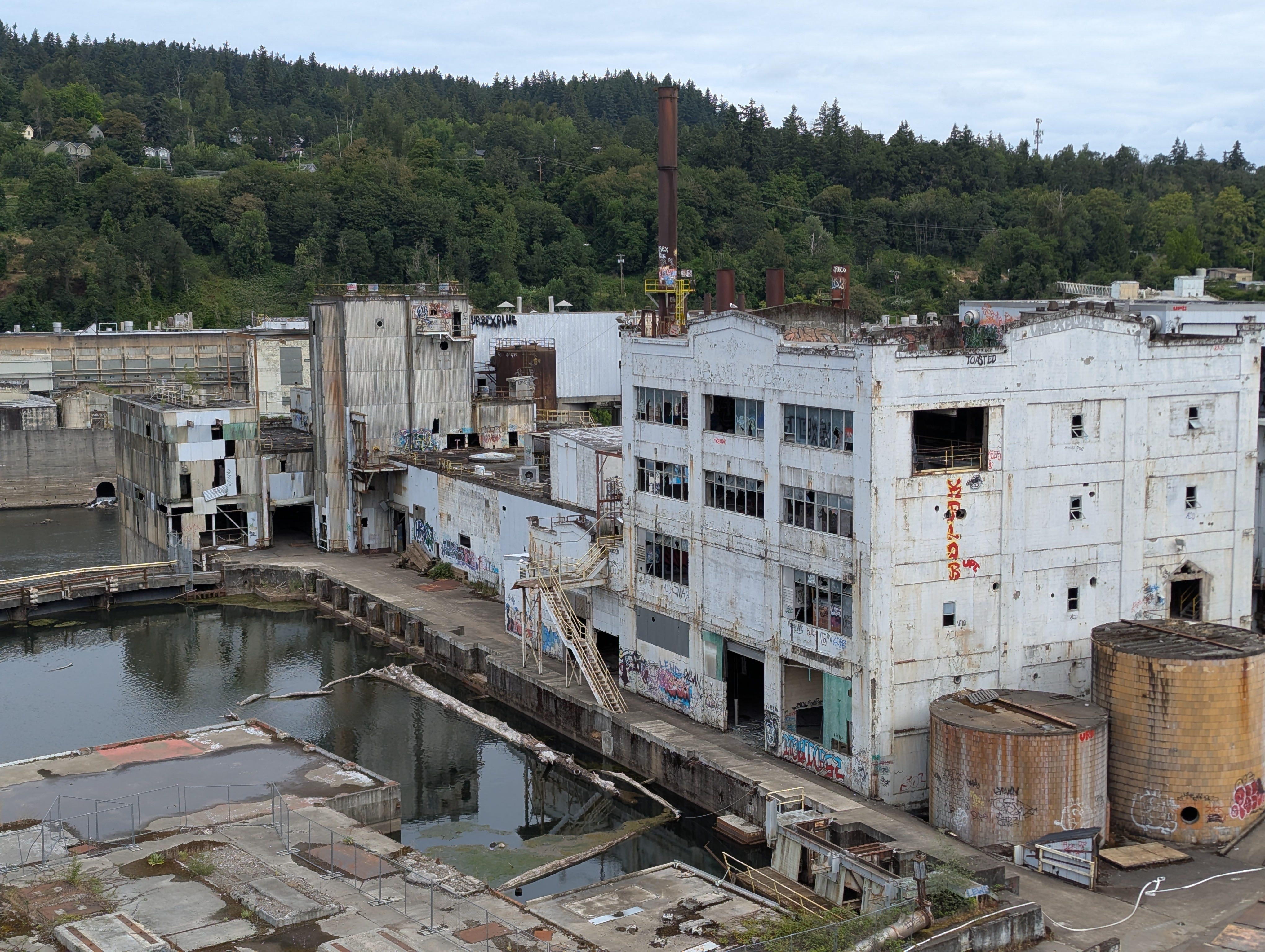
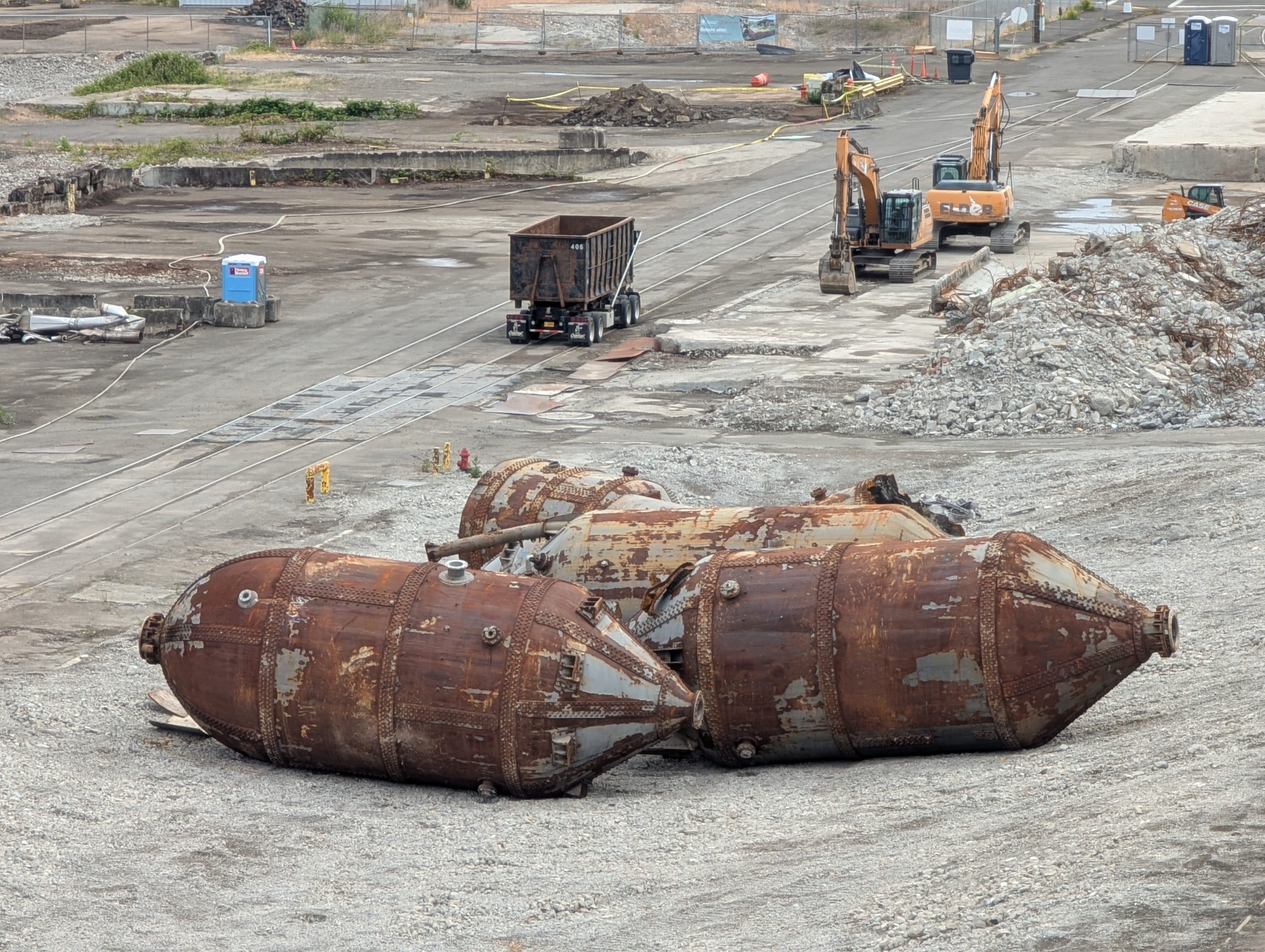
Oregon City was important for its lumber industry and there are several paper mills along the Willamette River, most of which are now closed. The moody grandeur of immense industrial architecture as it slowly decays has always fascinated me, so I was thrilled to be able to see it.
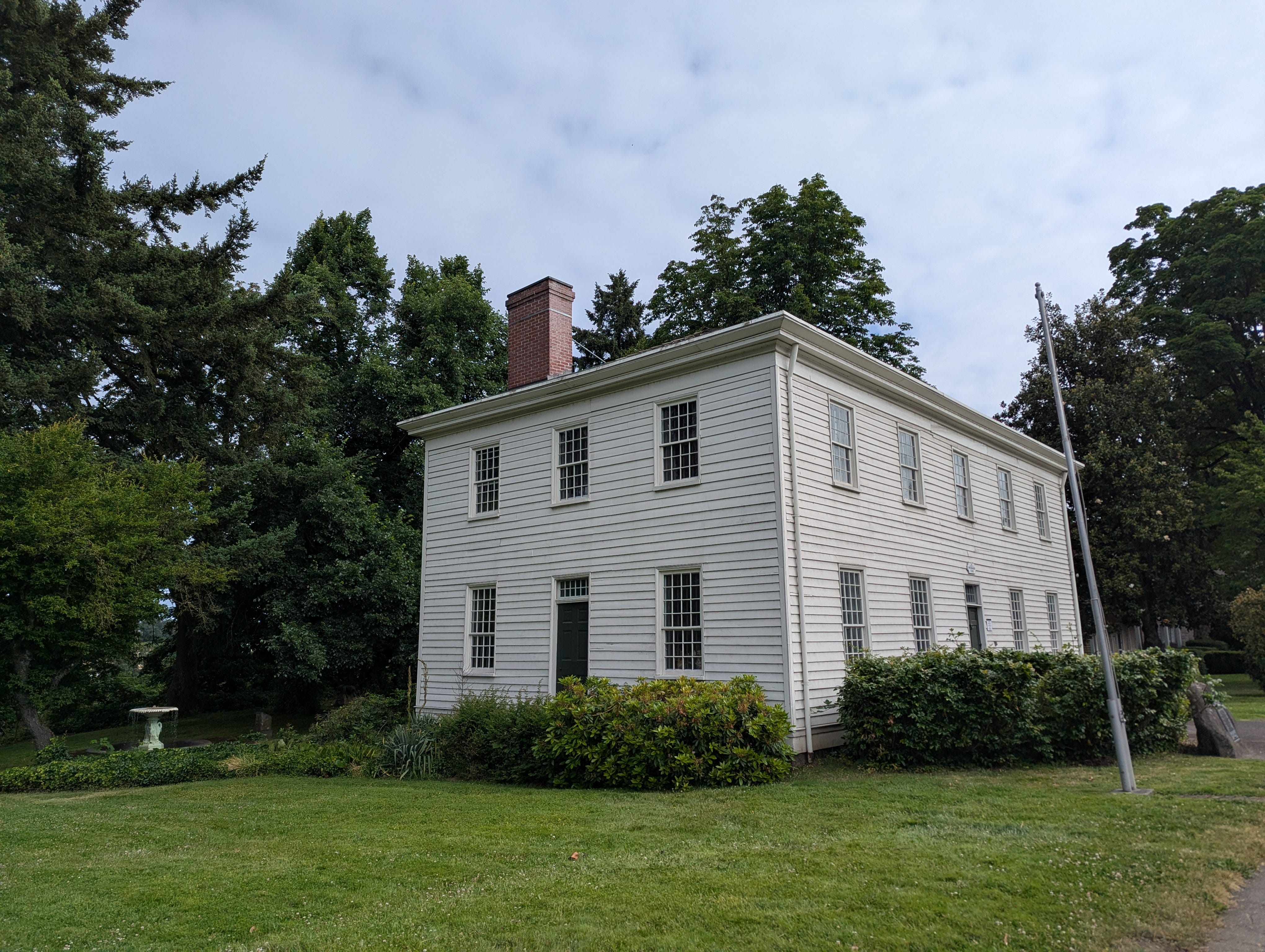
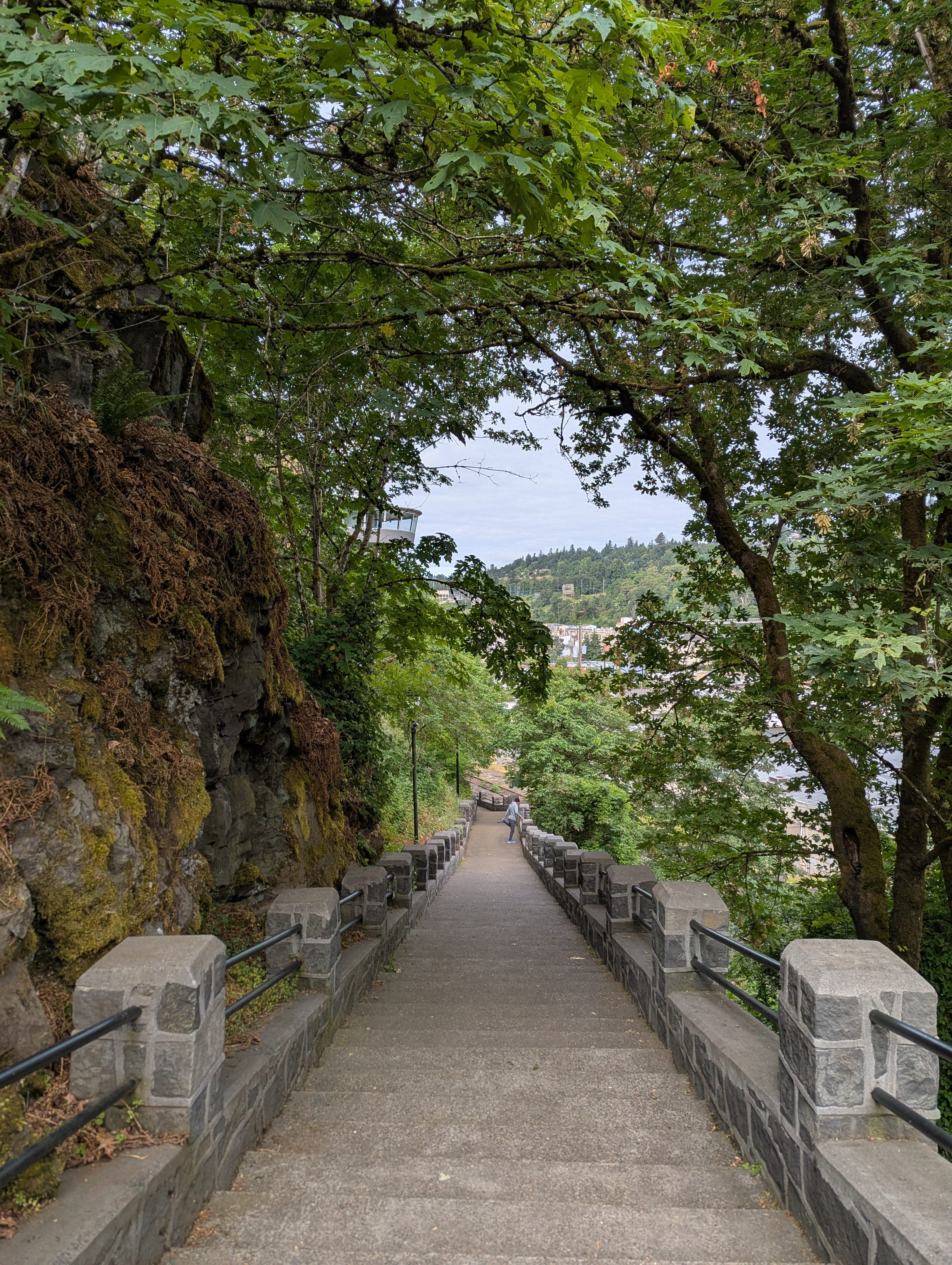
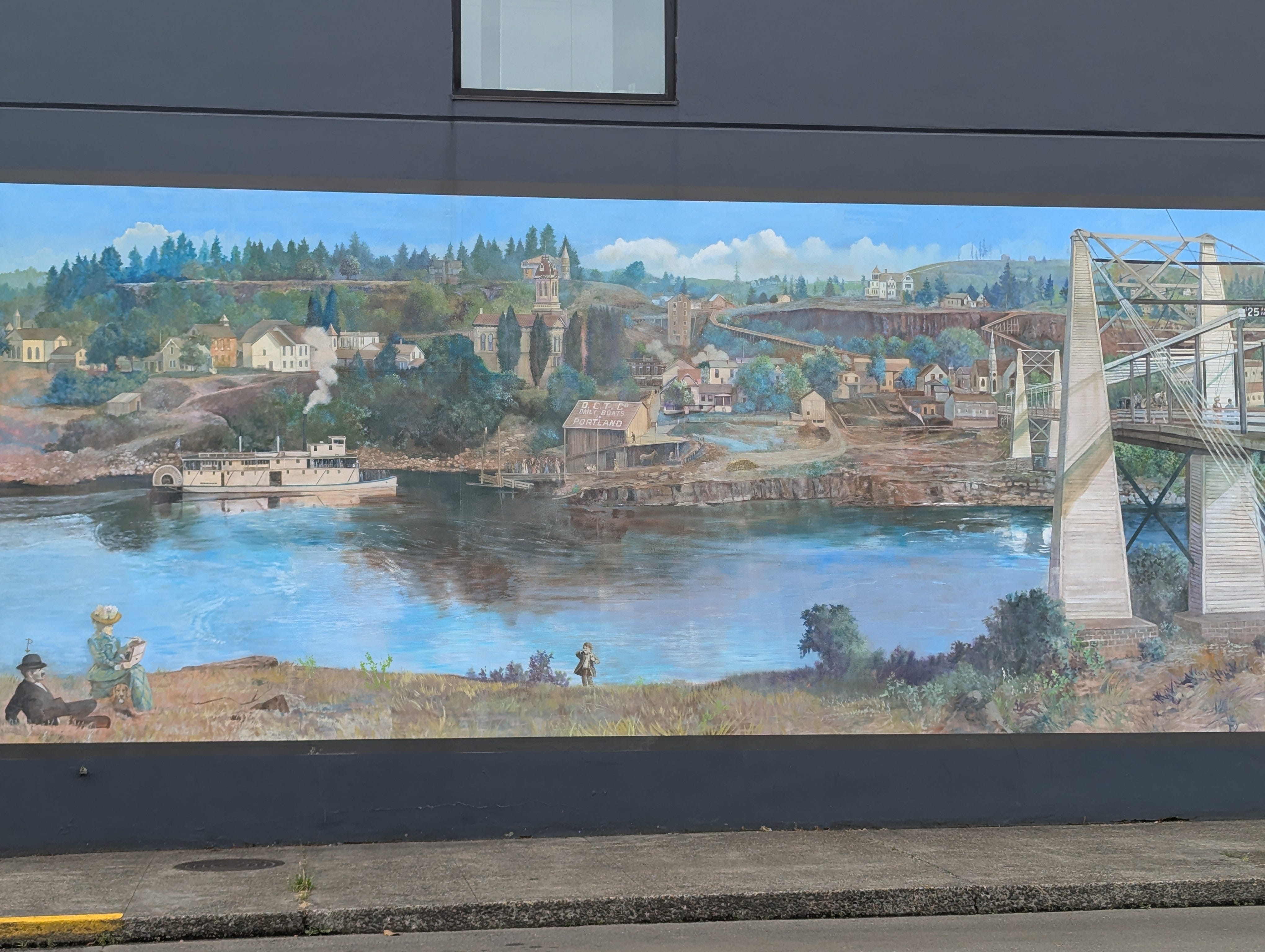
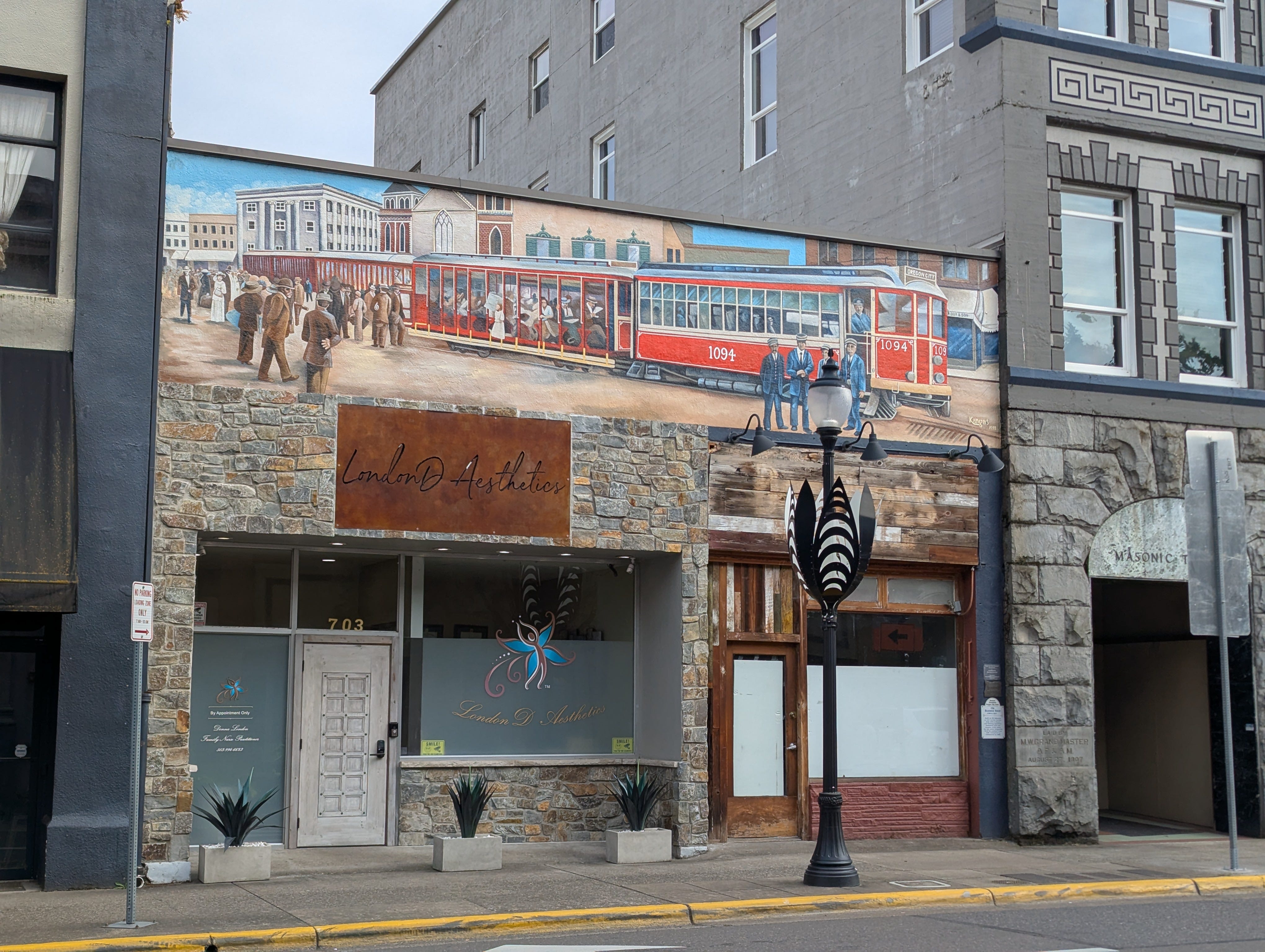
We left the promenade and walked downhill into the town. The area was very walkable, with a downtown that seemed pleasant and active. There were a number of attractive murals and several well-preserved buildings in period styles.
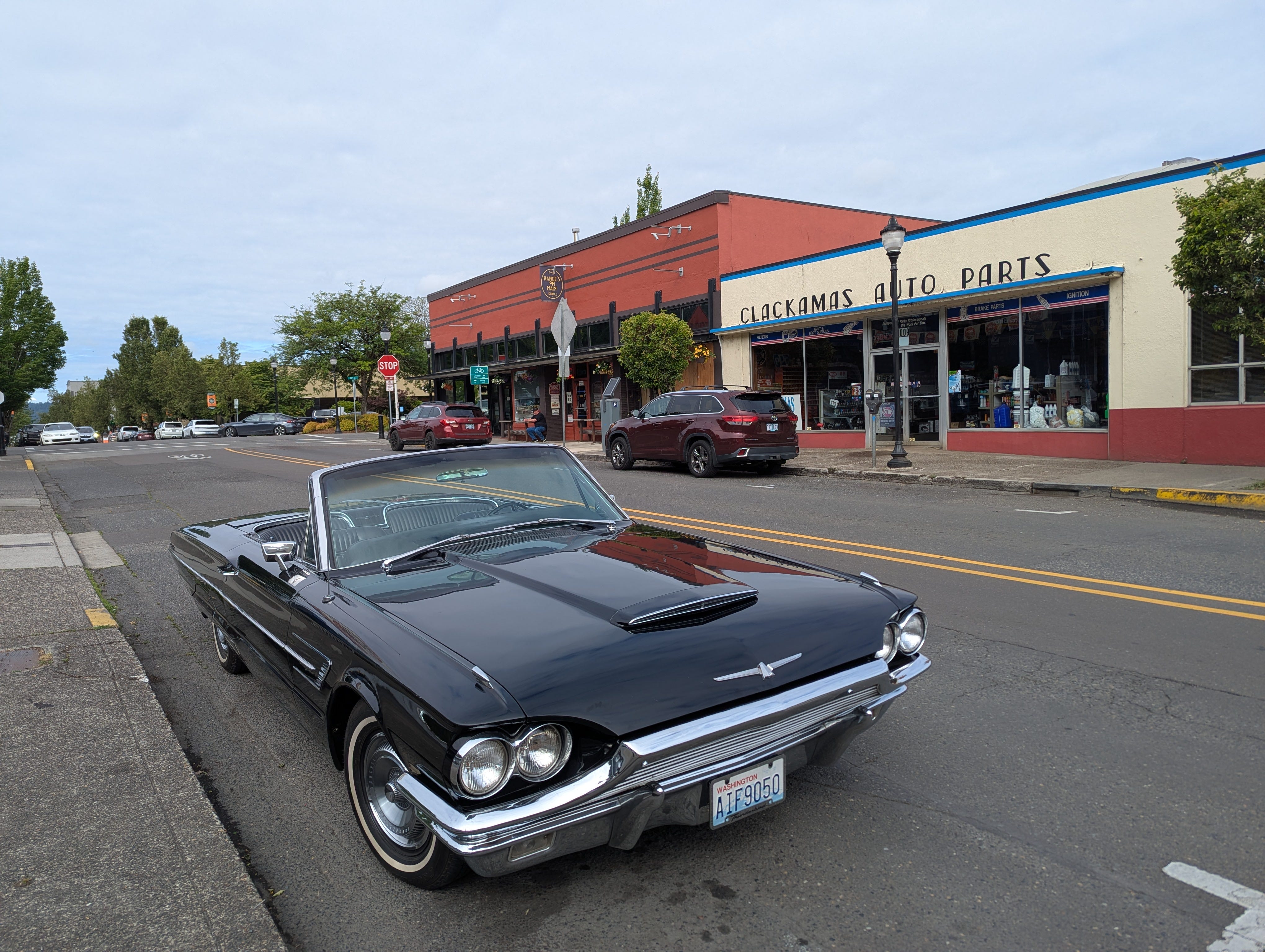
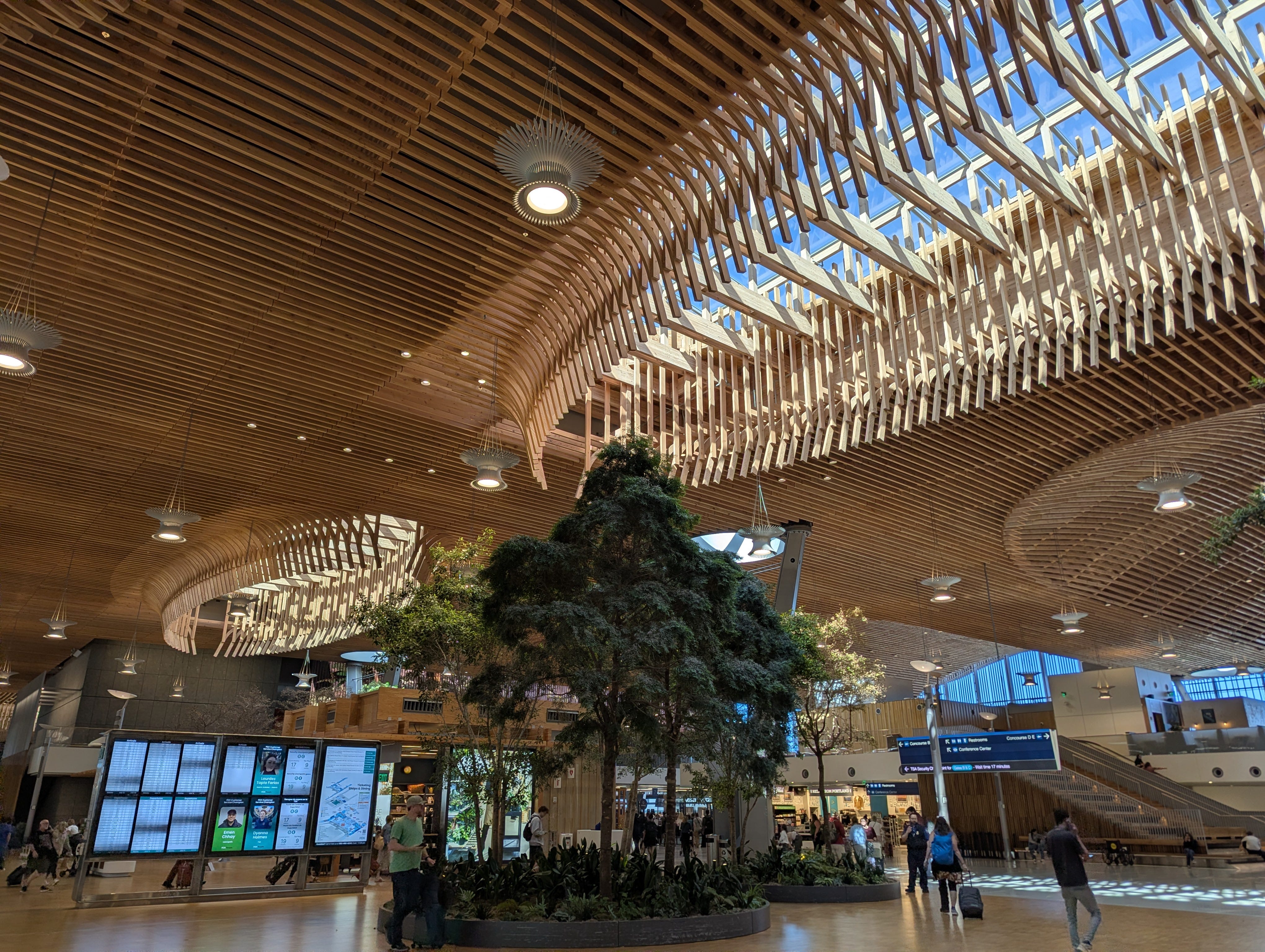
Besides Portland Airport (which was very attractive as airports go), this was my first true impression of the state of Oregon, which I had never properly visited before, my Pacific Northwestern travels having all been in Washington, Oregon, Idaho, and British Columbia. Oregon is the thirty-fourth state I have visited.
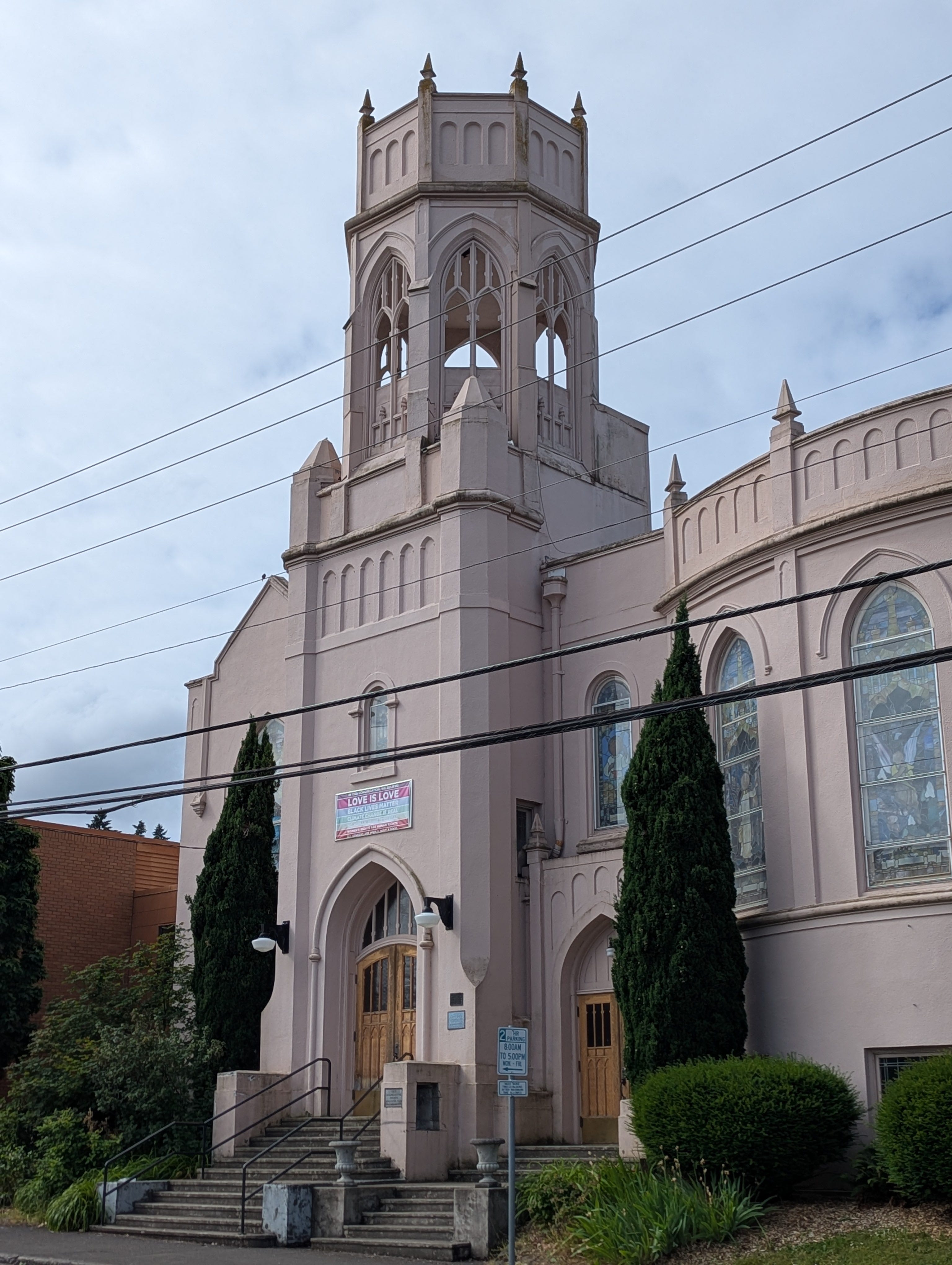
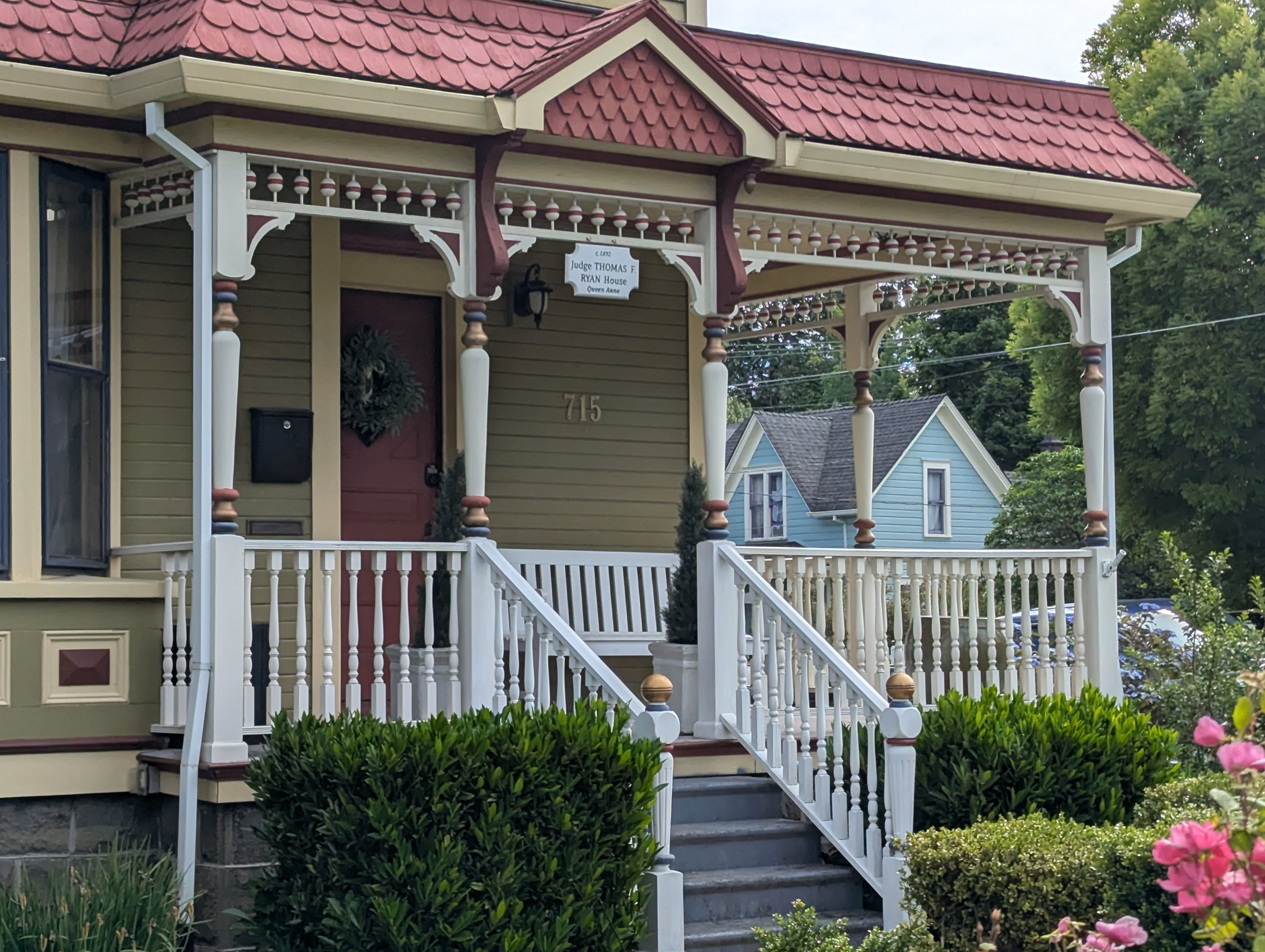
My sermon in the afternoon was on Isaiah 6, the story of the vision in the temple and the call of the prophet. I was going to be speaking at the church’s family camp on the Oregon coast over the week and, after church, we packed the cars and I drove with the Lortzes to Rockaway Beach. They had an AirBnb property, where we were going to stay on the Sunday night before the event started on the Monday.
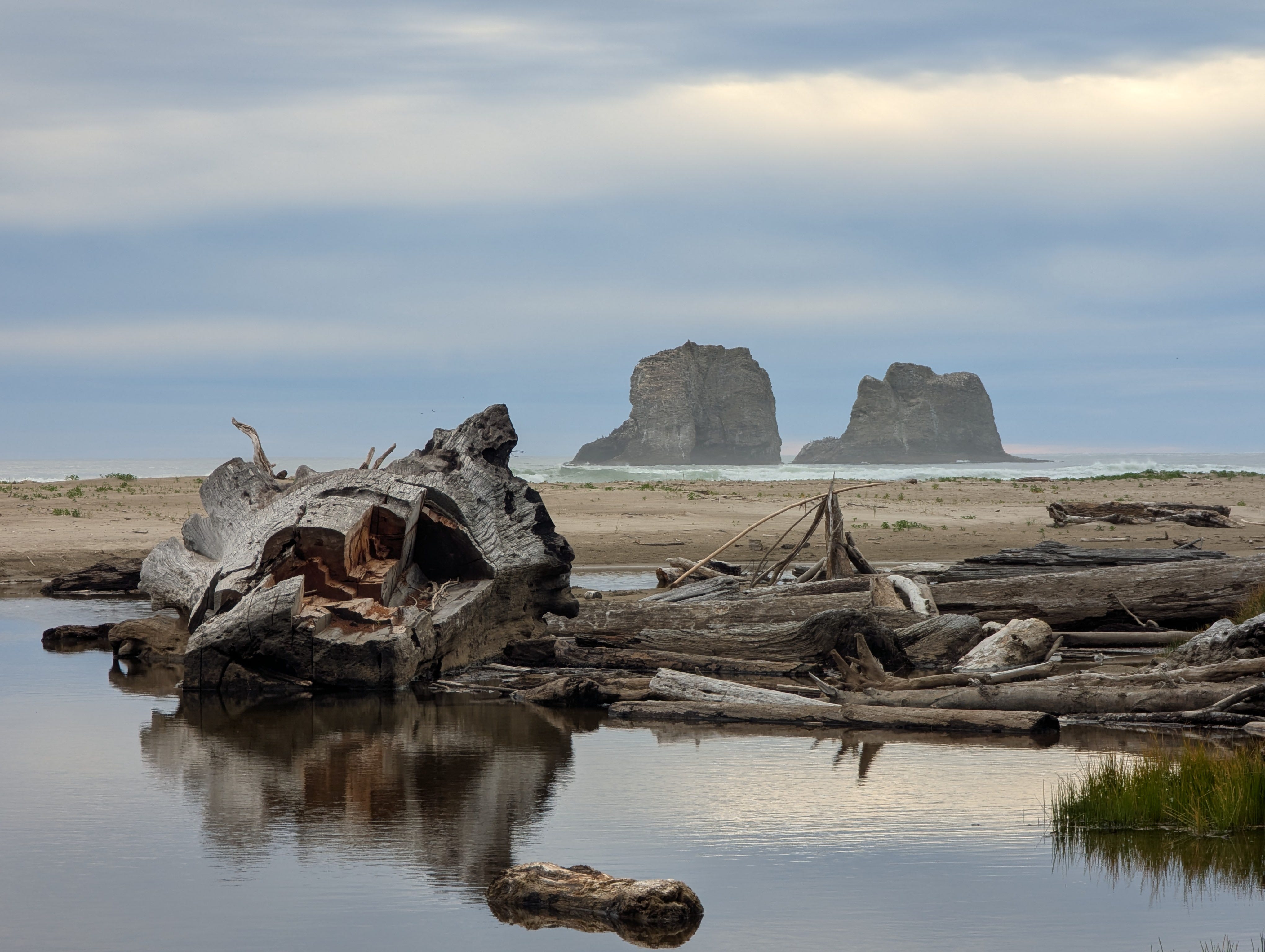
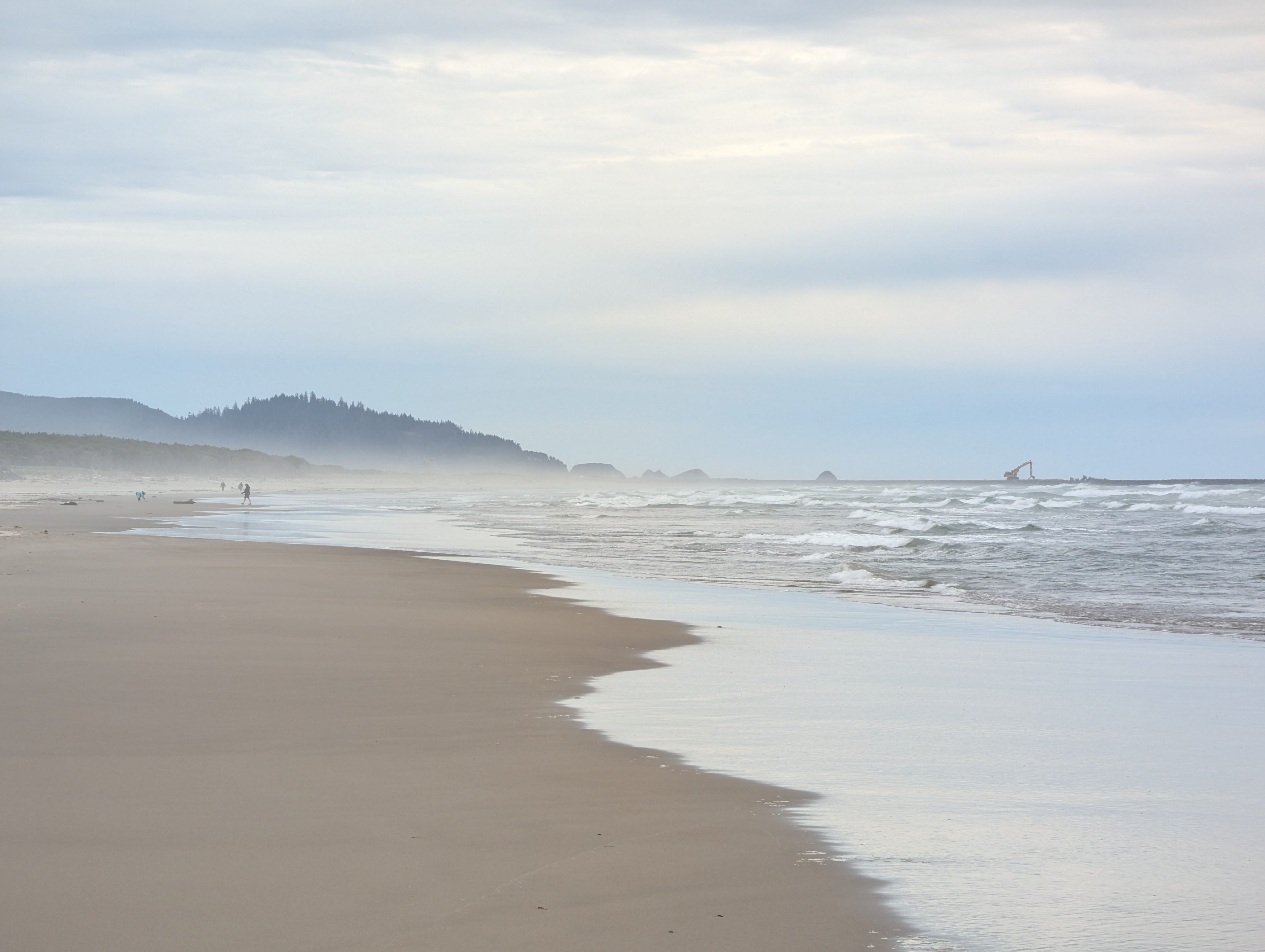
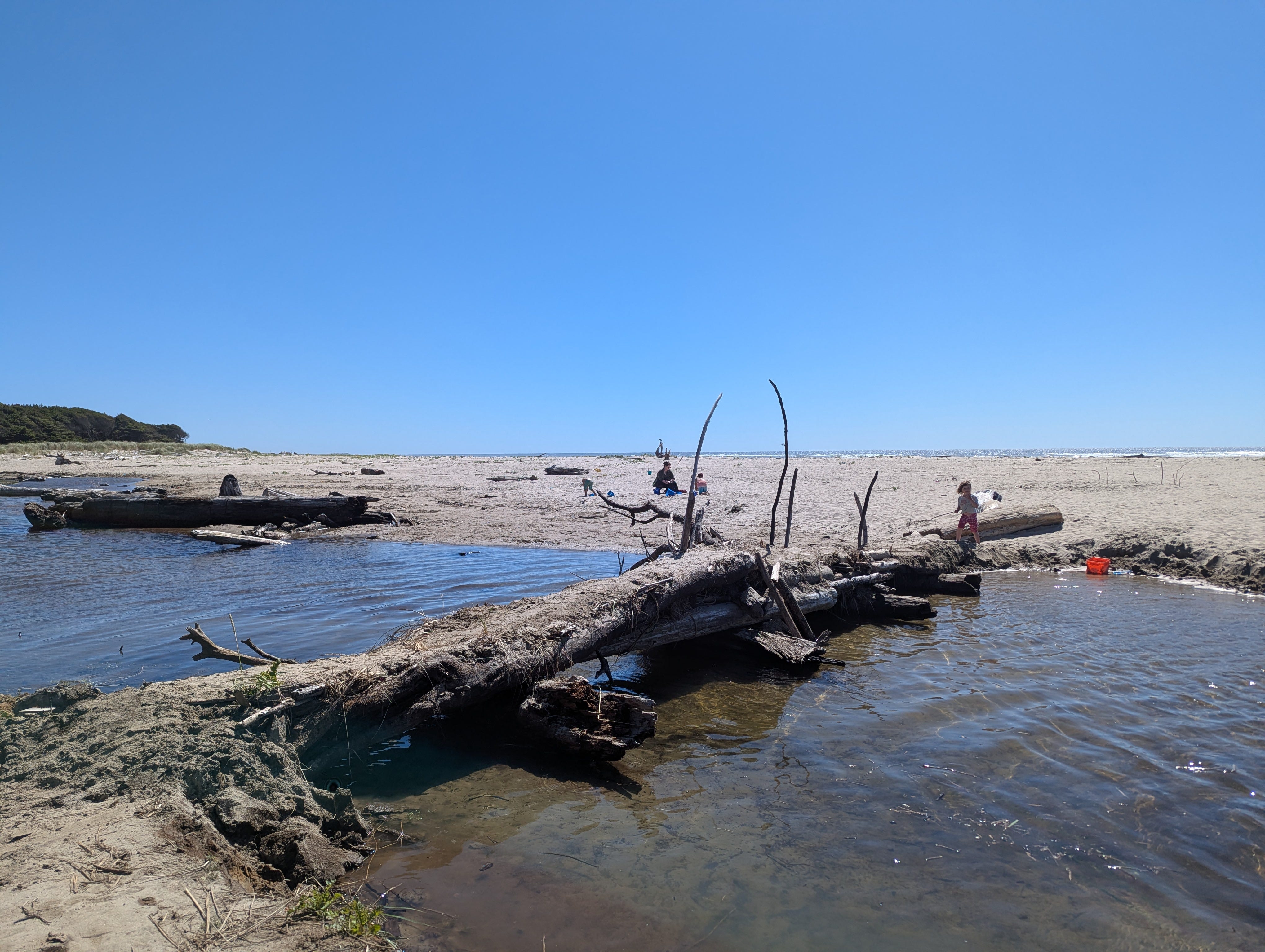
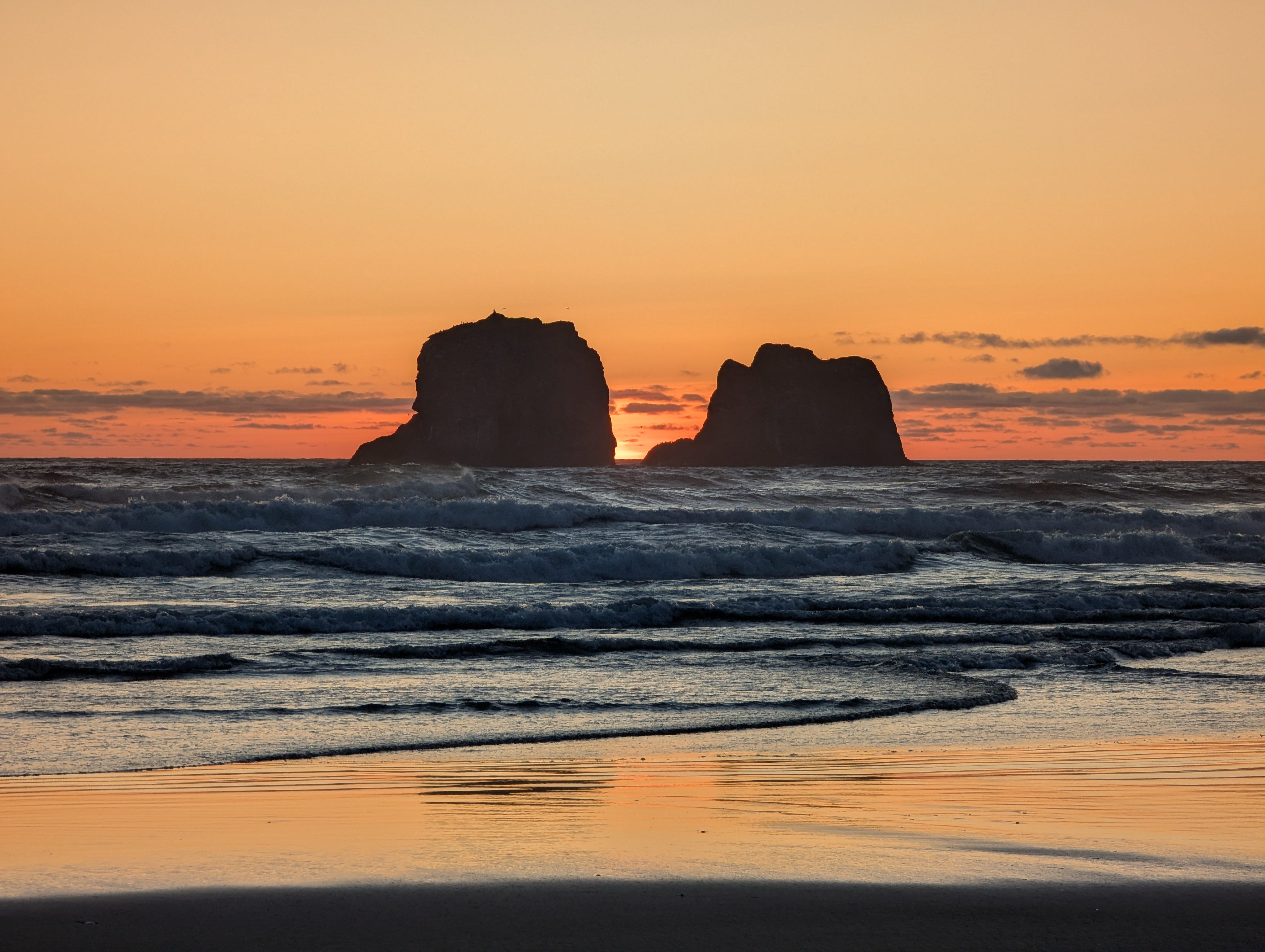
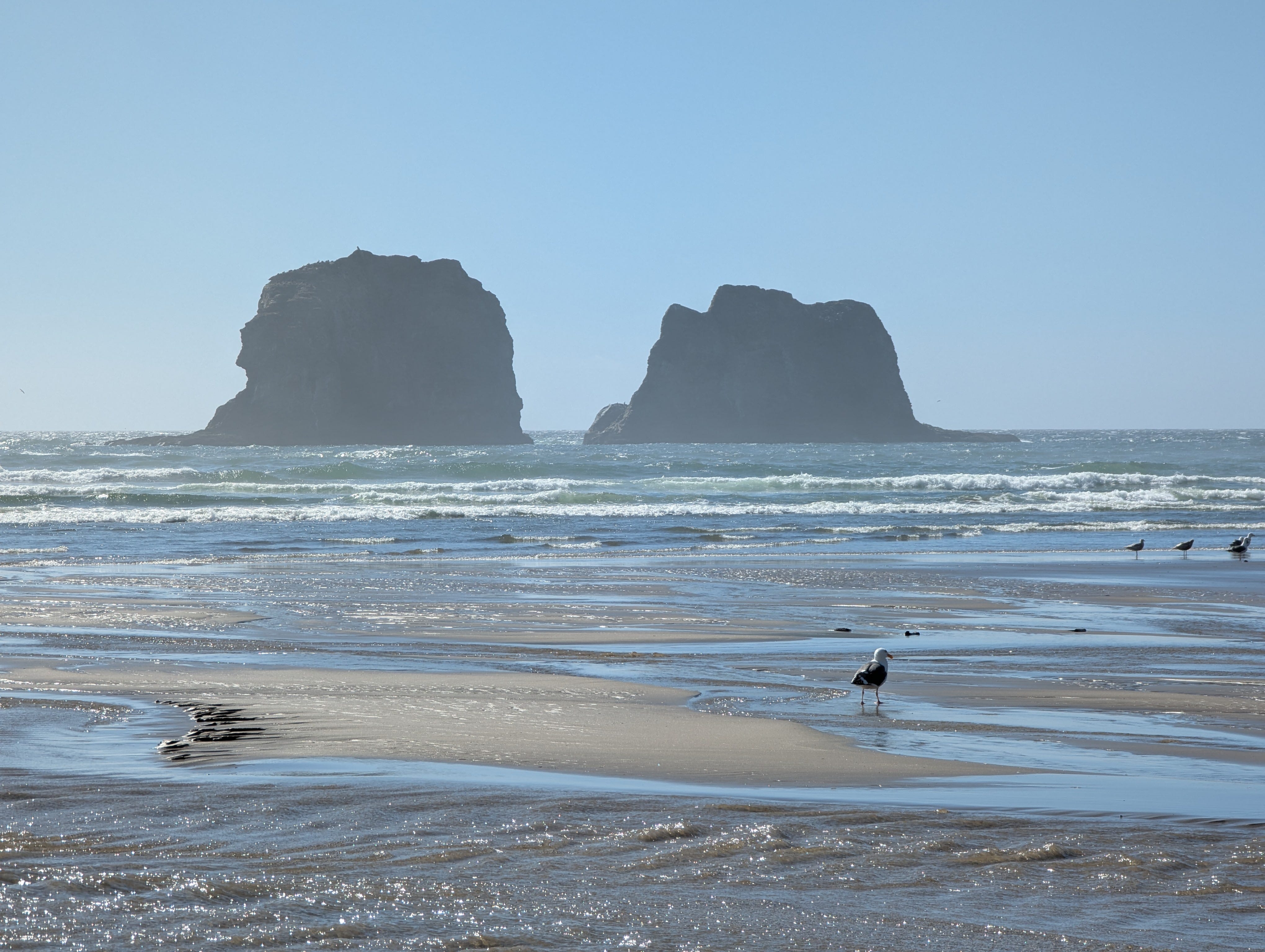
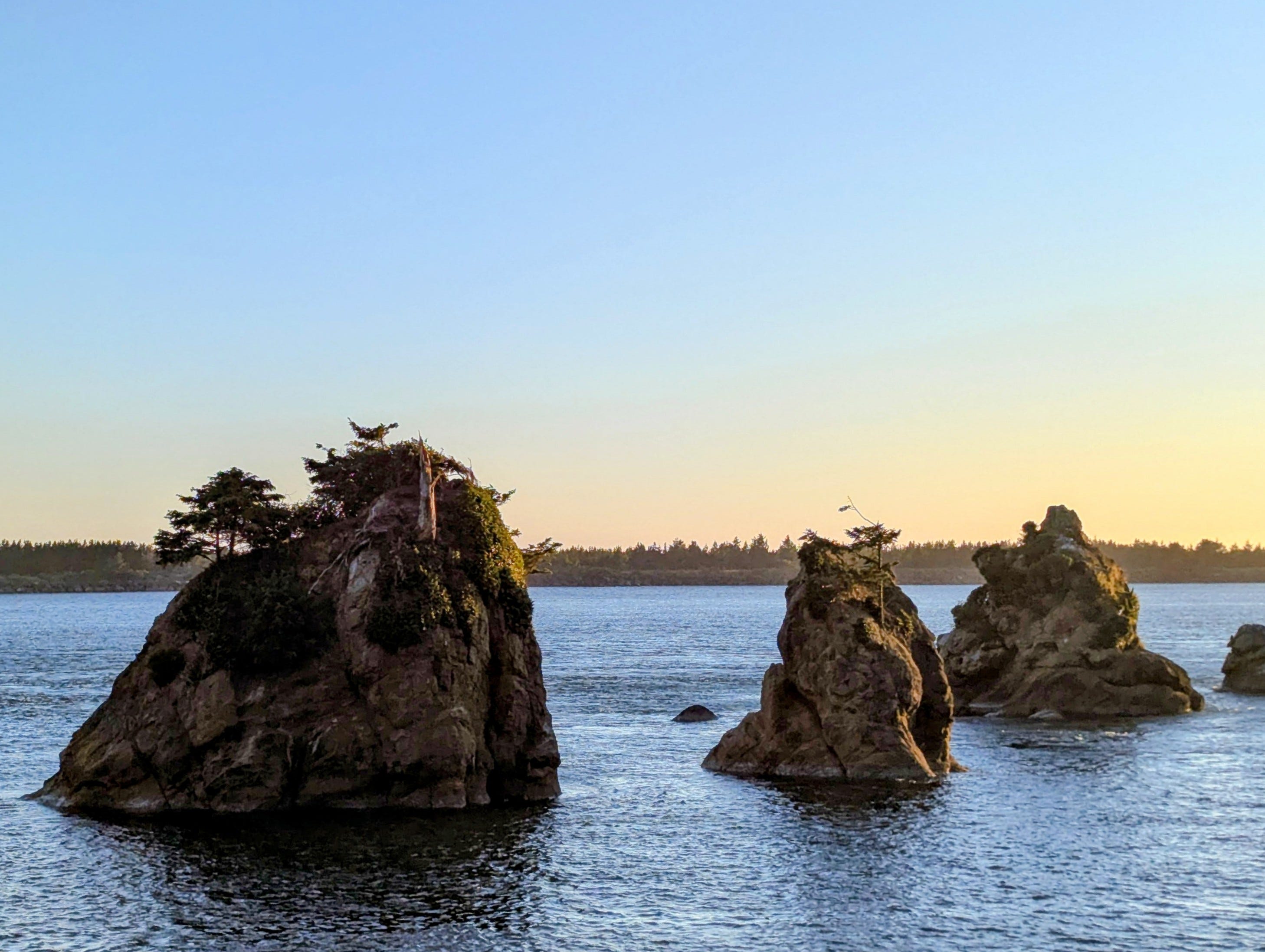
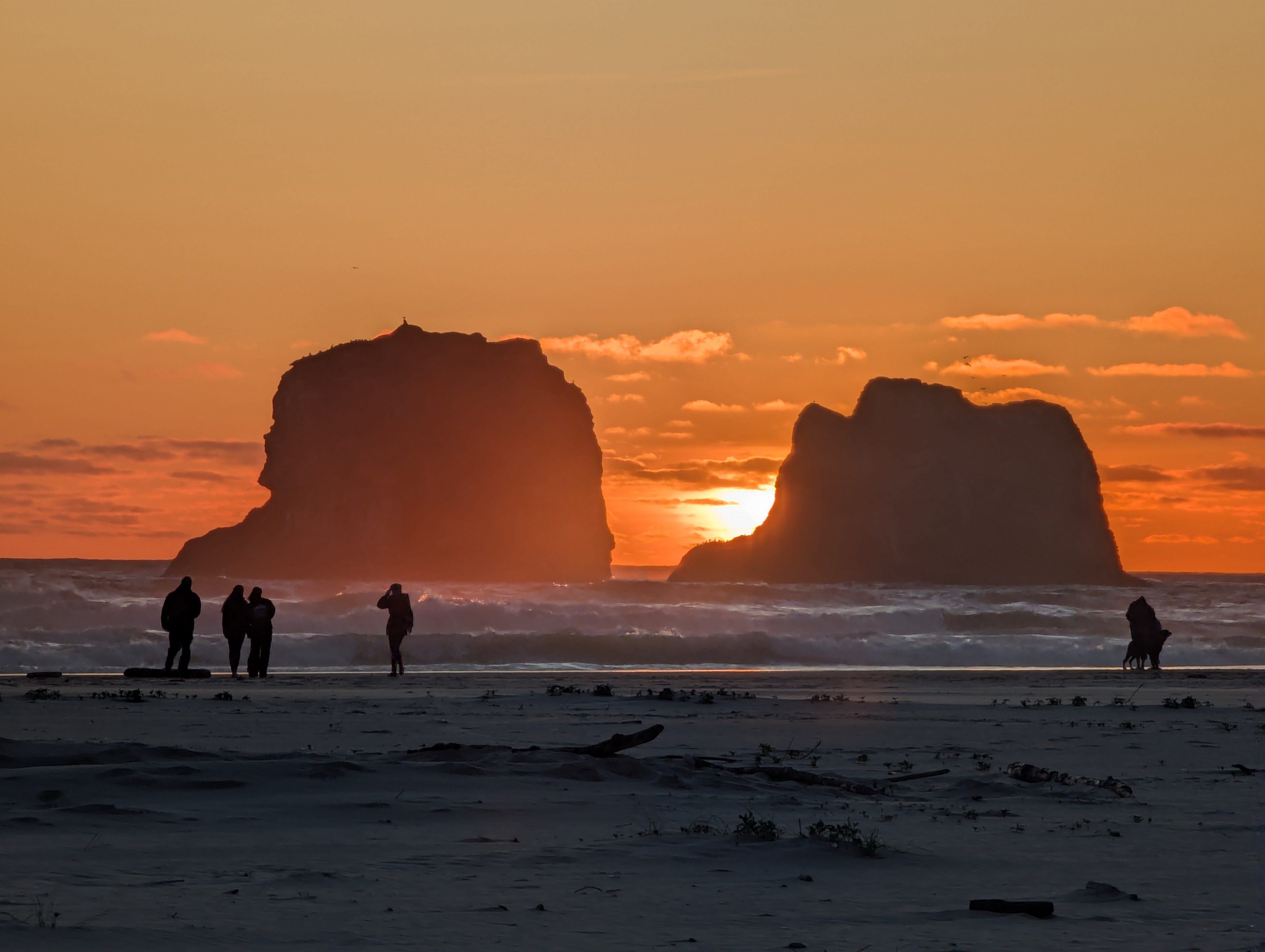
The AirBnb was next to the beach, from which two large sea stacks can be seen a short distance out from the shore. The main body of the beach was cut off by a large and often deep stream that ran through it. Following it down, we found a point where we could cross it using some tree trunks. Later, we watched the sun set between the stacks.
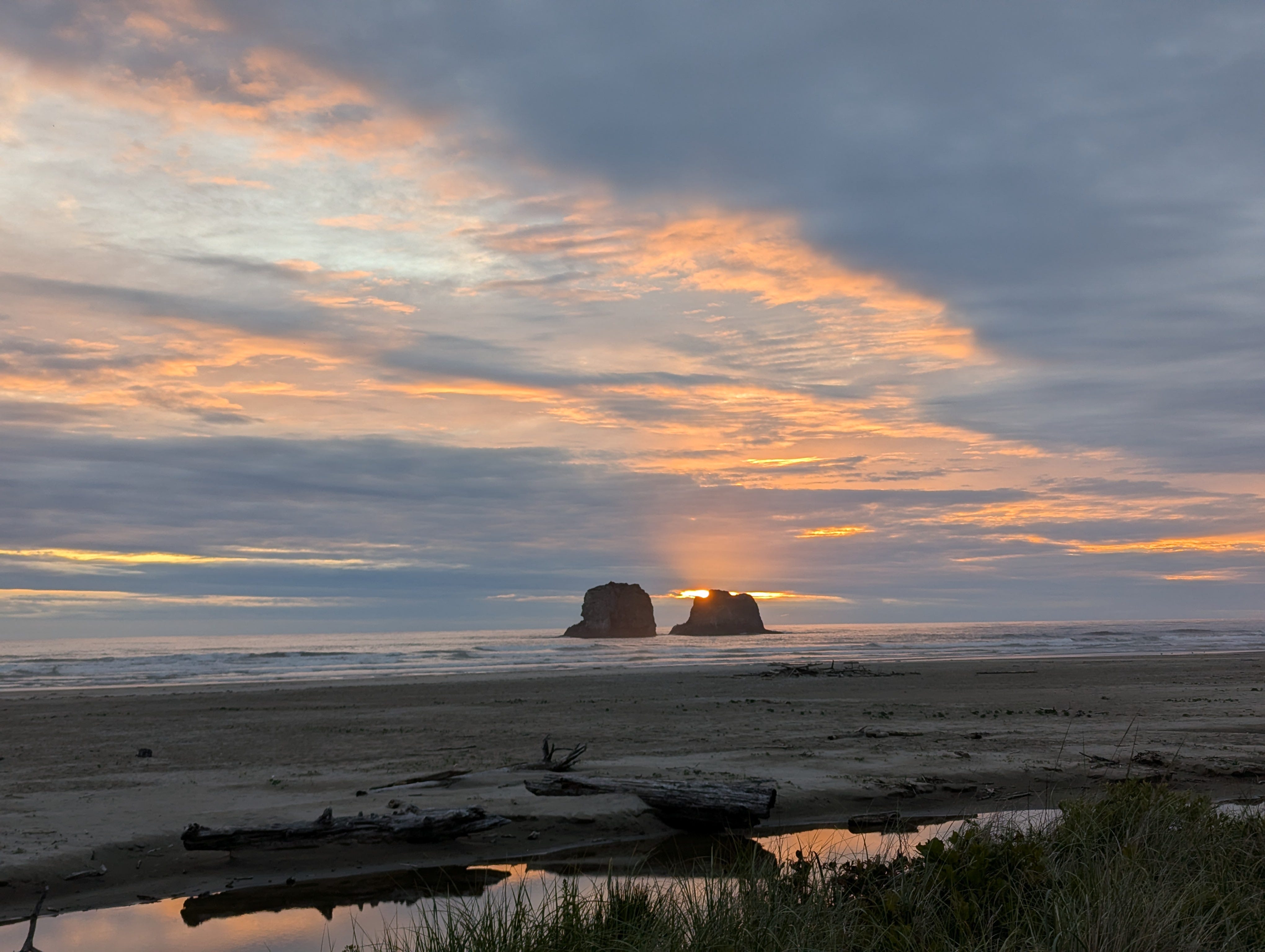
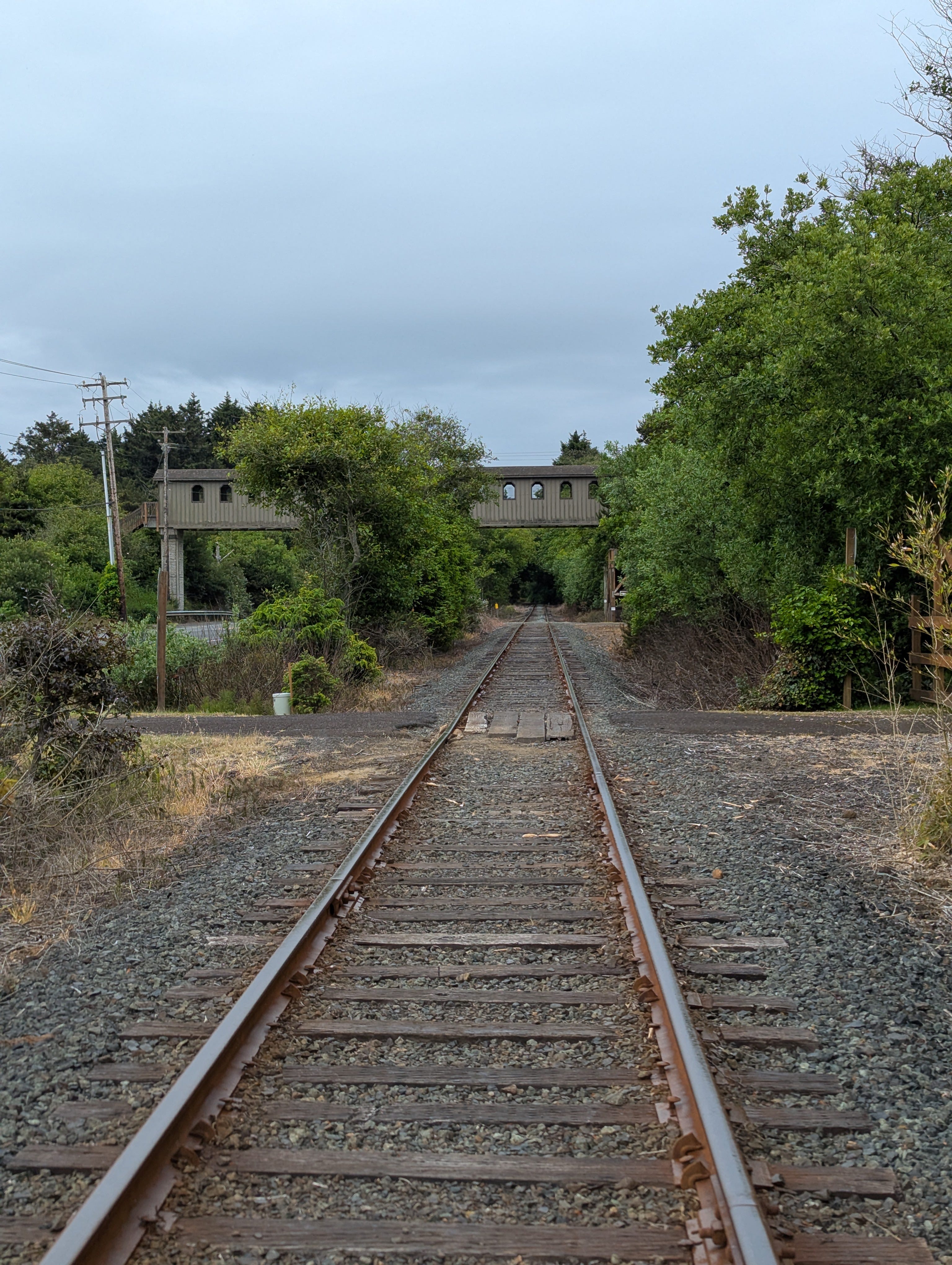
The camp began at 11am on Monday and all the church campers were going to be arriving over the course of the morning. Michael showed me the nearby Big Tree Trailhead, an area of old-growth cedar bog. The weather was dull, but the forest was spectacular.
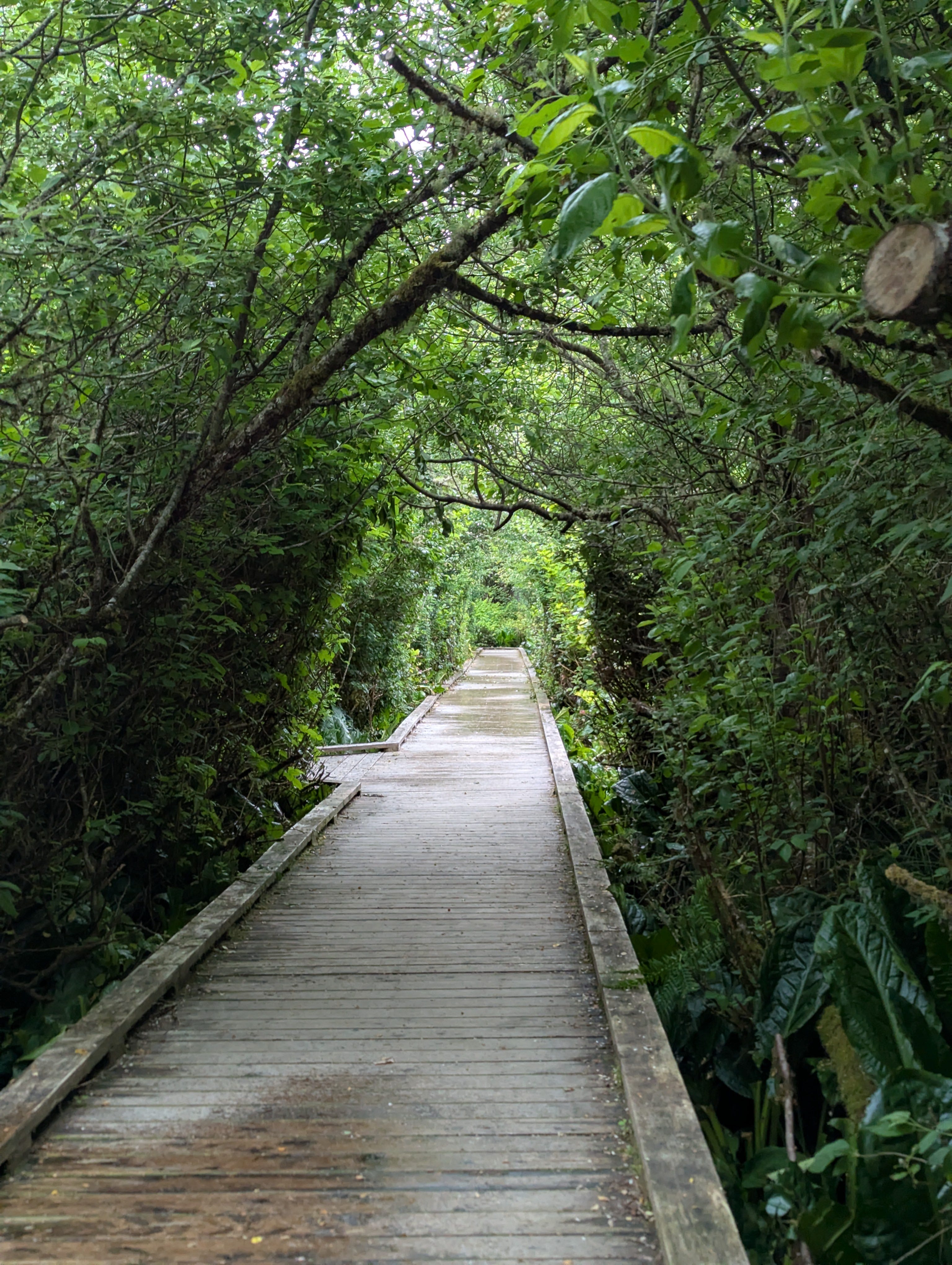
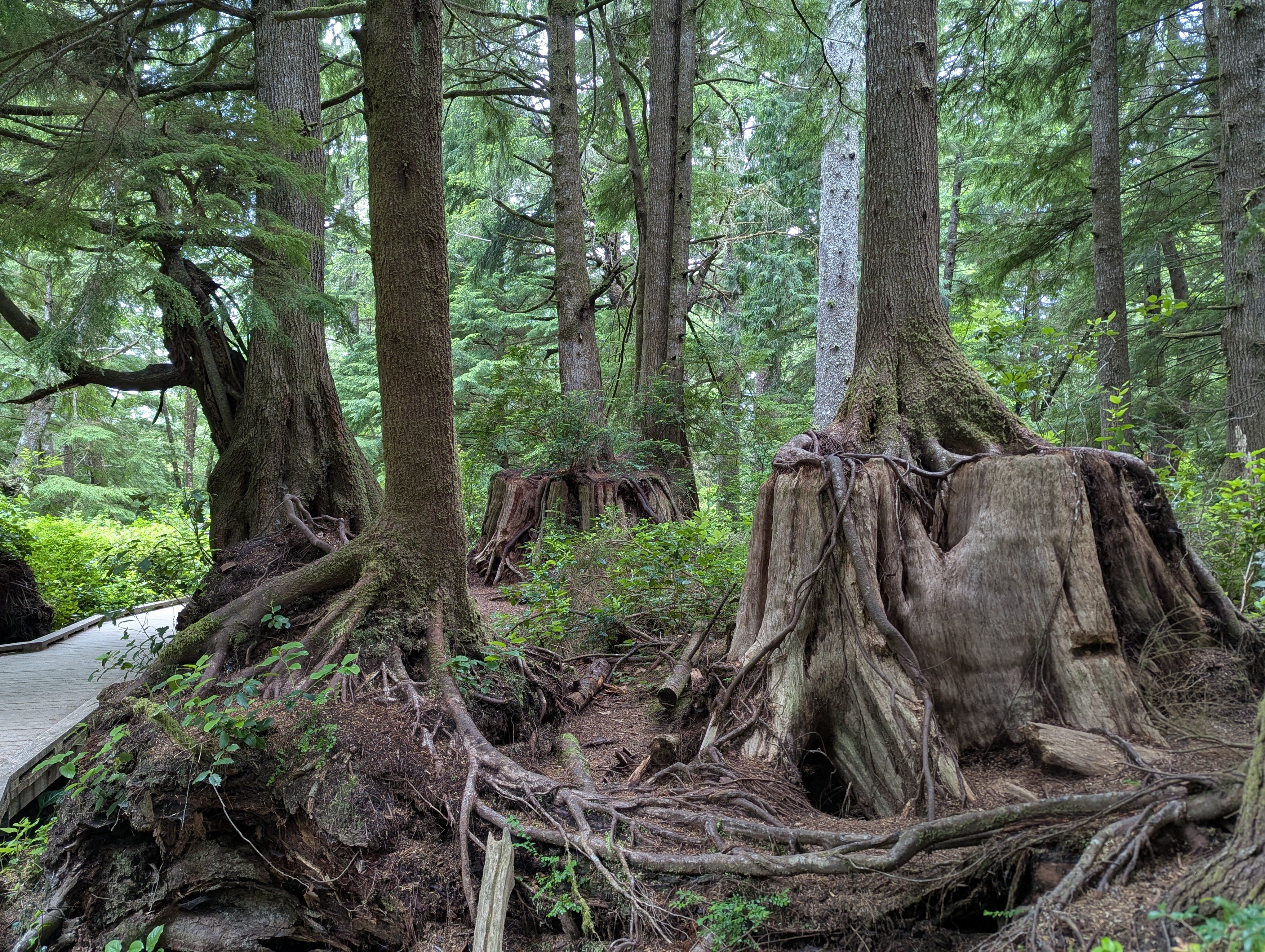
The highlight of the trail, after which it is named, is a towering western red cedar, 154 foot tall and 49 feet wide. Breathtaking in its scale, the Rockaway cedar has a satisfyingly dramatic appearance more generally, with huge sinuous burls.
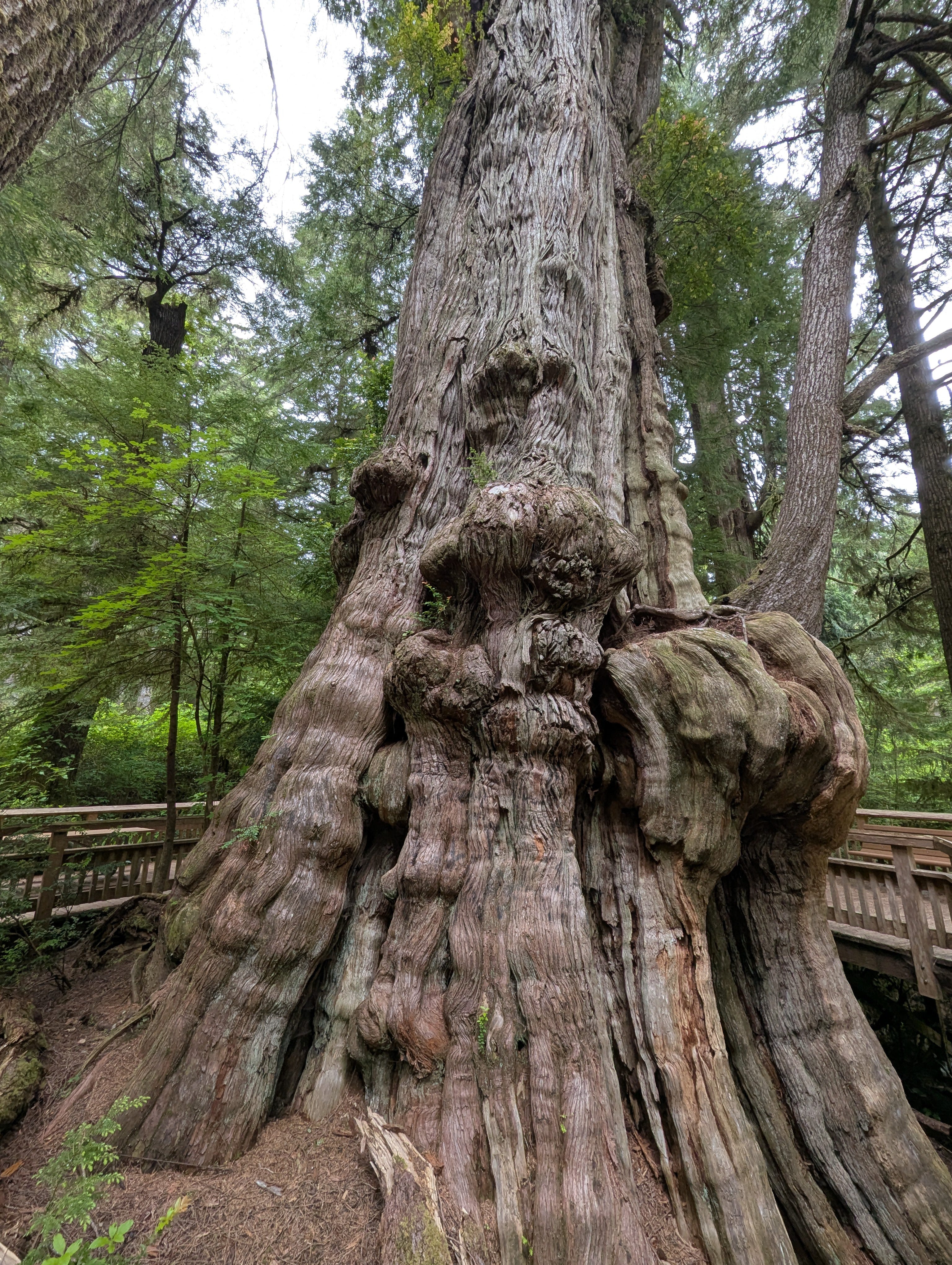
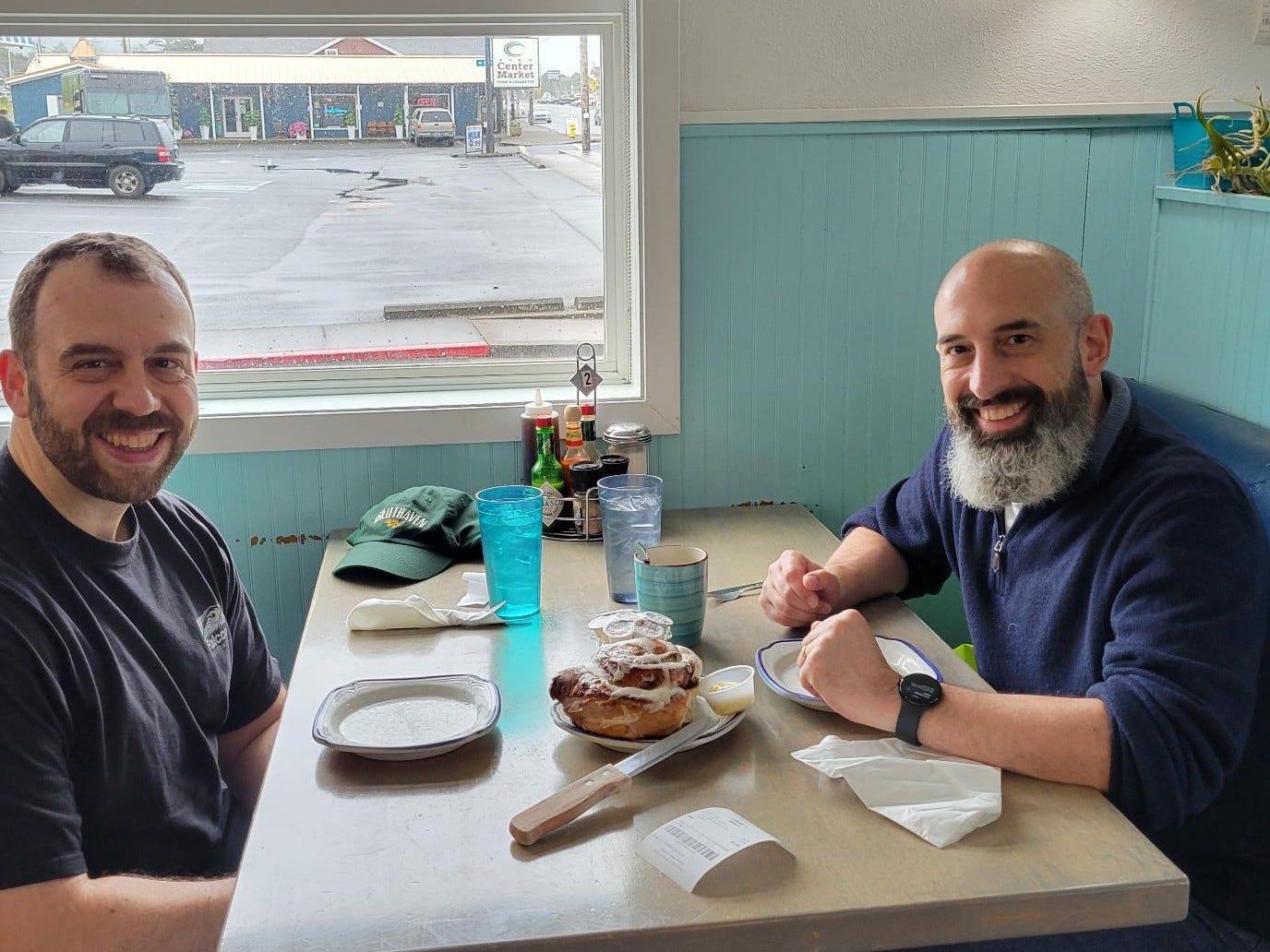
The weather was dull, so we did not spend that much time at the Big Tree Trailhead. We wandered into the small town of Rockaway Beach and enjoyed a coffee and cinnamon bun at a café, before returning to the camp, where Michael showed me around.
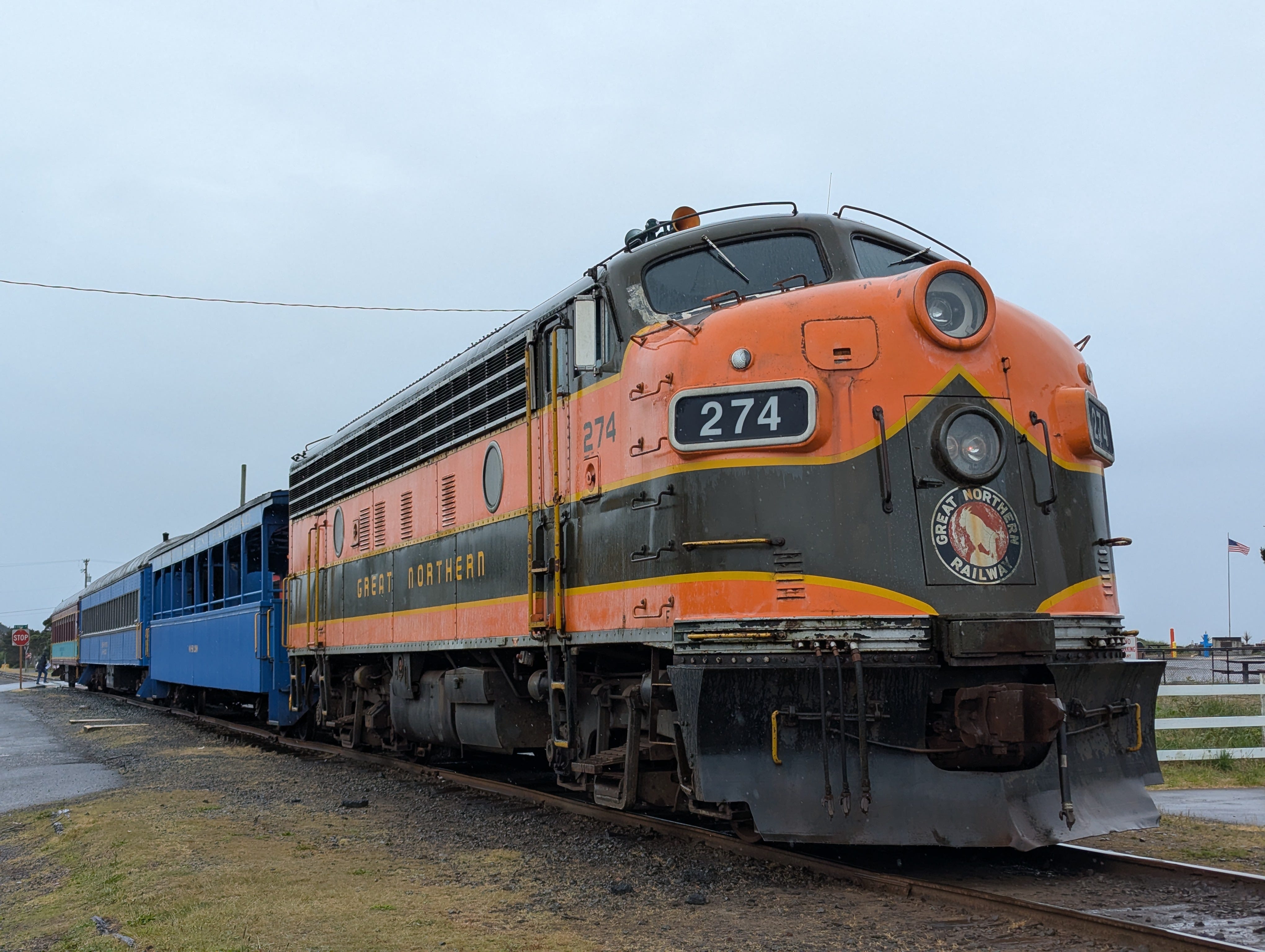
As people arrived and things got going, I had the chance to get to know more members of the church and experience the camp. I was put up in a very pleasant room in a lodge on the site, which enabled me to teach and record on occasions during the week. I delivered six talks over the week of the camp, sharing speaking commitments with a pastor from the Philippines, who shared the needs of his church.
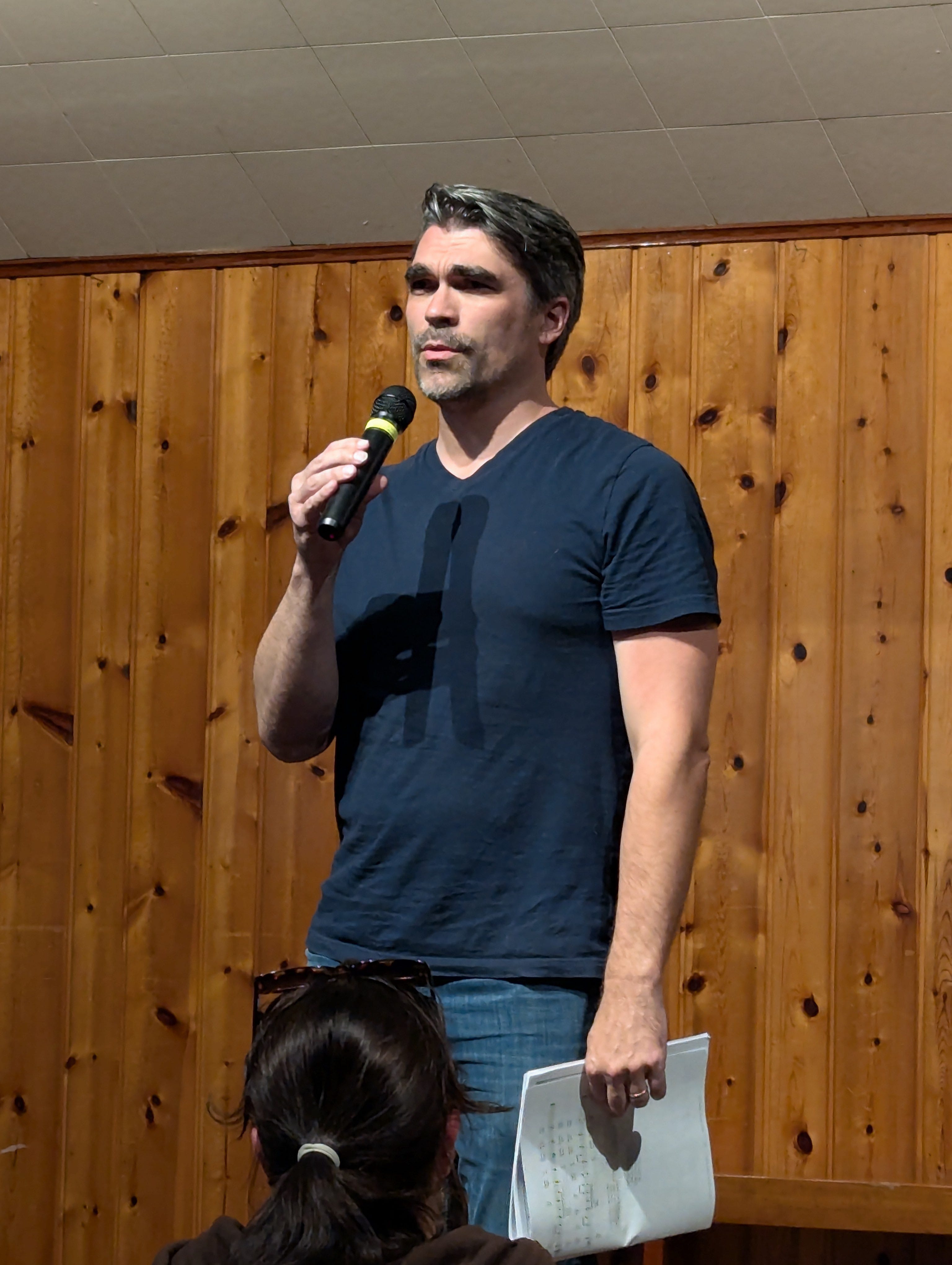
Easily one of the highlights of the conference for me was the singing. Led by Joseph Forester, the camp offered the church an opportunity to improve its song. We were divided into bass, tenor, alto, and soprano parts and practiced a number of more elaborate pieces over the course of the week, in much the same way as we do in the UK Psalm Roars. Joseph’s dry wit and the glorious sound of the congregation singing in harmony really made it a standout element of the week. The fruit of all the work the congregation had done on its singing over the years was very much in evidence. Subsequent to the camp, I have mentioned their singing to several people.
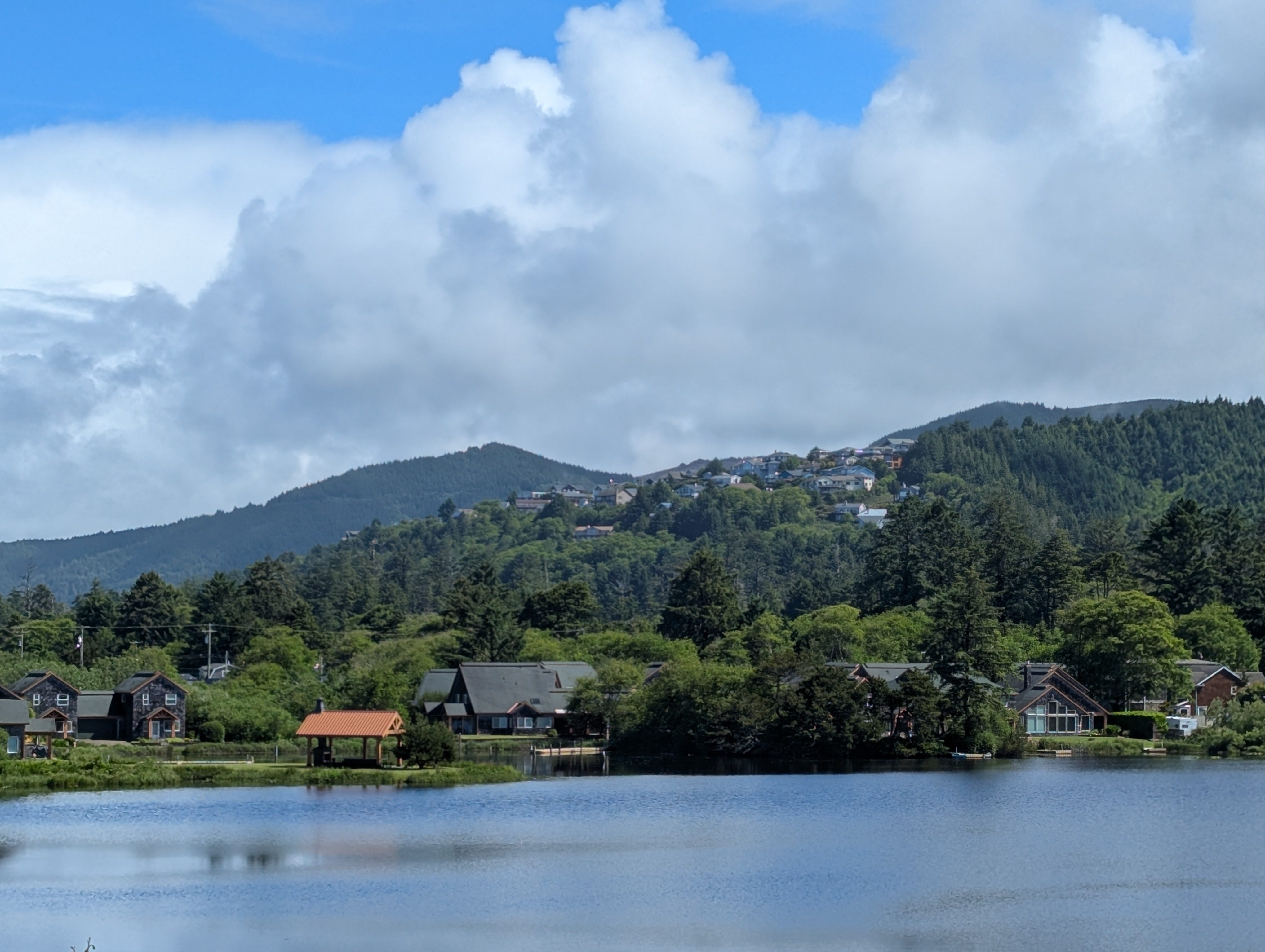
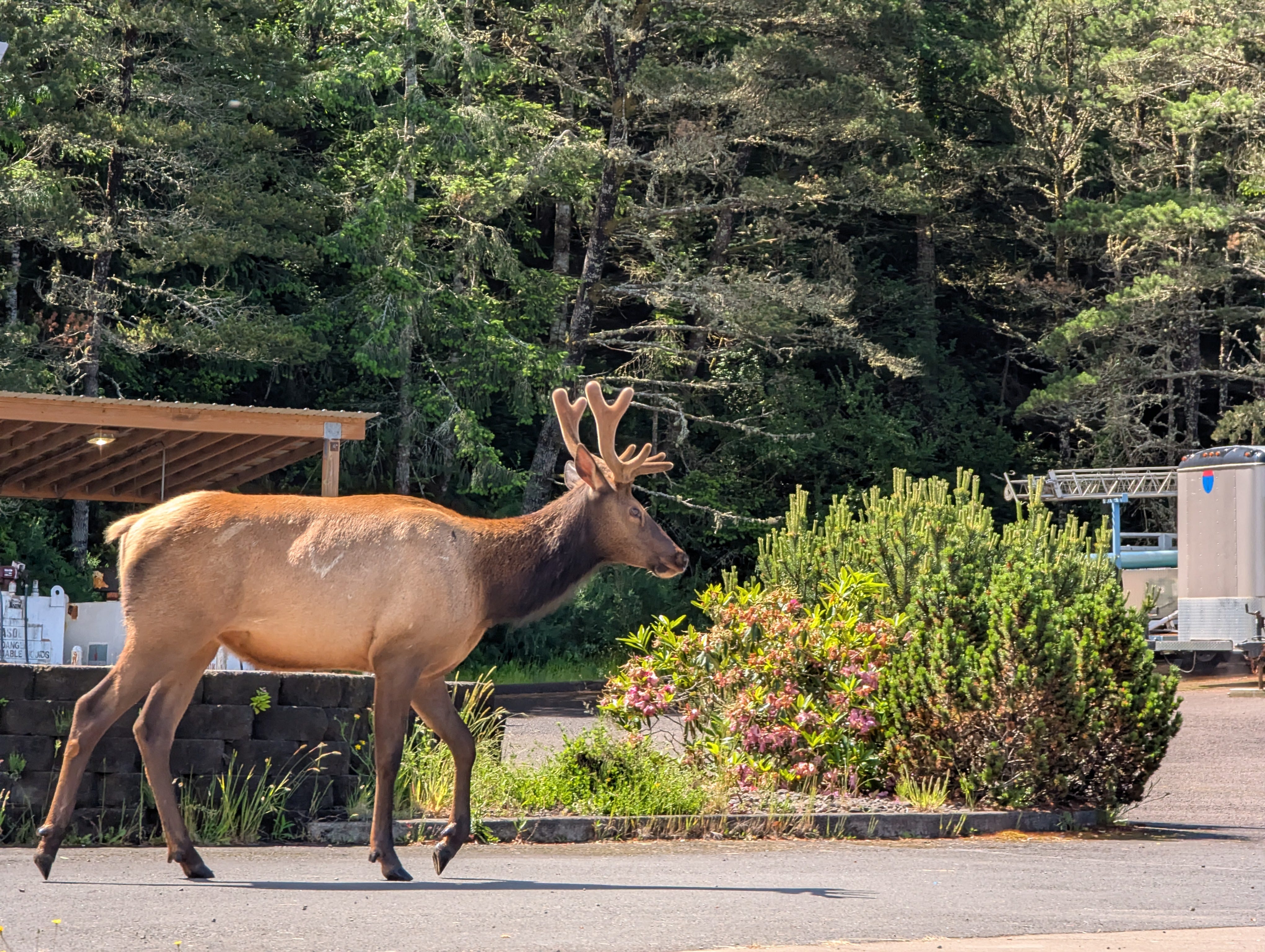
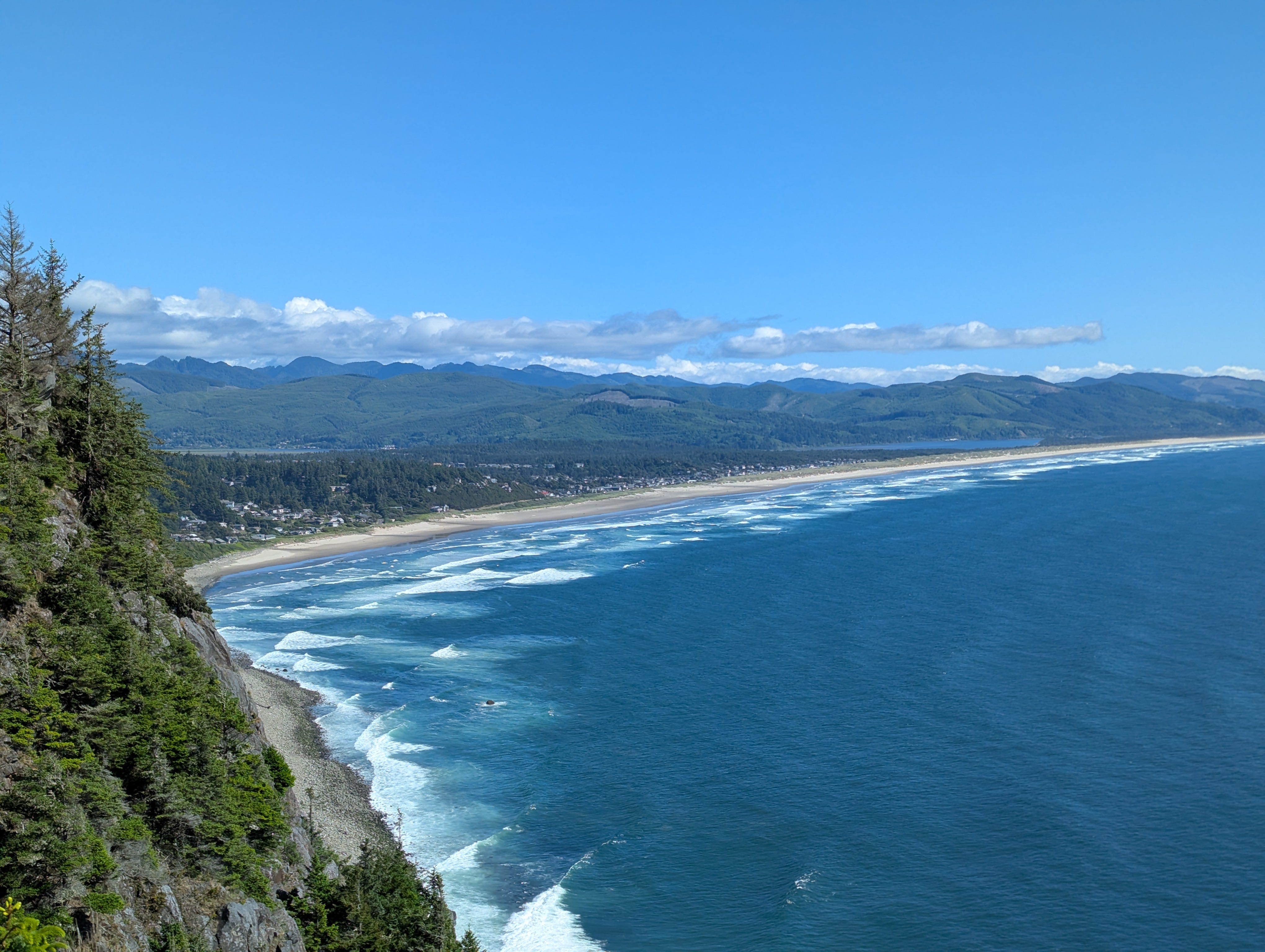
Wednesday late morning and afternoon was unscheduled time. I was invited to join the family I had stayed with in Portland and my first night at Rockaway Beach for a trip to Astoria. After lots of rain on the first two days, the weather had cheered up considerably. The coastal road to Astoria afforded some spectacular views of the ocean. We also saw an elk in one of the towns we passed through.
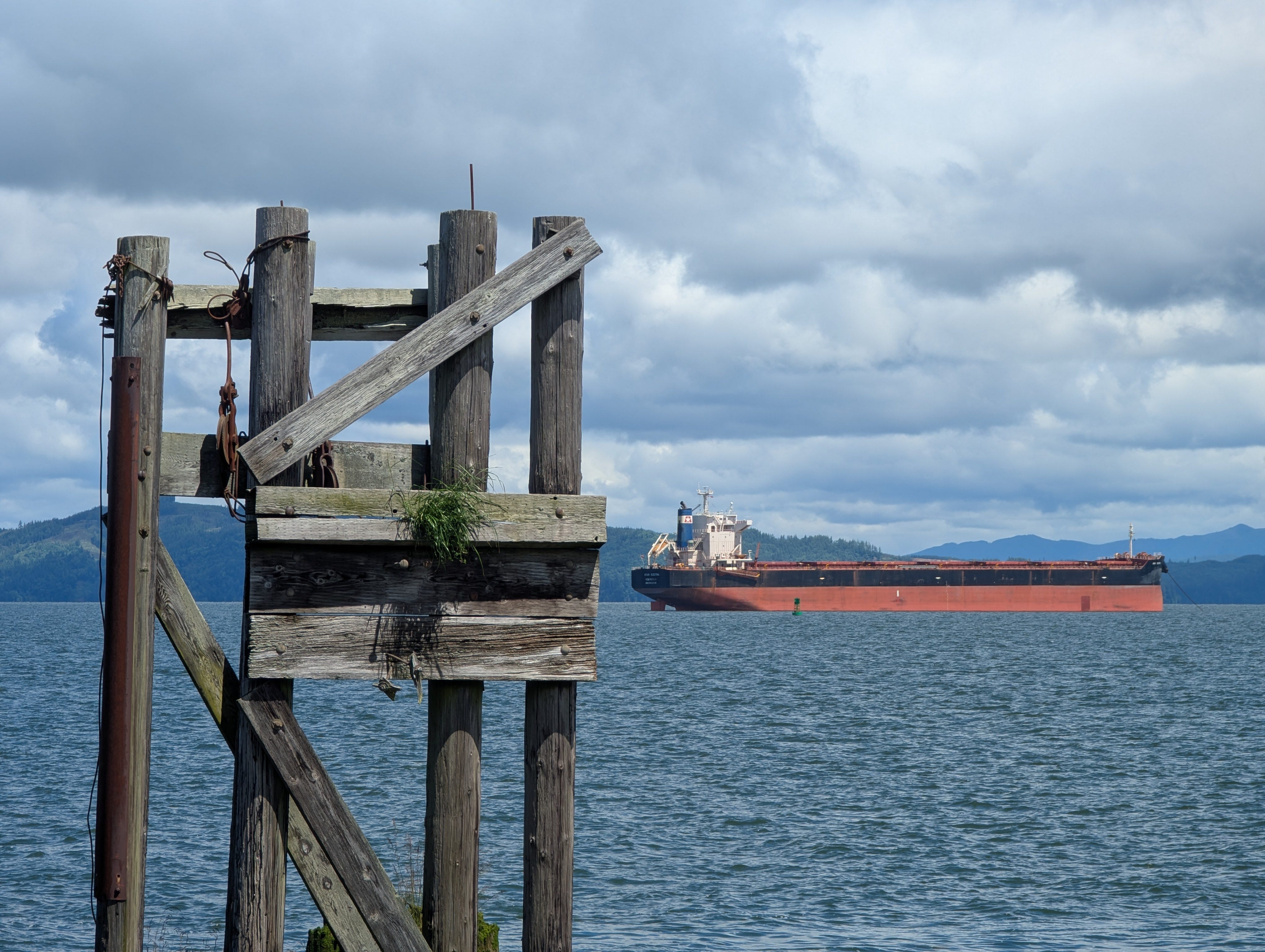
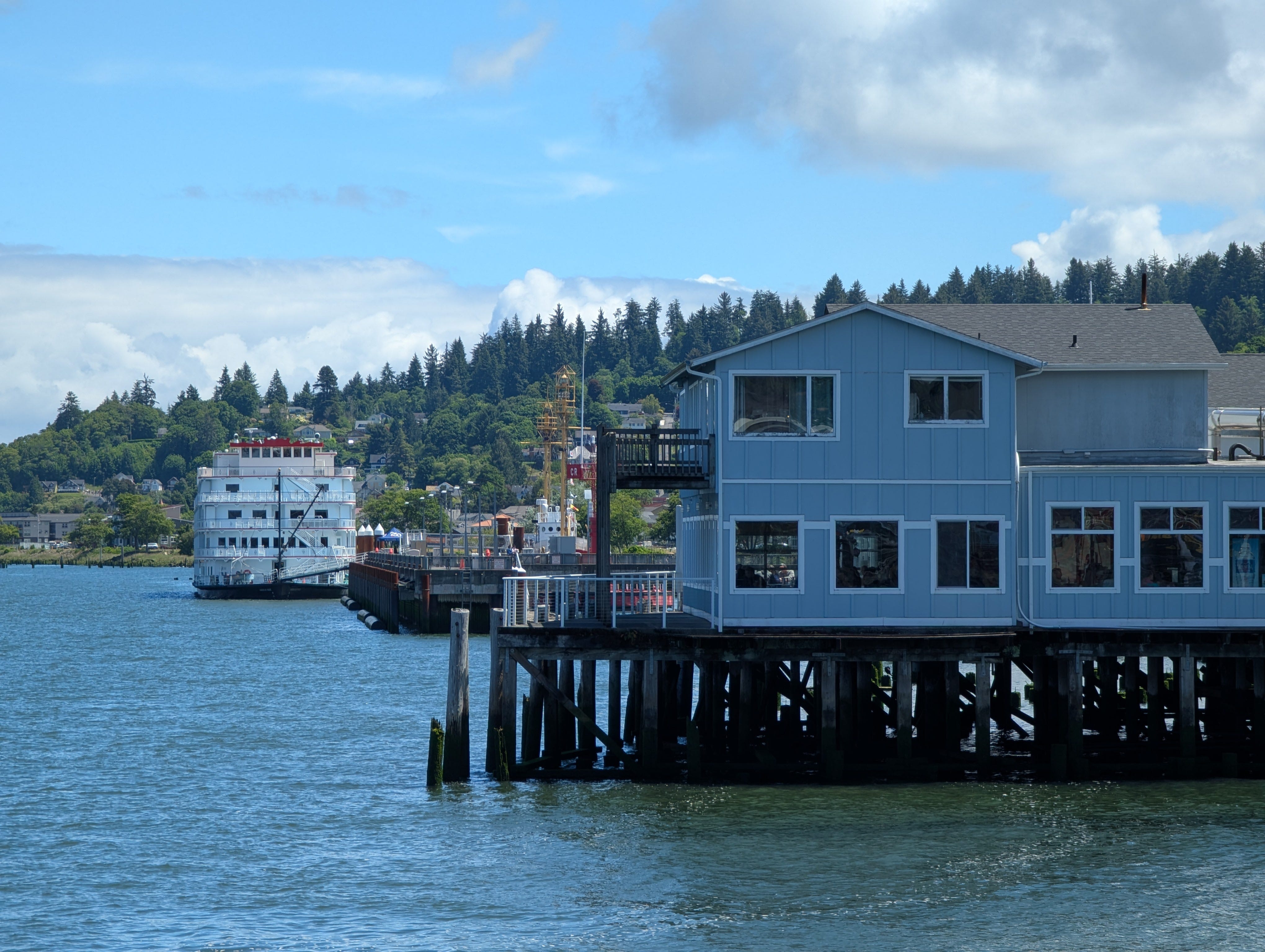
Having arrived in Astoria, some of us wandered down to an old pier near the pilot house, while Michael joined a queue for fish and chips. Astoria is on the mouth of the Columbia River and we could see several container vessels in the distance. The Astoria-Megler Bridge, the largest continual truss bridge in the US, was also visible.
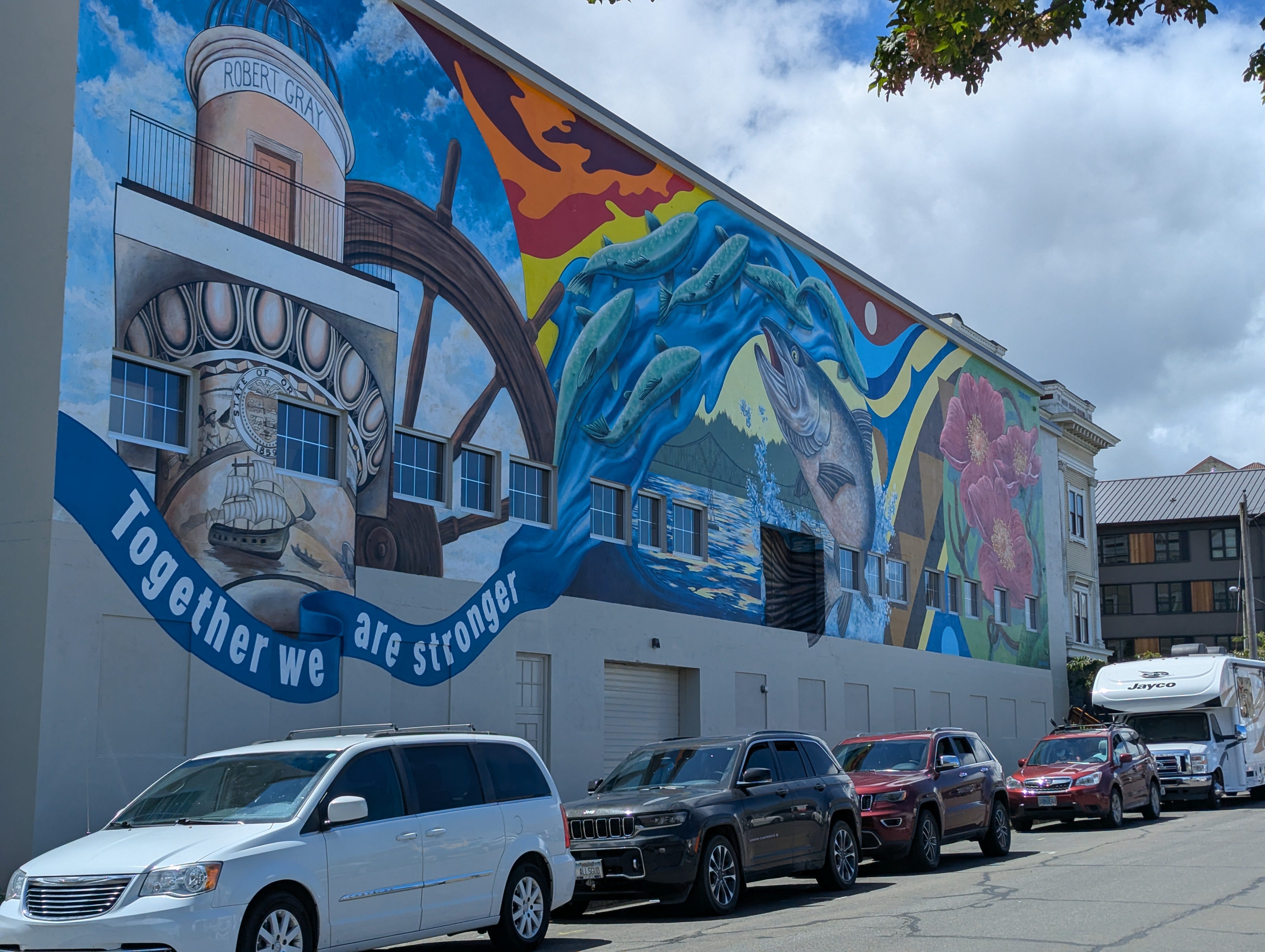
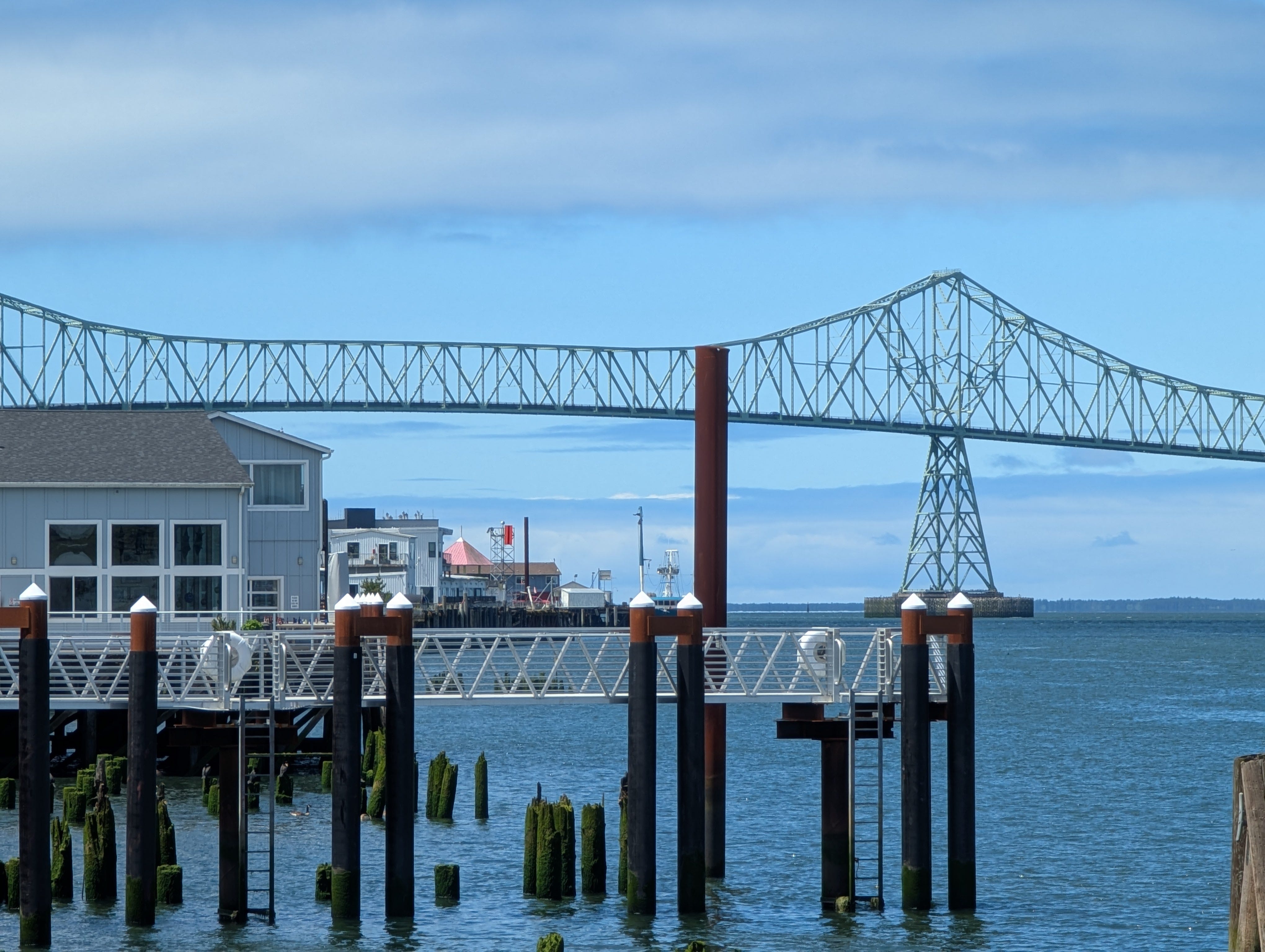
Astoria was founded in 1811 and was the first permanent American settlement west of the Rocky Mountains. It is named after John Jacob Astor, as is Astoria in Queens, New York. Astor made his fortune from the fur trade, and his company founded Astoria to control the lucrative fur trade in the region.
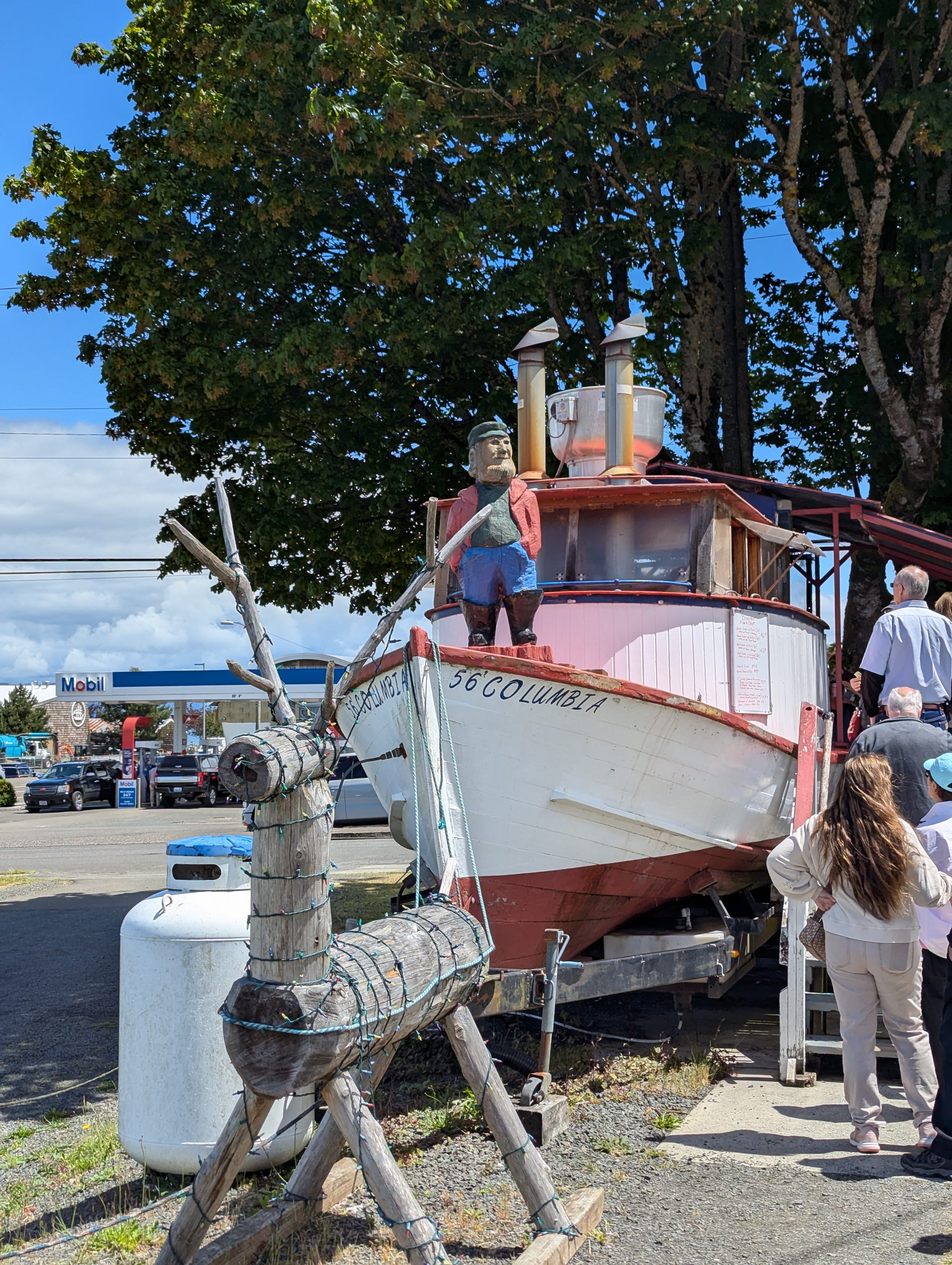
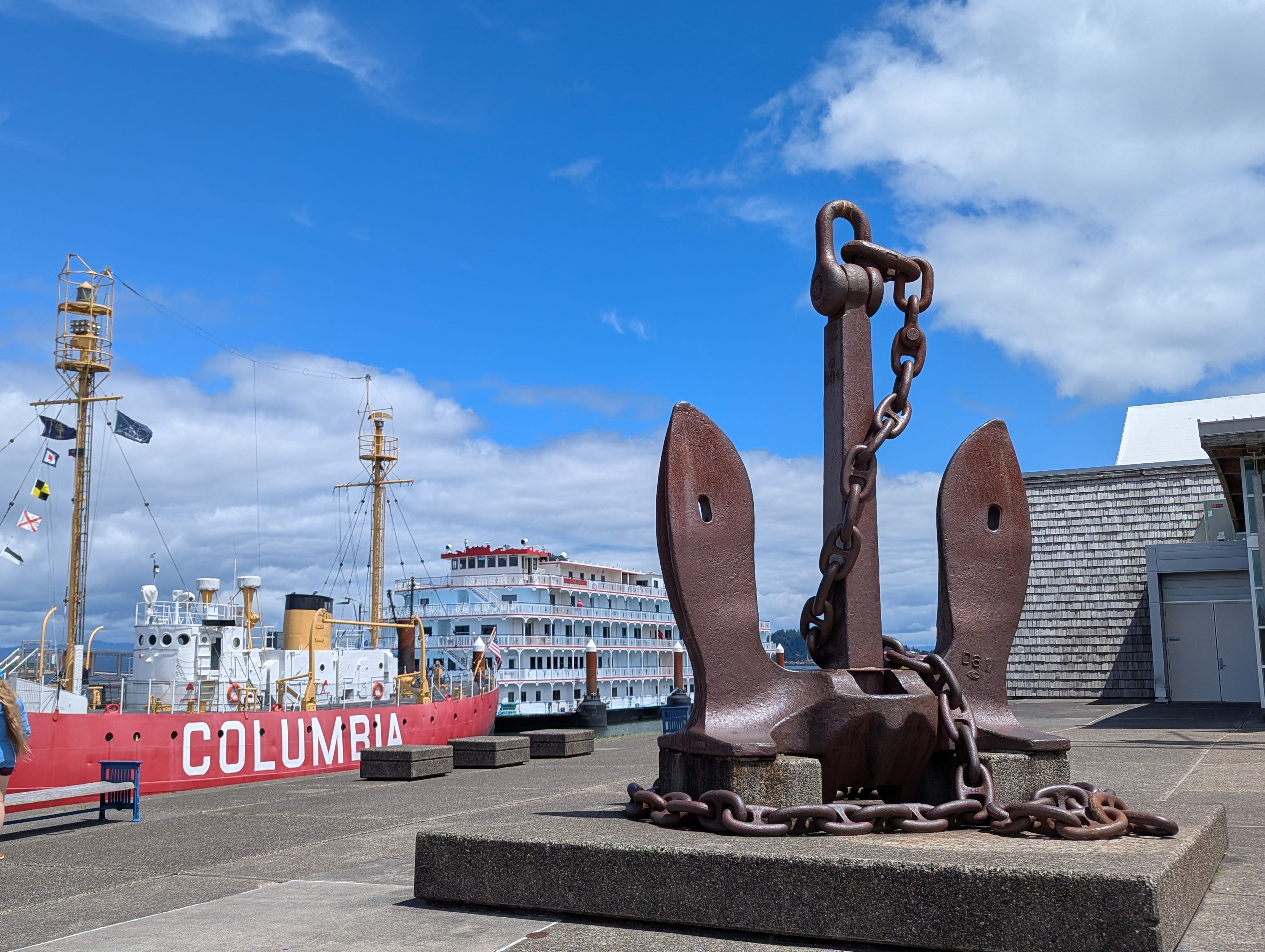
After enjoying some fish and chips, we went to the maritime museum. We started by exploring Columbia, a lightship that used to be stationed at the mouth of the river, but is now moored next to the museum. Spaces on the tour were limited, but several of the Lortzes very generously gave up their places on the tour and encouraged me to go.
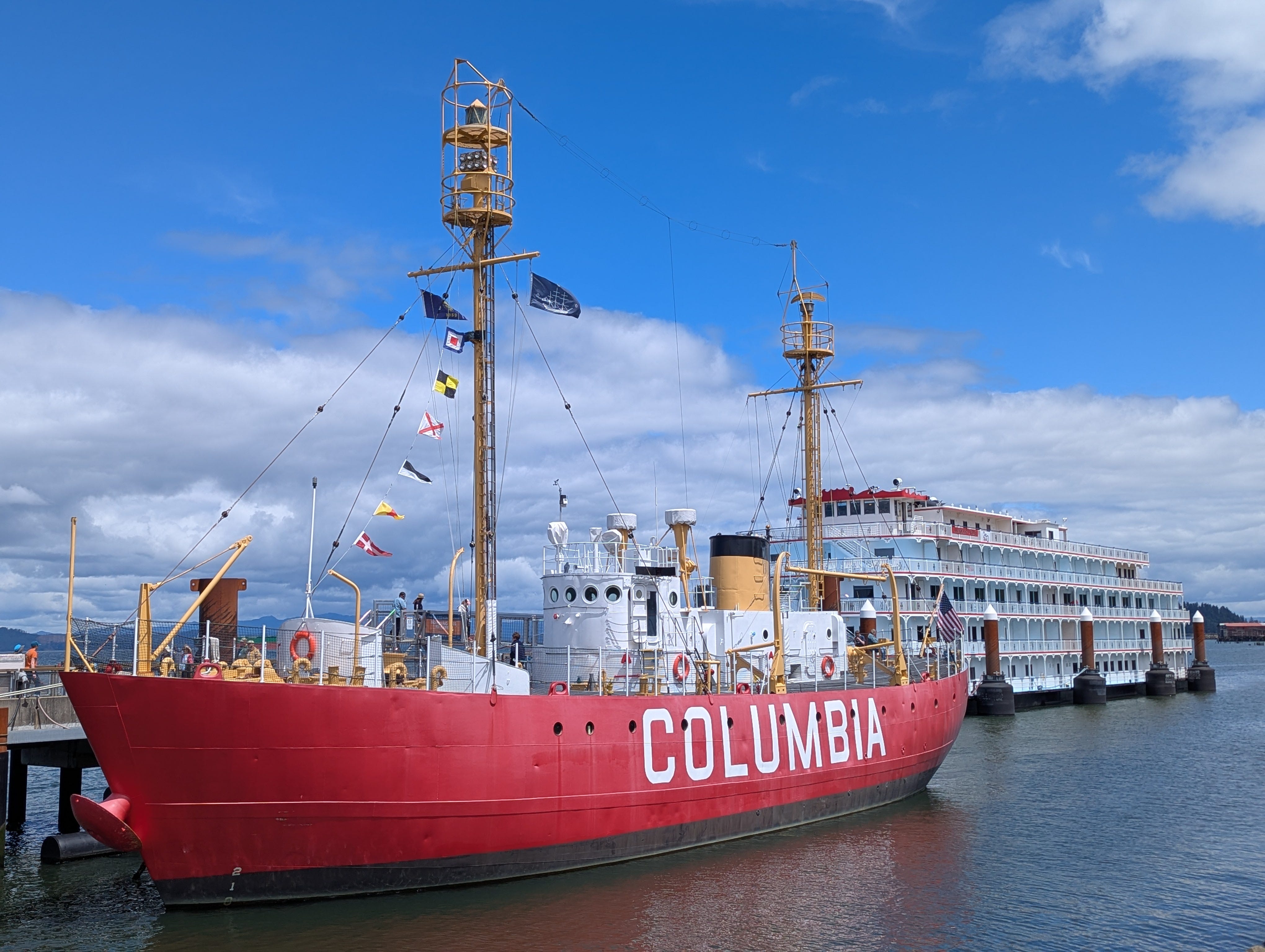
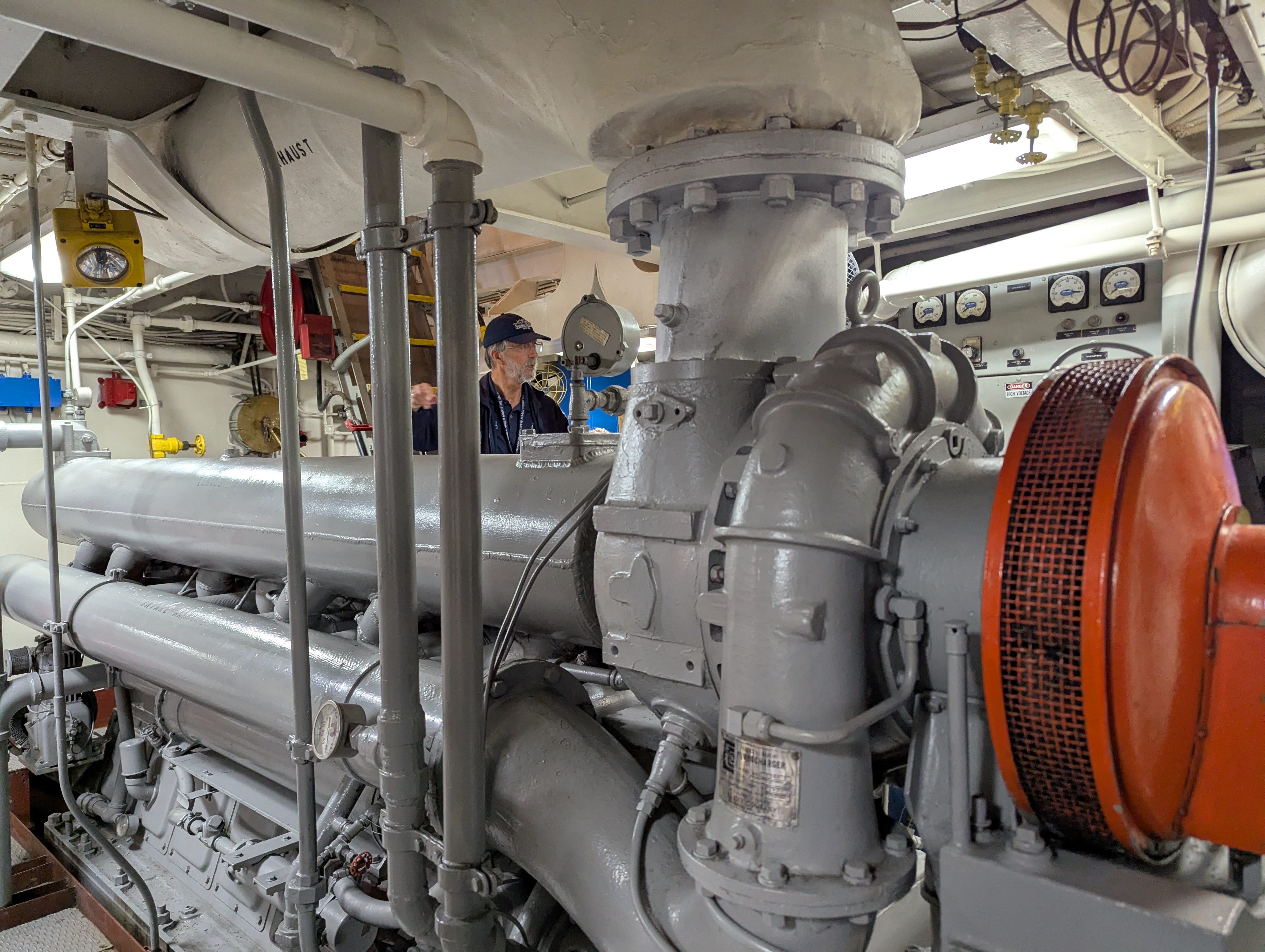
The tour of the lightship was fascinating, although life on board seems to have been relatively unexciting and unpleasant, with the foghorn and the noise of the engine disturbing the sleep of the crew, and its largely stationary position offering less variety than most crews would enjoy.
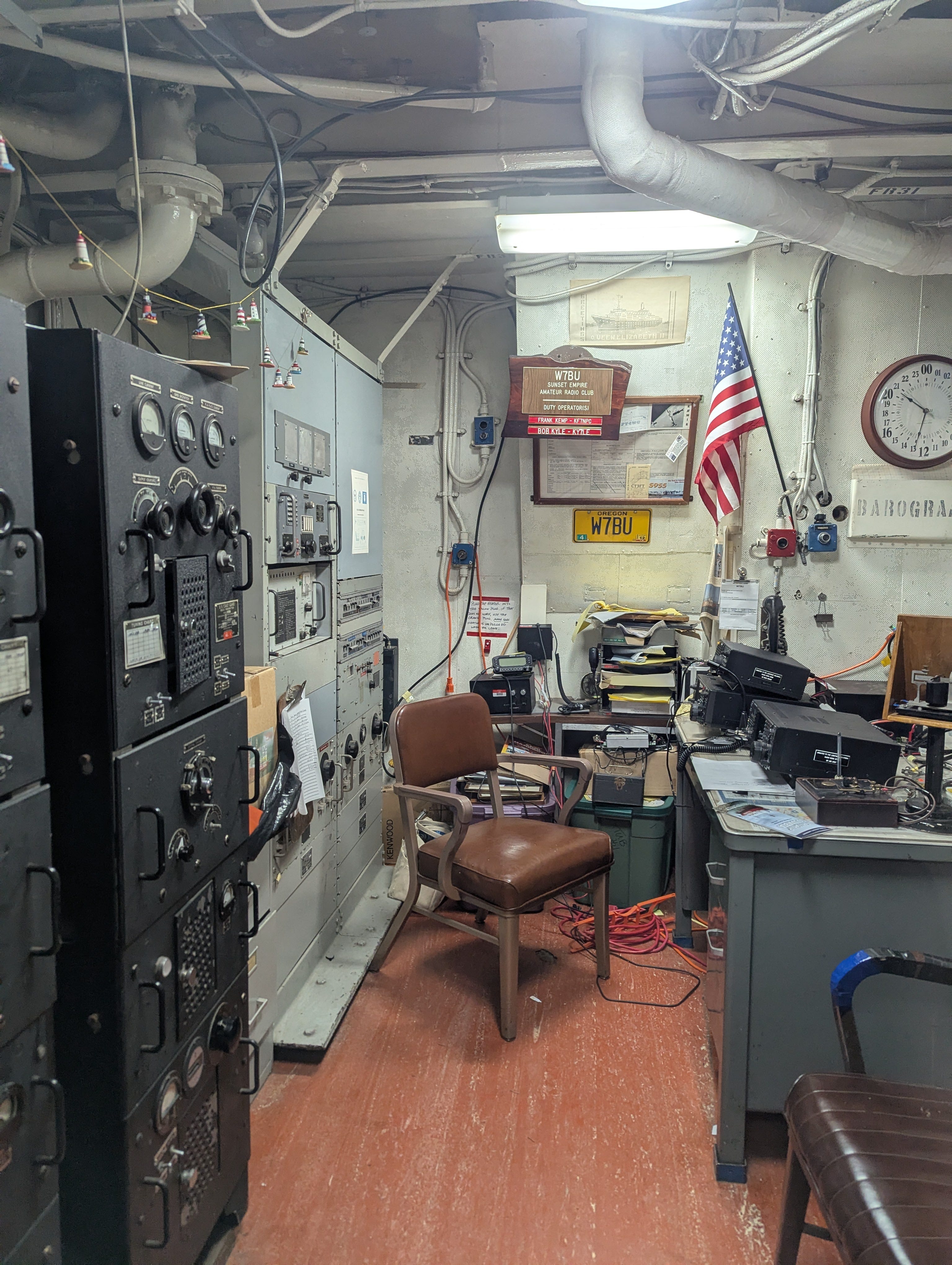
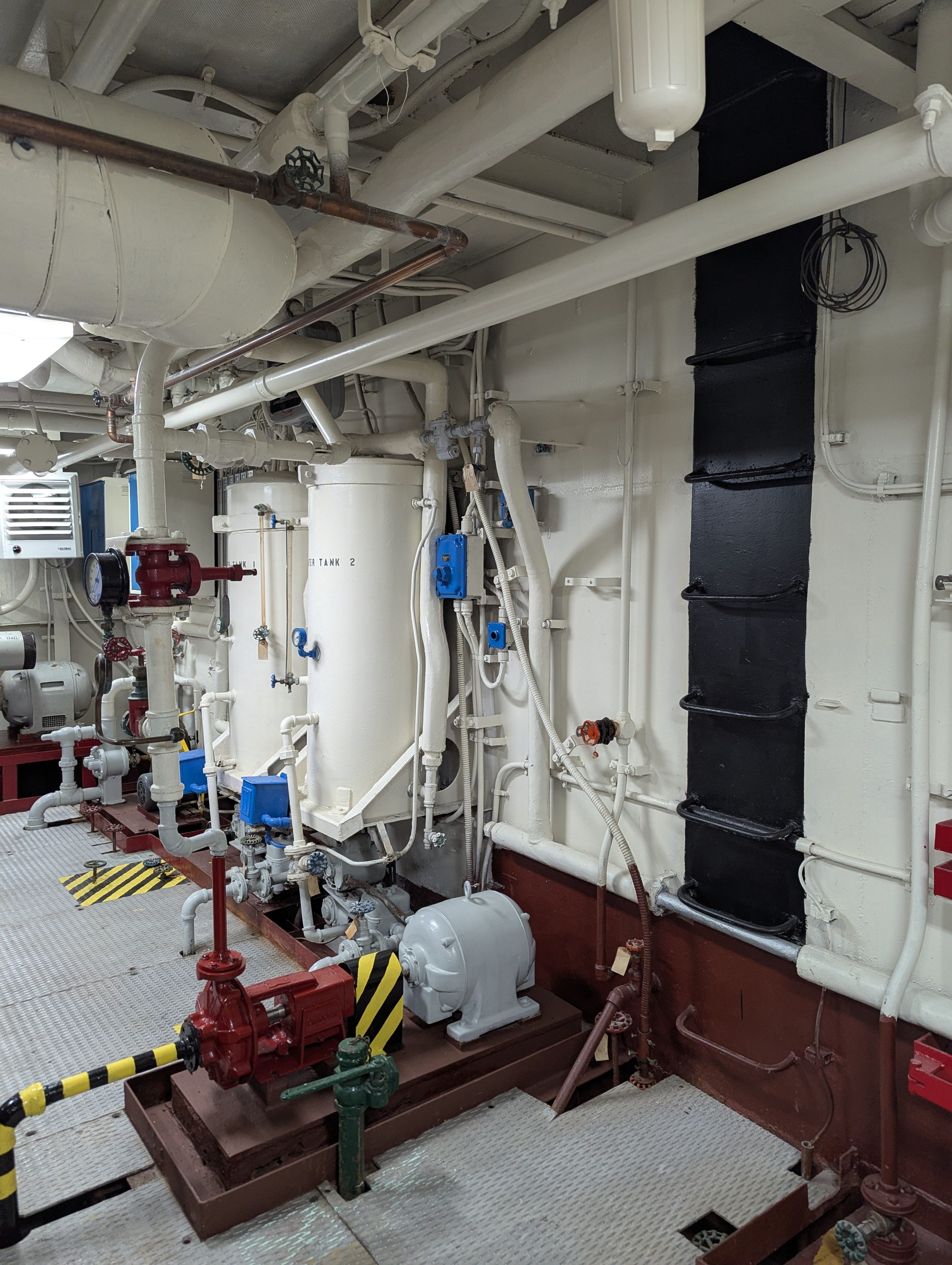
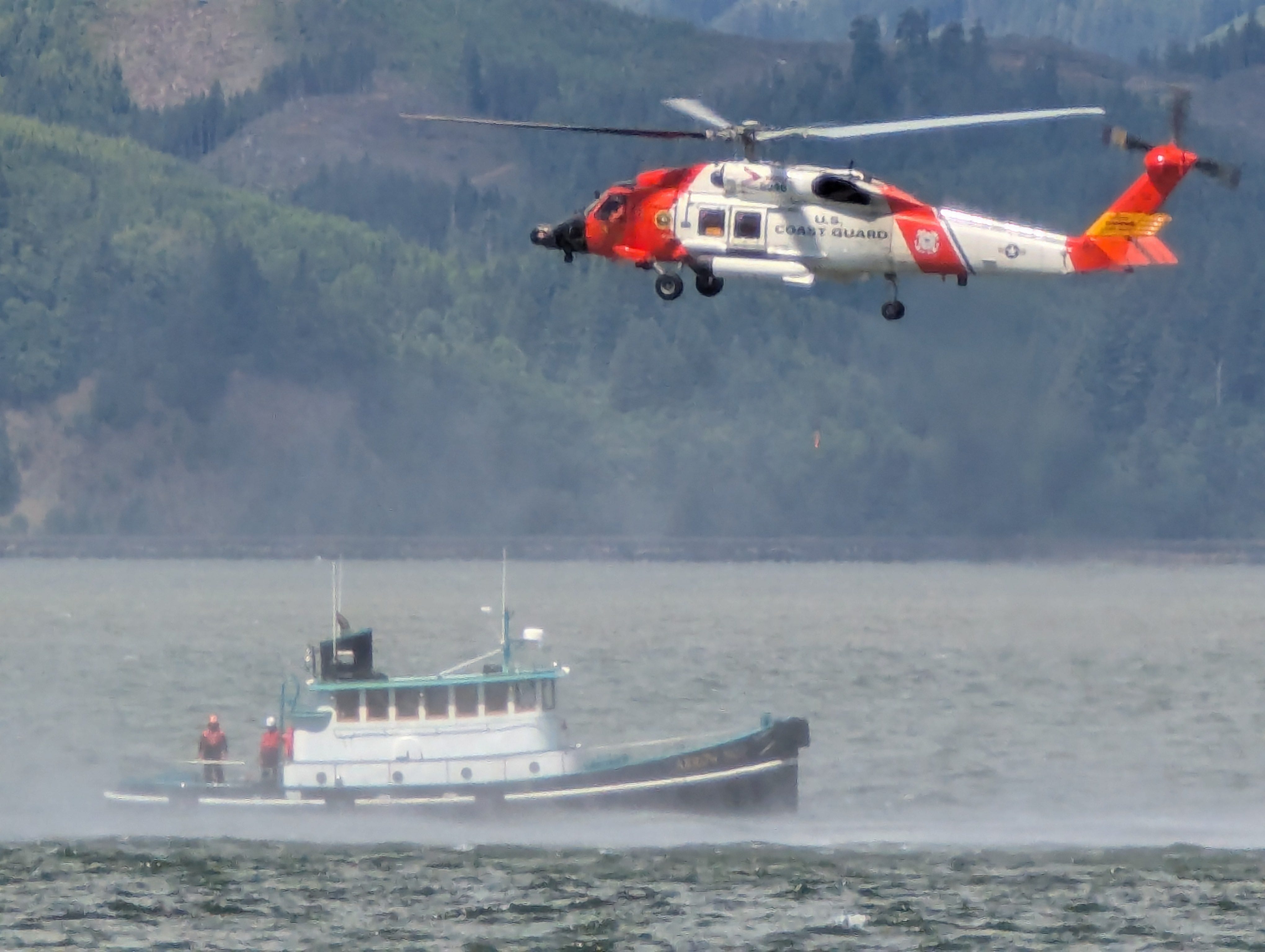
Leaving the ship, we saw a coast guard helicopter performing what looked like a test with a boat in the river.
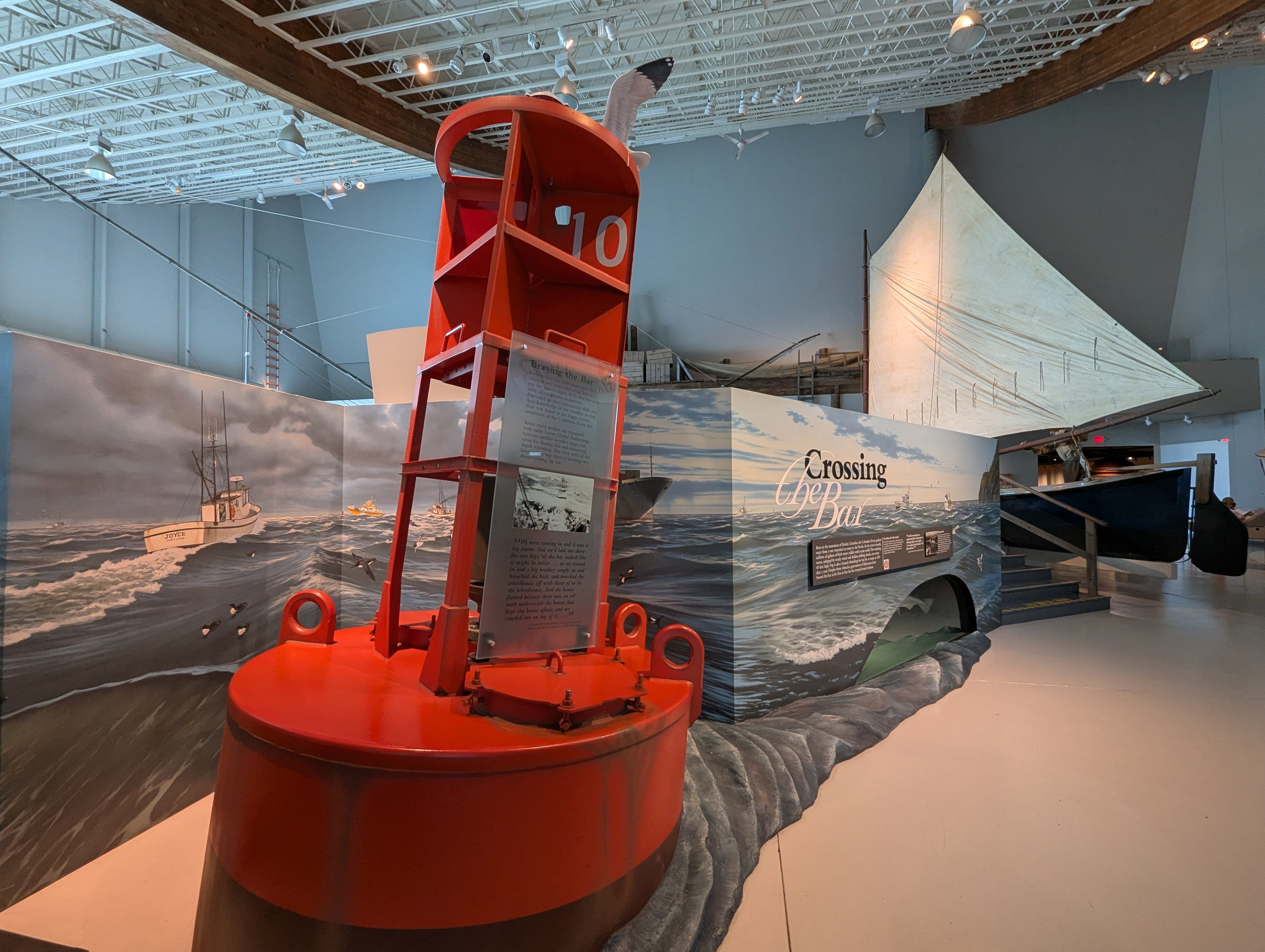
I was very impressed by the museum and its displays. The first part of it was devoted to the treacherous area of the Columbia Bar, where the river meets the Pacific Ocean. Hundreds of lives have been lost to shipwrecks in this area.
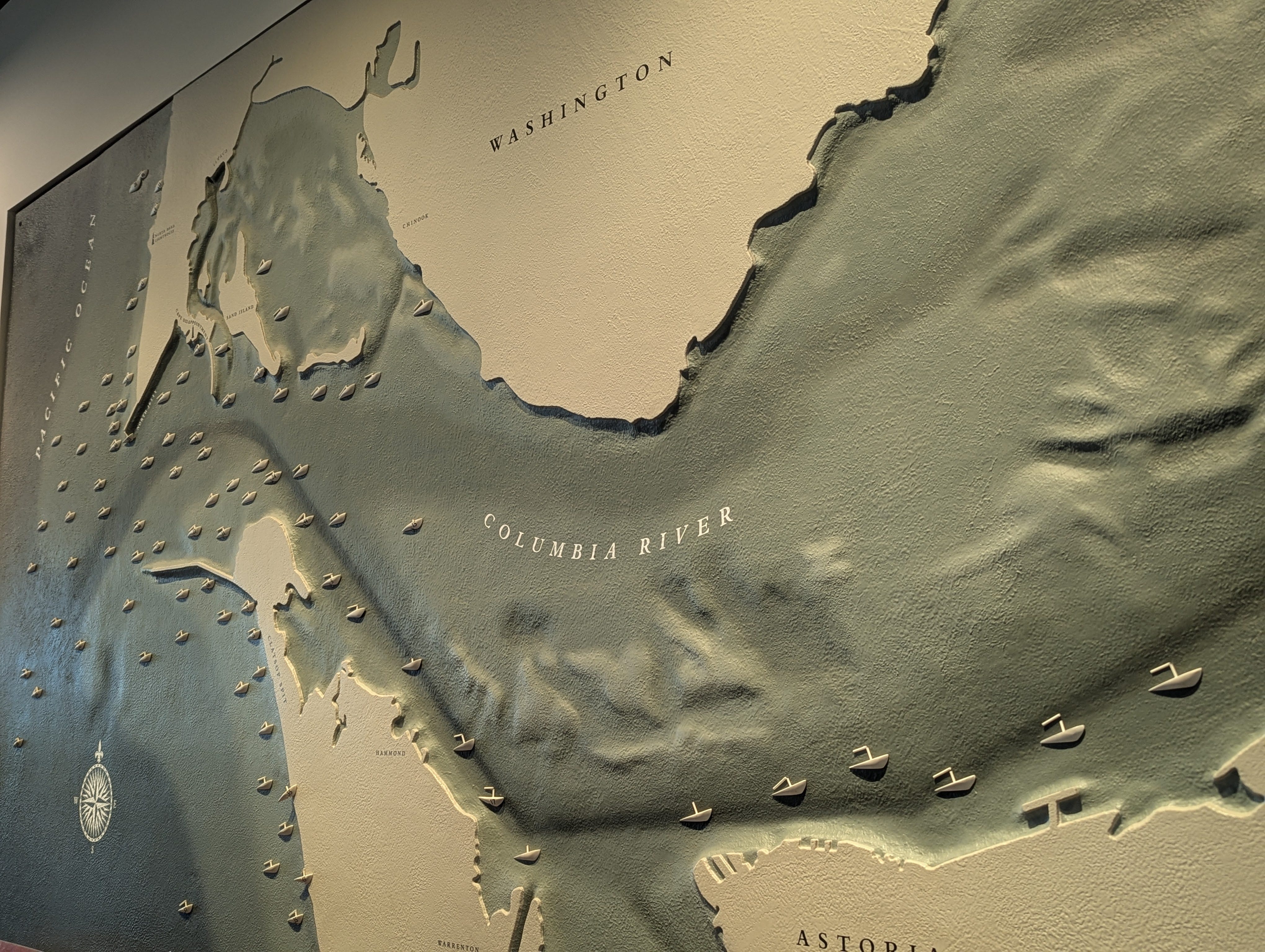
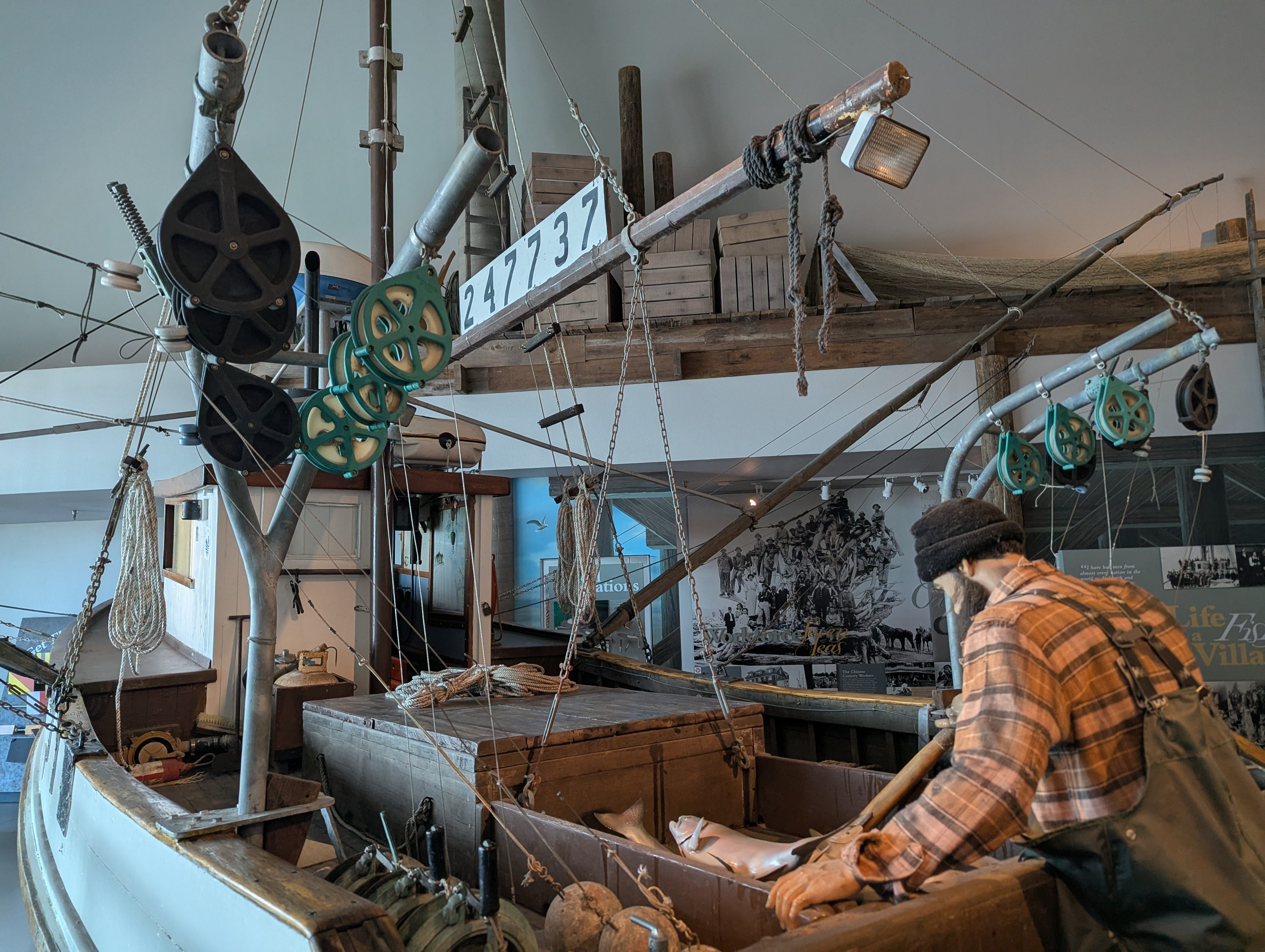
There were several further fascinating exhibits in the museum. As Susannah was not with me, I felt that I needed to visit as many maritime-related things as possible, in order to excite her fear of missing out, so that she would join me next time! Trips to maritime museums and the like would be a recurring theme of my weeks away from her.
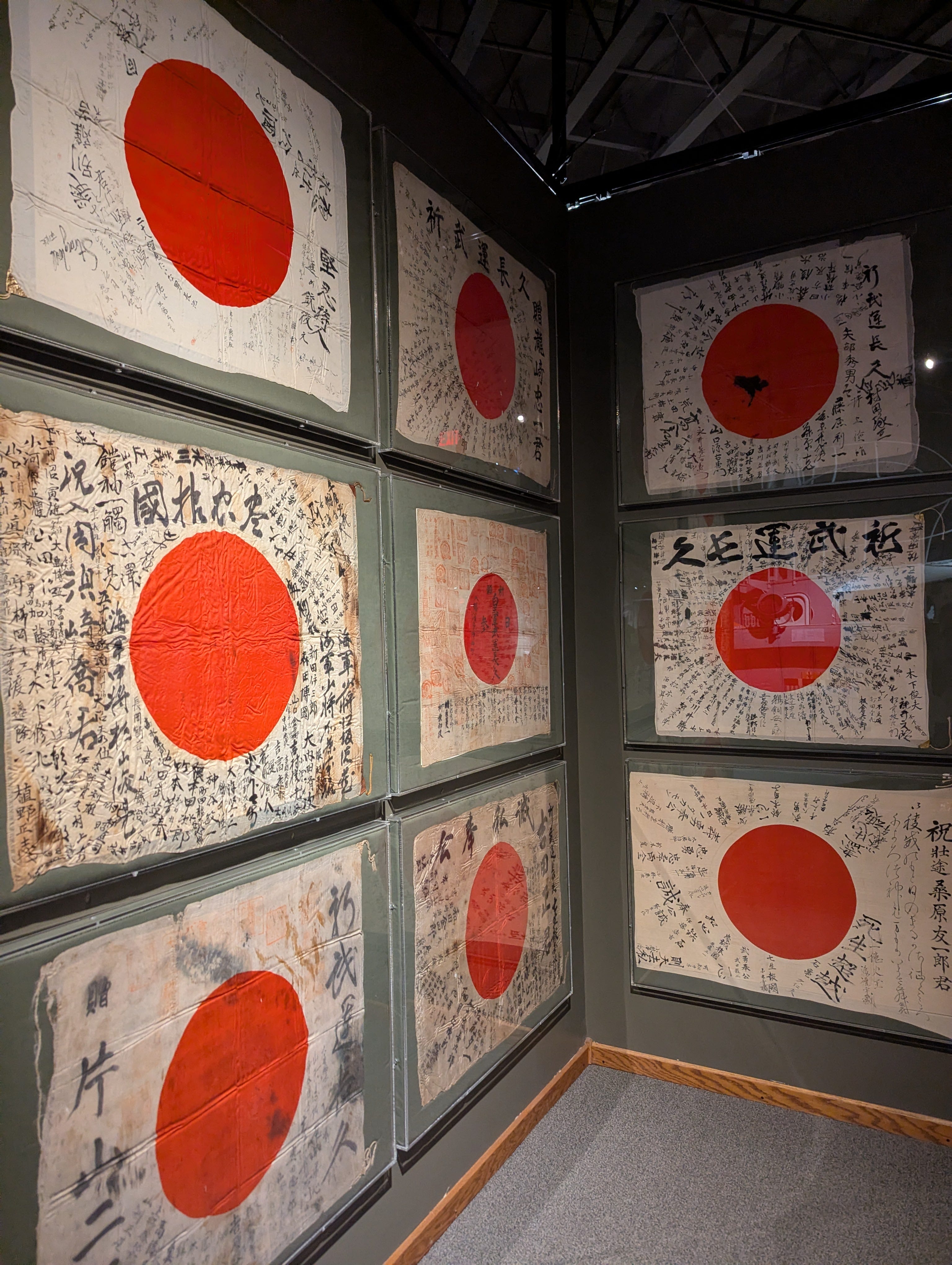
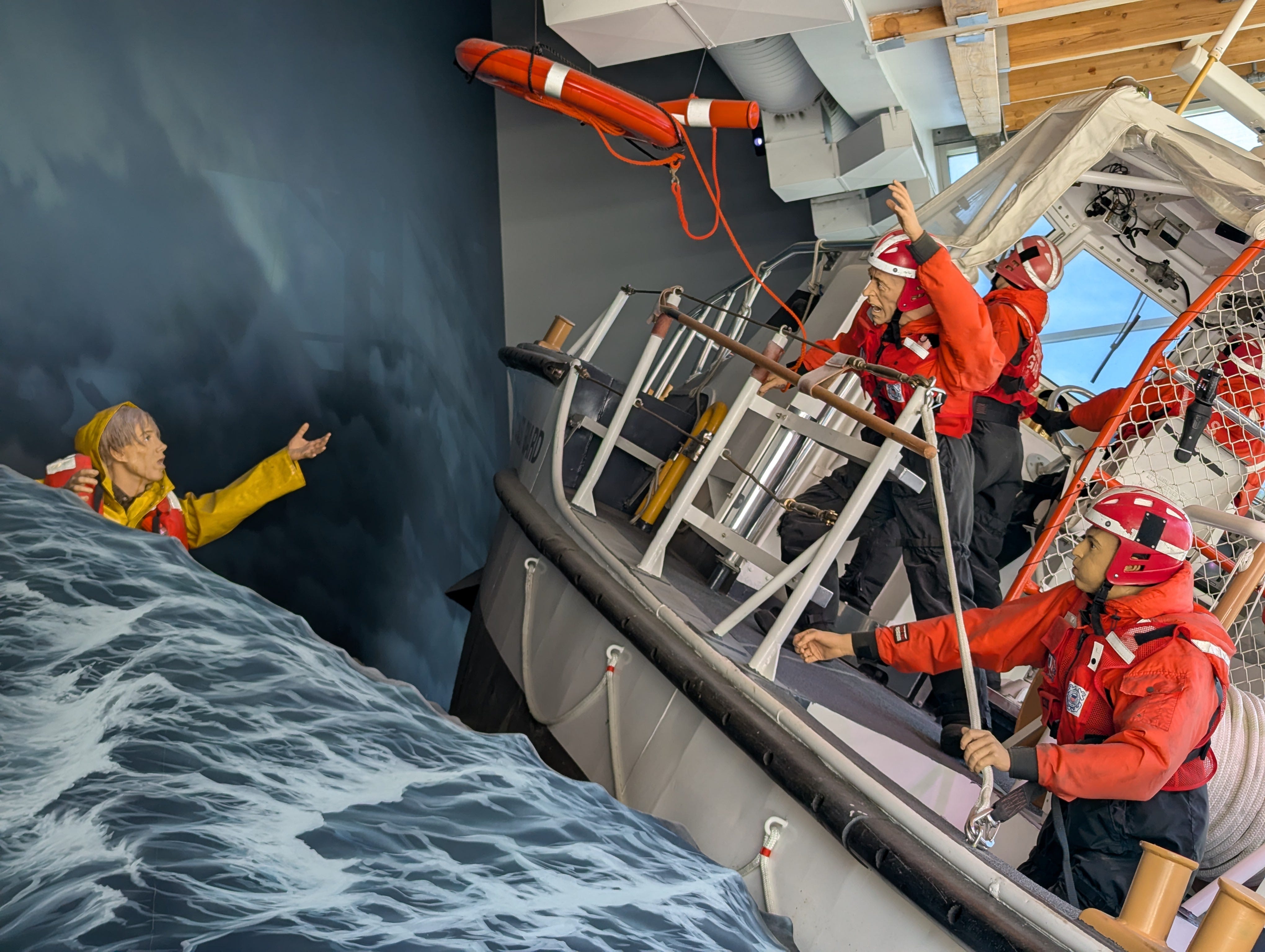
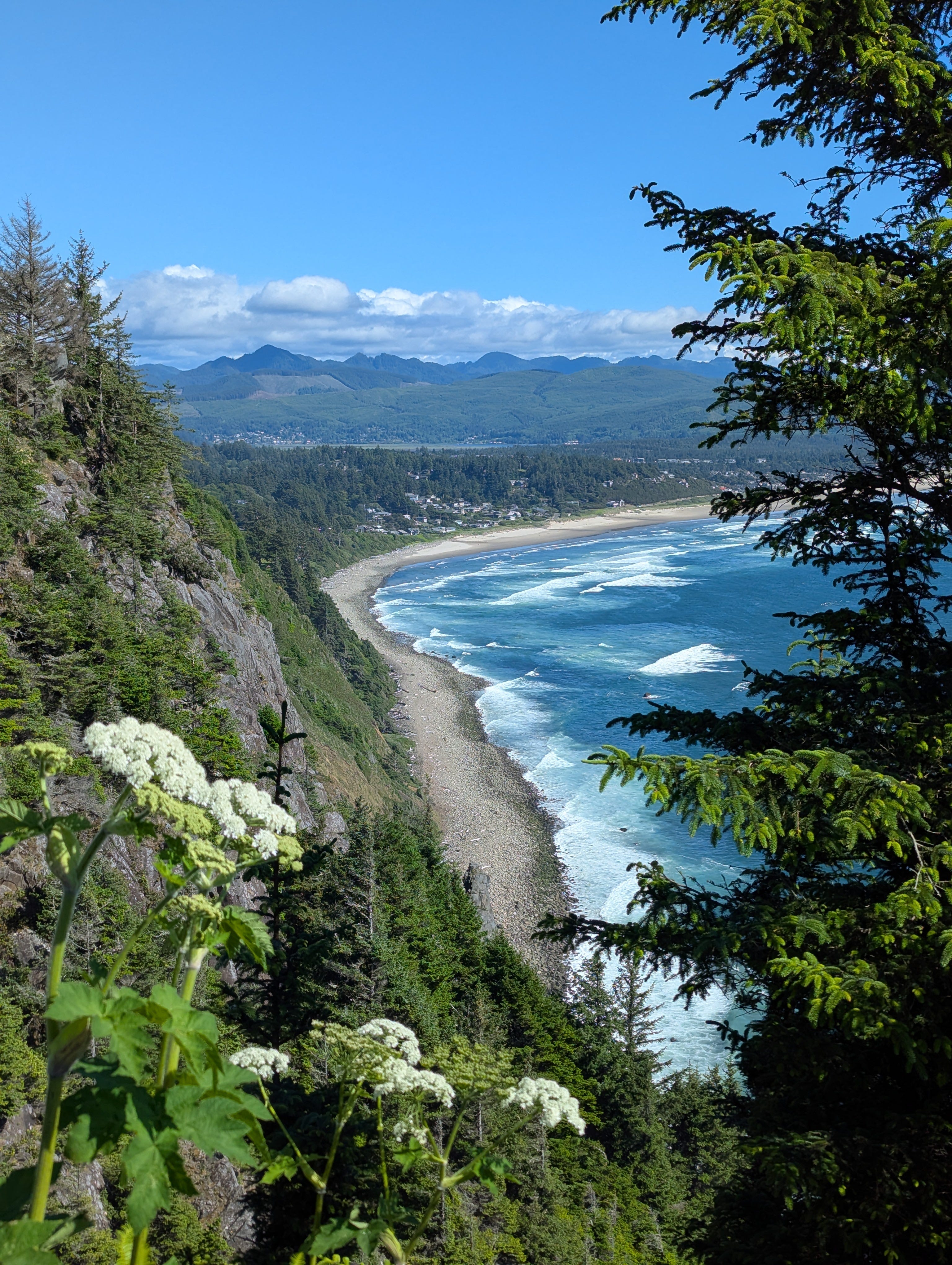
On the drive back, we stopped off at a viewing point, and then at a sweet shop in one of the towns we passed through.
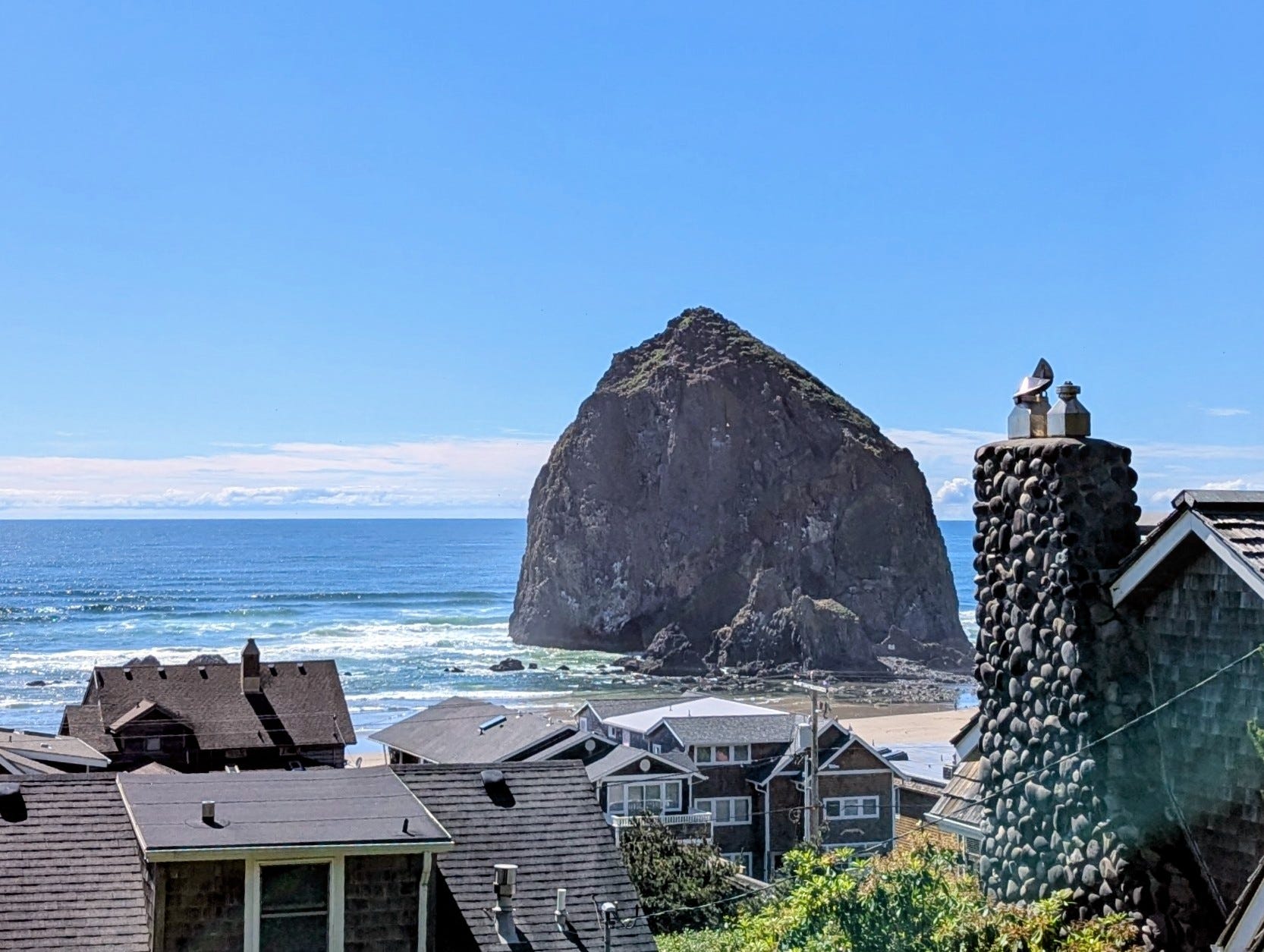
The next day, we went to the nearby town of Garibaldi for a meal.
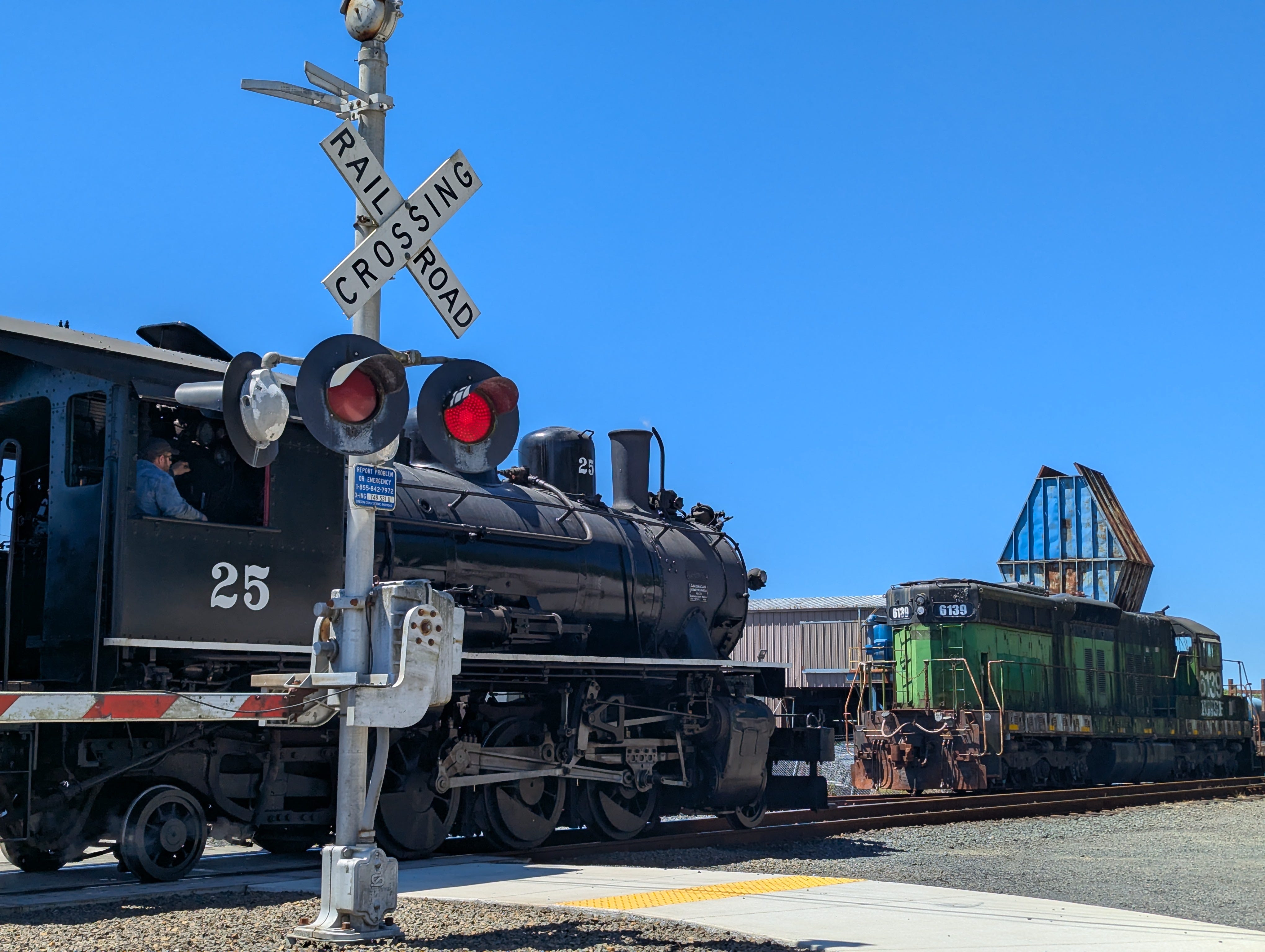
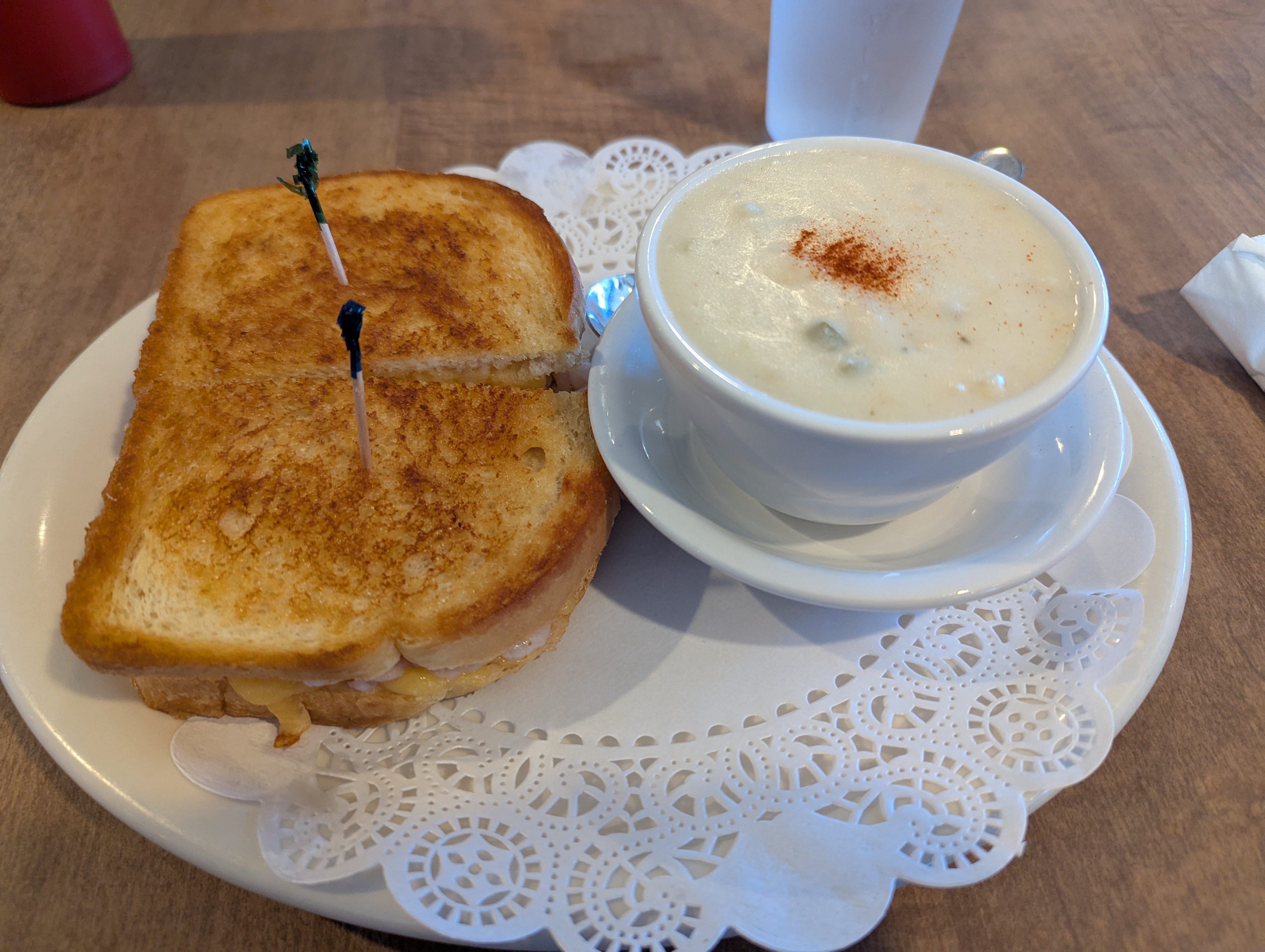
After the meal, we visited the nearby marina and its fish market, seeing lots of different kinds of fish and Dungeness crabs. We also visited a myrtlewood store.
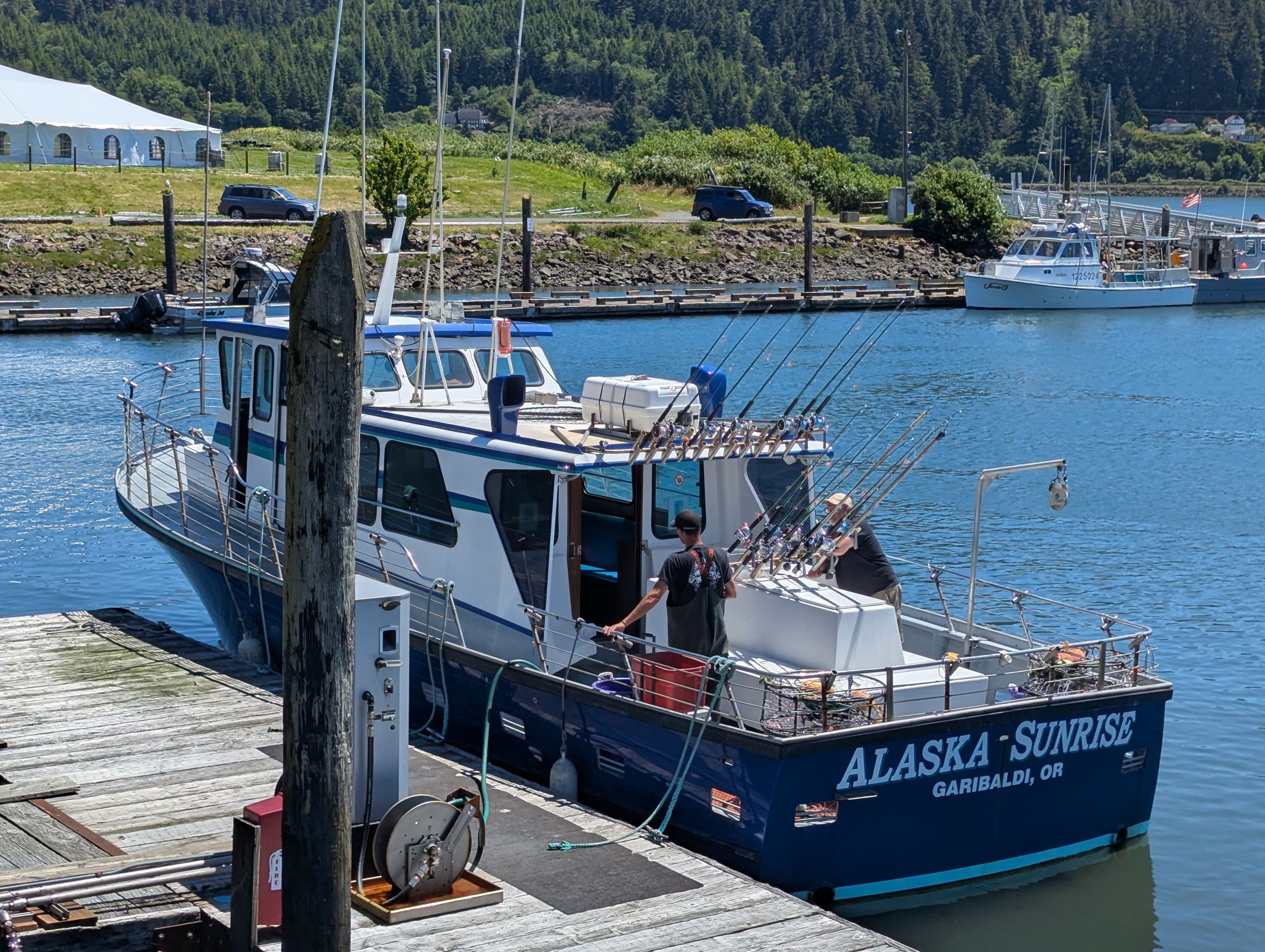
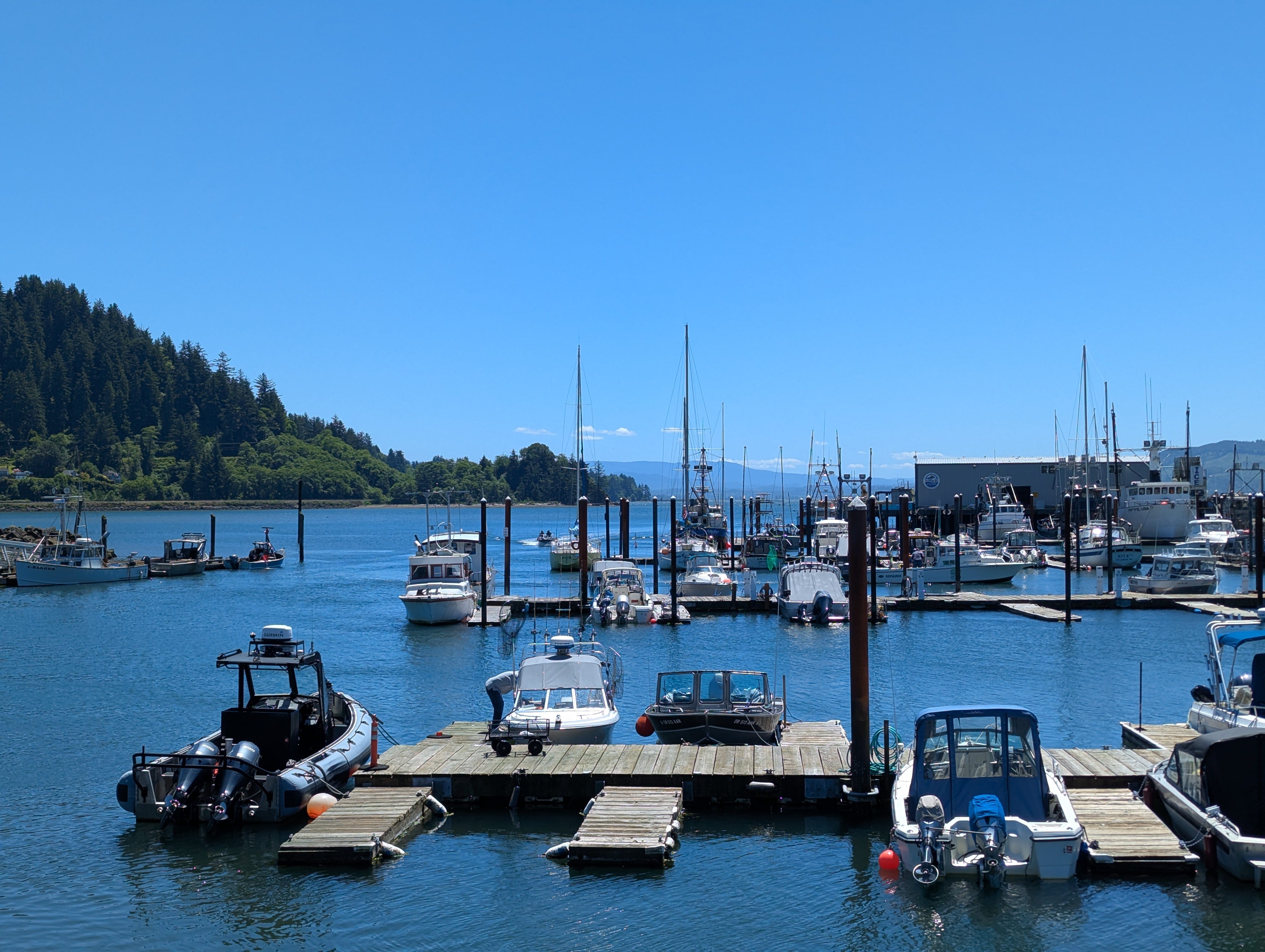
Later that afternoon, I needed to stretch my legs and clear my head, so went for a long walk along the beach.
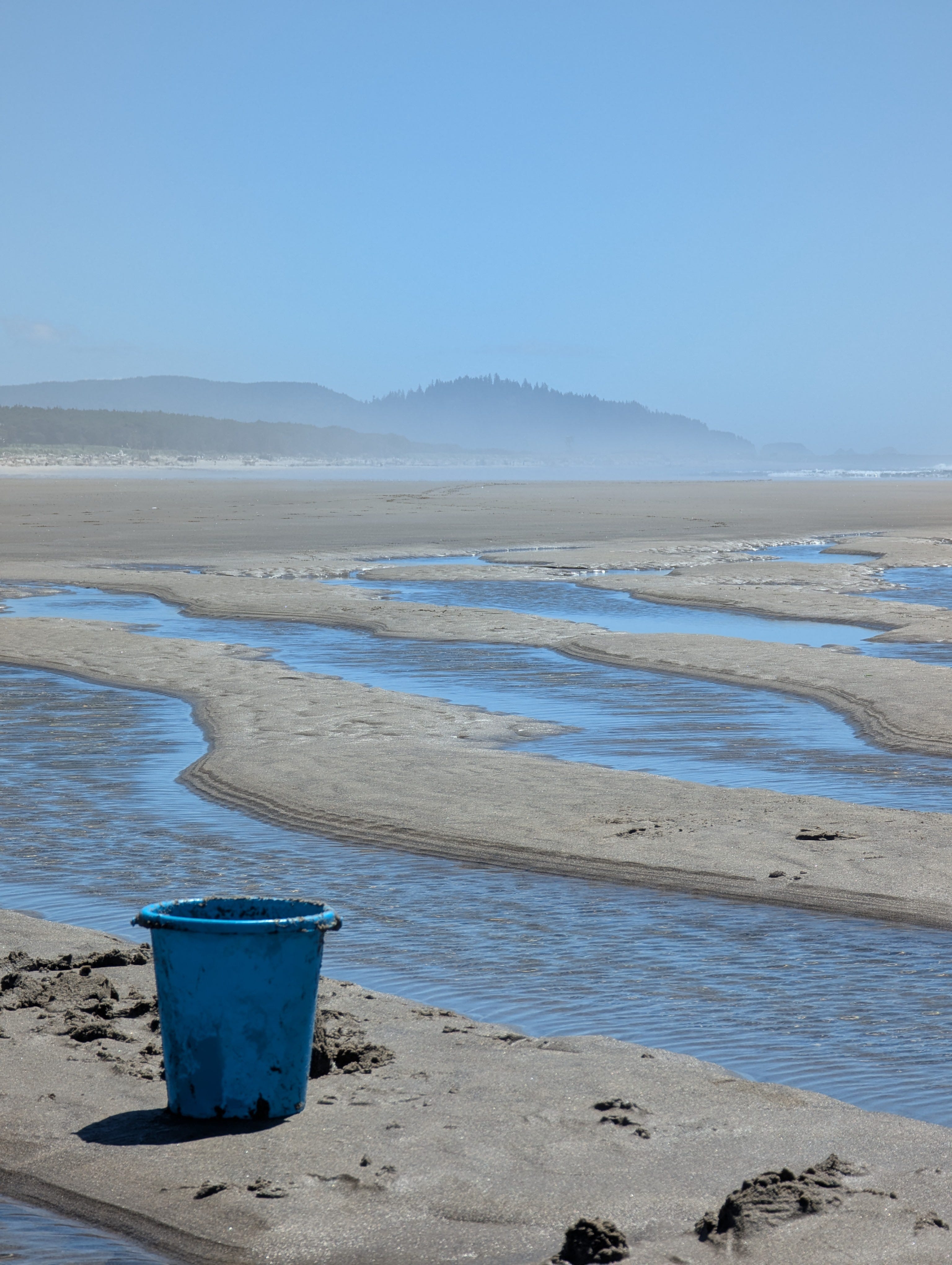
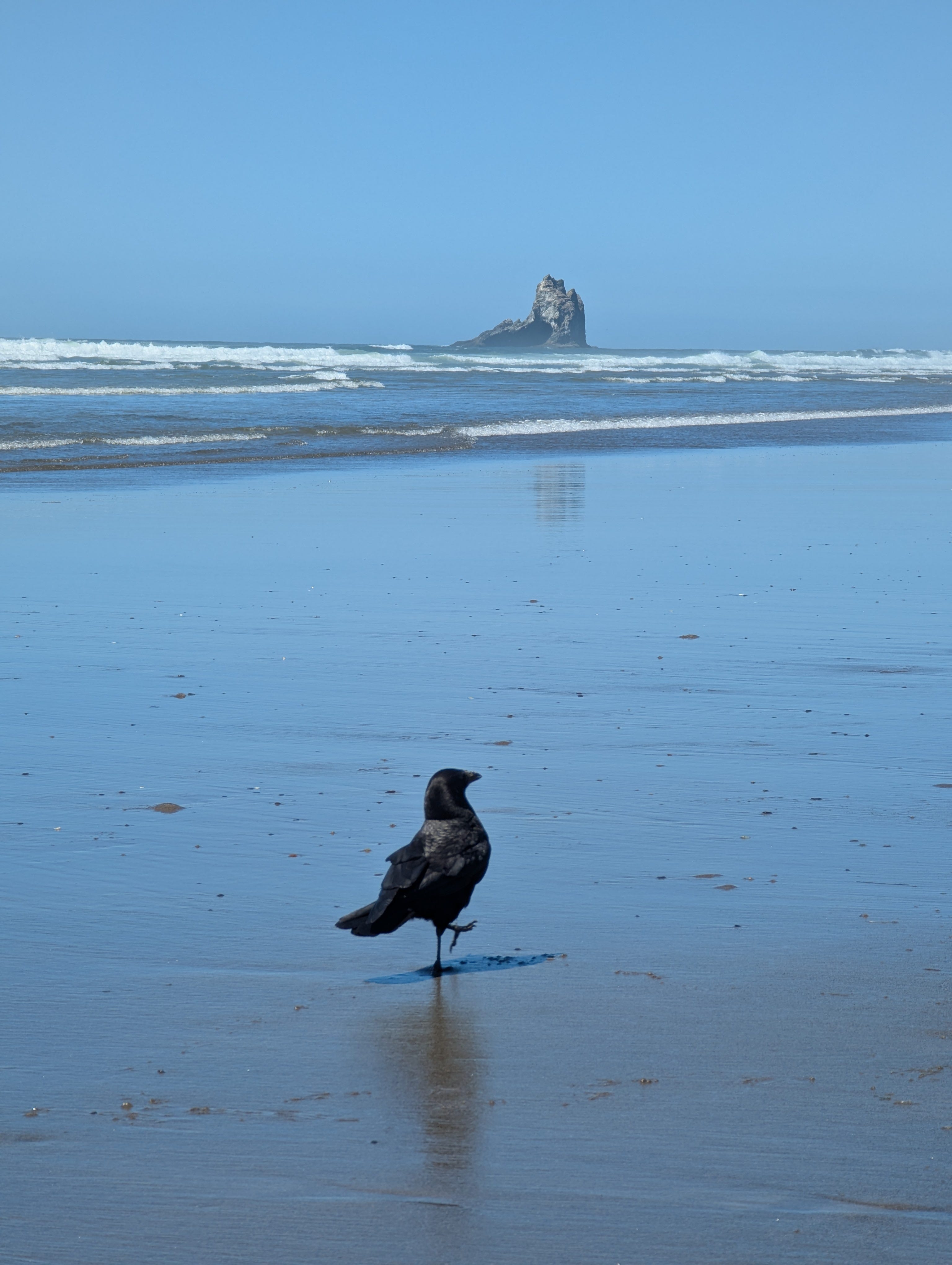
The weather was splendid and the beach, though vast, was almost completely deserted.
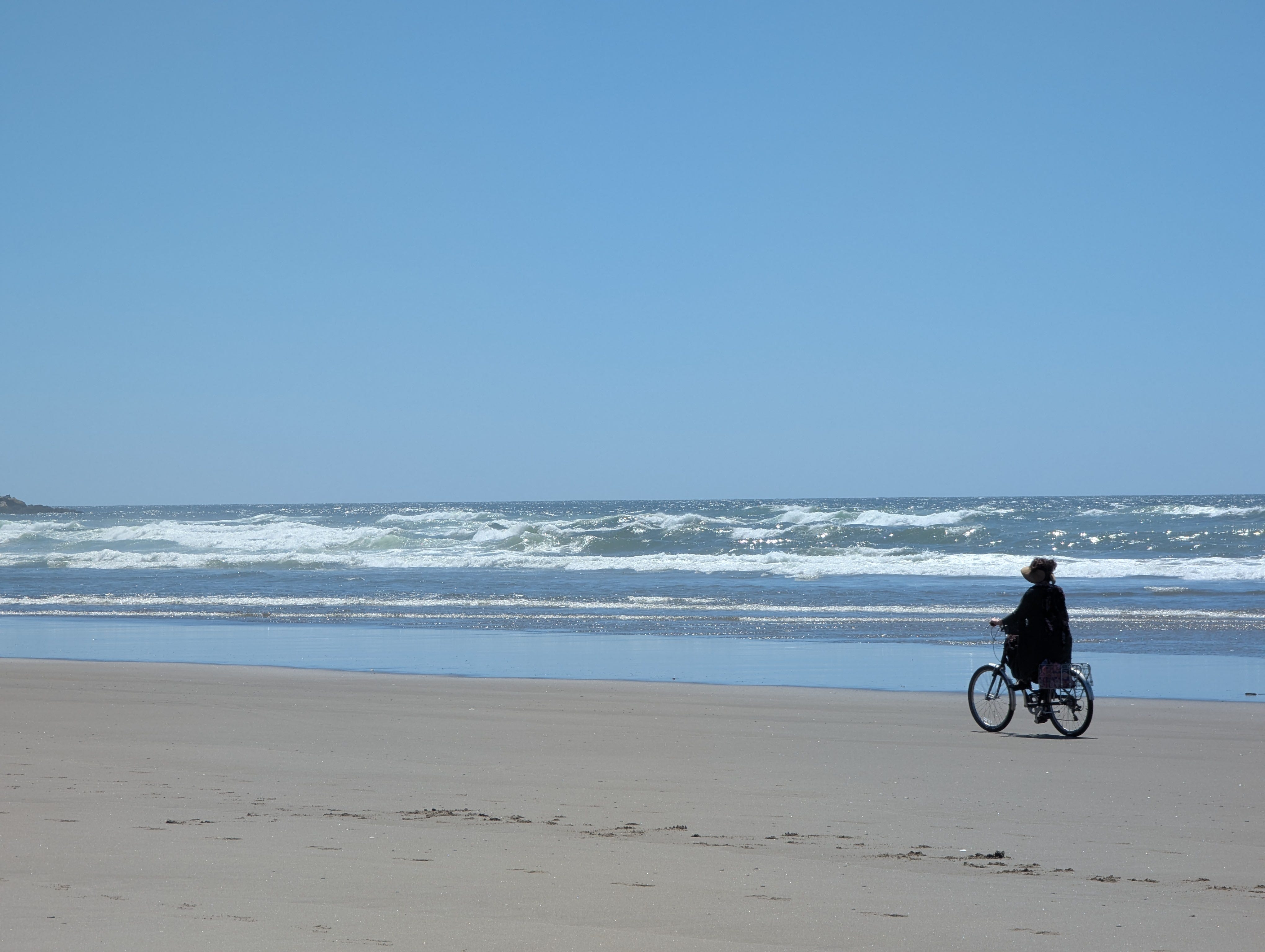
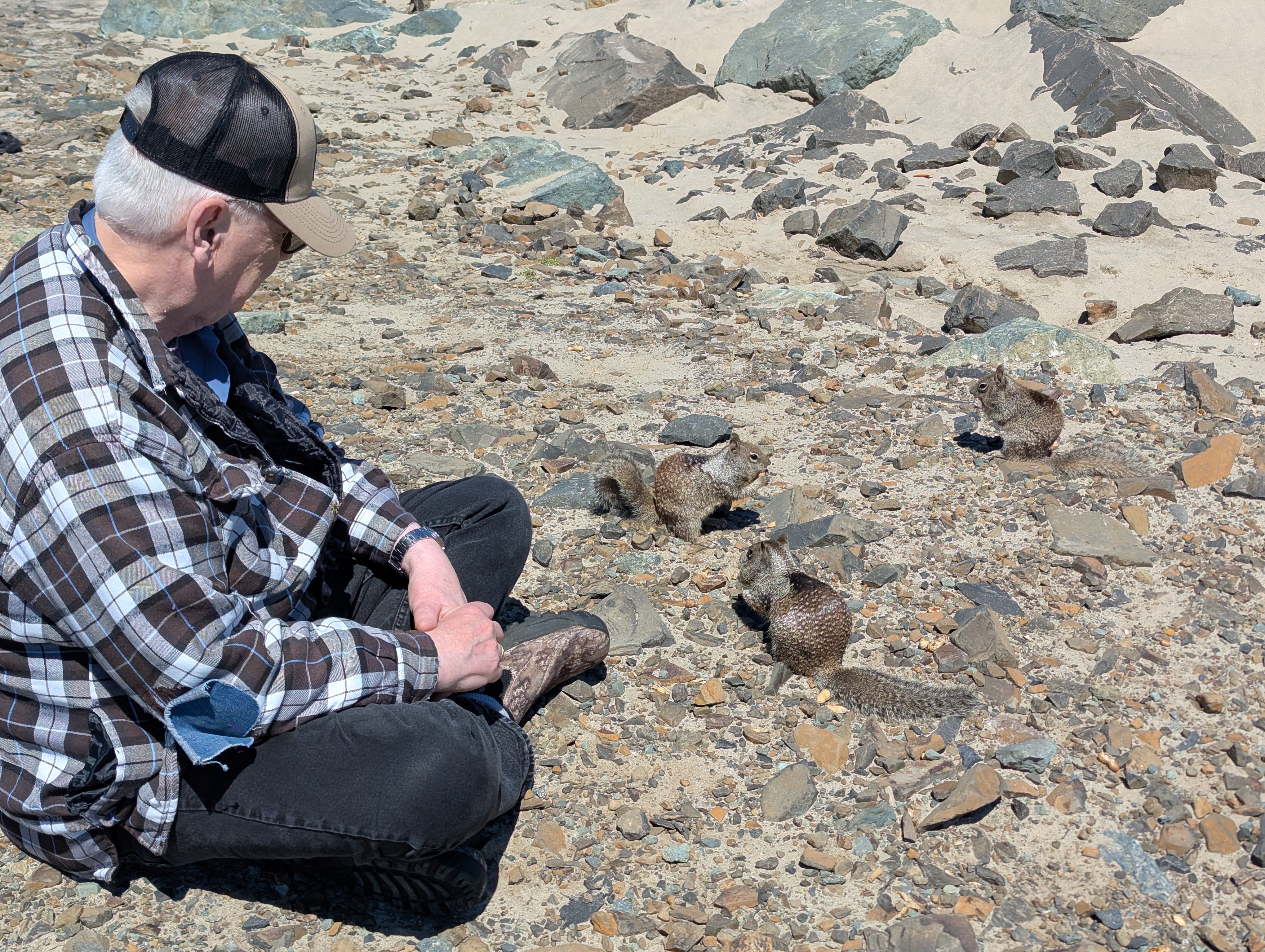
I walked until the end of the beach, where it met the jetty, where I found several friendly squirrels, who had gathered around a man who was feeding them nuts.
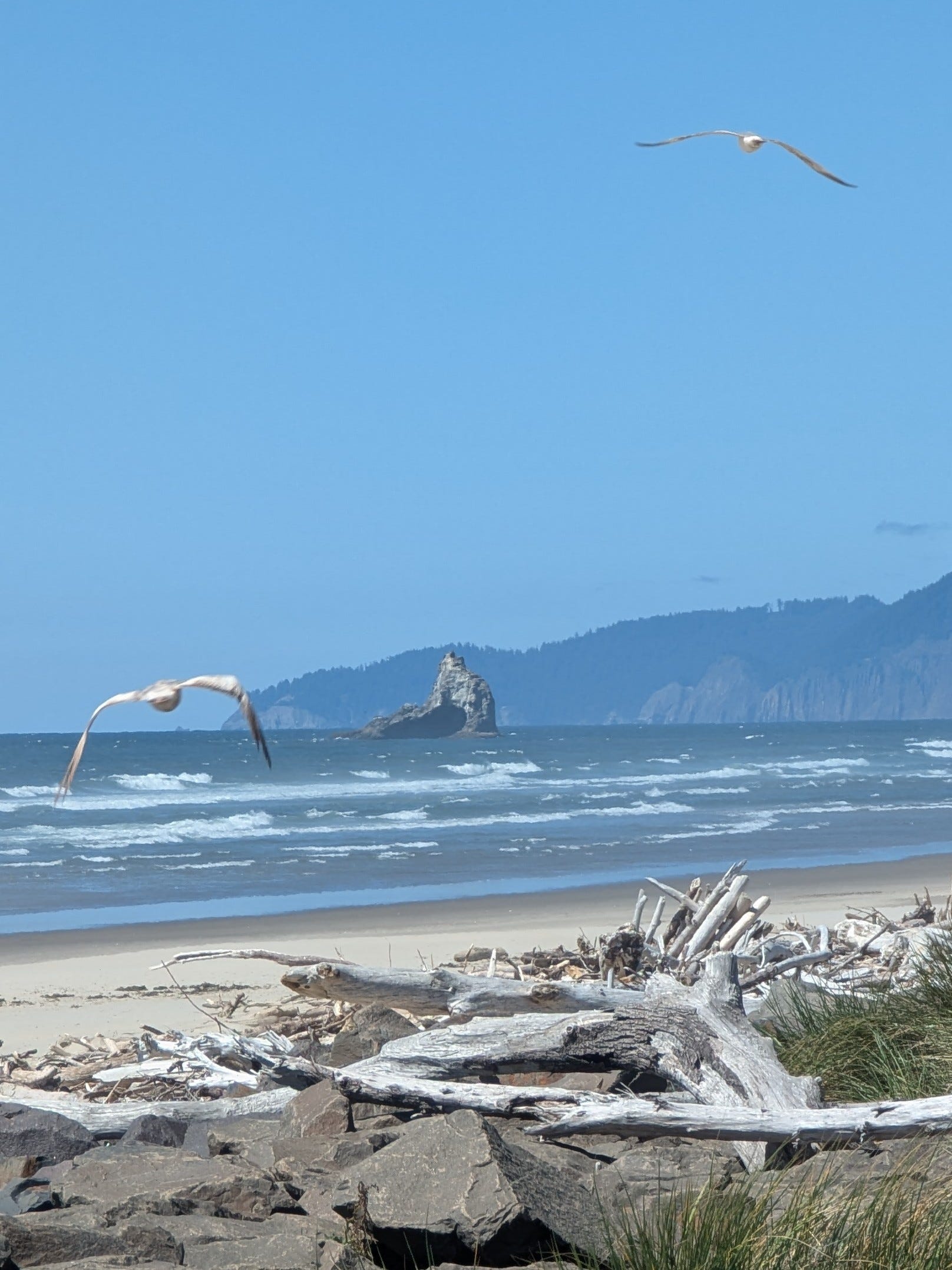
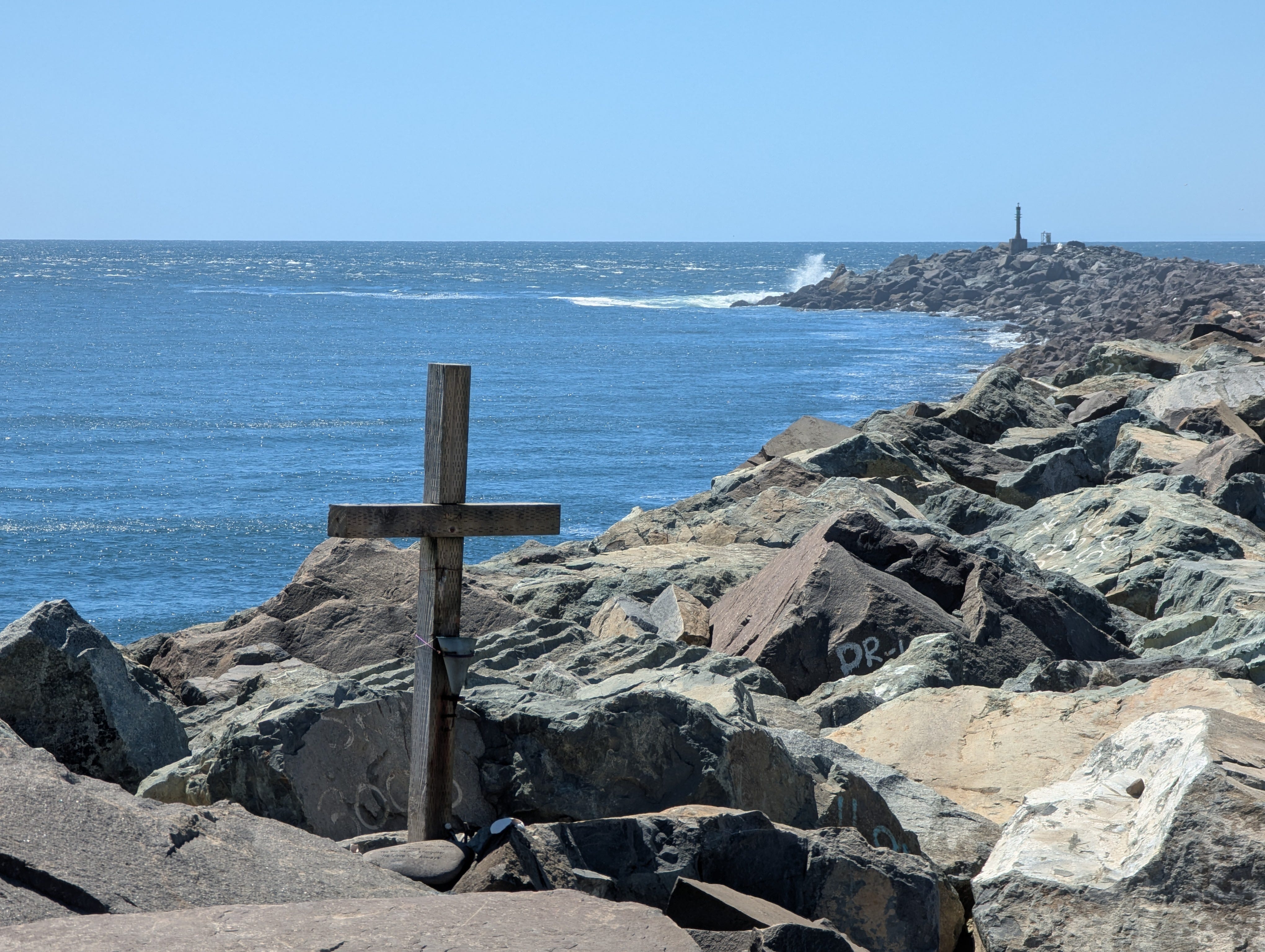
Some of the men from the church had fashioned a bridge across the stream dividing the beach from the dunes, greatly reducing the risk of falling in. The earlier crossing had involved more of a balancing operation when walking and jumping across some logs.
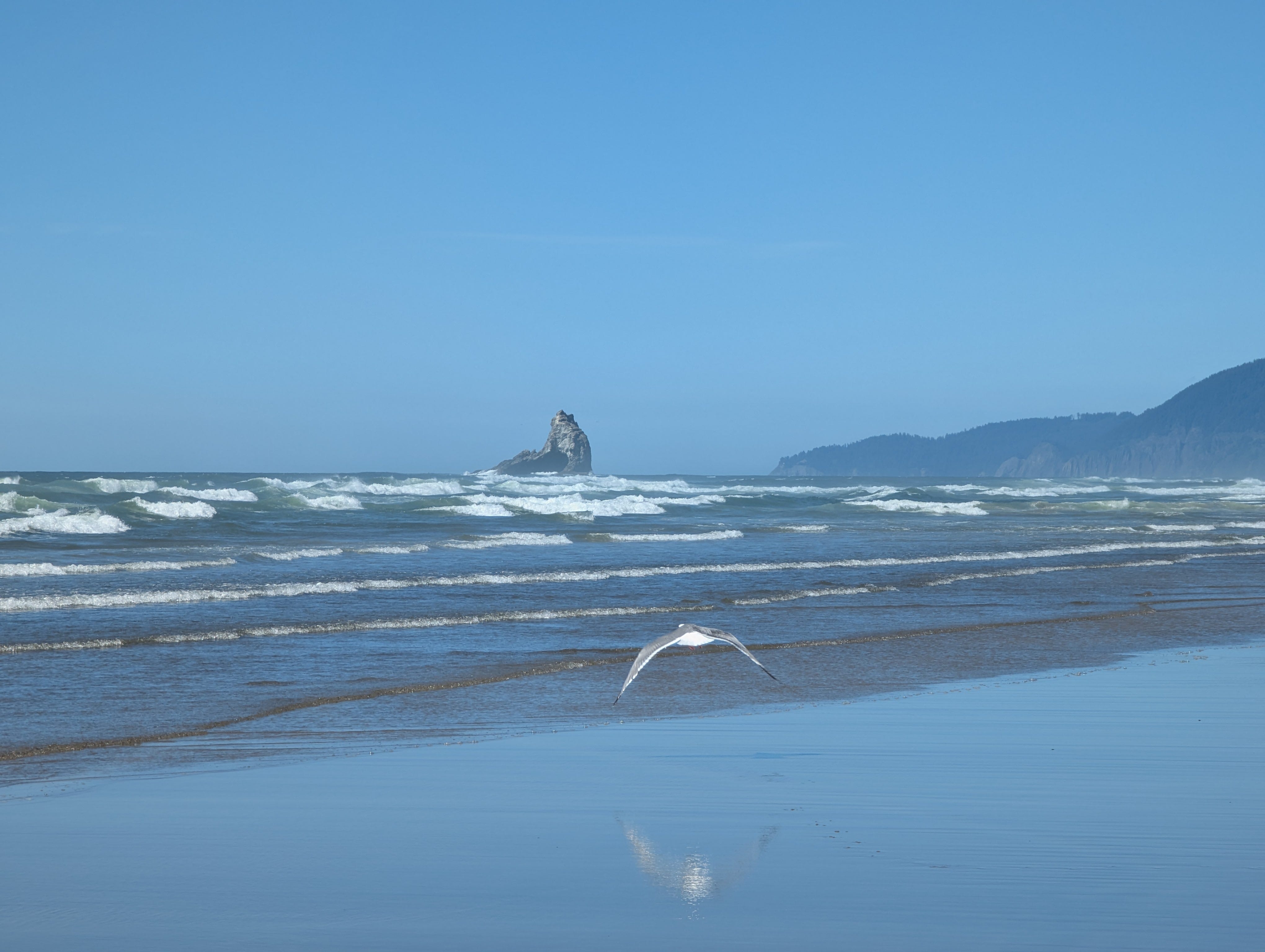
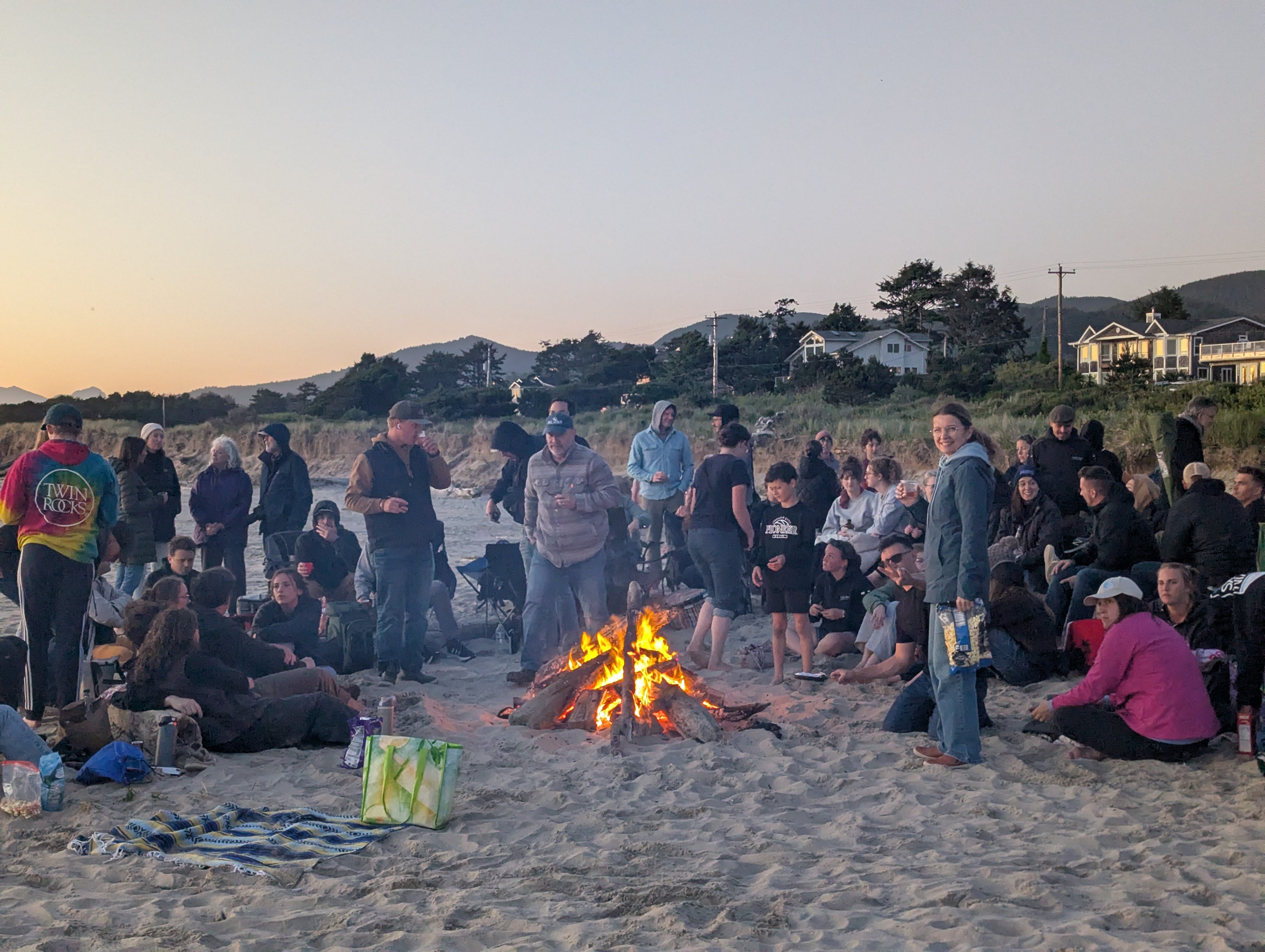
That evening, we all gathered at the beach and enjoyed a fire and watched the sunset.
The next day was a very full one for me: I spoke in the morning session, after which I had a brief question and answer period. I then had to dash to my room to teach a two hour Davenant Hall class. After that was over, I had lunch. Following lunch, the pastor interviewed me for two and a half hours for the church’s podcast, addressing some of the questions that members of the church had sent him.
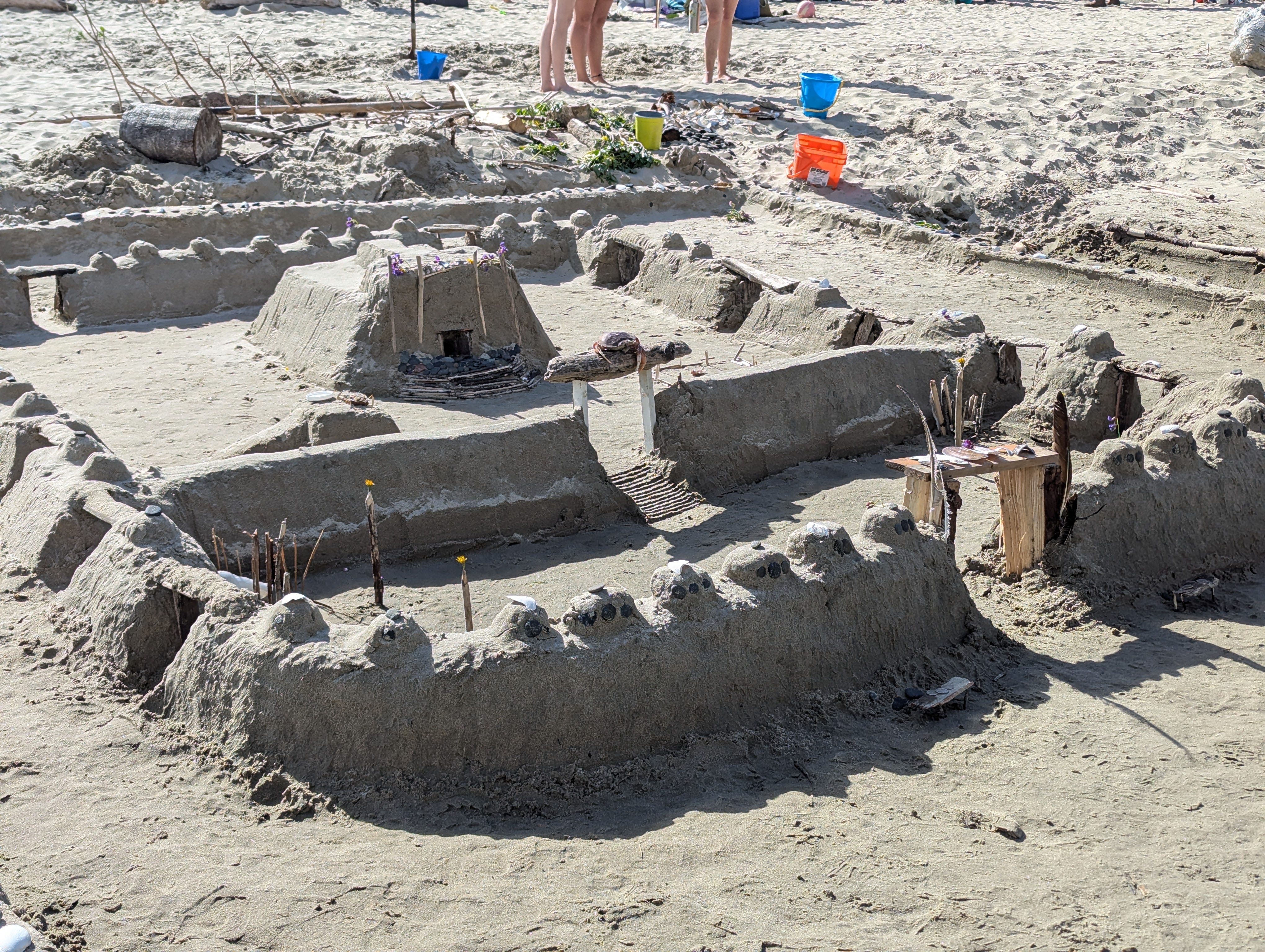
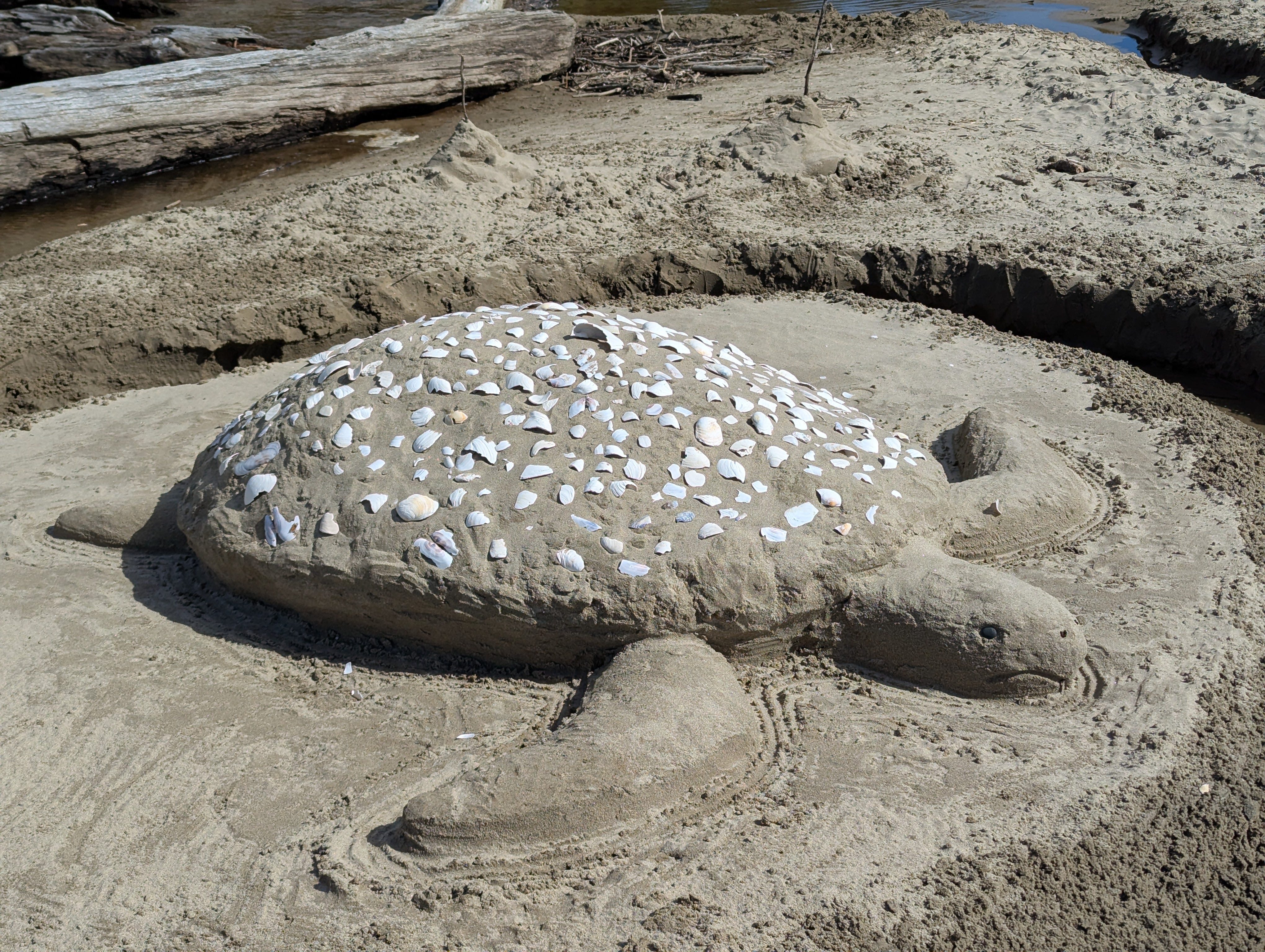
Finishing all of this teaching was a relief. When it was done, I went back to the beach, seeing some of the imaginative sandcastles that had been built for the sandcastle competition. My favourite was the model of a temple.
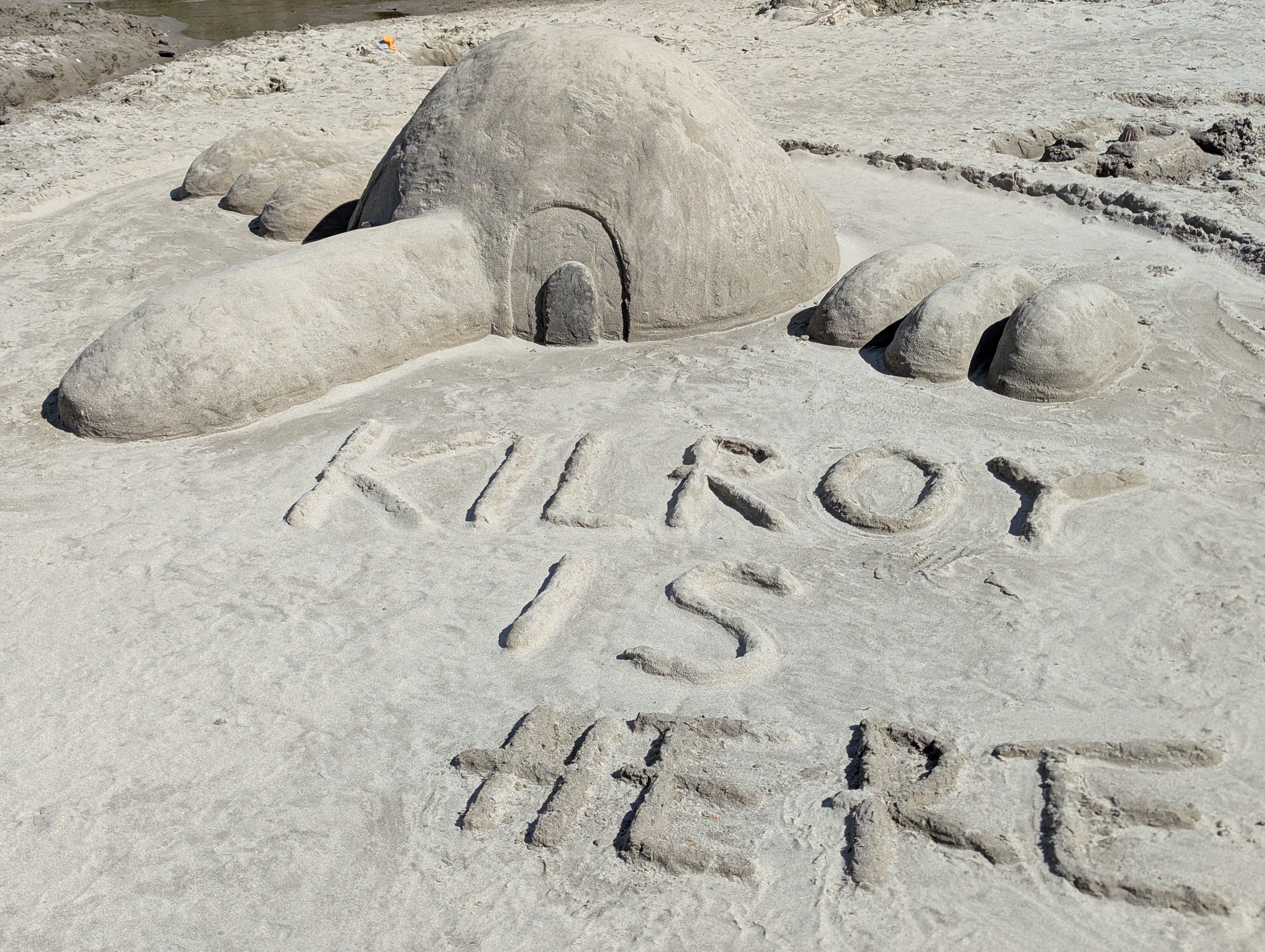
That evening was the talent night, which was brilliantly entertaining, one of the most enjoyable parts of a very enjoyable week.
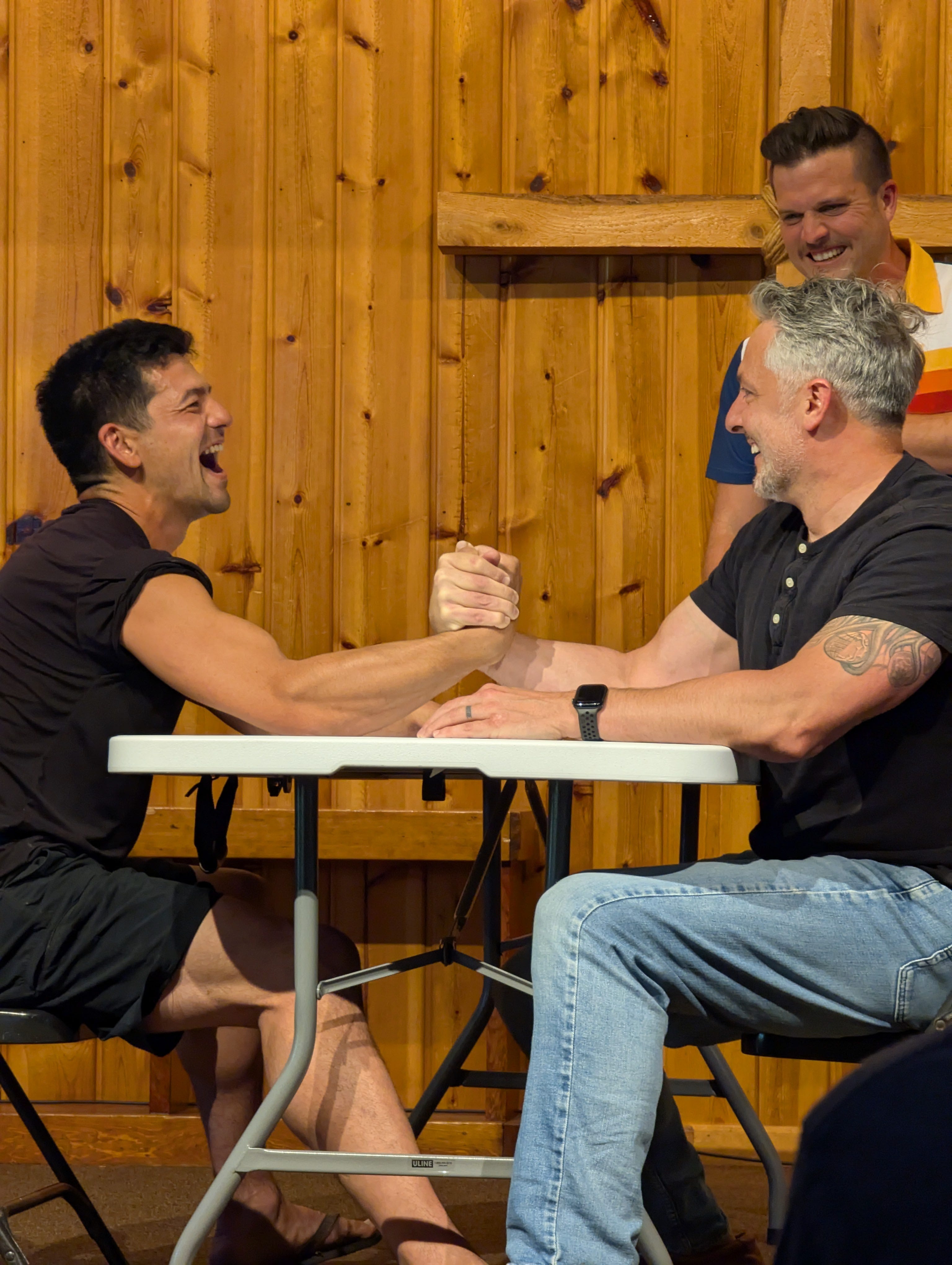
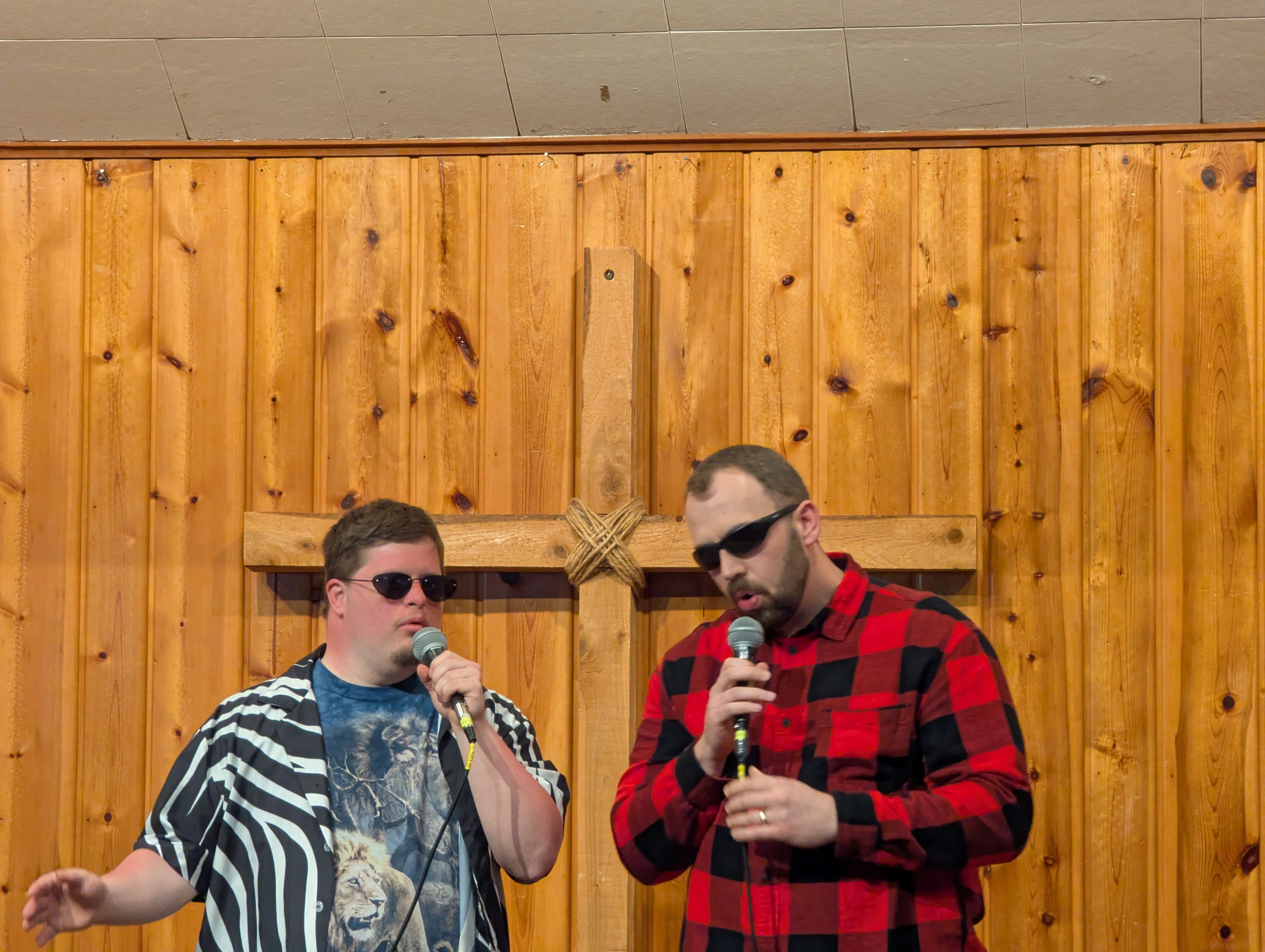
While most people were travelling back the following morning, I returned to Oregon City after the talent night, being given a lift with Jordan, one of the church officers, with whom I stayed that night.
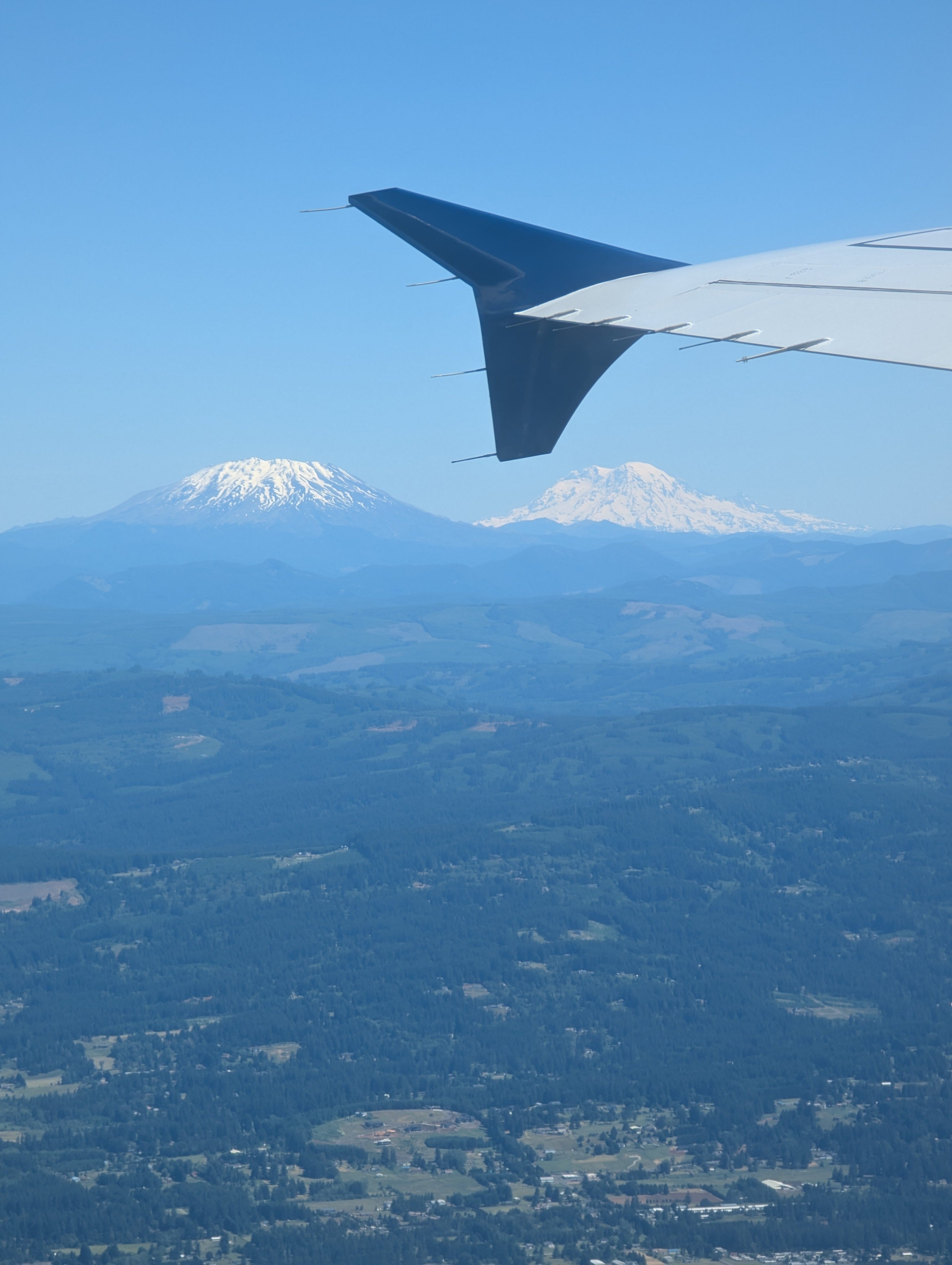
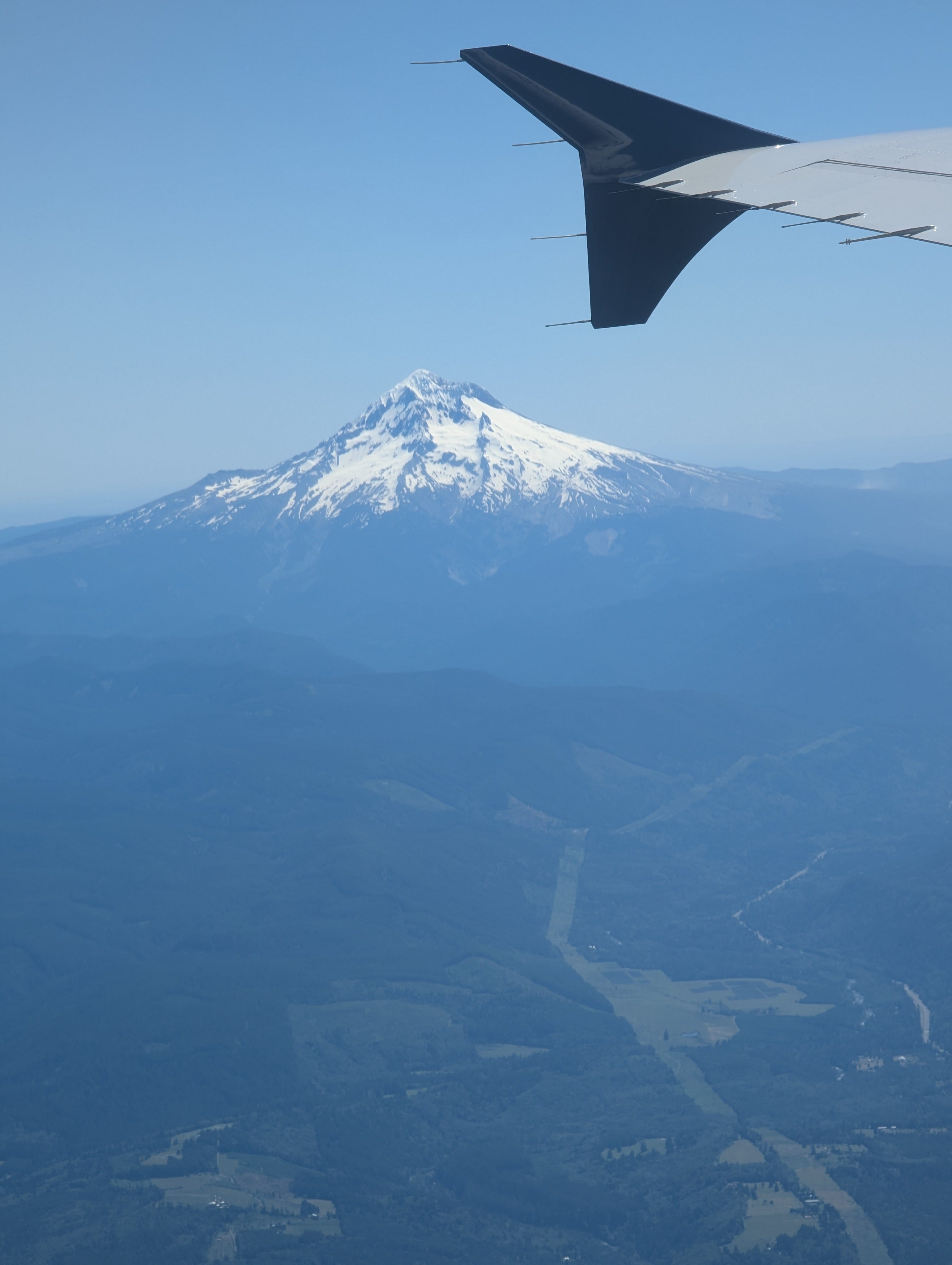
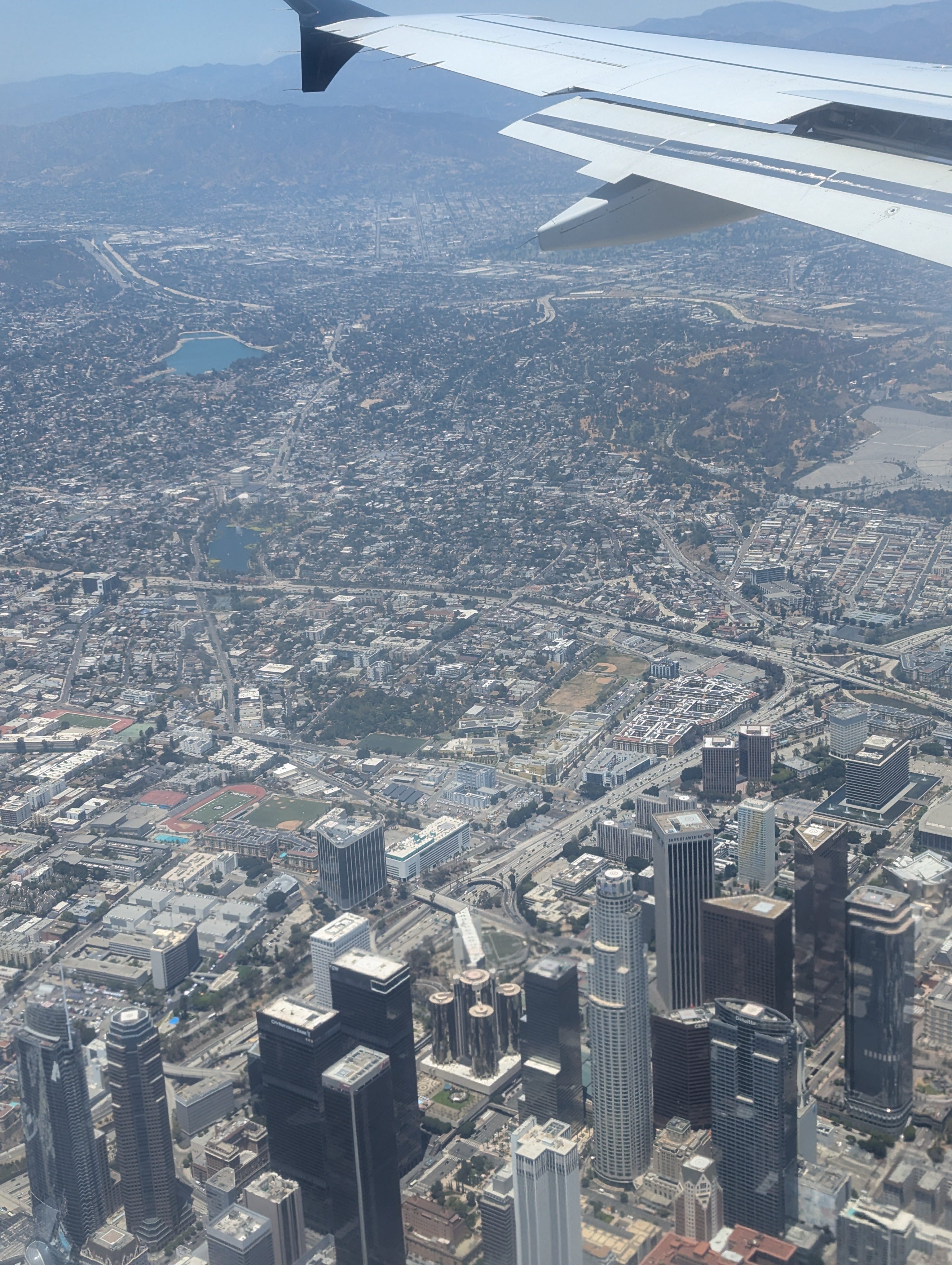
The next morning, Jordan drove me out to Portland Airport, from where I was flying to Los Angeles. On the flight, we could see Mount St Helens and Mount Hood. Growing up, I had been fascinated by the 1980 Mount St Helens eruption, spending countless hours poring over the National Geographic issue on the event.
Arriving into Los Angeles, I got an Uber to the house of one of Derek Rishmawy’s friends, where he and his family were for the afternoon. I was amused to discover that the brother of Derek’s friend had been at the family camp. My prior memories of Los Angeles have mostly been of miserable traffic and the airport, but this visit offered many alternative experiences.
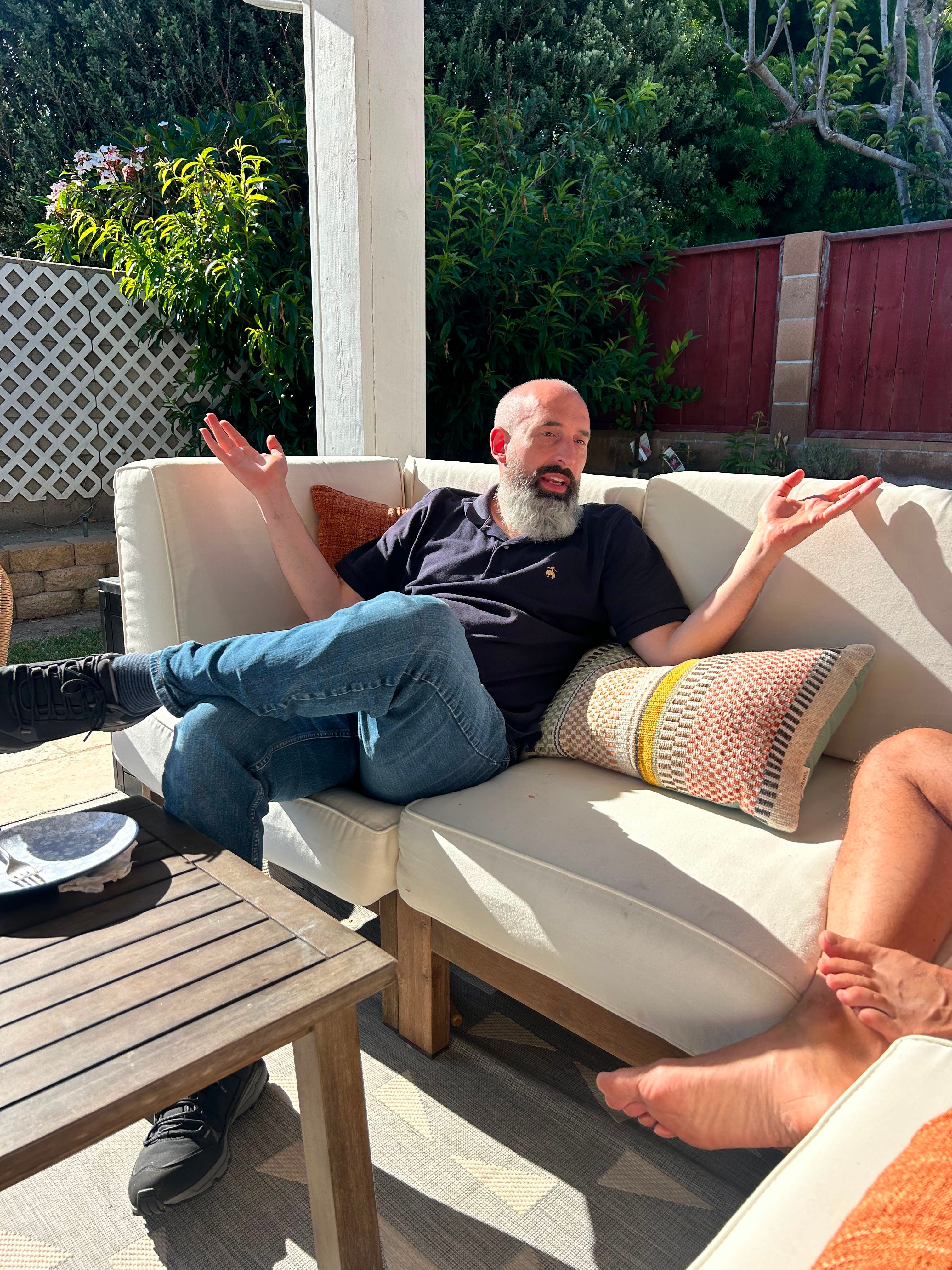
Catching up with Derek and McKenna was wonderful. Derek is one of my very favourite people, with whom I have been in weekly conversation on Mere Fidelity for over a decade and in near daily private correspondence beyond that. However, although I had met Derek several times in person, and had met McKenna before, I had never previously met their children. This time I had that privilege. Their daughter in particular seemed to be excited to meet me, perhaps because I share an accent with some of her favourite characters and readers. Kids’ programmes and stories really are an underappreciated form of British soft power!
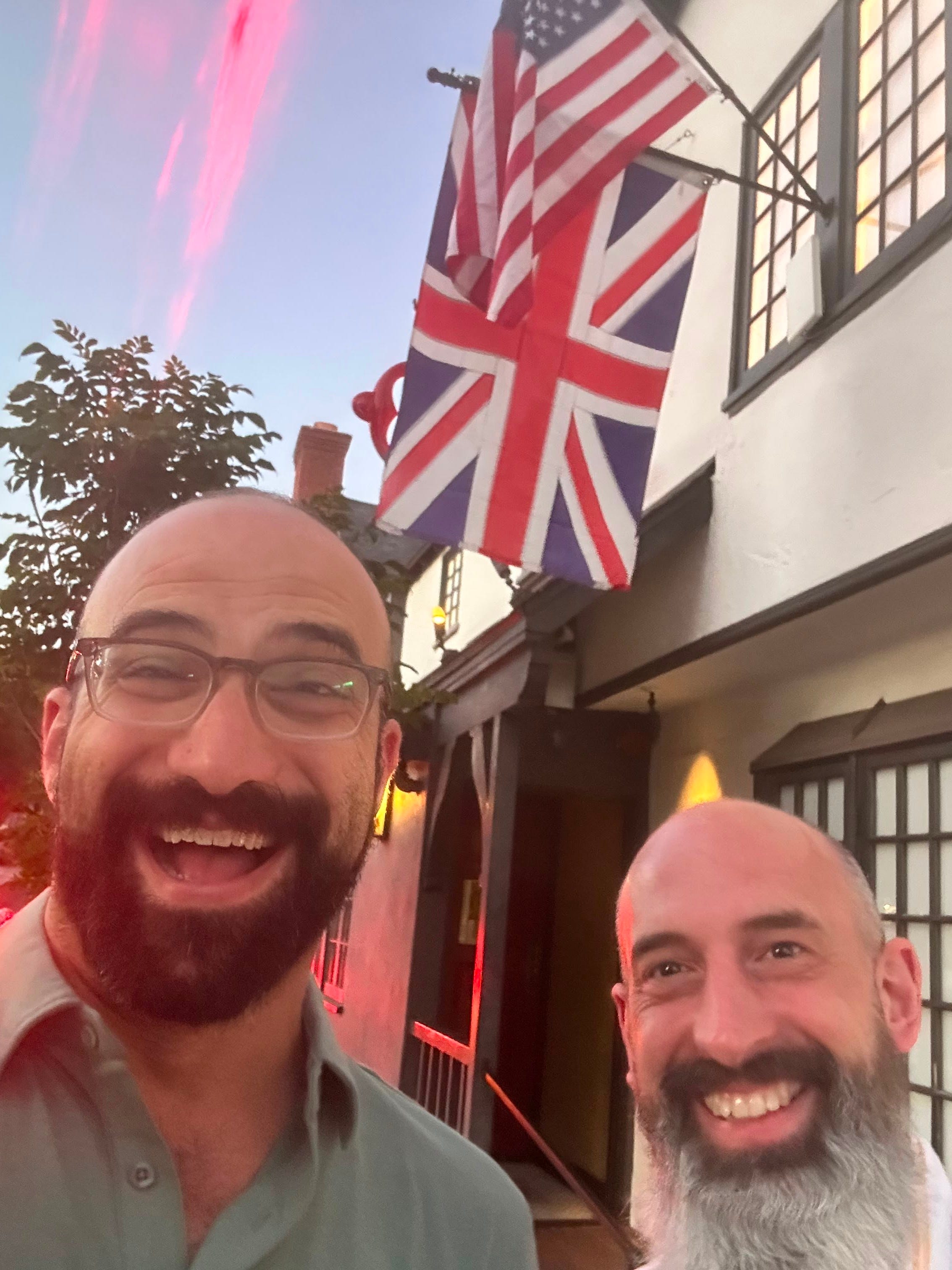
After we left his friends’ house, Derek dropped me off at the Johnsons, where I was staying that night. A few hours later, he picked me up and treated me to a meal in a British pub with McKenna. I discovered that Wee Britain, from Arrested Development (one of the greatest shows of all time), had been inspired by part of Orange County. After arriving back at the Johnsons, we chatted for a while before I went to bed. It was great to get to know them, and their areas of work and research, a bit over the course of my visit. The travelling is exhausting, and sleeping in dozens of different beds every year is a challenge, yet meeting so many special people with fascinating work and areas of interest easily makes up for it.
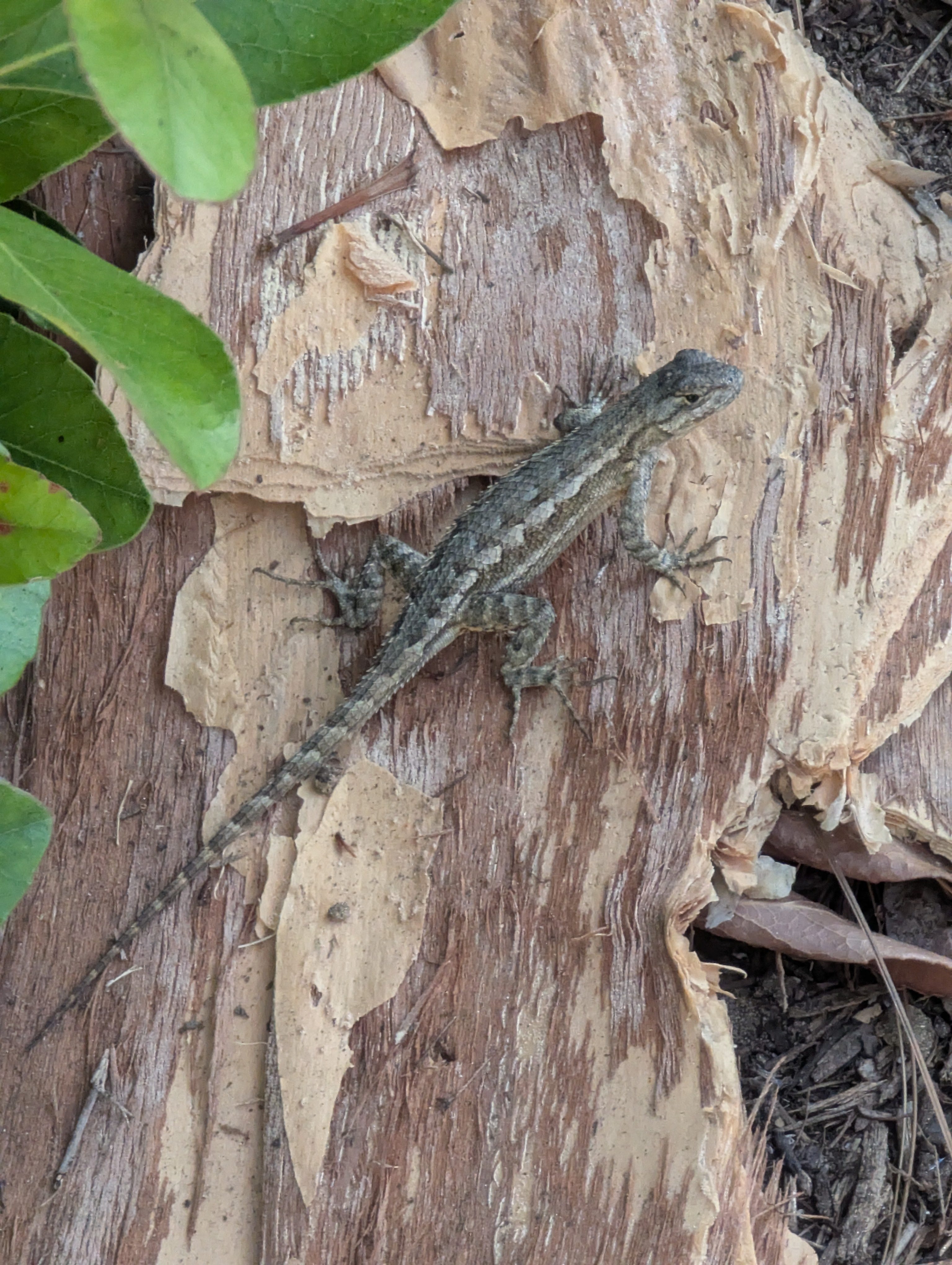
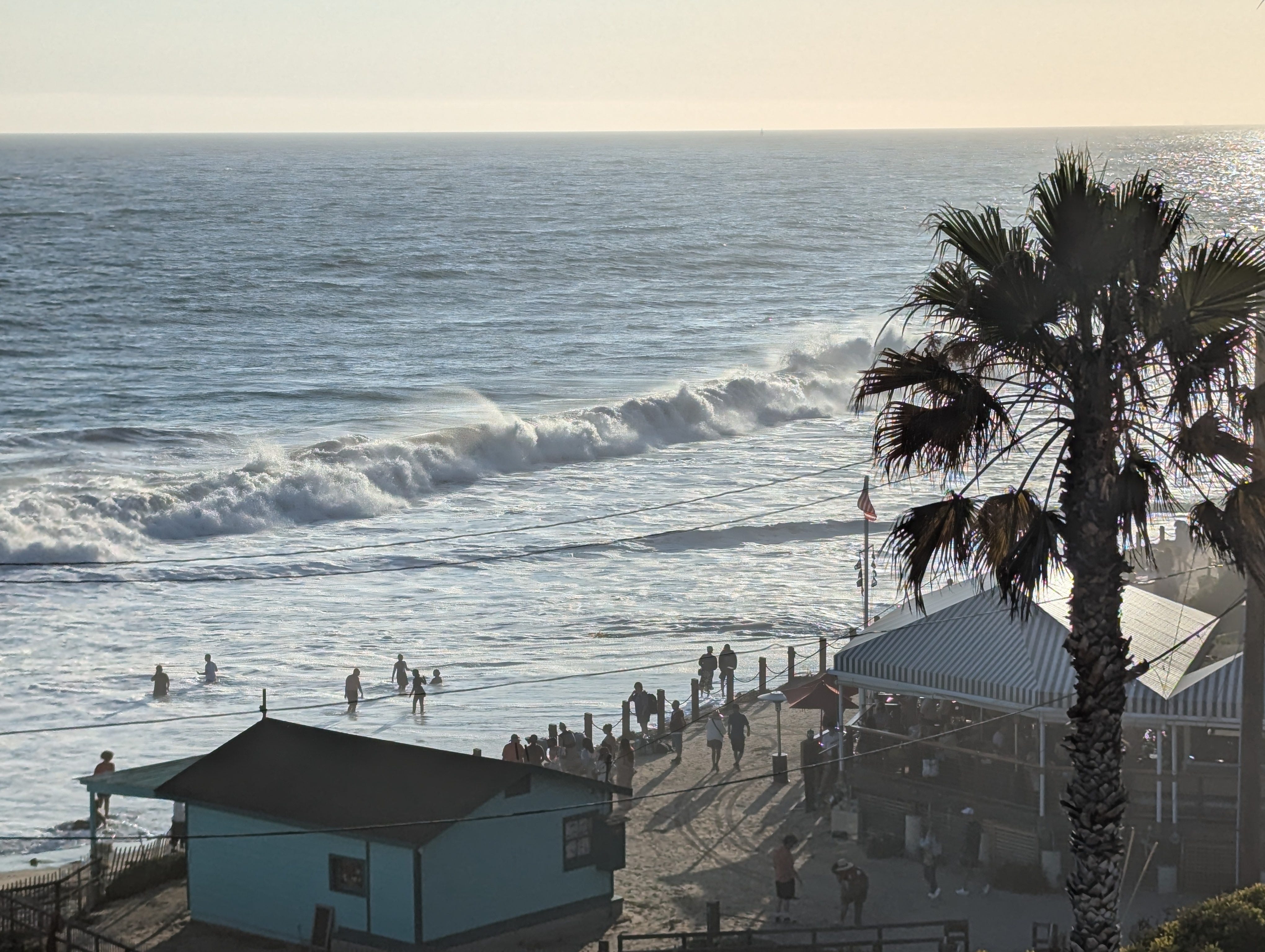
The next day, we went to church, where we met up with the Rishmawys. Derek introduced me to several people. Following the meeting, the Rishmawys joined us at the Johnsons for a meal. Derek and I then spent a relaxing afternoon at his house, watching shows, reading books, and walking with his daughter.
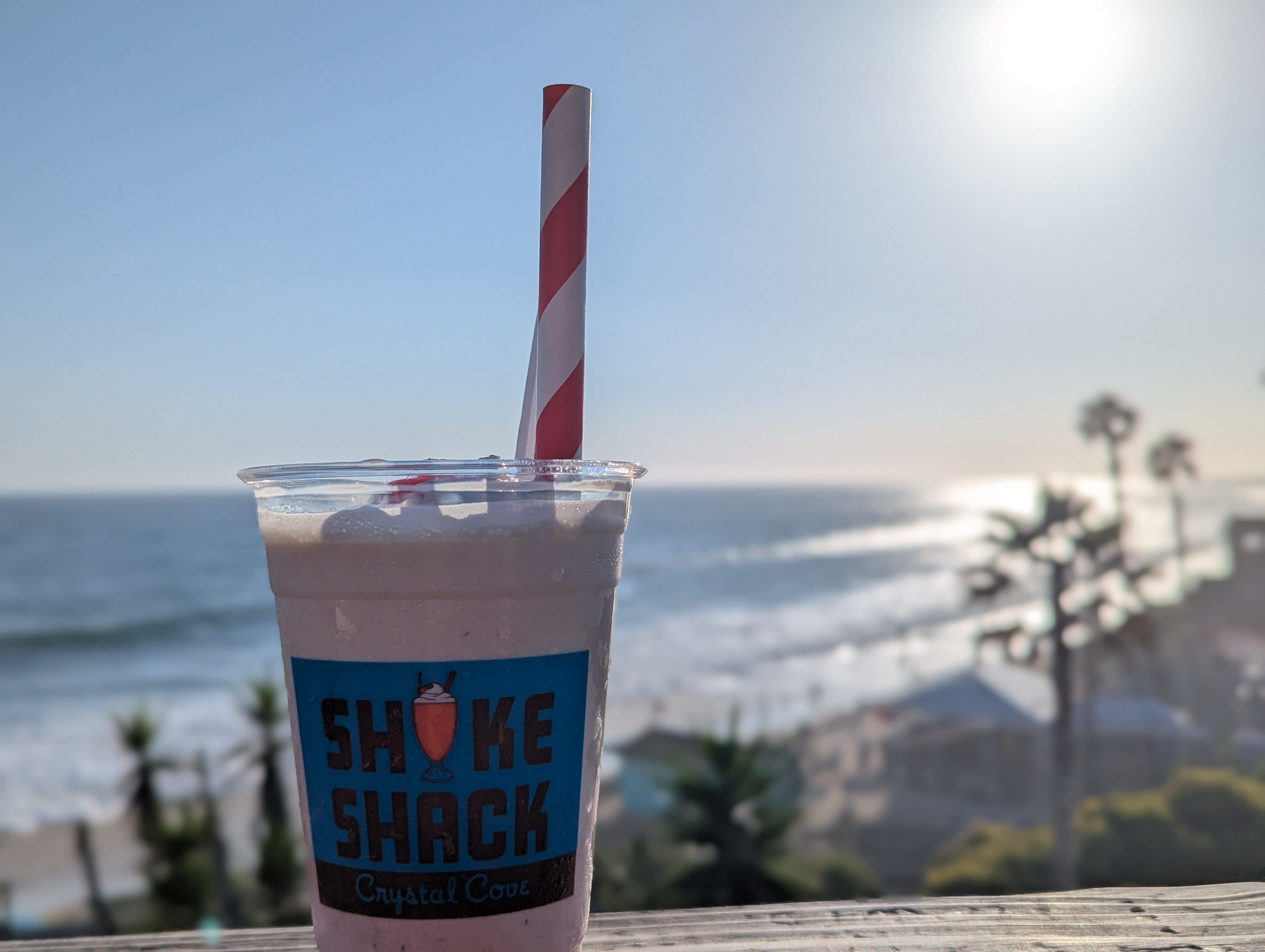
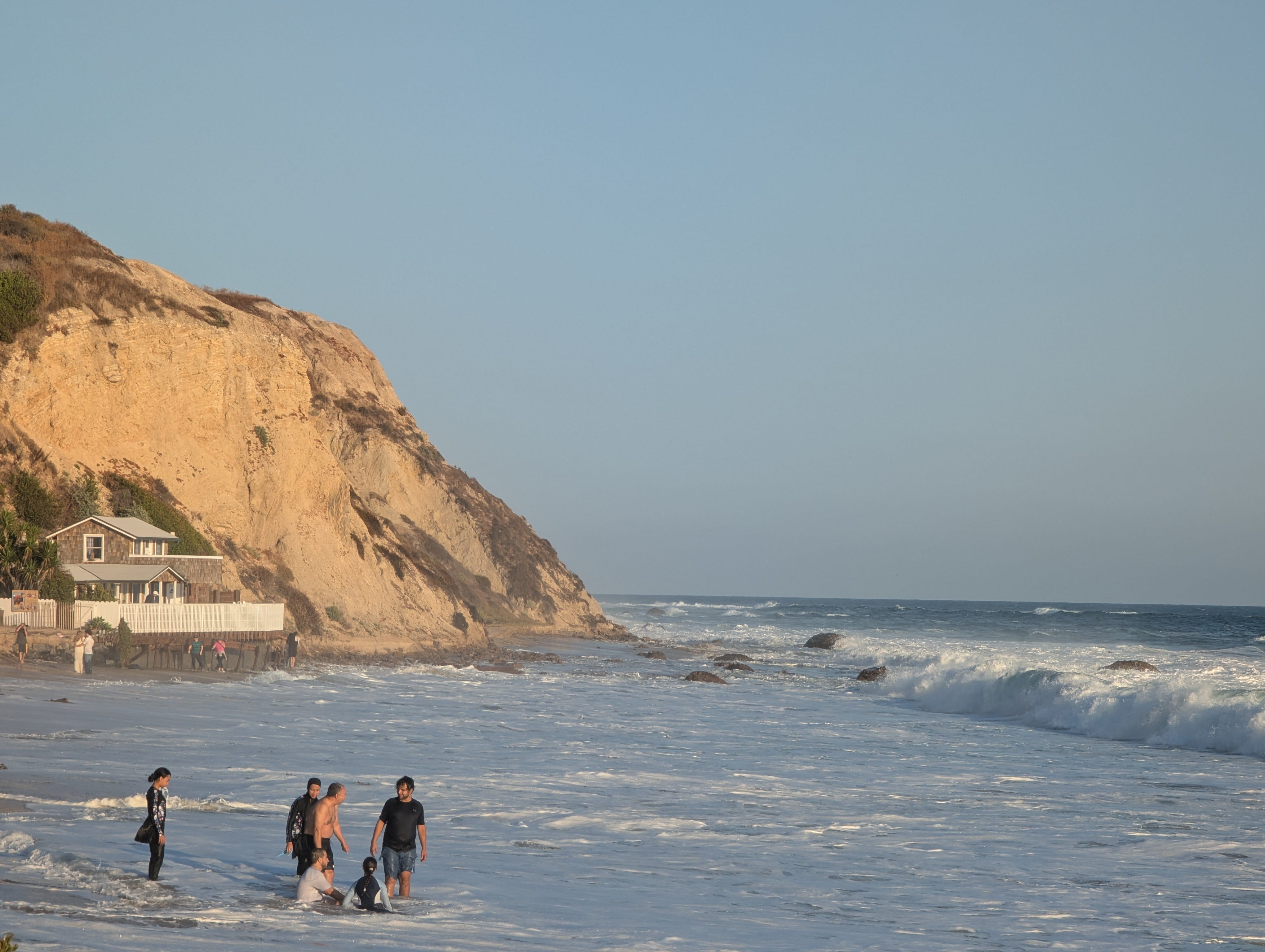
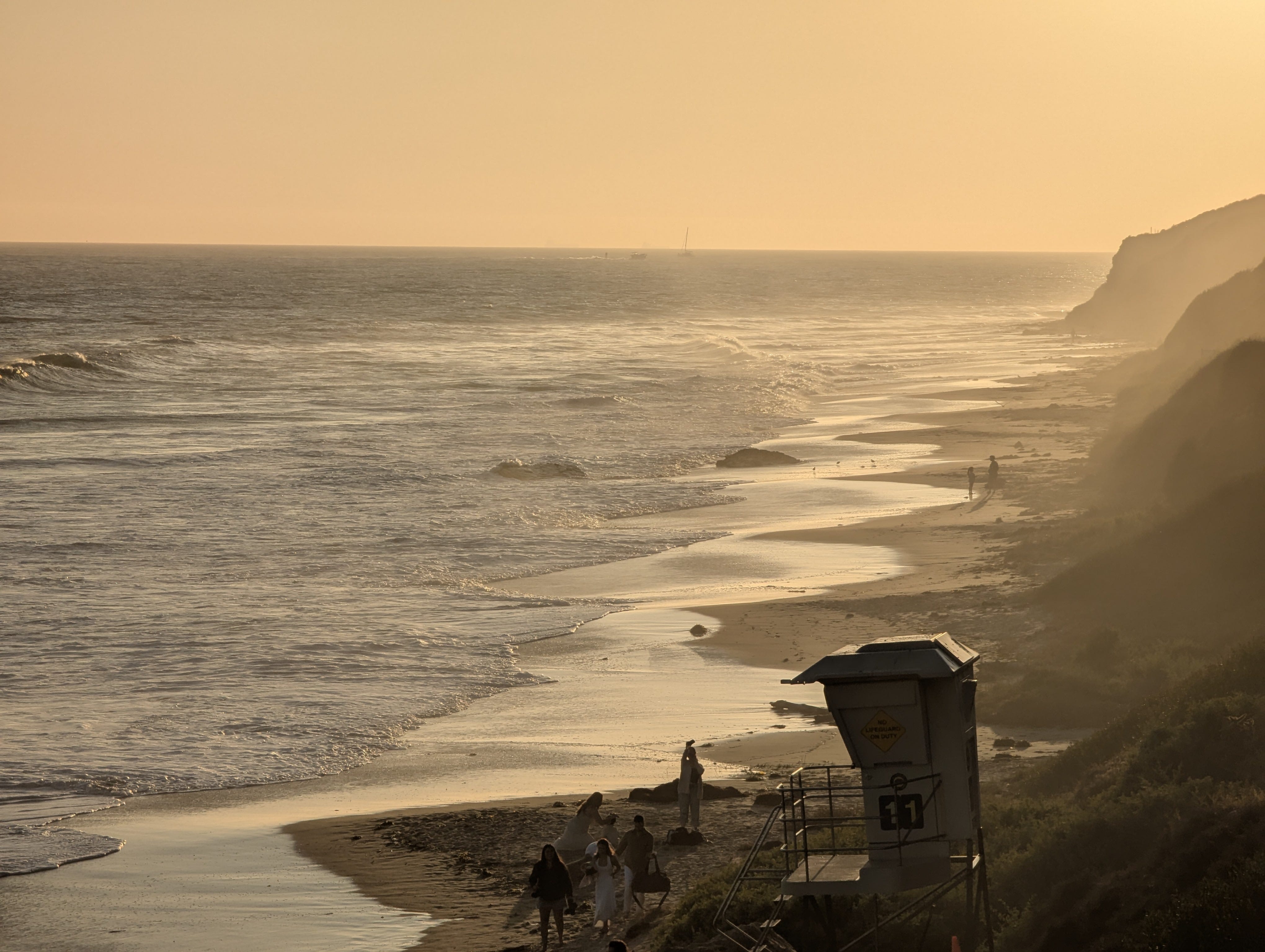
That evening, before my flight, the Johnsons took me to Crystal Cove with their boys.
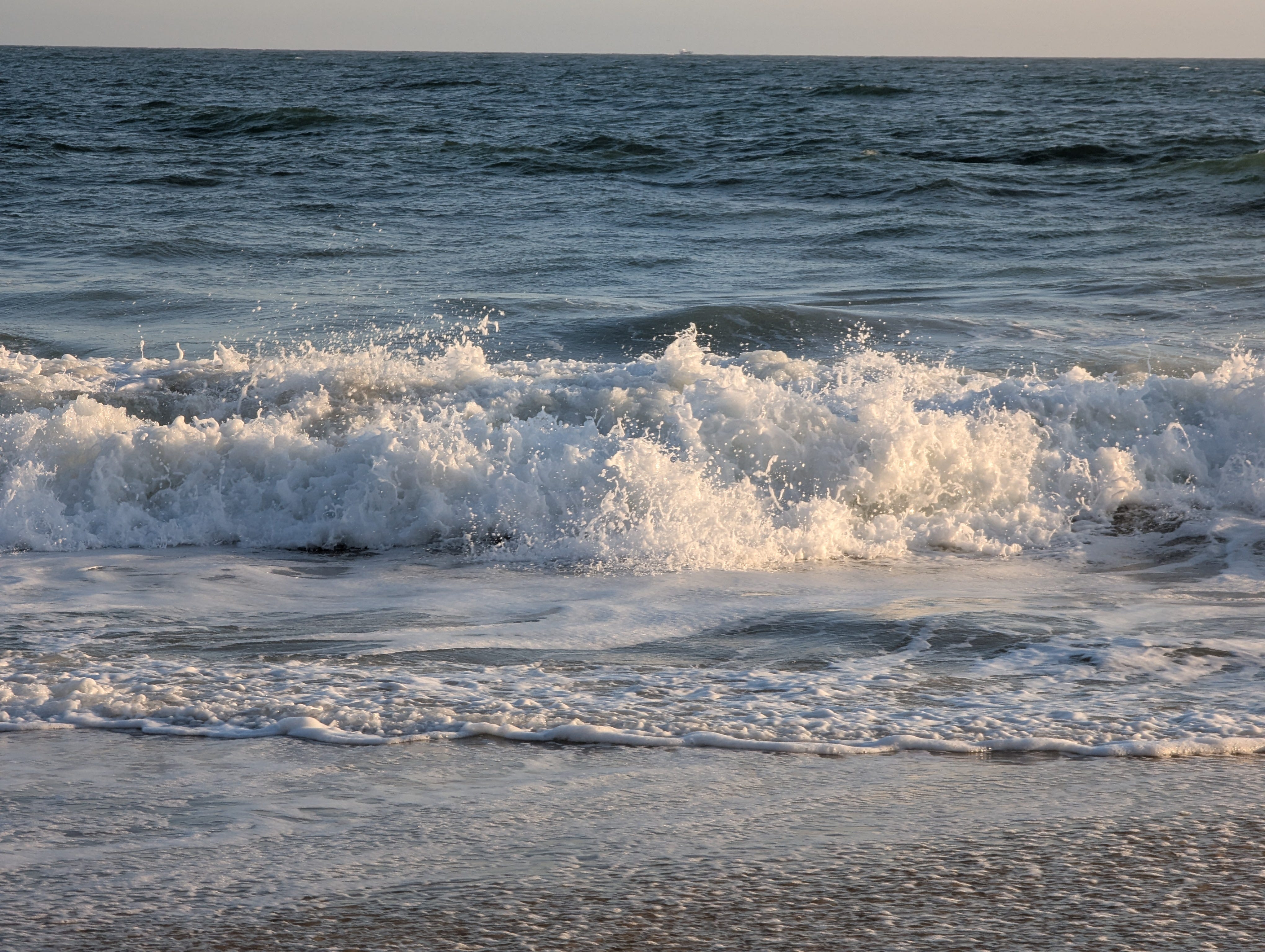
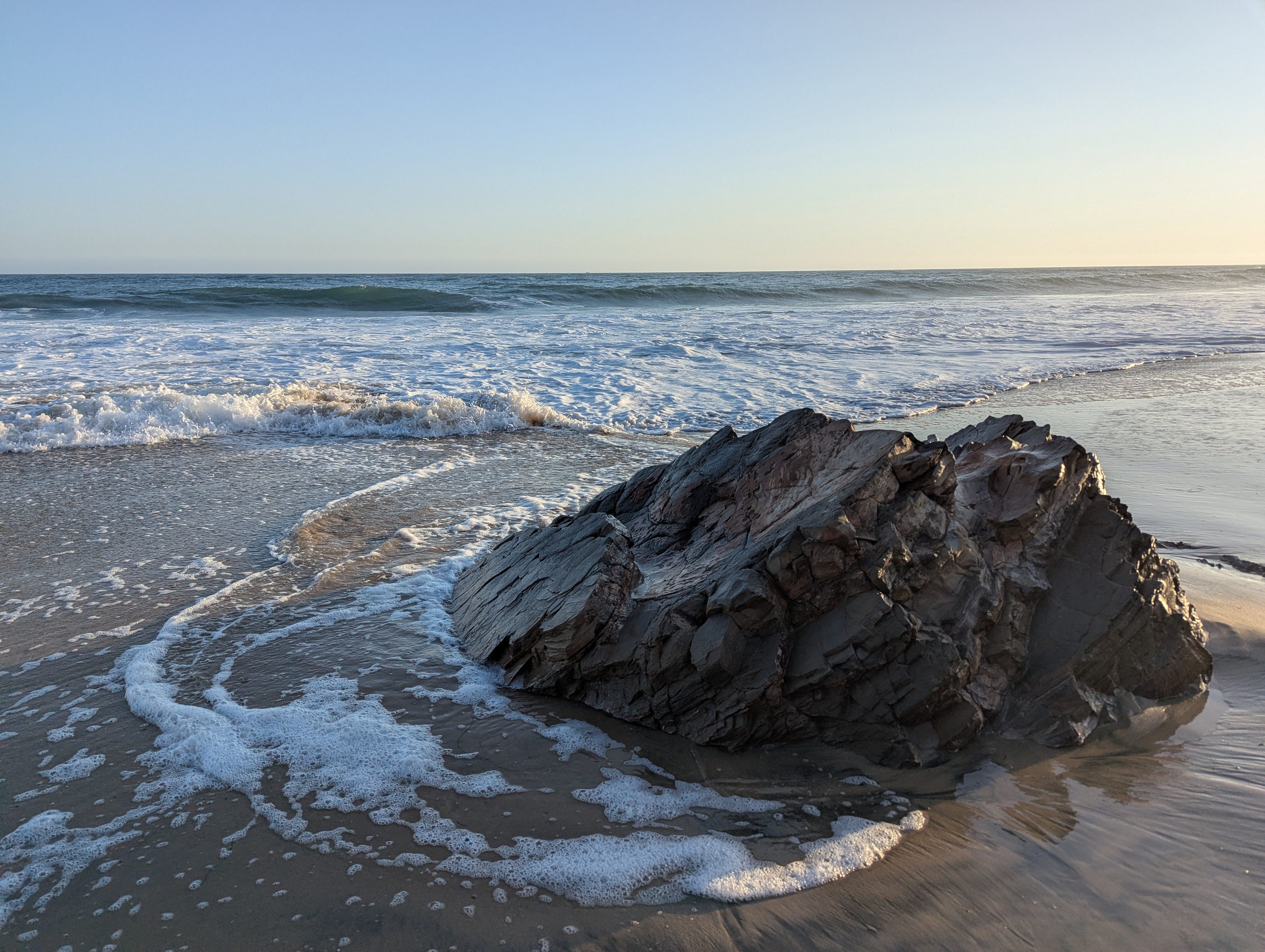
We walked up to the Shake Shack, where we had a meal, before walking back along the beach to the car, enjoying the sunset.
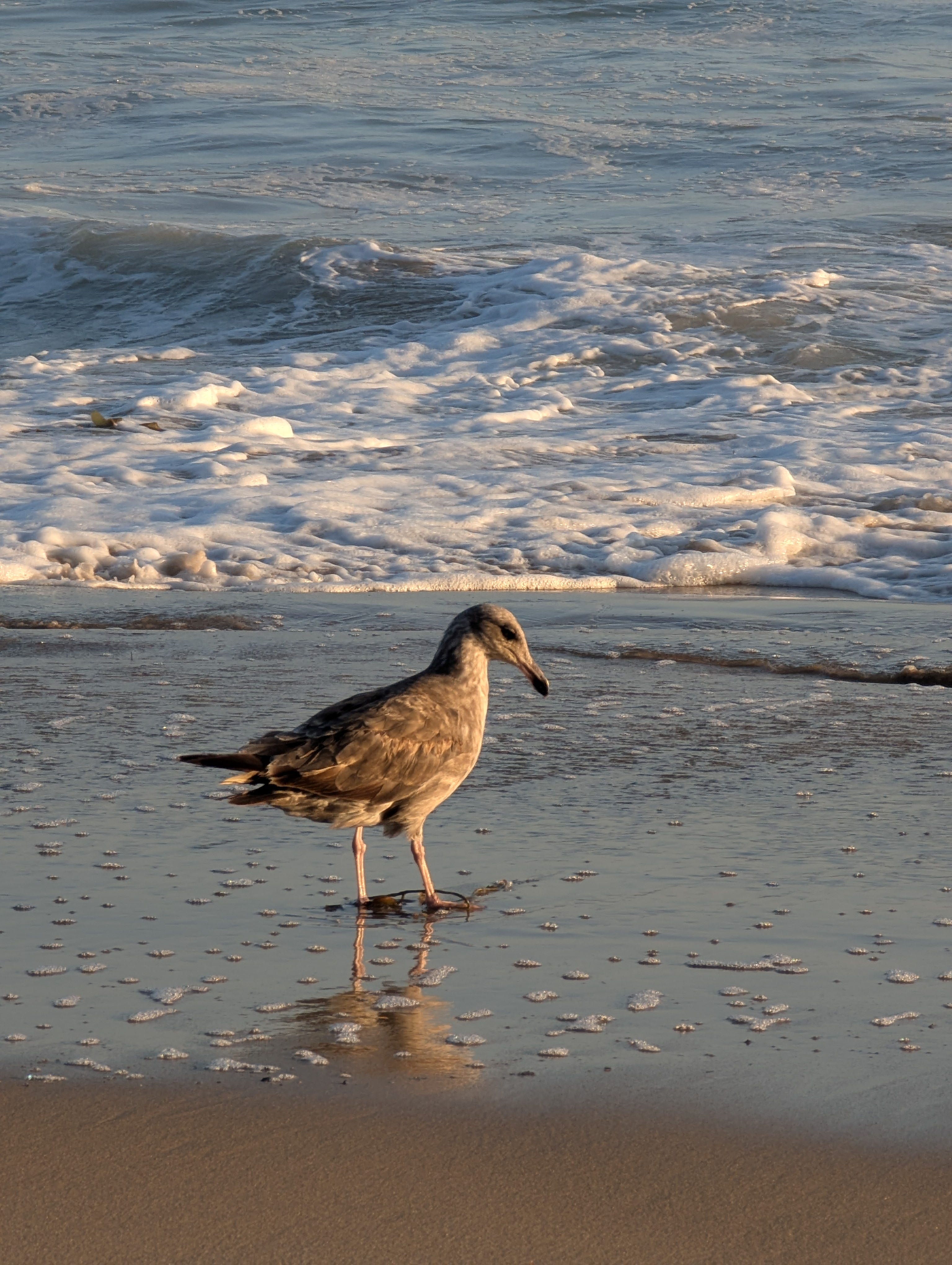
They dropped me off with Derek, who took me to the airport, for my flight to Sydney.
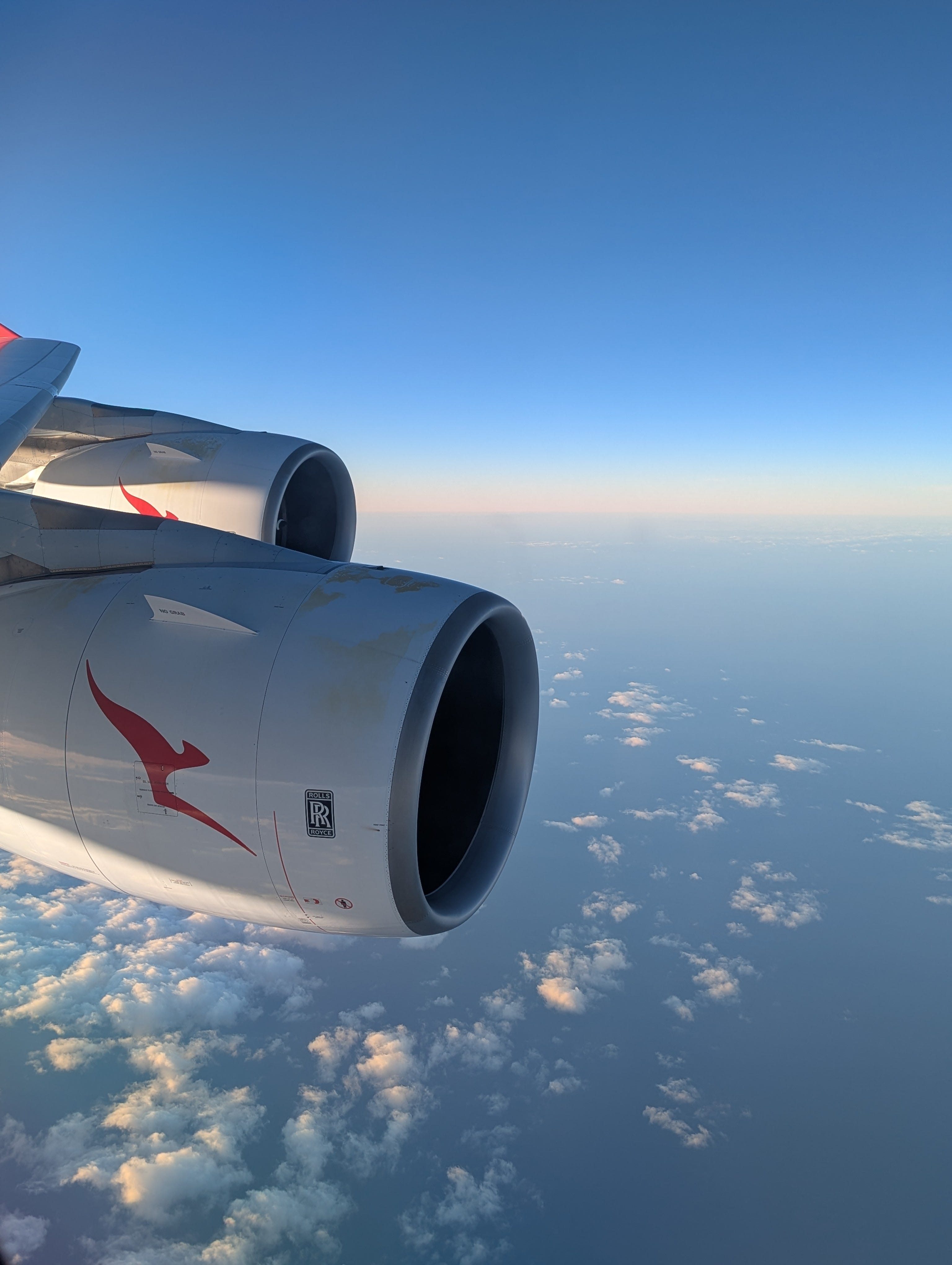
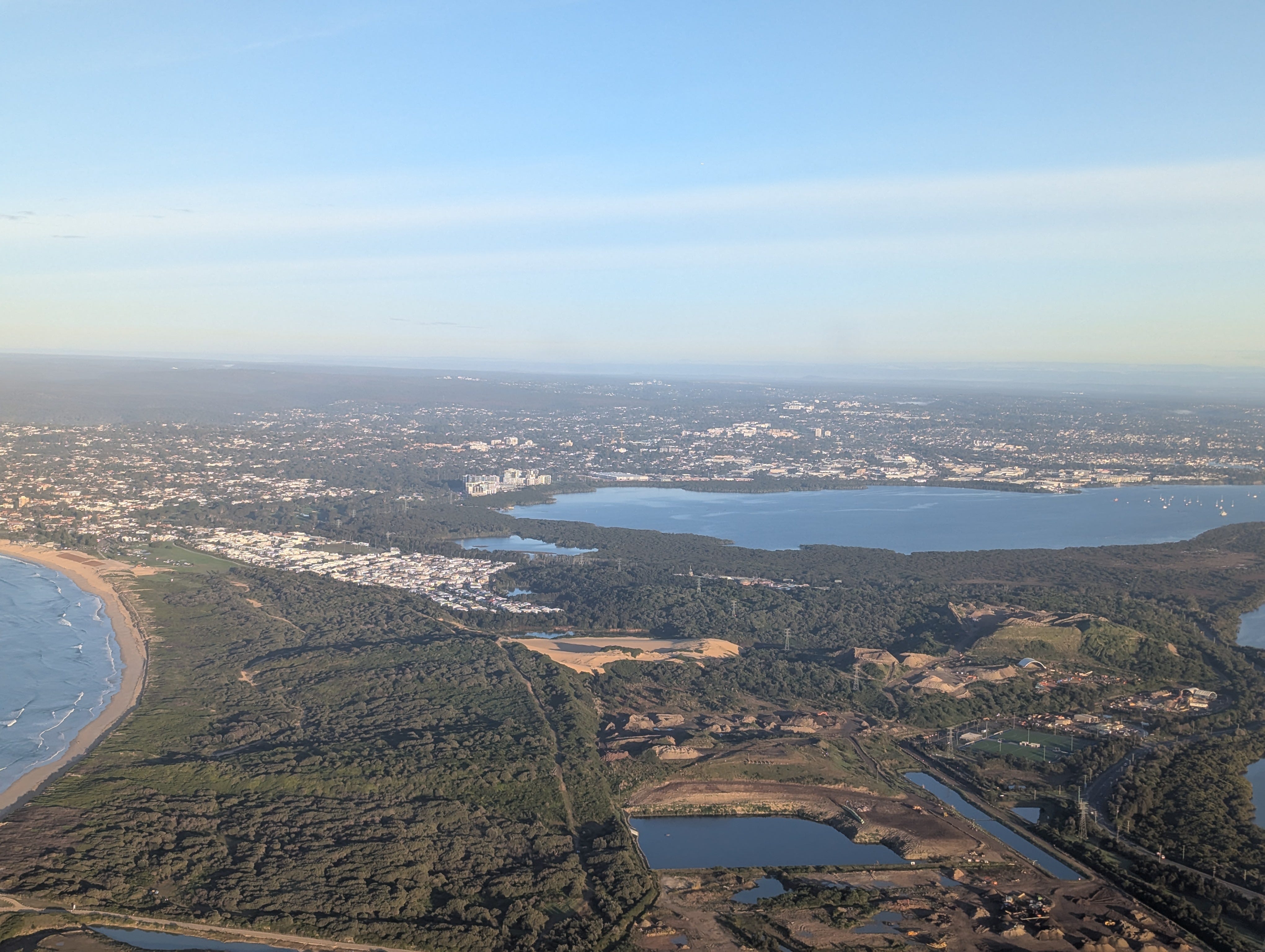
The flight was over fifteen hours long, but I slept for much of it, arriving in Sydney around 7:30am, ready for a full day of activities. It was my first time crossing both the equator and the dateline (Susannah was troubled by the thought that I would largely not exist for June 15th).
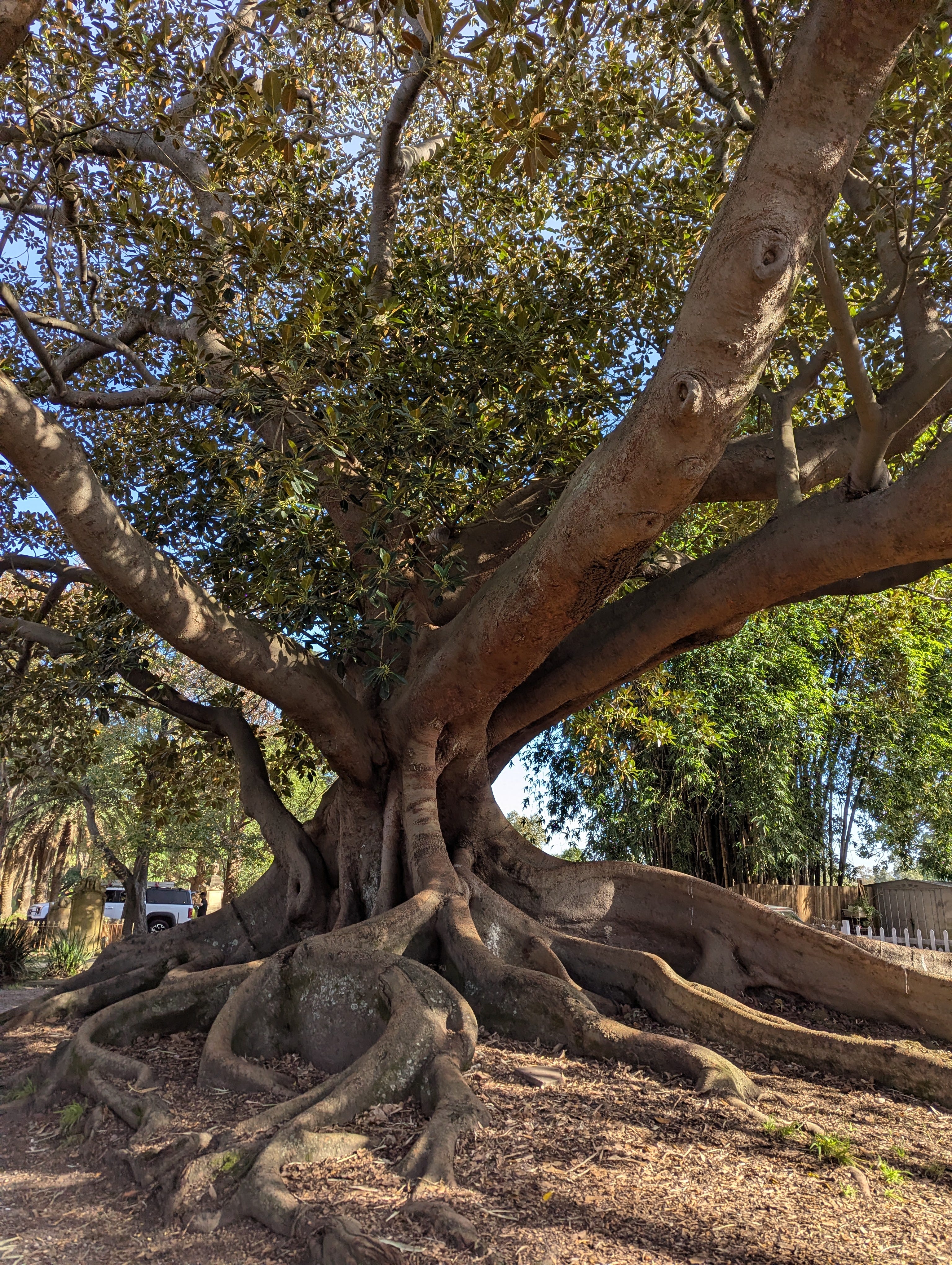
Dani Treweek, who was organizing some of my Sydney itinerary, picked me up from the airport, taking me to the Erringtons’ house, where I was staying for my trip. I deposited my bags and washed.
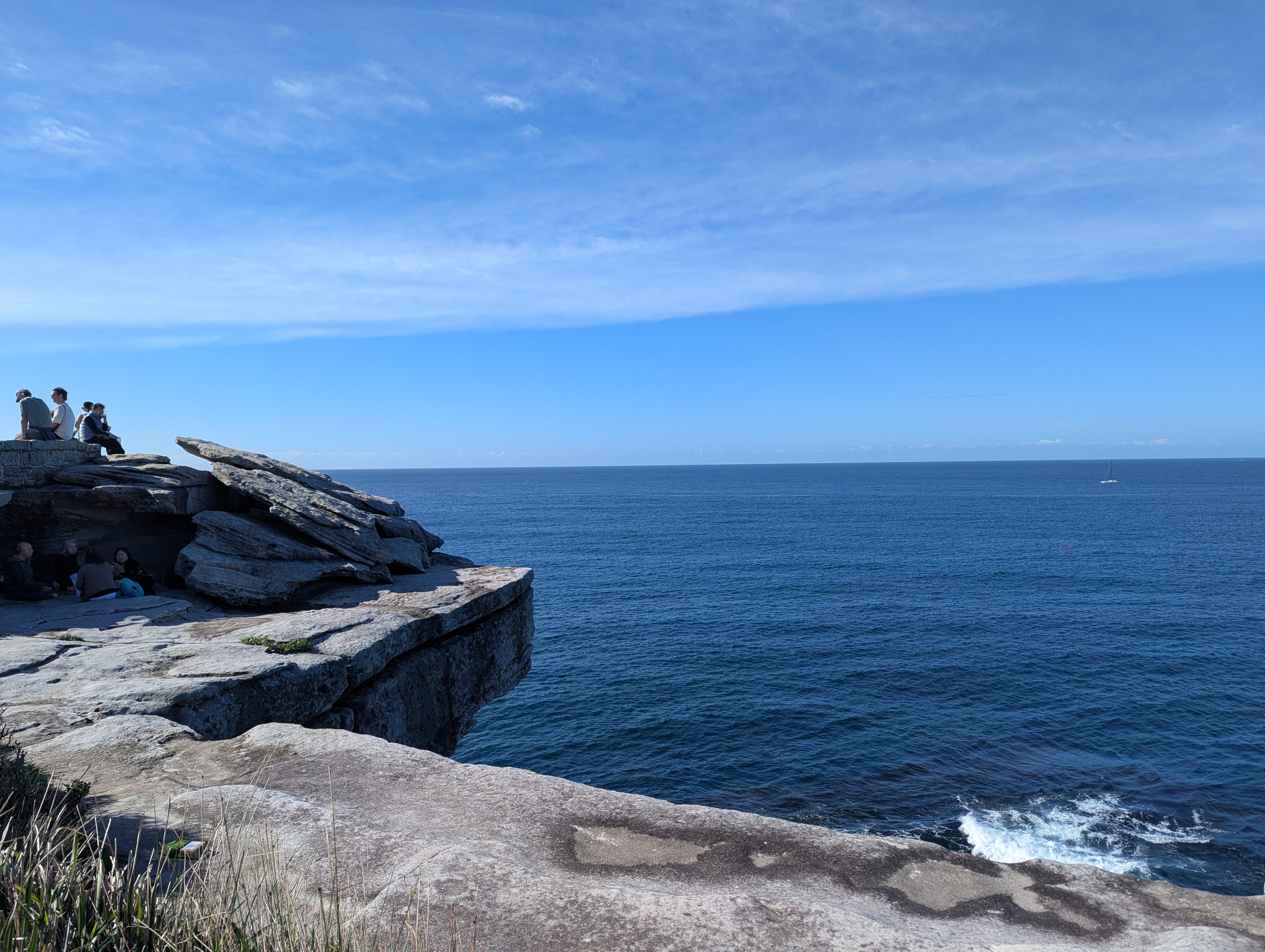
Some friends from Davenant circles, Sean and Jemimah, had arranged to meet up with me around 10am. They, and their new daughter, were my guides for the morning and early afternoon.
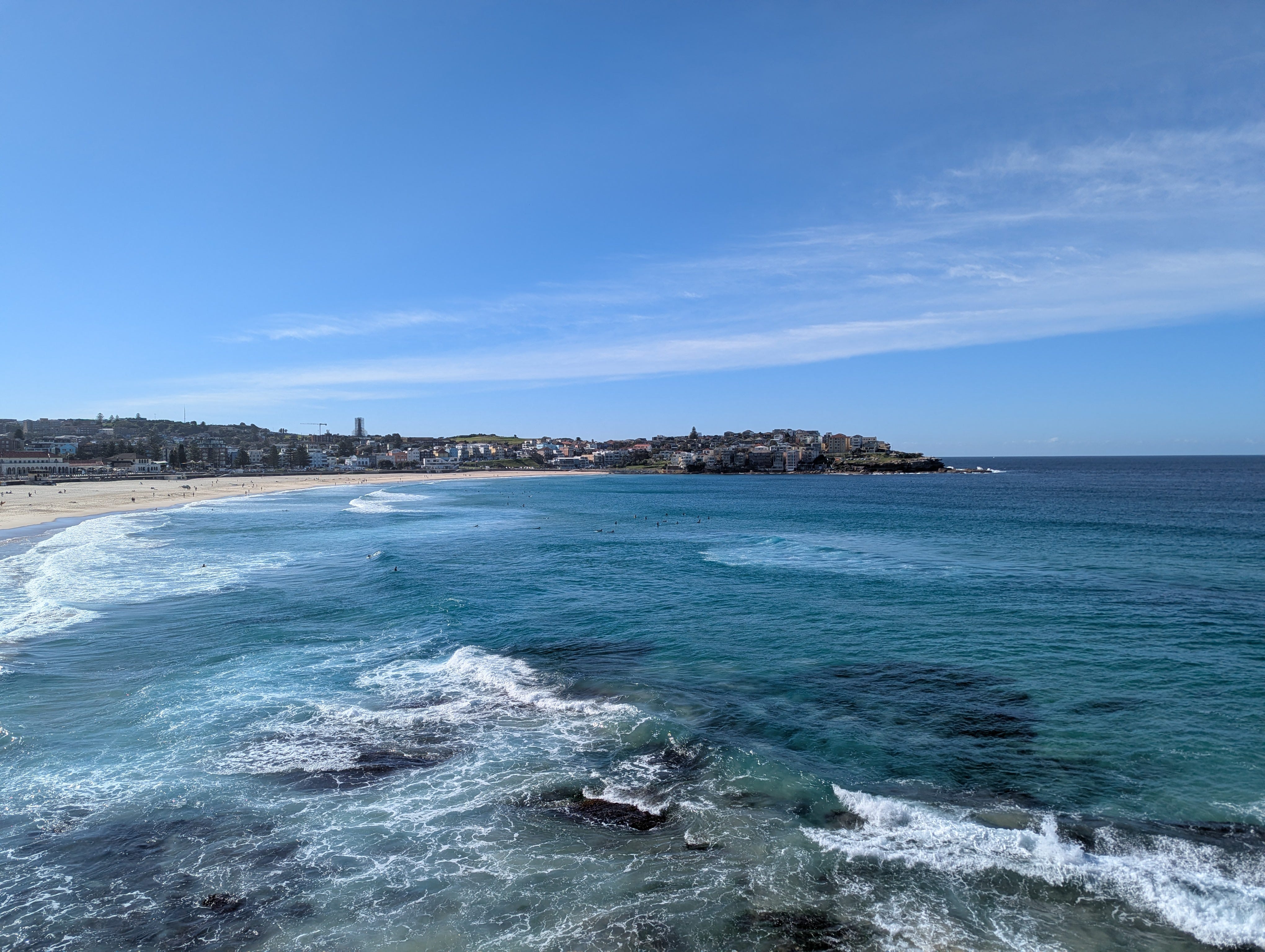
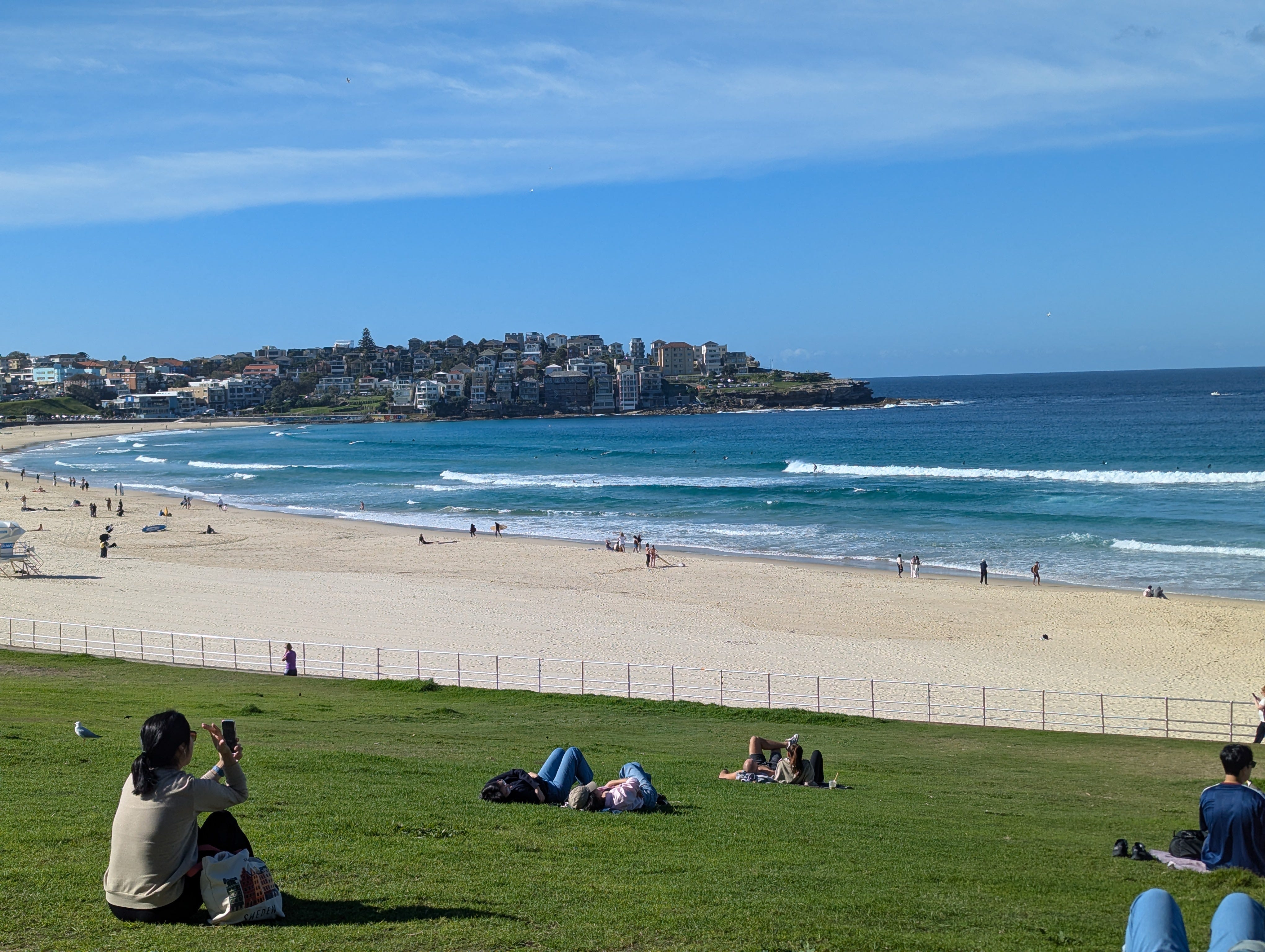
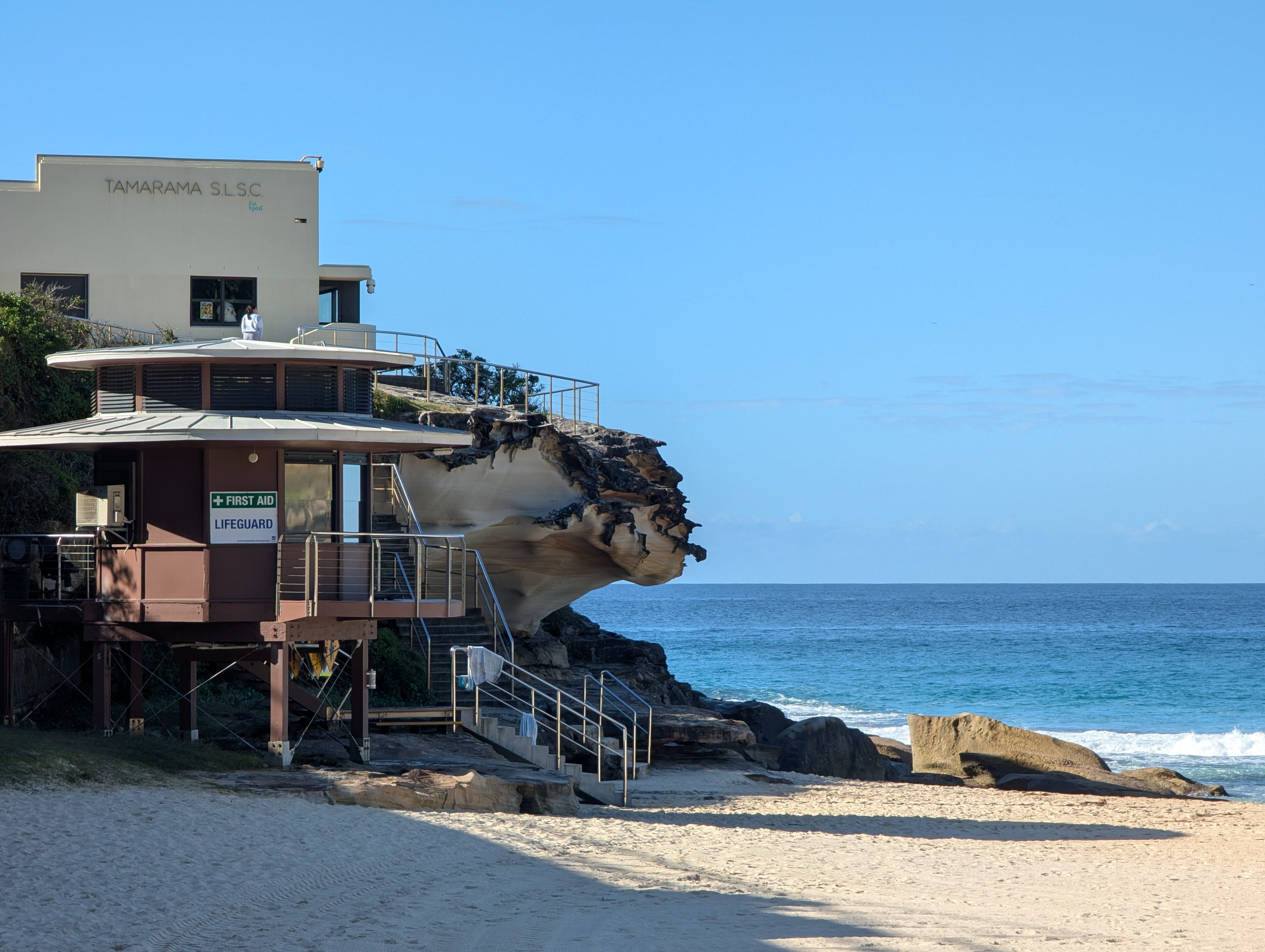
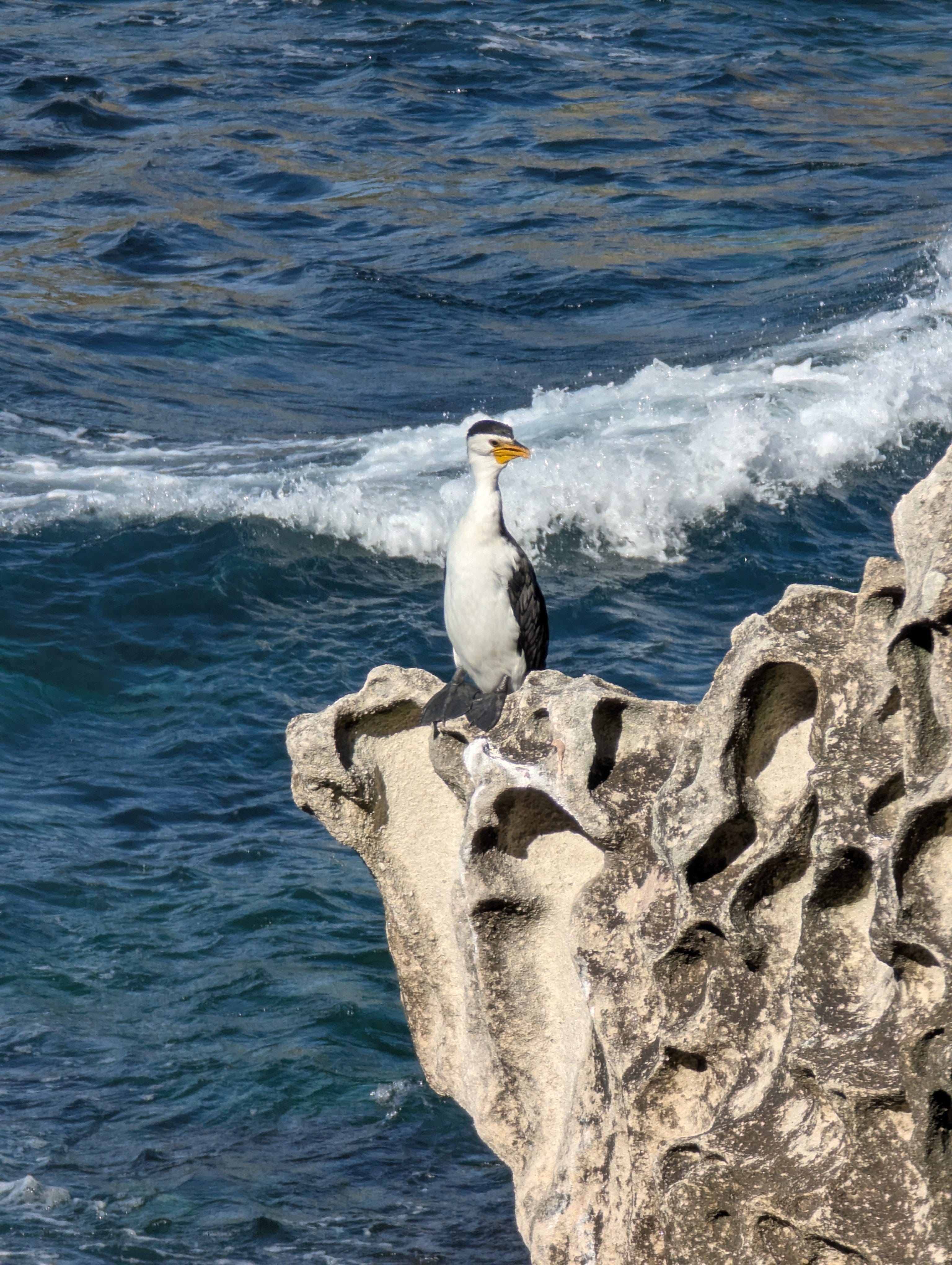
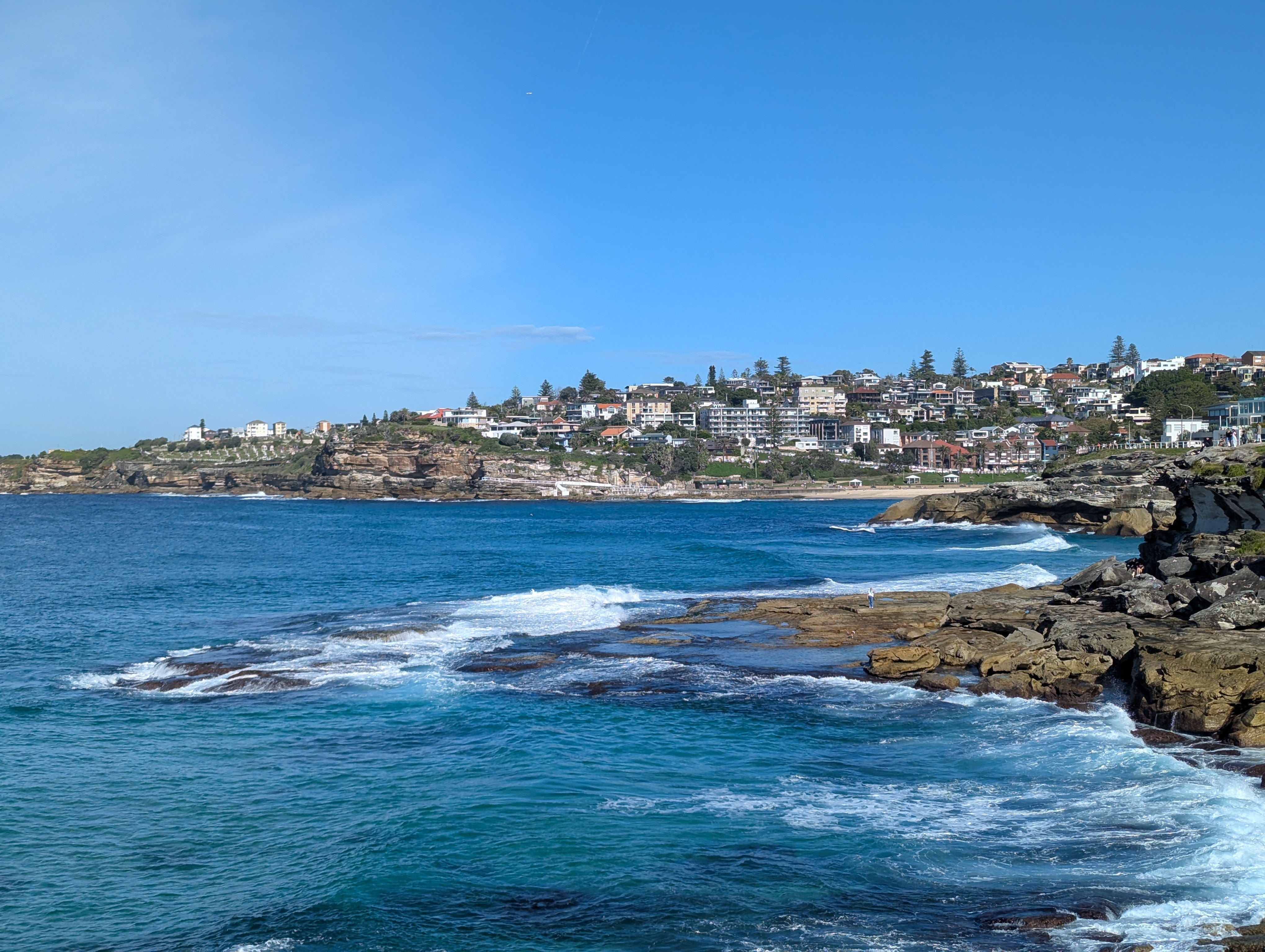
We walked along the coastline. Although it was winter time Down Under, it was like a glorious summer’s day in Sydney. It was my first real impression of Australia, and I was instantly enamoured.
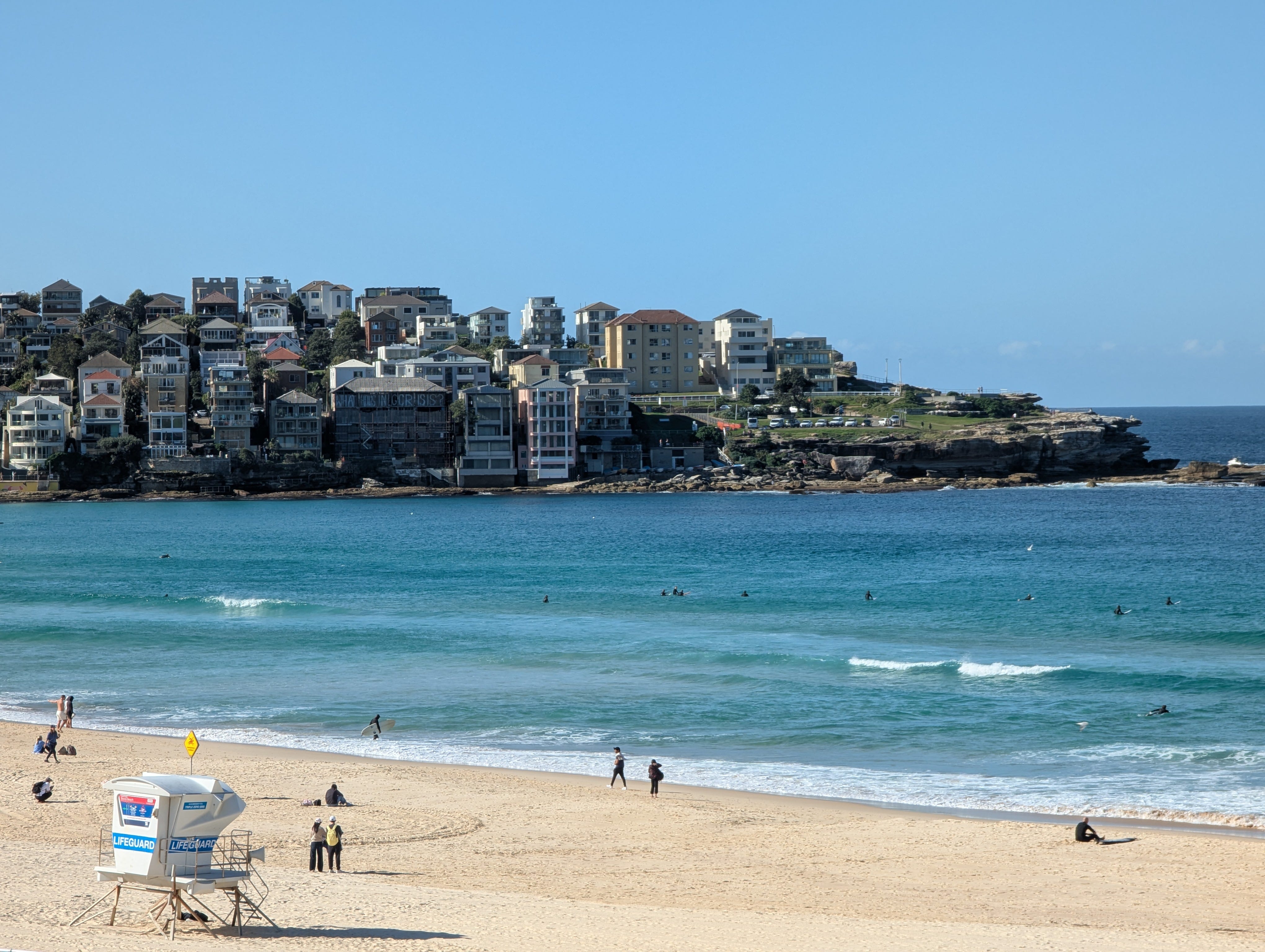
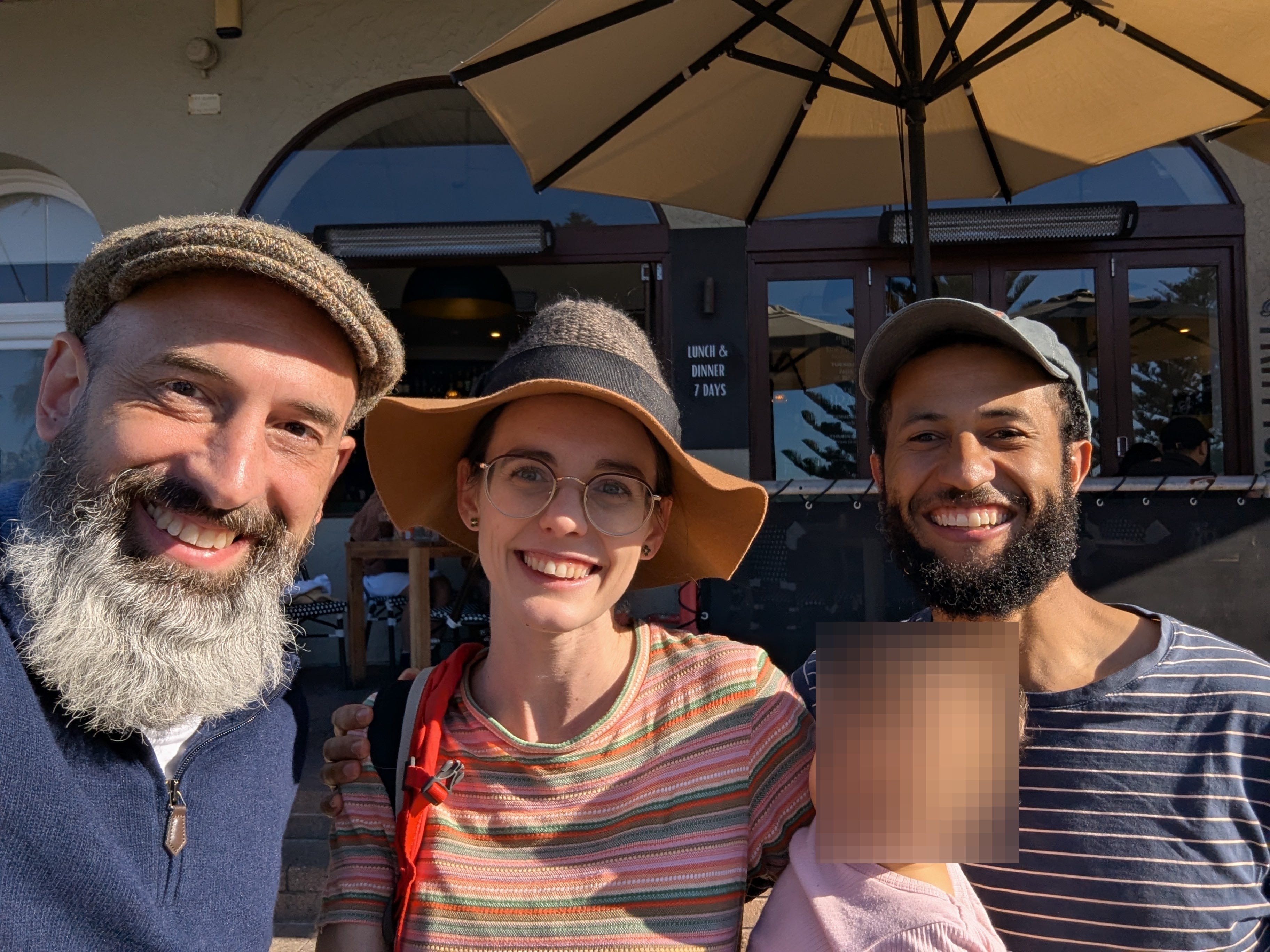
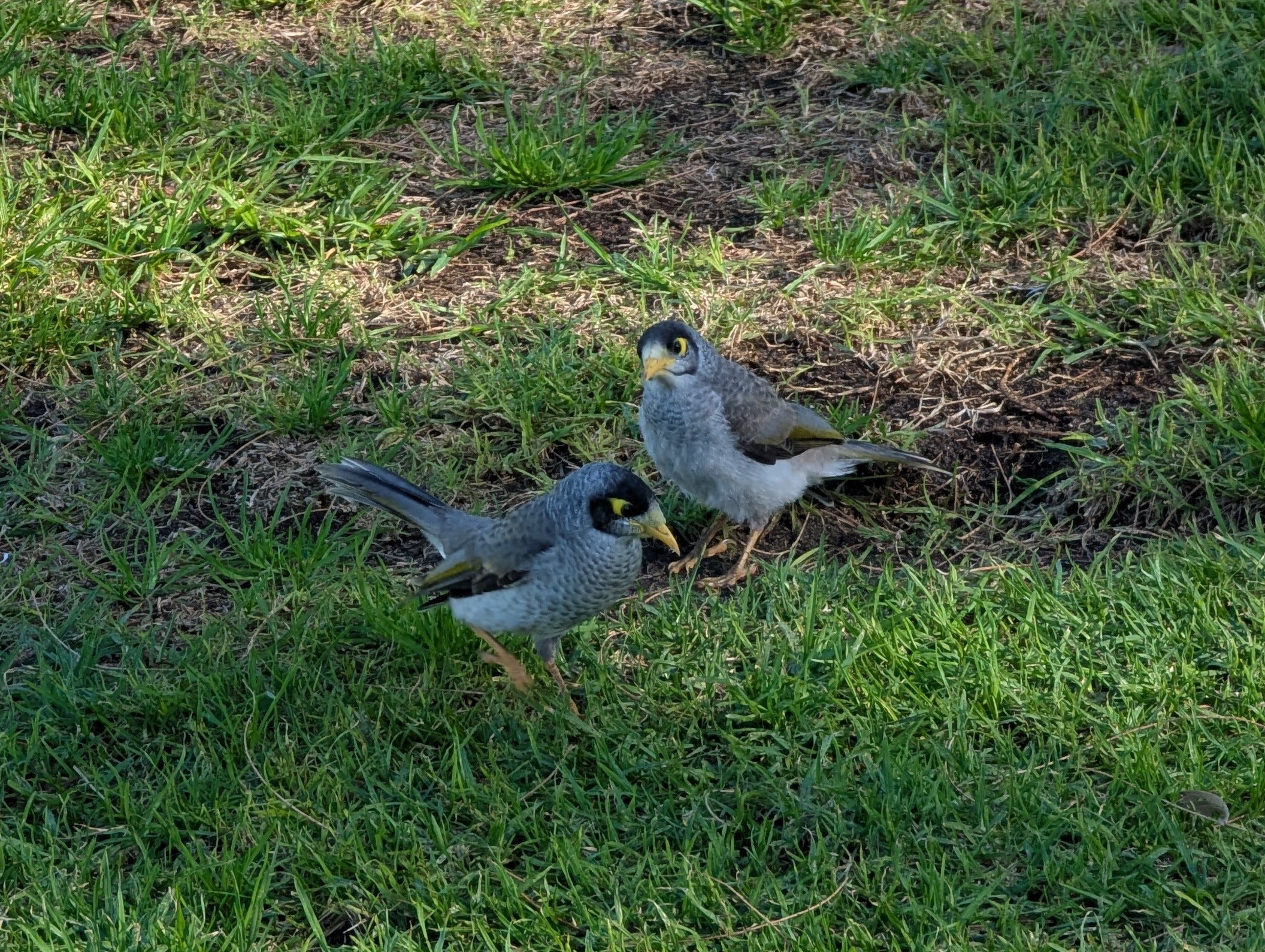
We saw dolphins playing out at sea and various birds and many trees that were unfamiliar to me. The beaches were glorious, although some were closed because of a recent shark attack.
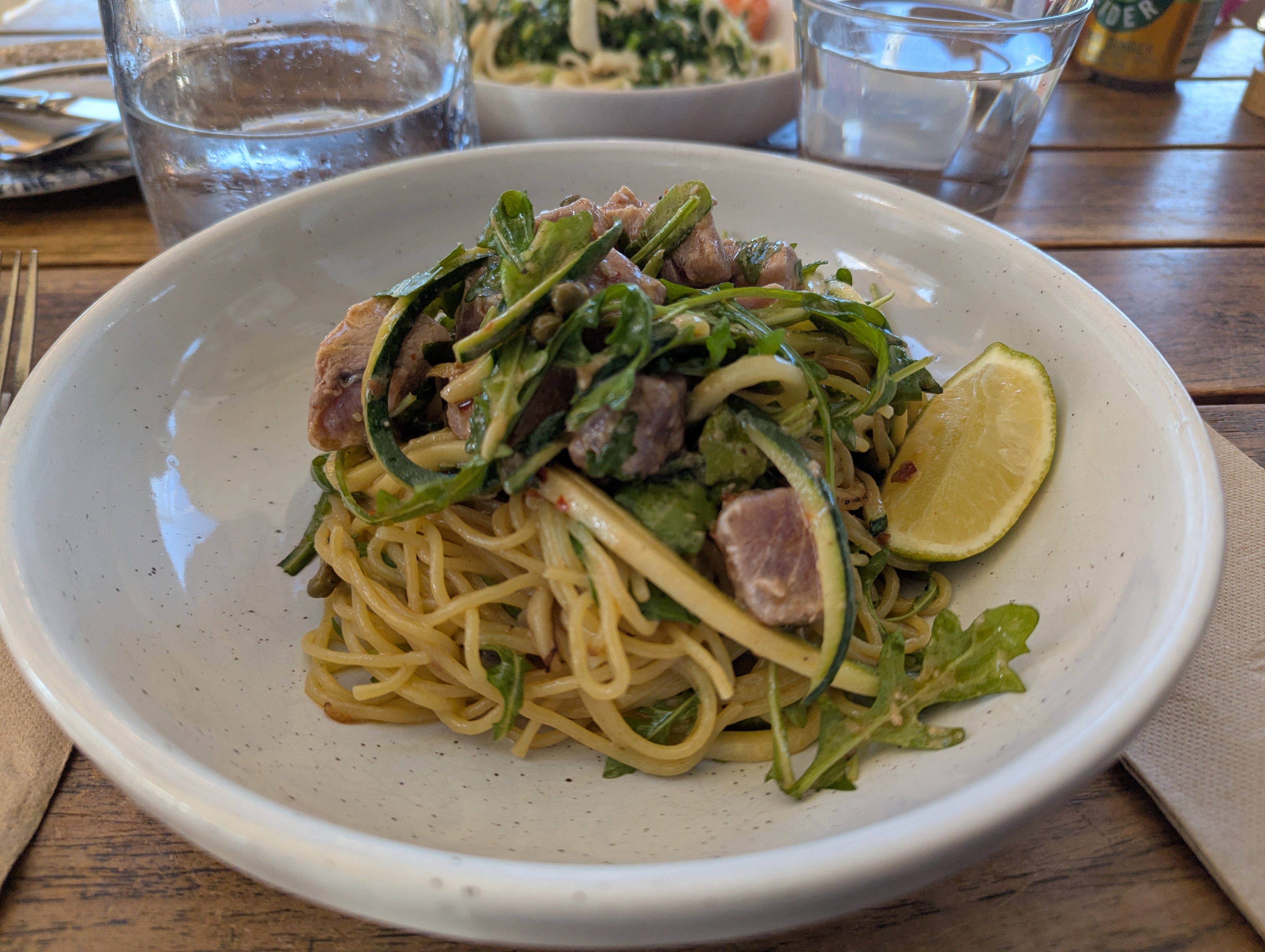
We ended up at the world-famous Bondi Beach, where my friends treated me to a meal.
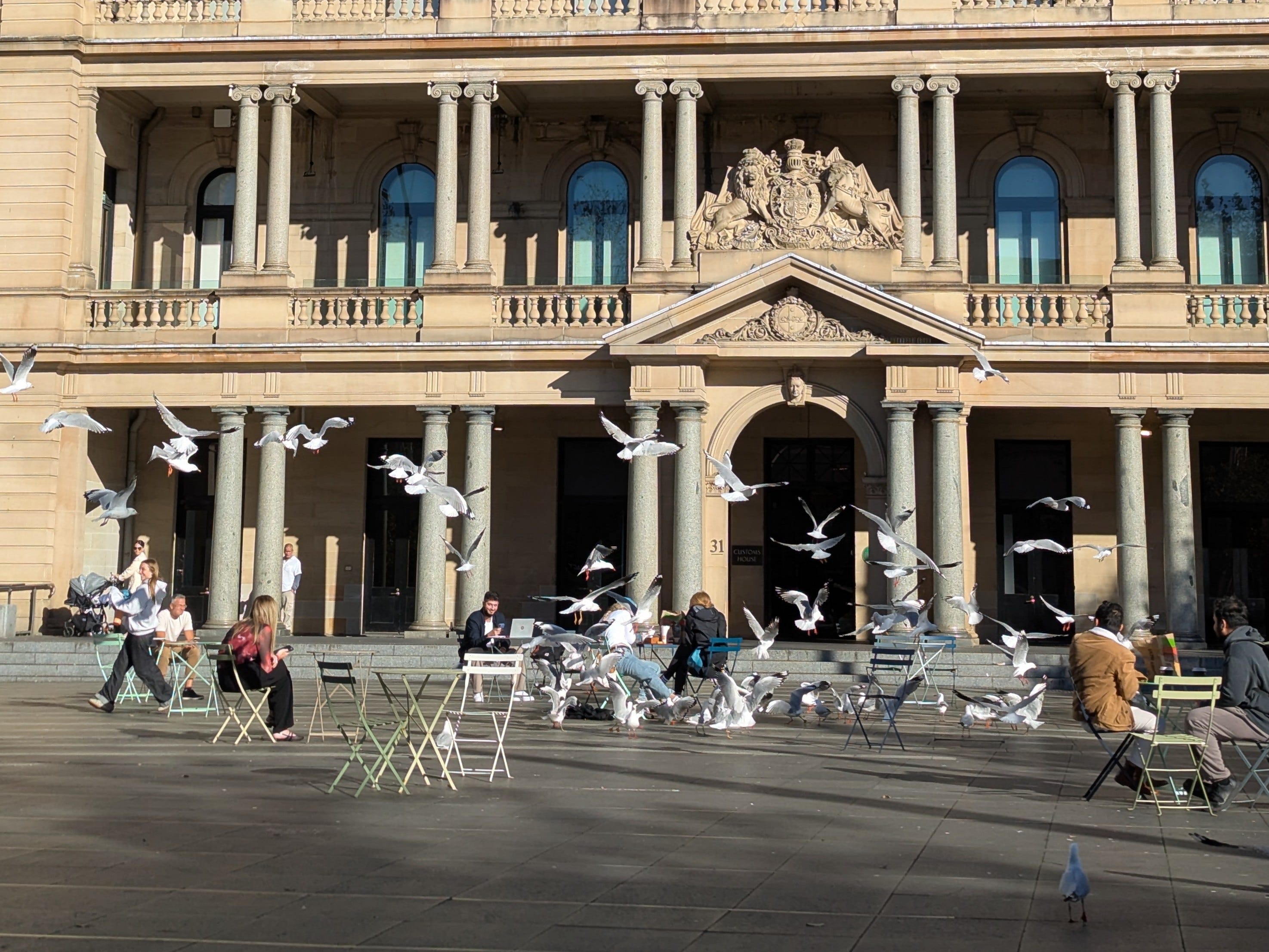
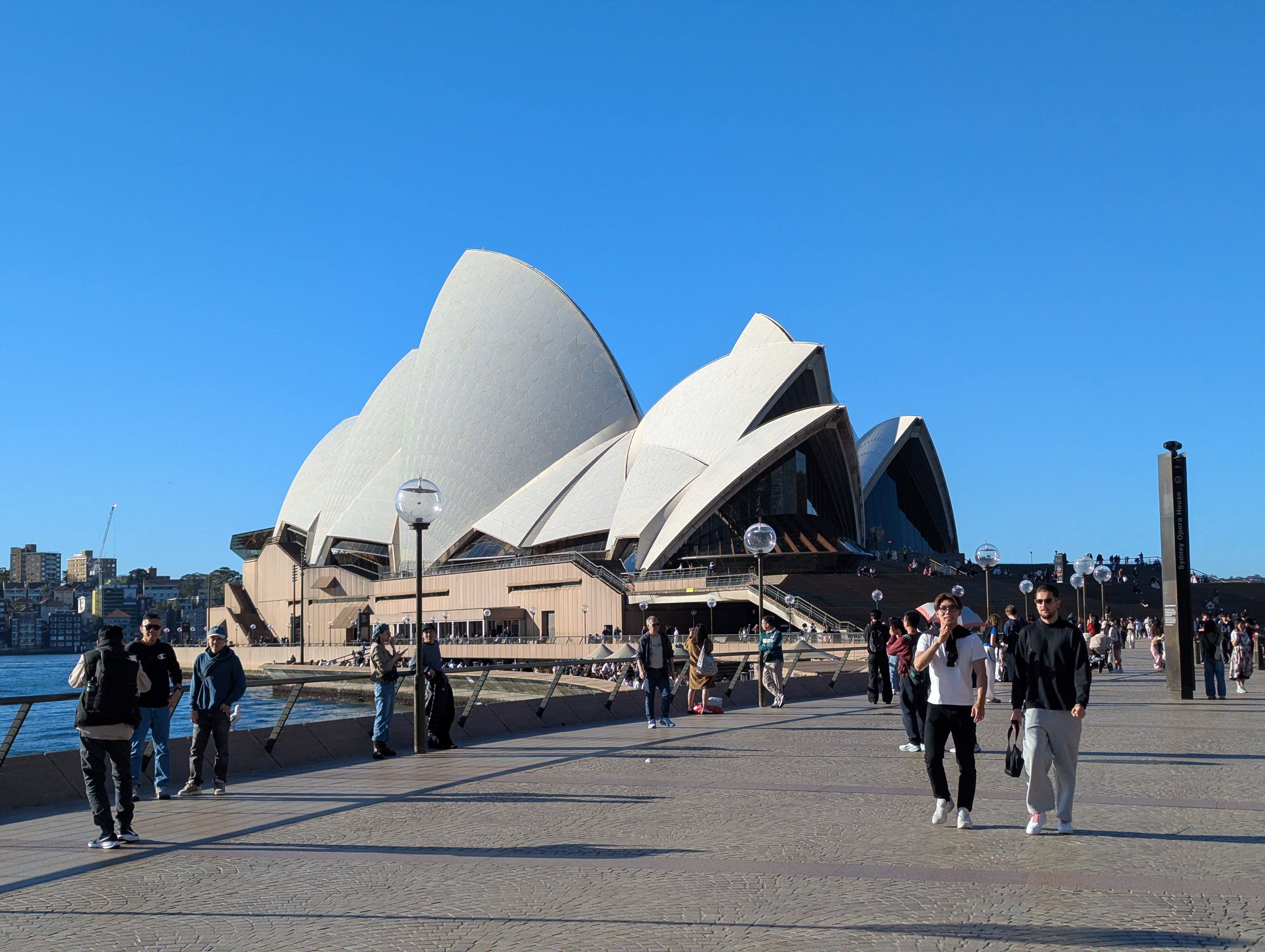
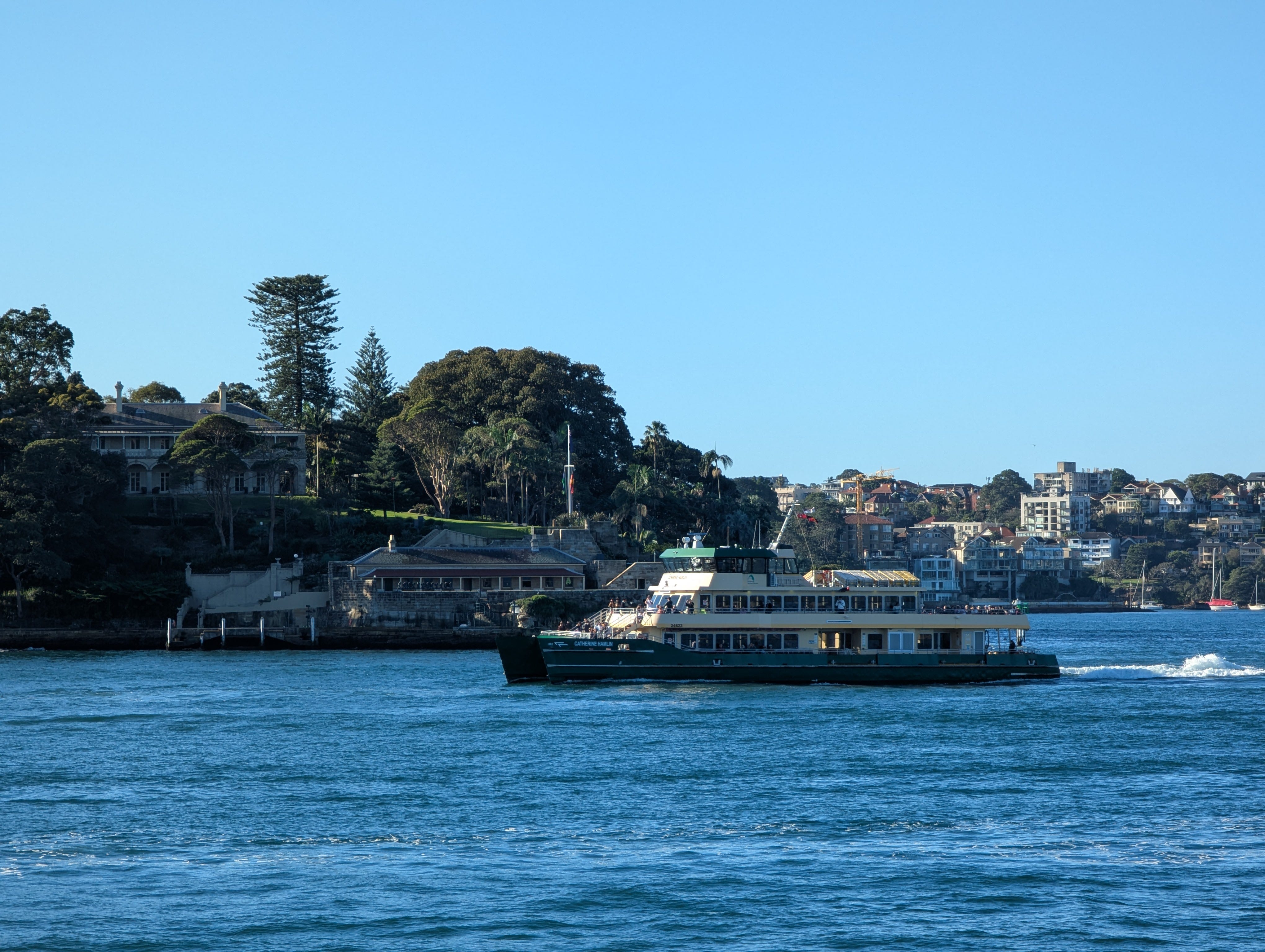
Jemimah and Dorothy returned home, while Sean brought me down to Circular Quay, where we rendezvoused with Andrew Errington and Dani. We spent the next few hours walking around with them. I was very glad to have been so rested on the flight: had I not been, I might have missed out on so much!
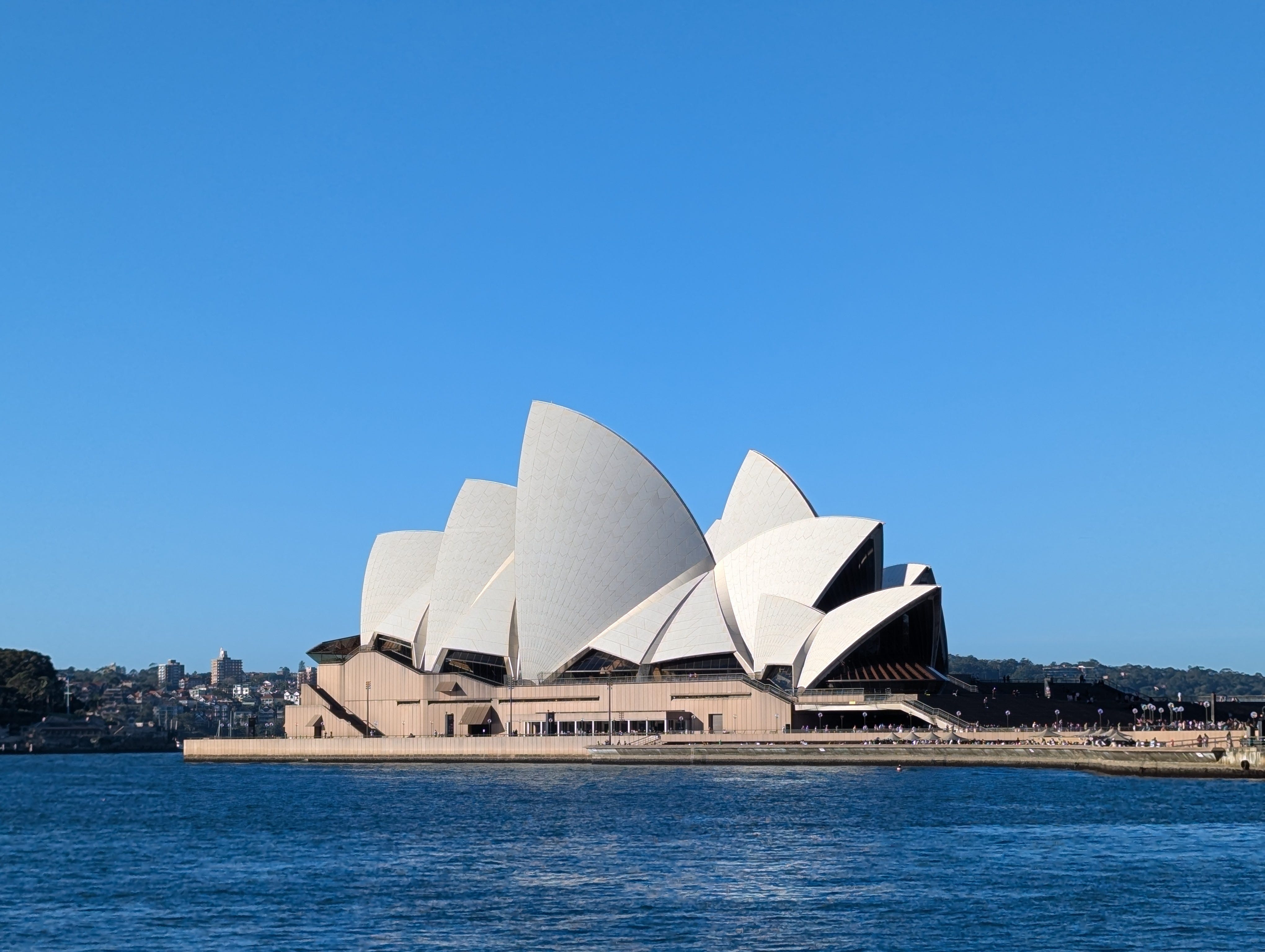
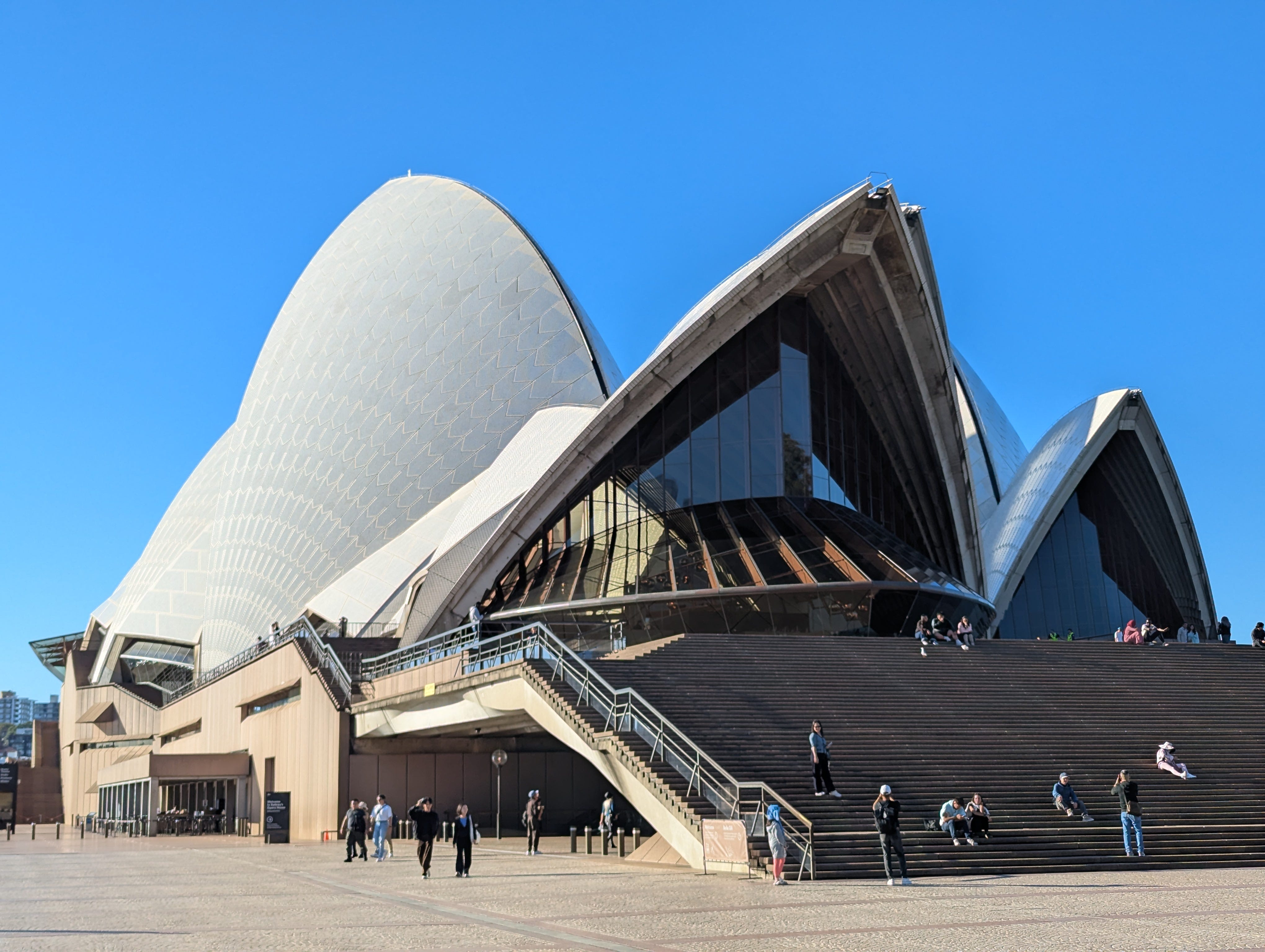
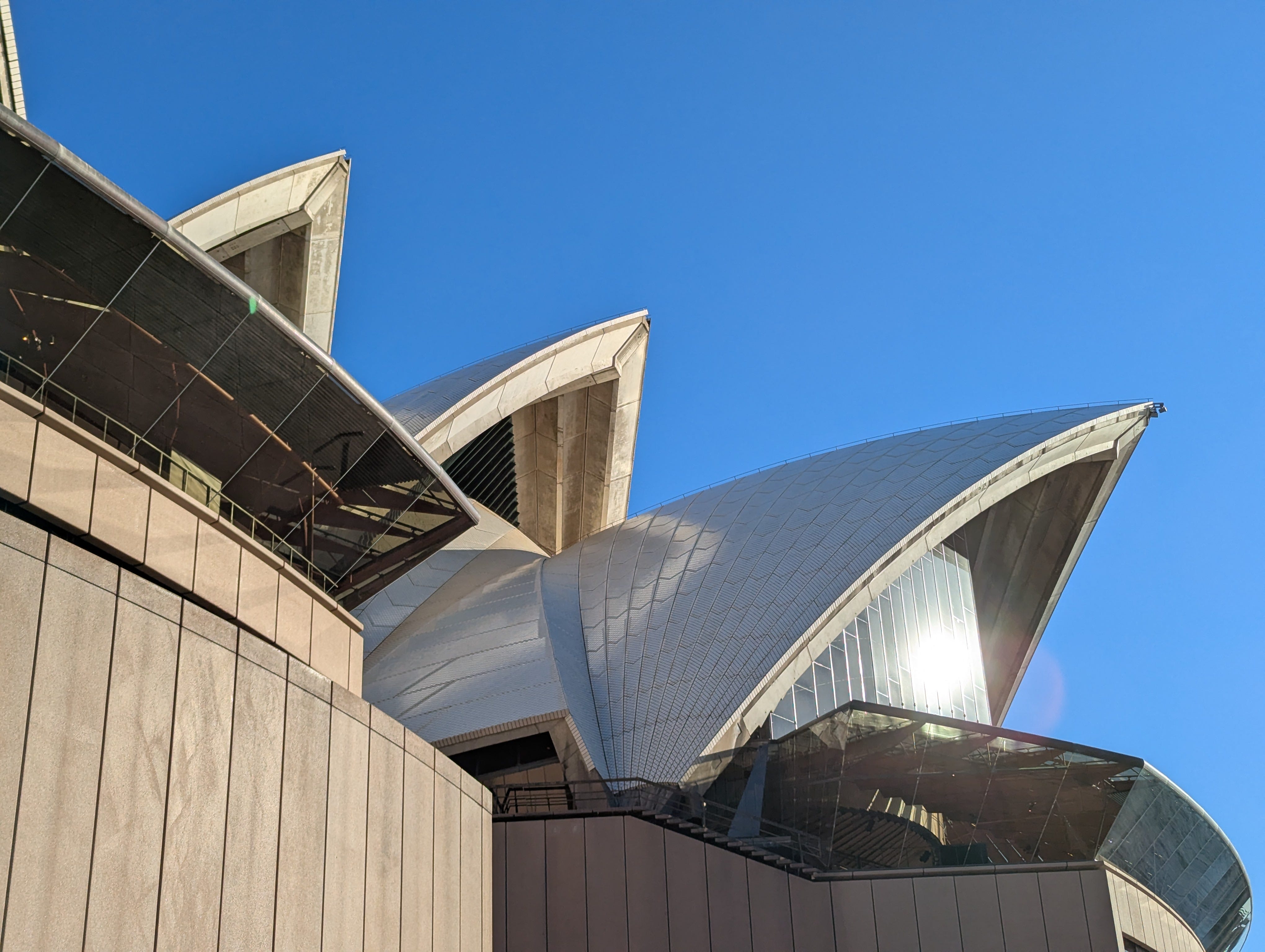
Had I not visited the Sydney Opera House, I fear the fact of my visit to the city would not have registered with the universe. However, my guides made sure that we saw it close up. Its iconic status is clearly deserved.
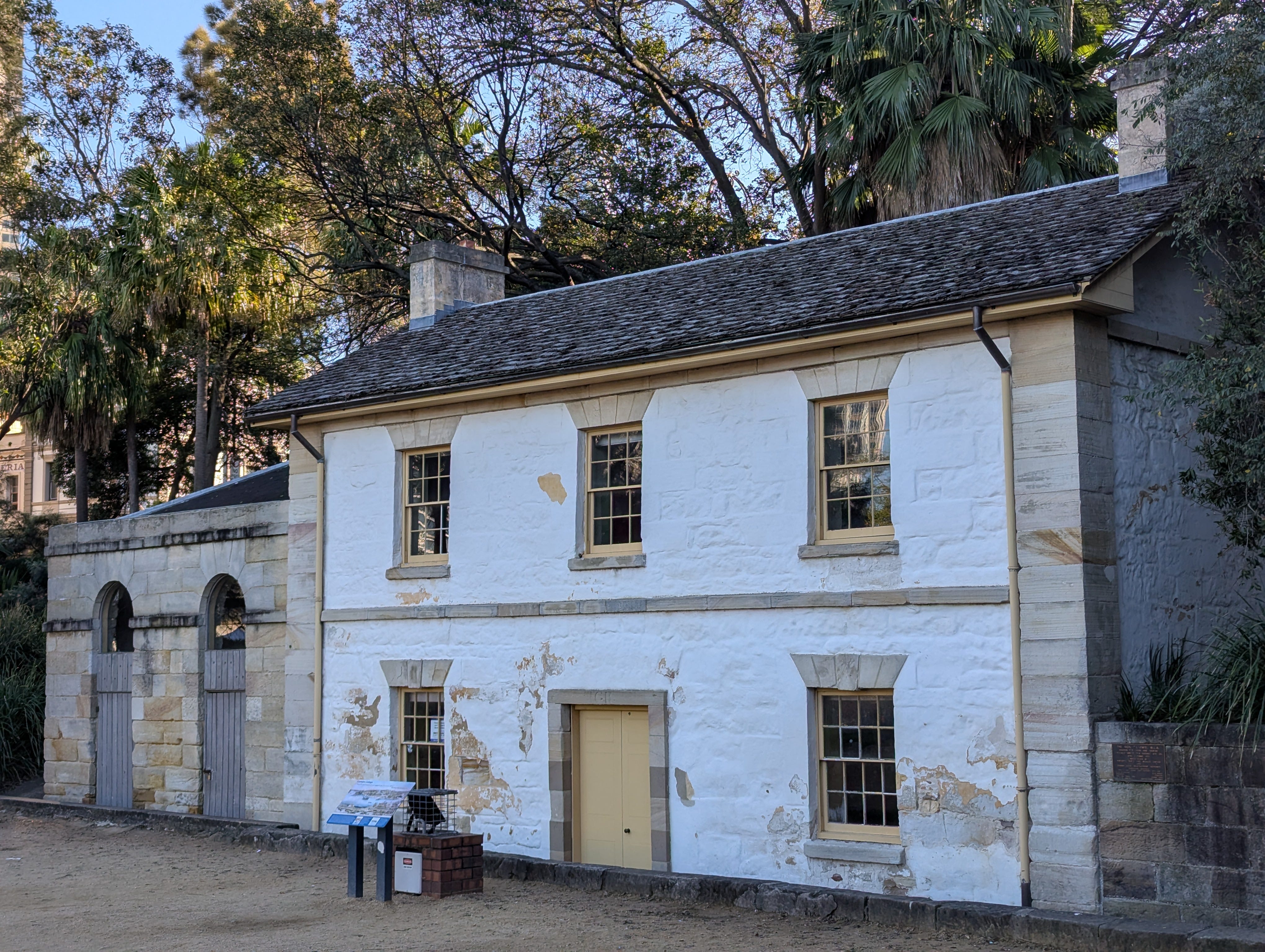
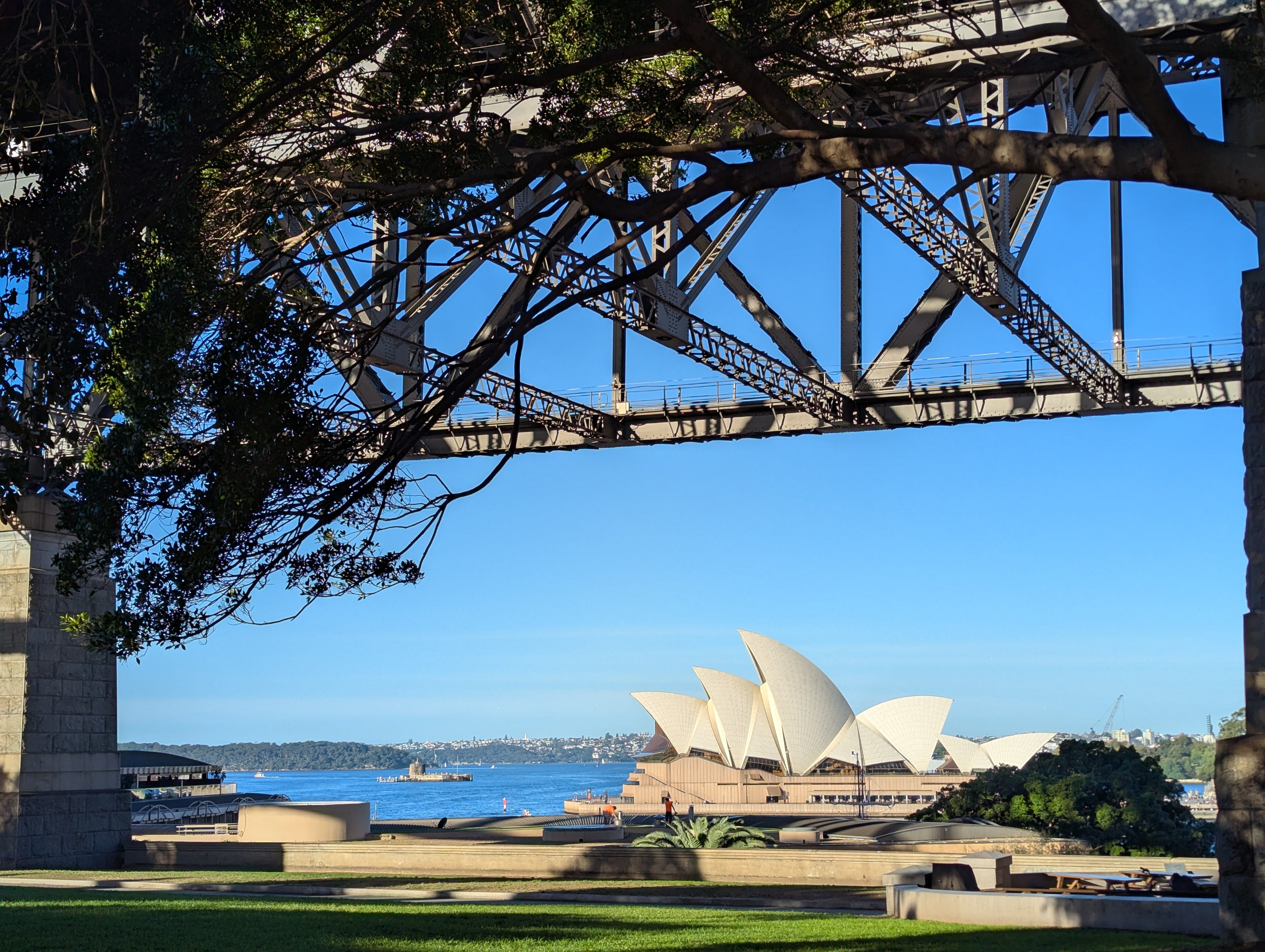
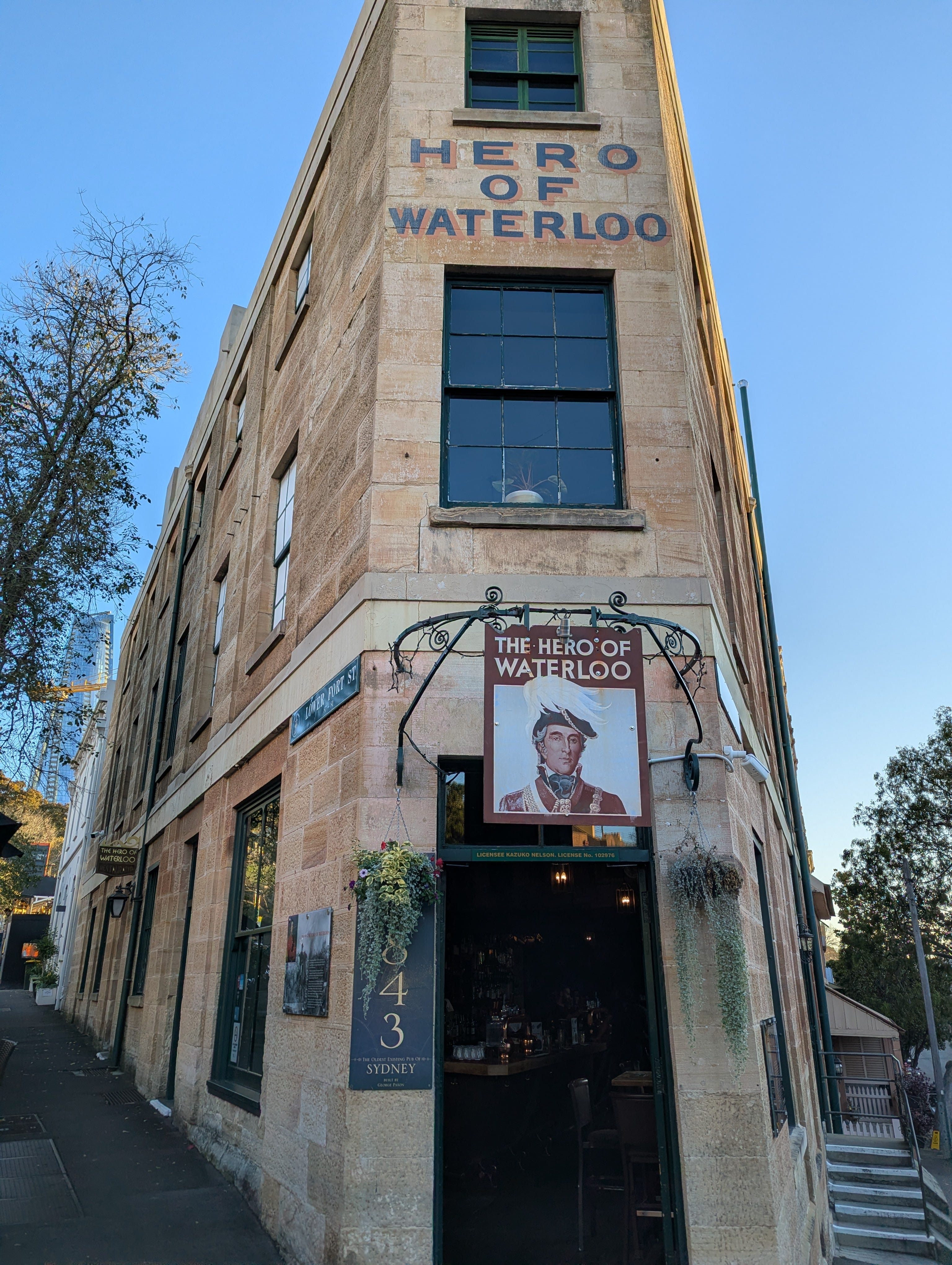
We walked up towards the bridge, before stopping at the Hero of Waterloo pub for a drink.
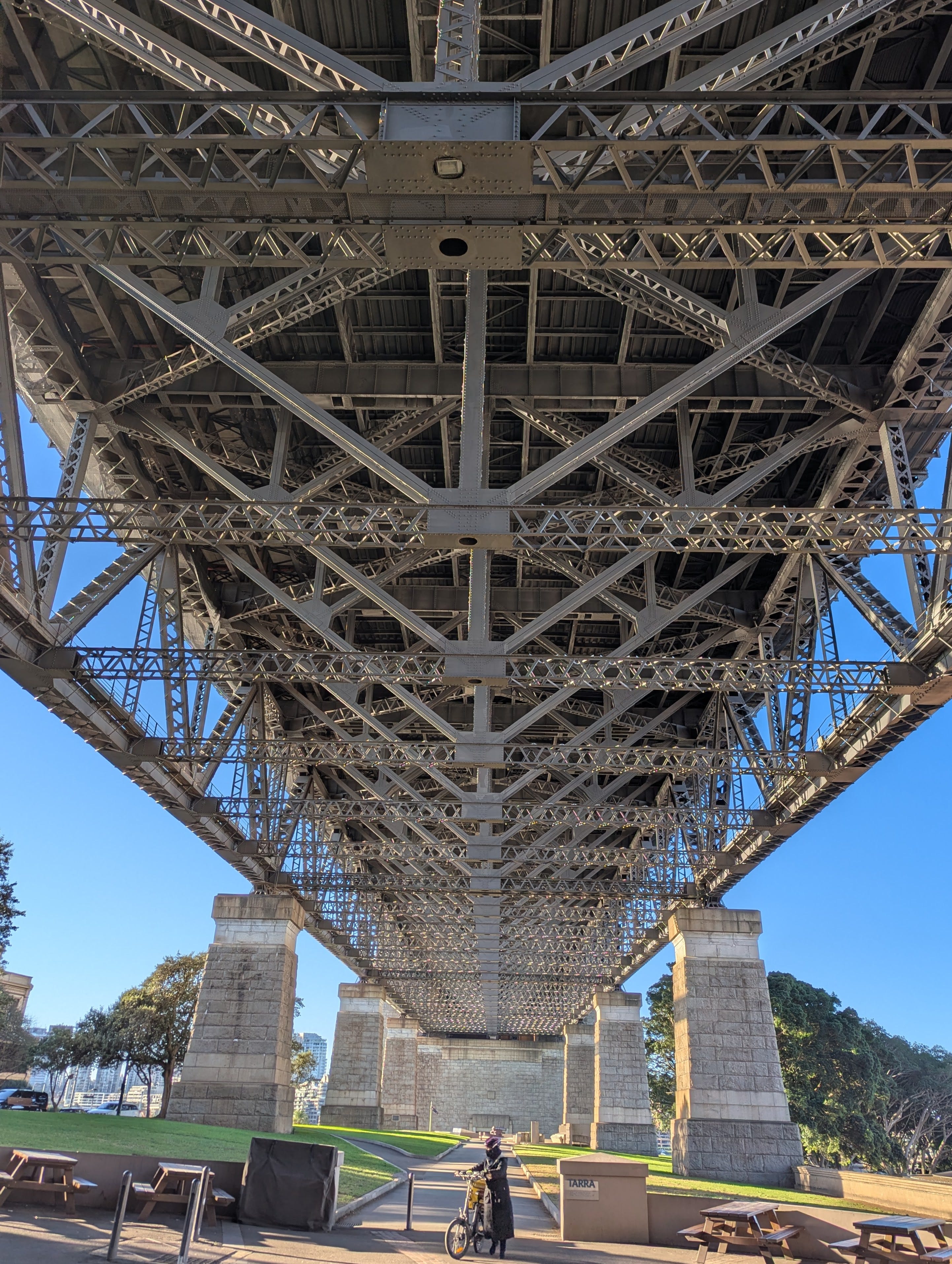
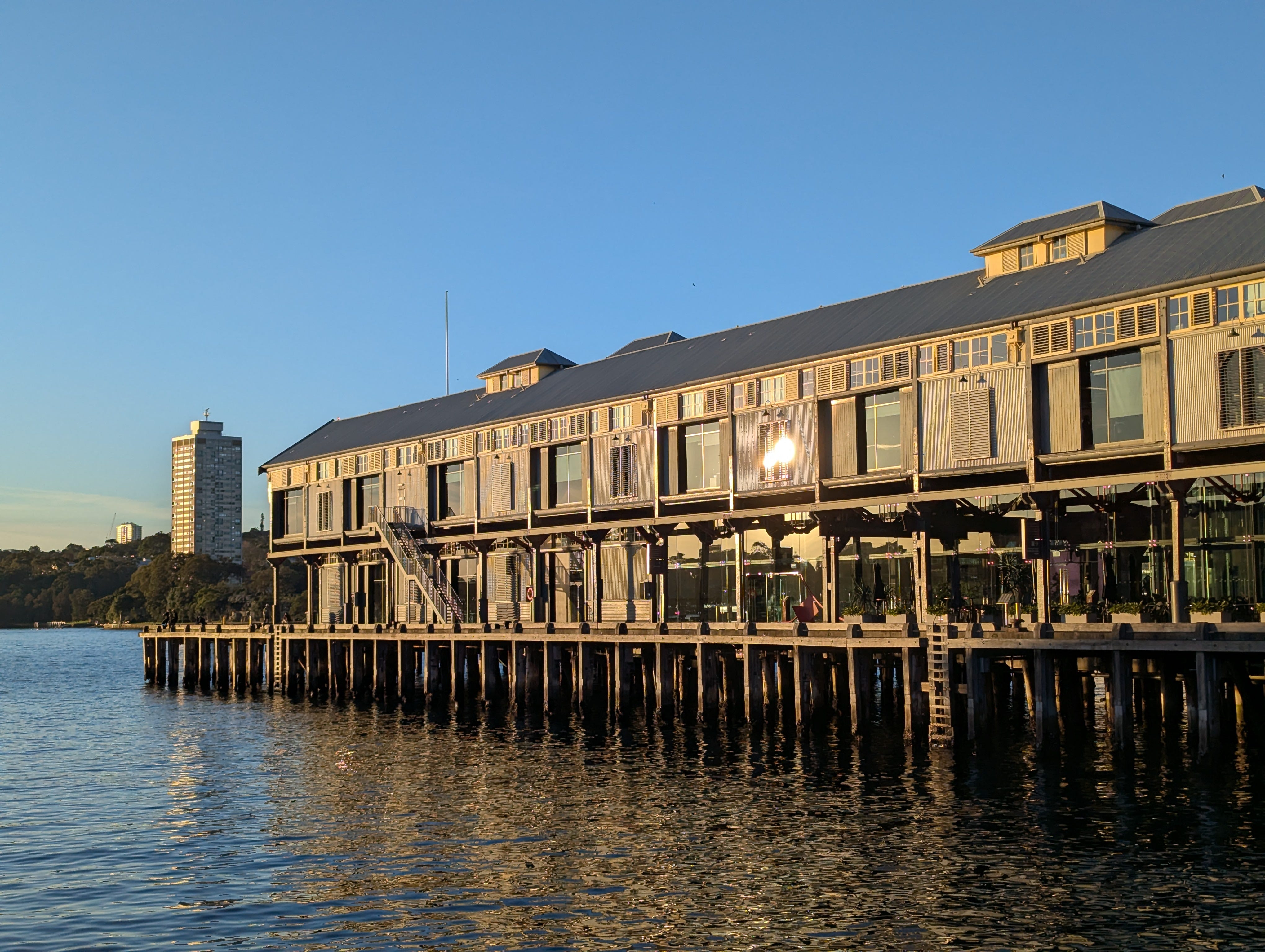
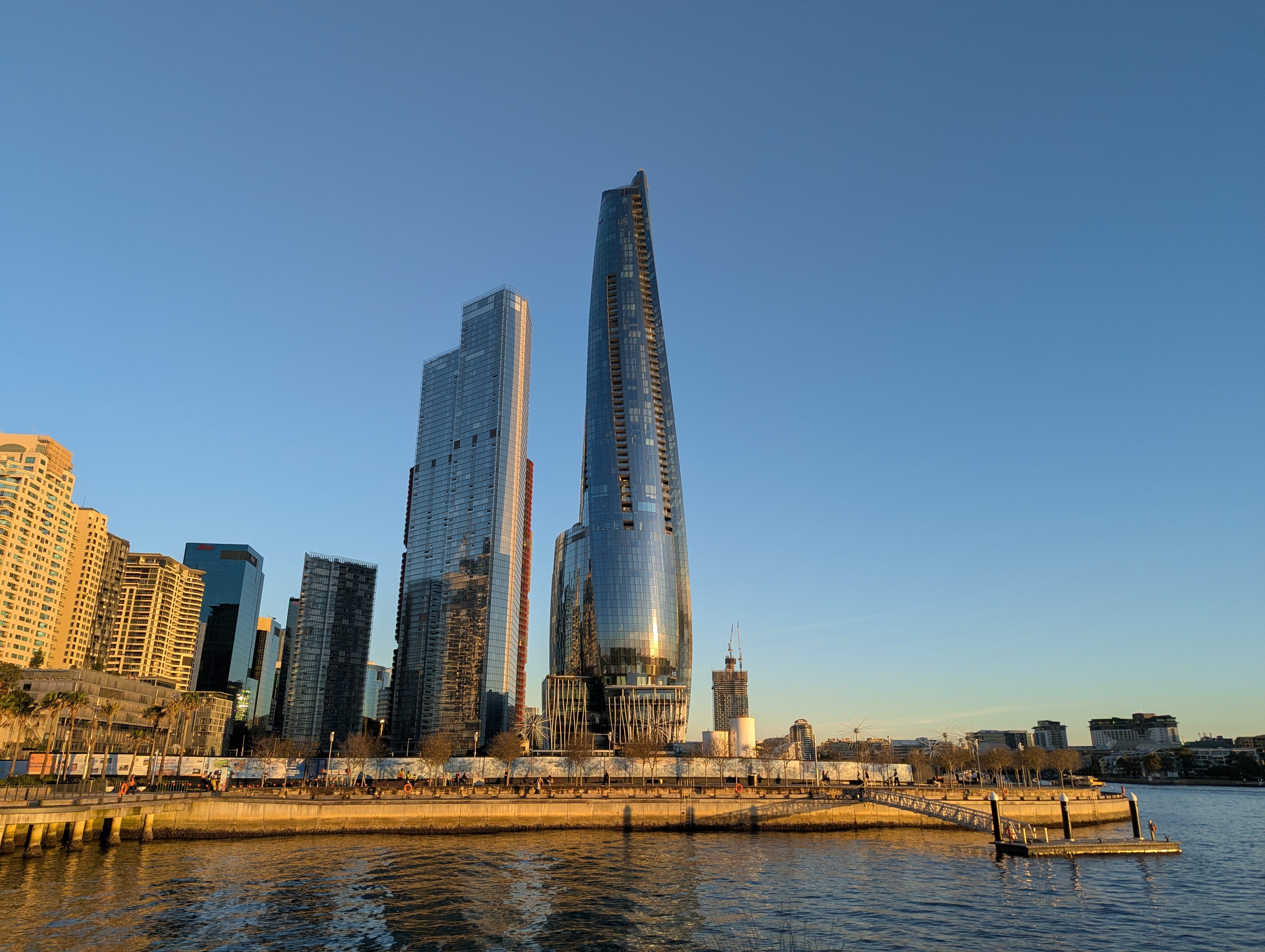
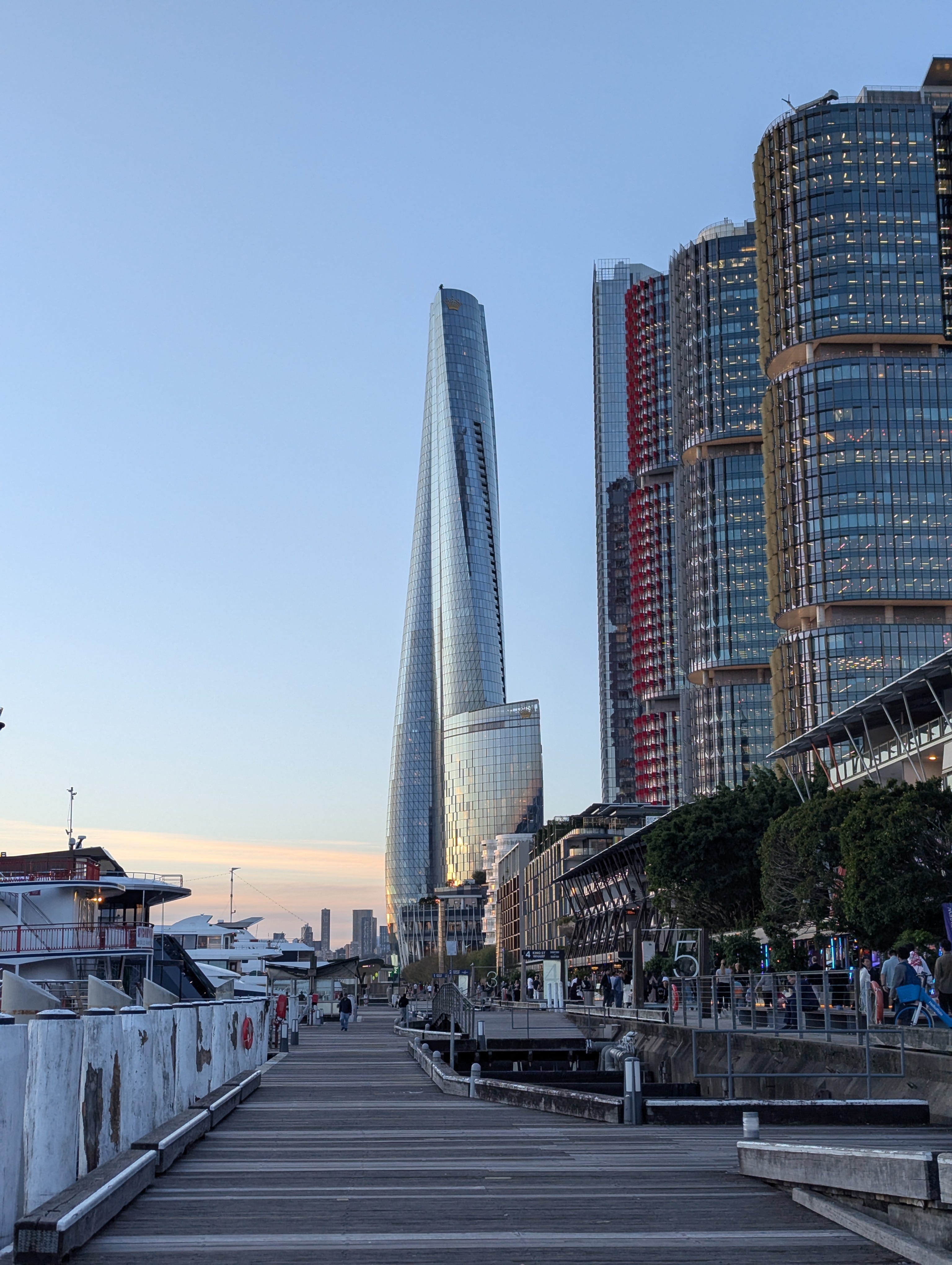
Sean left us at this point, while Dani and Andrew walked with me through Barangaroo and down to Darling Harbour.
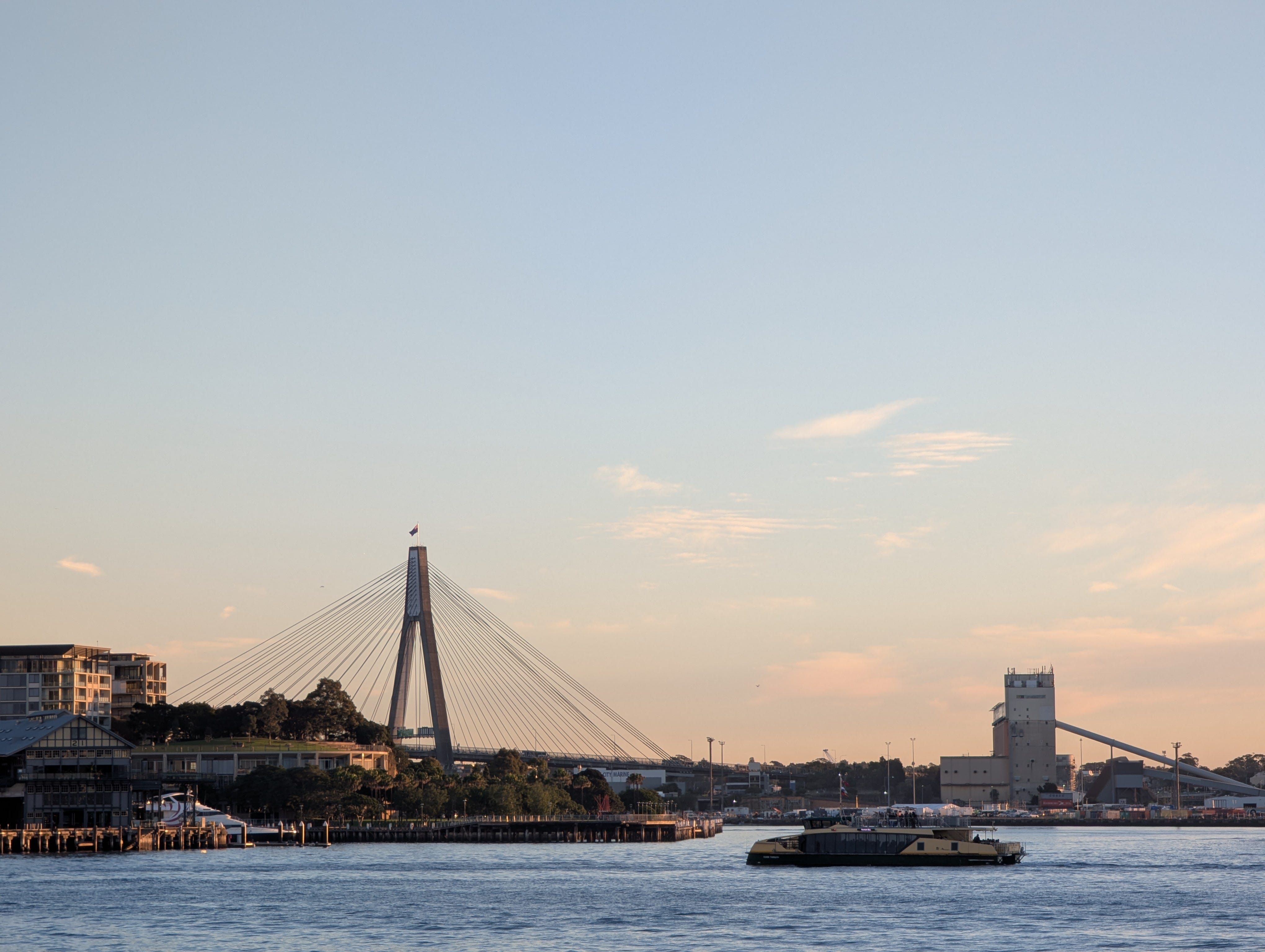
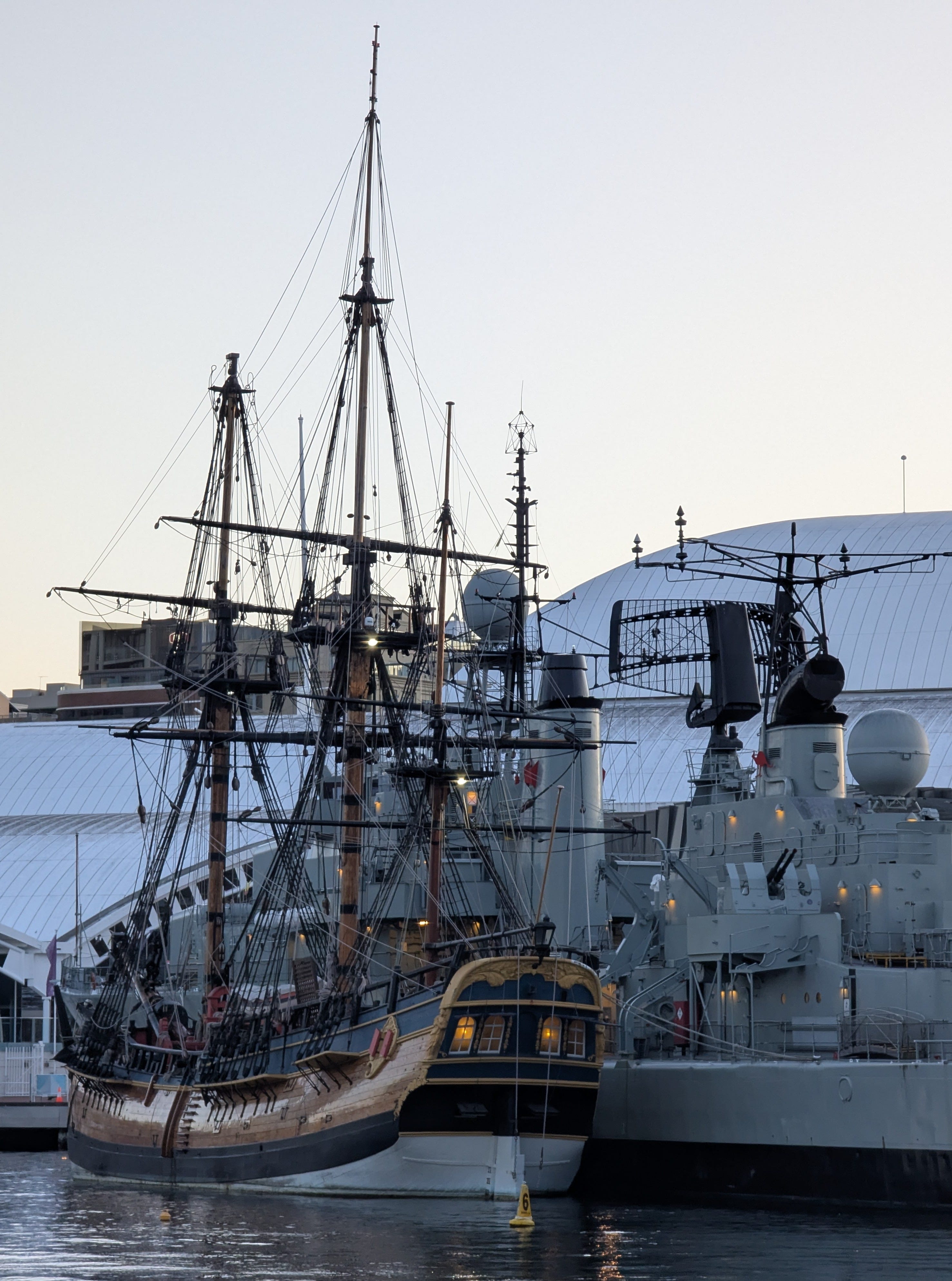
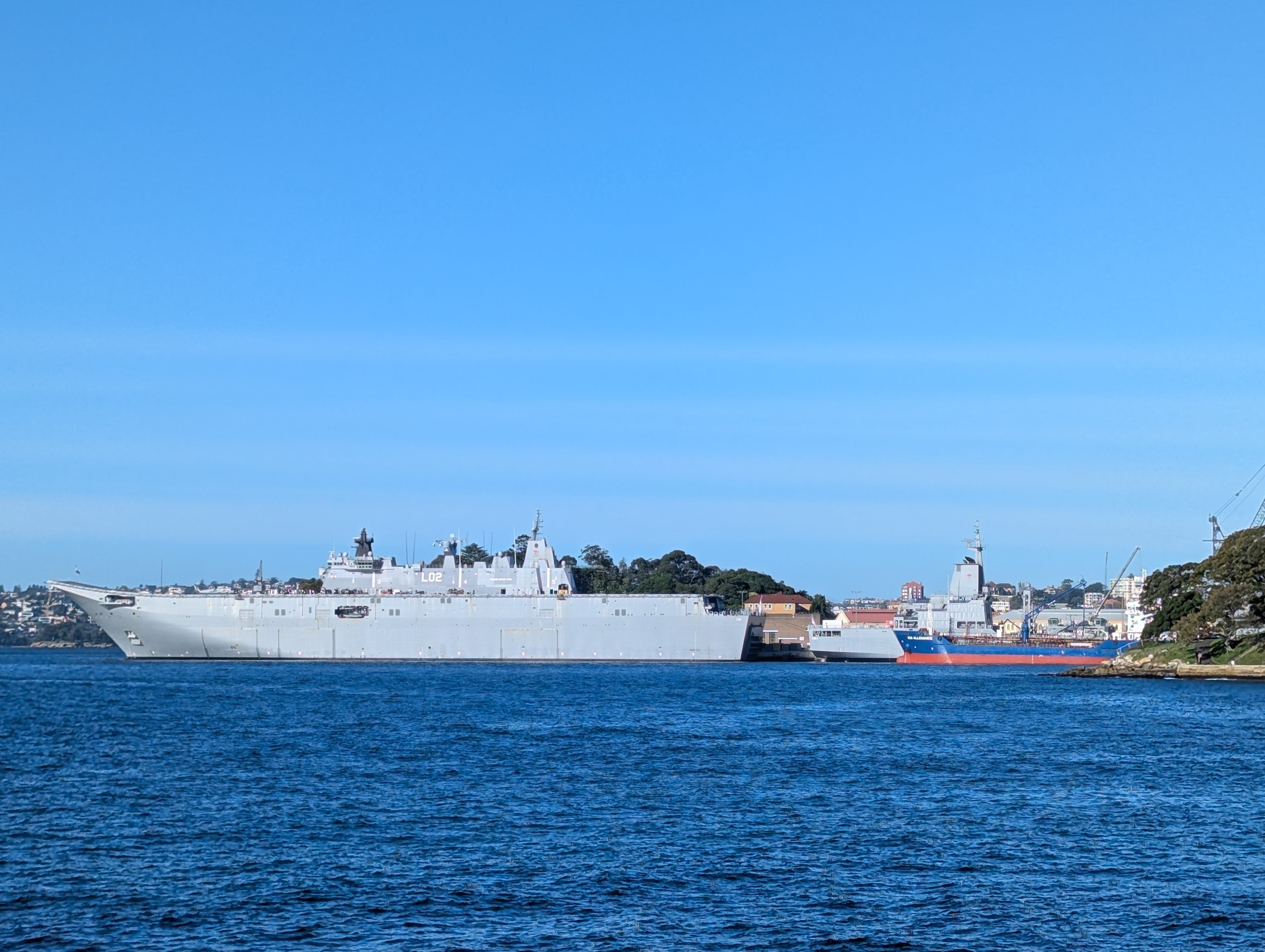
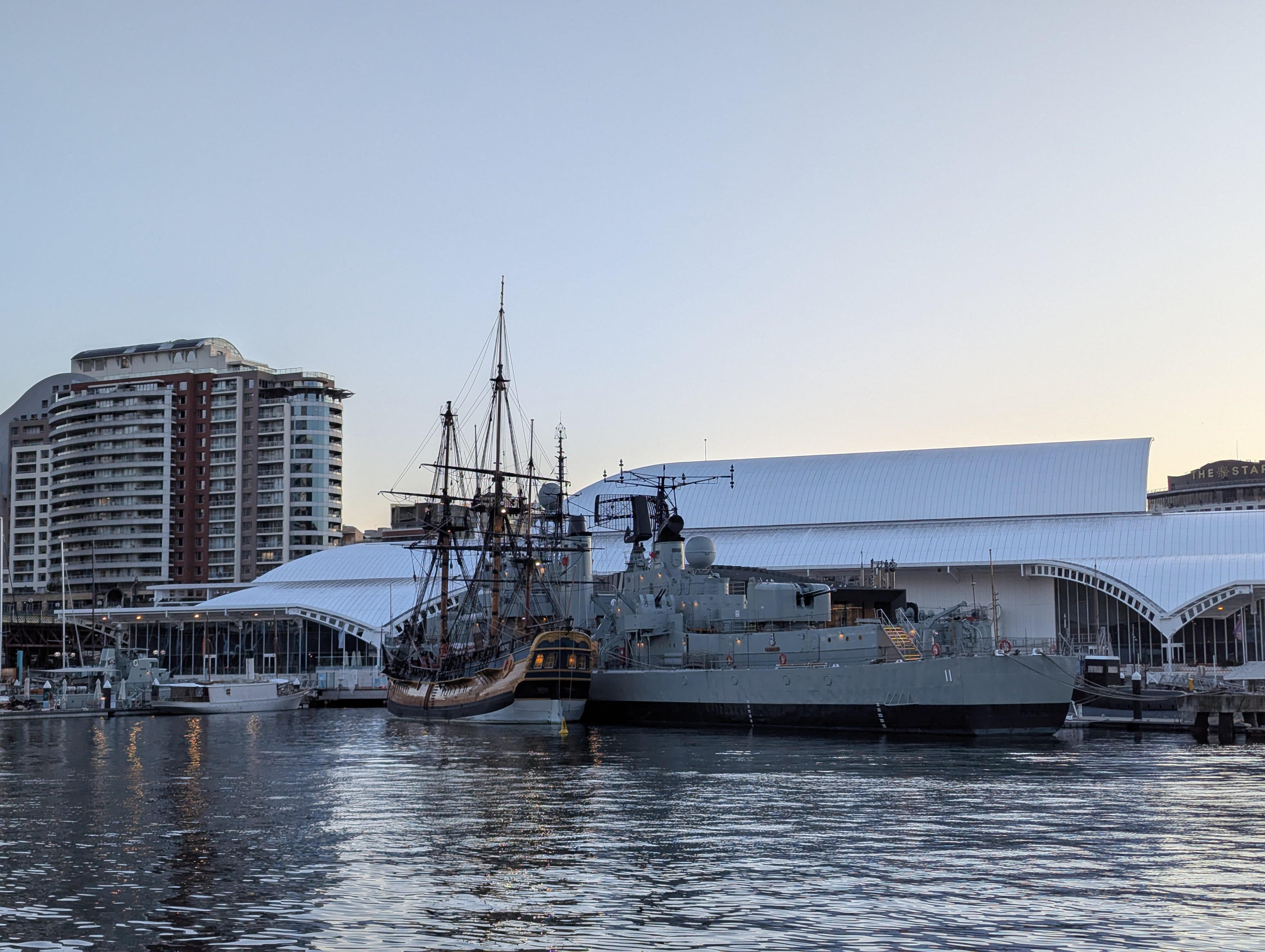
Looking at some of the vessels moored outside the Australian National Maritime Museum, I was struck by how much Susannah was missing out.
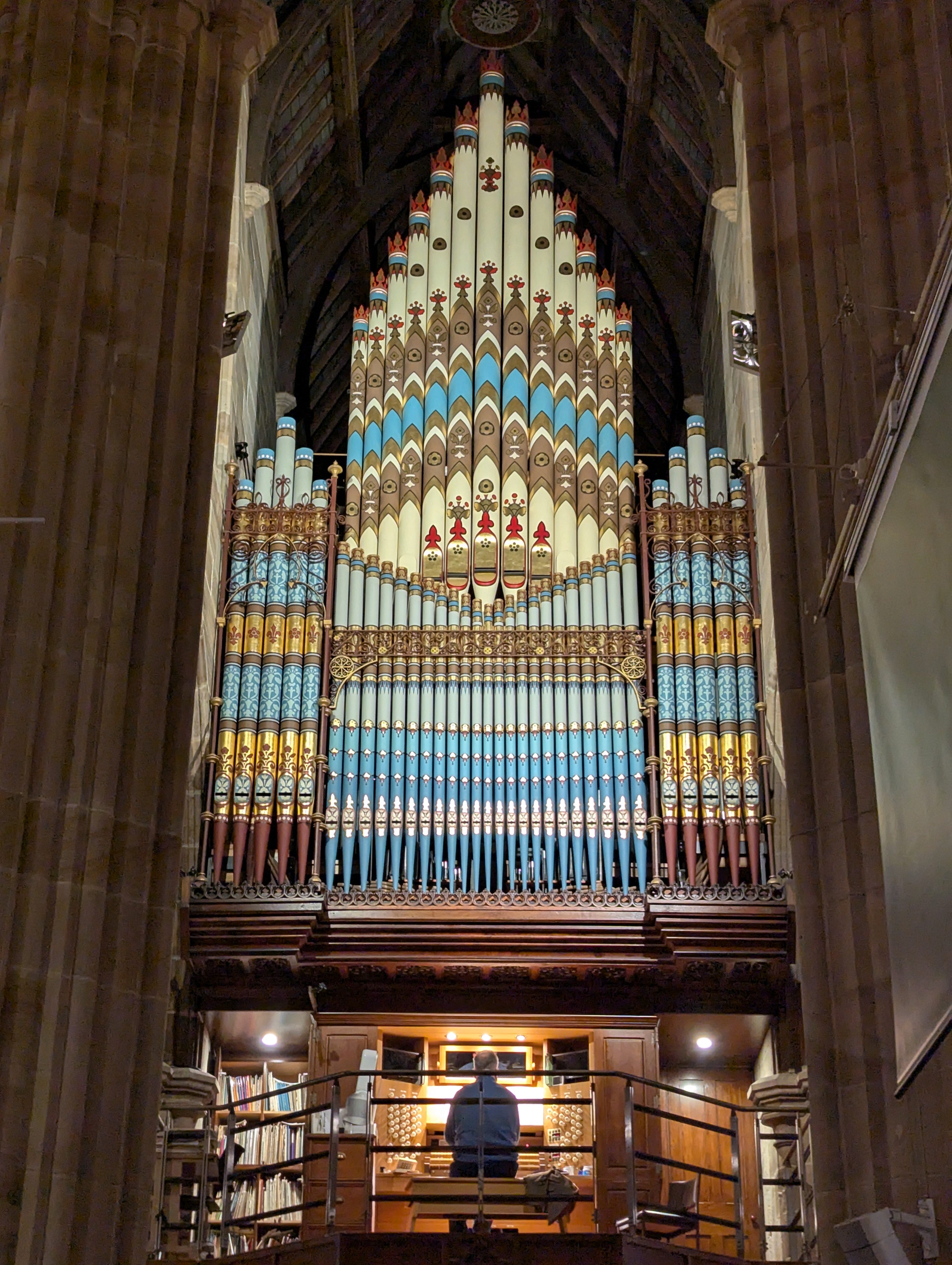
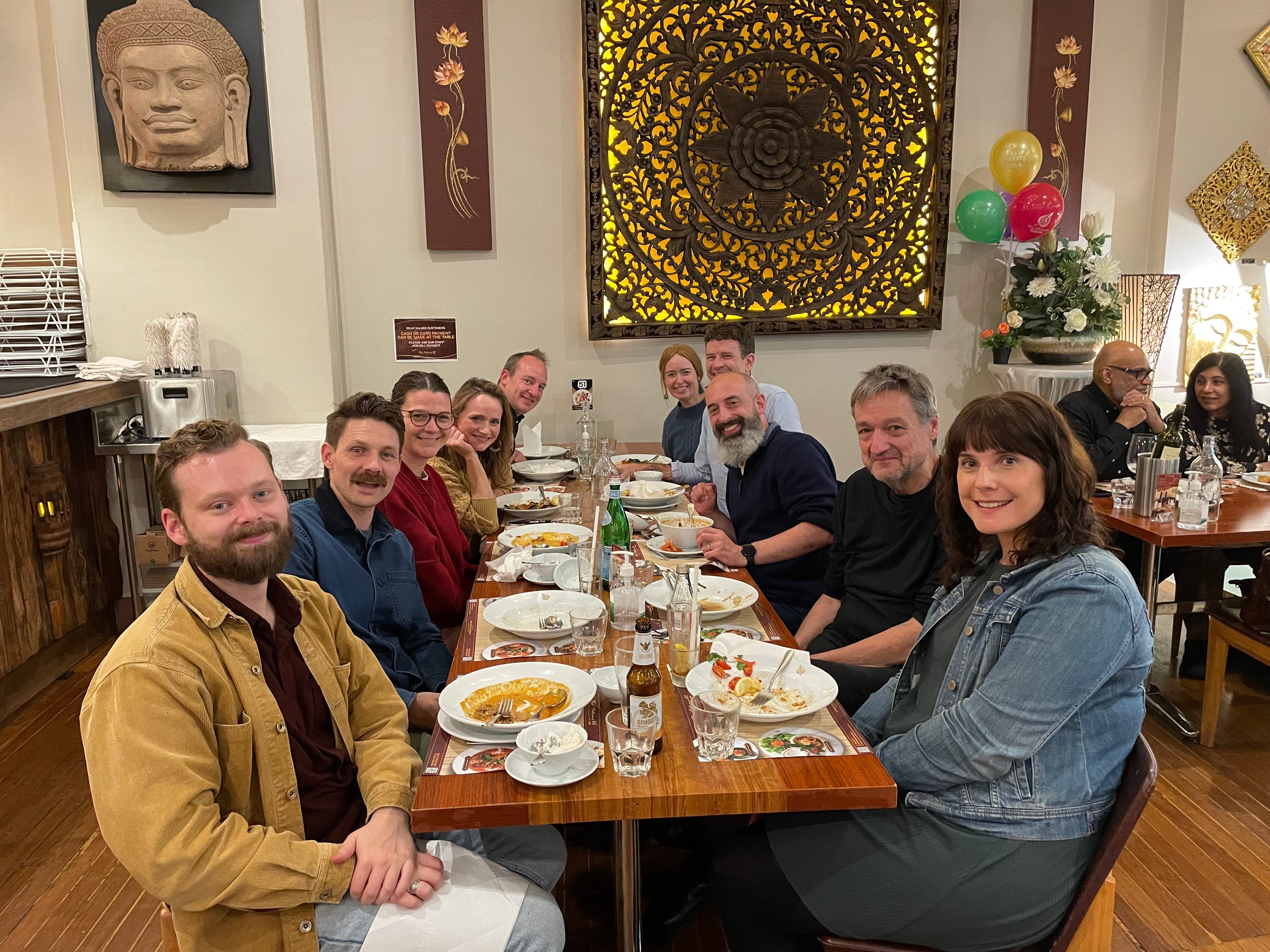
Dani took me to see St Andrew’s Cathedral, before we met up with several people, including Rory Shiner, who had arranged my Australia visit, for a meal in a restaurant. After the meal, several of them shared ways in which my work had blessed them, which really was humbling. As a first day in the country, I could not have wished for a better introduction, or for better hosts.
The next day was more overcast and, after coffee with Andrew—with whom I simply did not have enough time to talk theology—we went to Moore College.
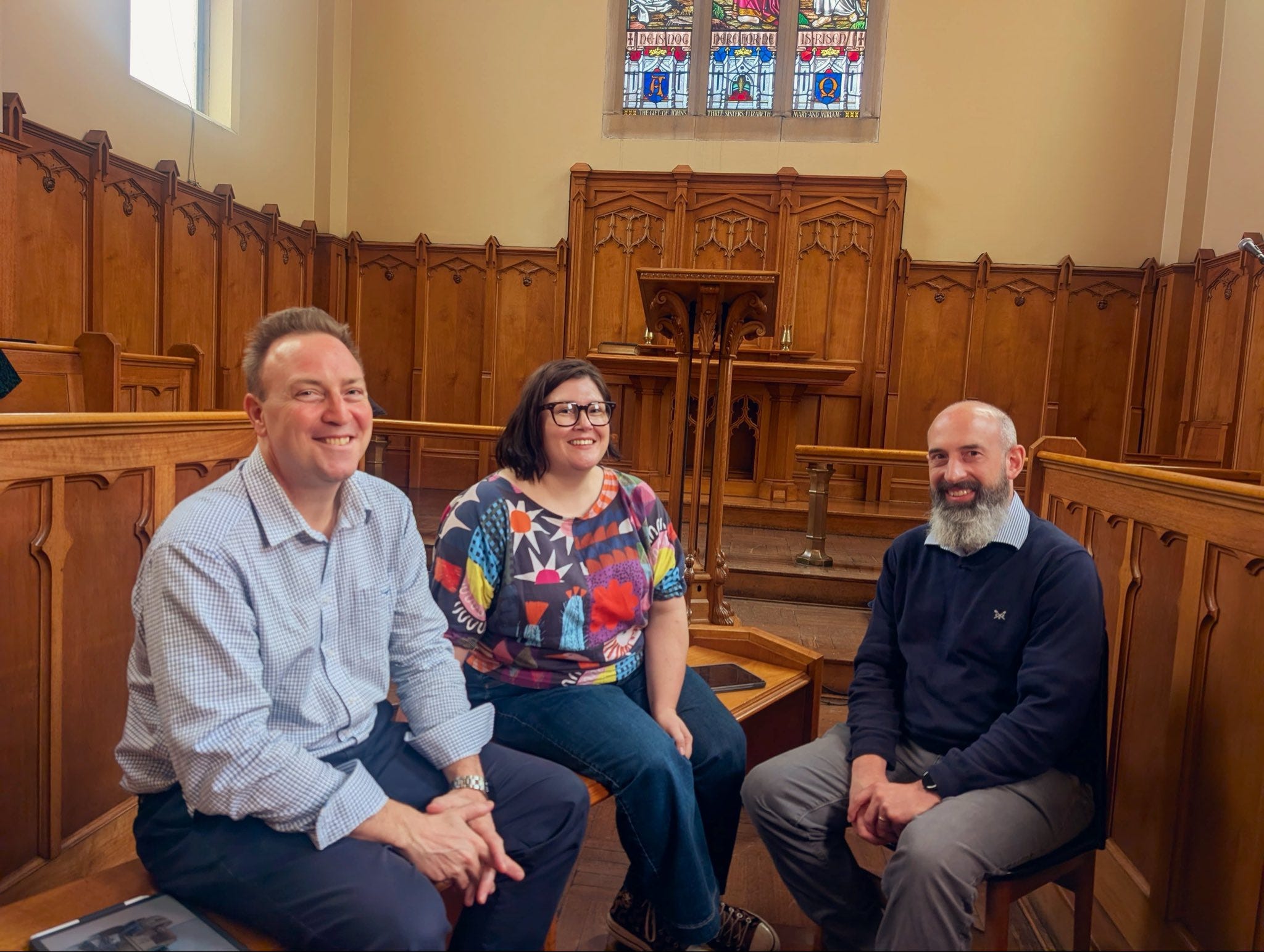
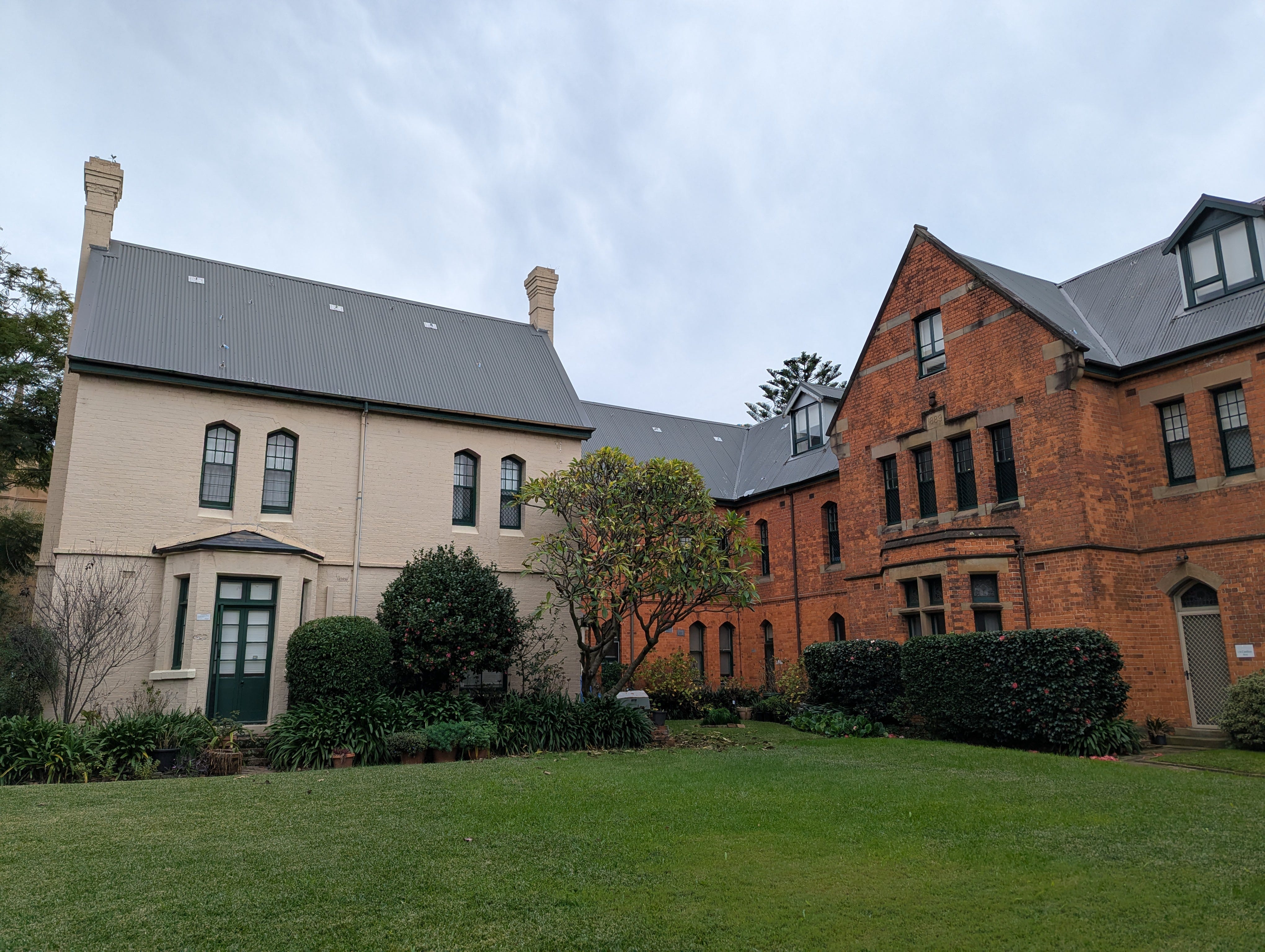
I recorded with Mark Earngey and the Prayer Book Society in the morning, discussing liturgy and the Bible. Mark showed me around the college and we joined a few other members of the faculty for lunch. In the afternoon, I joined Tony Payne for a Centre for Christian Living podcast recording, discussing AI and related issues.
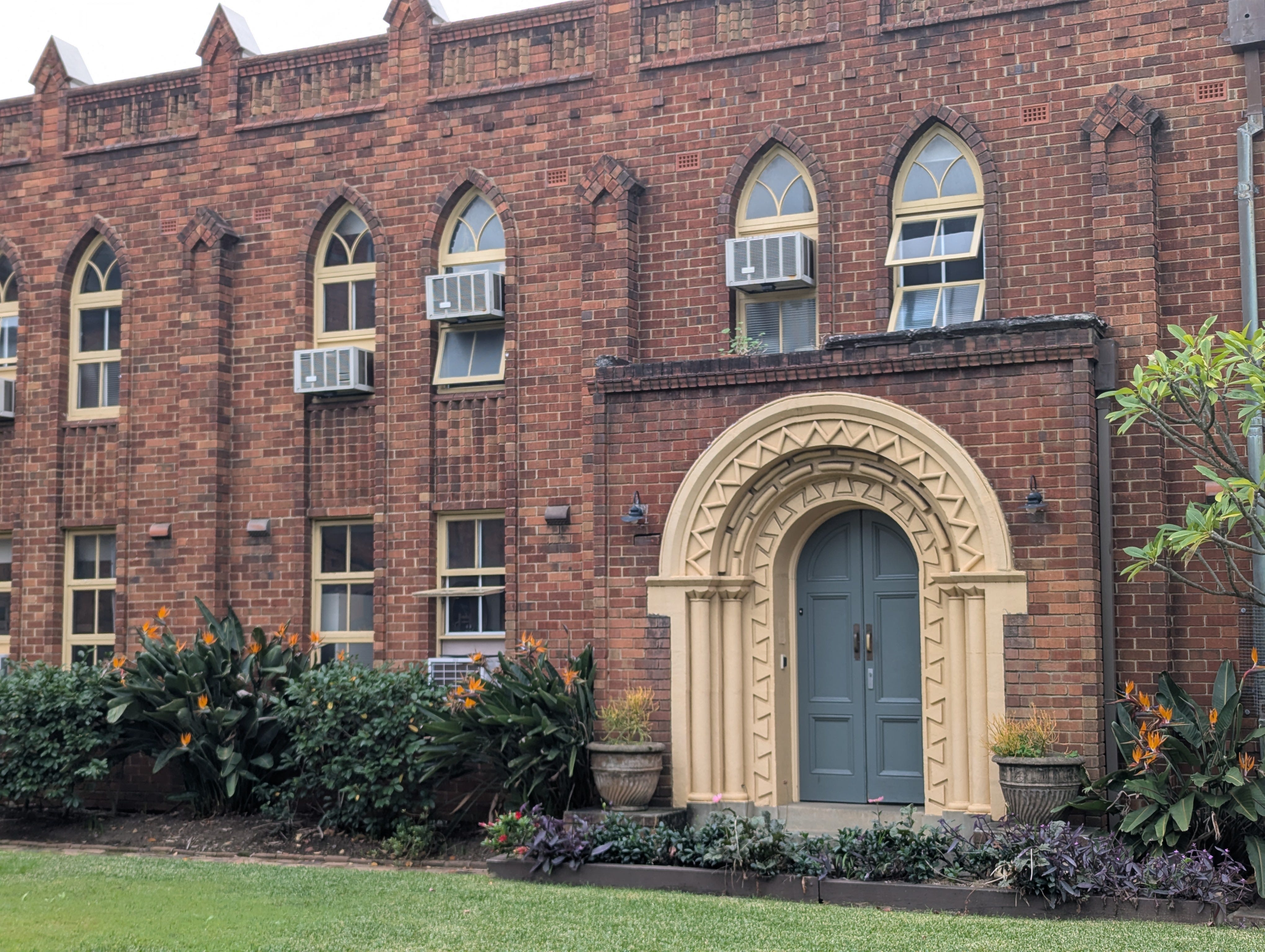
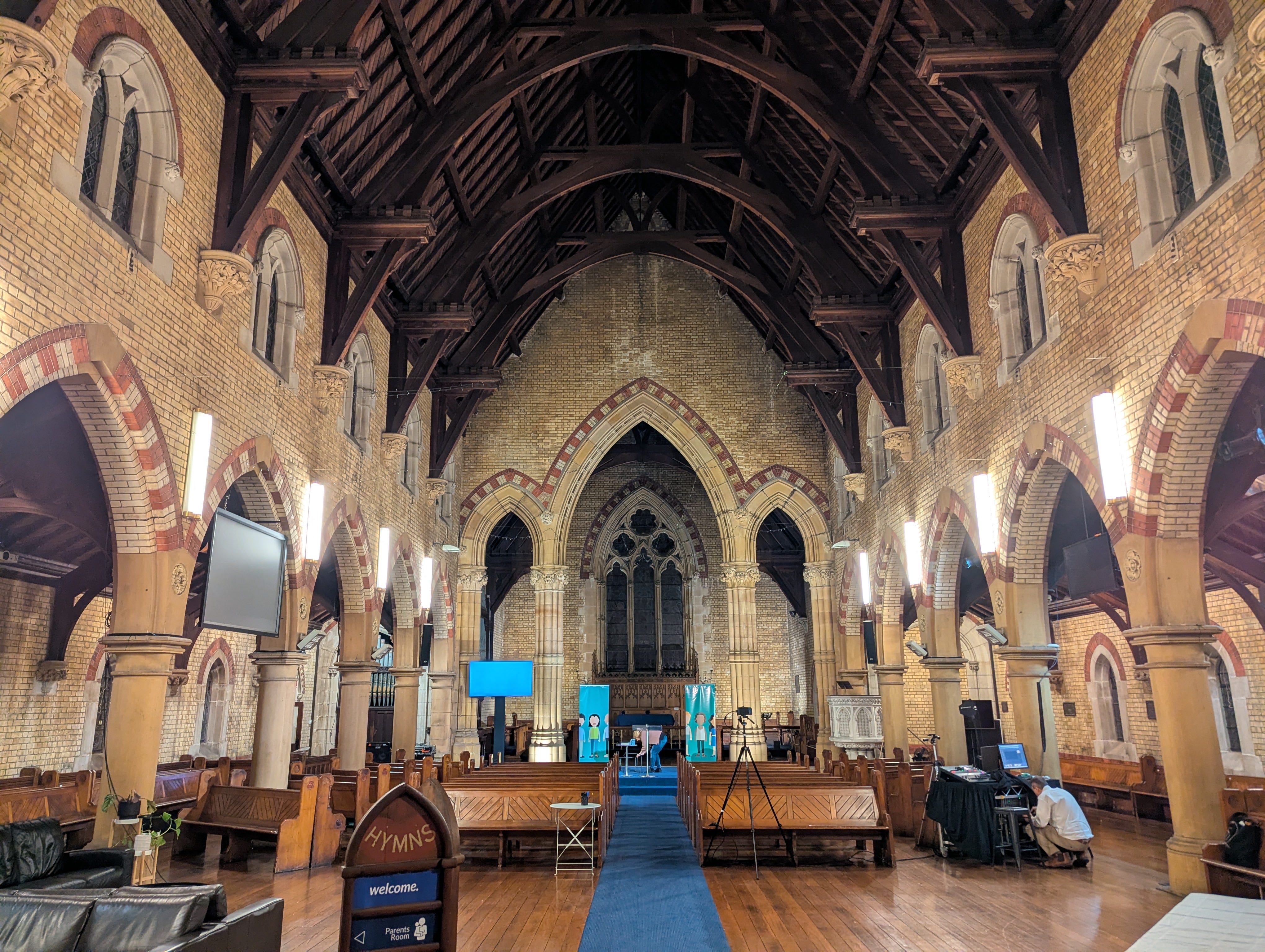
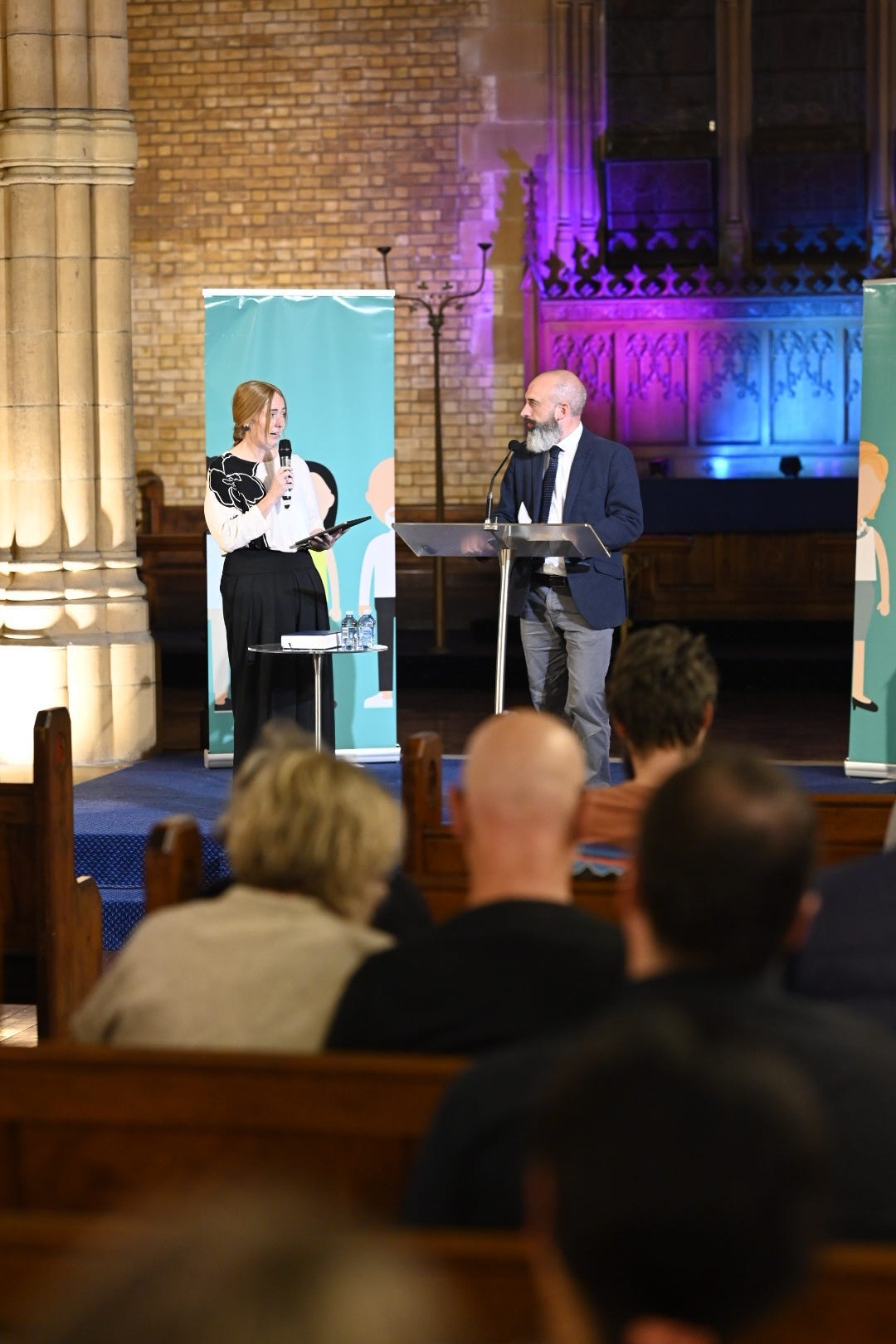
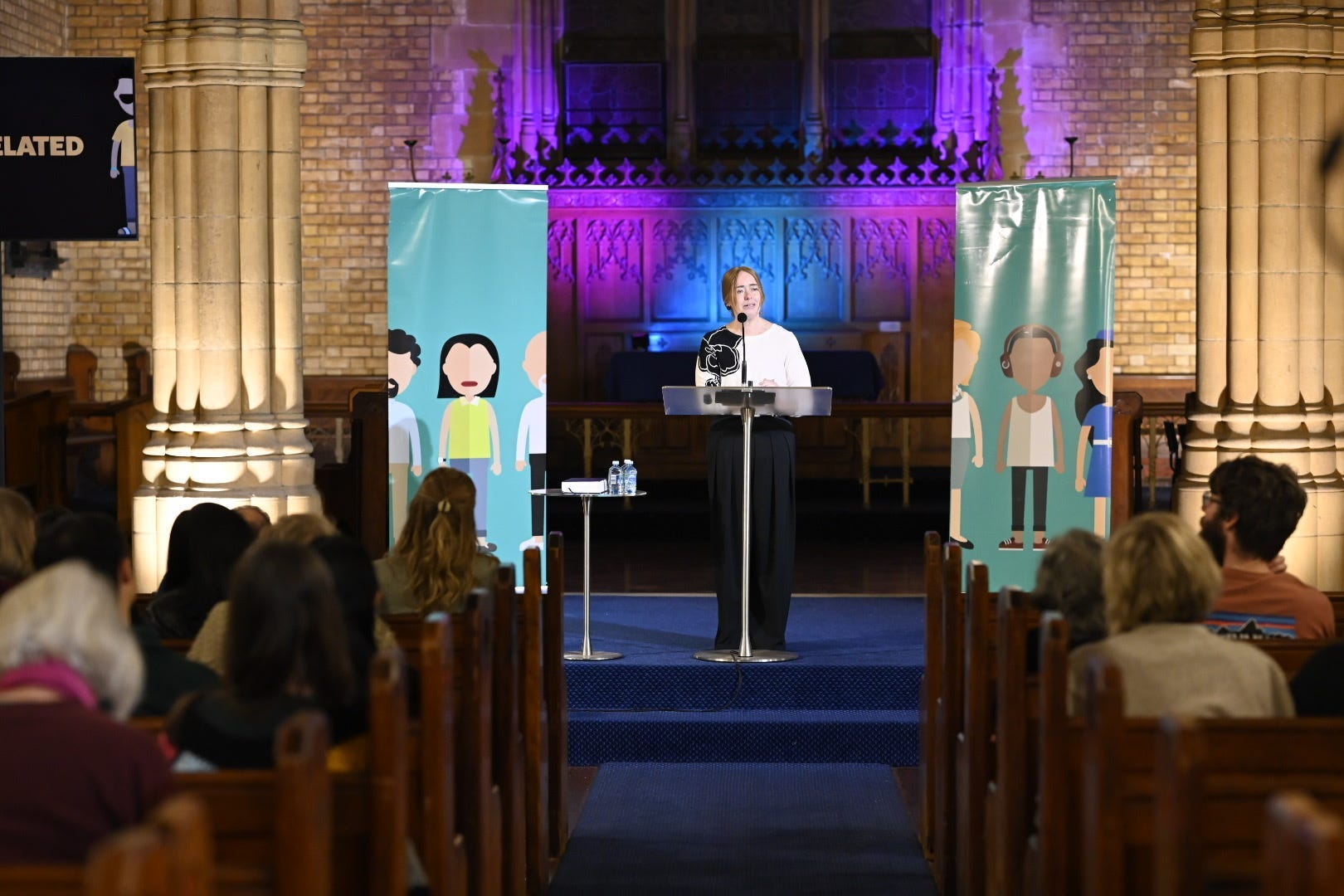
That evening was the launch of Cross-Related, which expands the mission of Single-Minded, a ministry of which Dani Treweek is the founding director. The event was held at St Andrew’s Summer Hill, an older church building by Australian standards. After being treated to a meal, I went to the launch event, at which I gave the main address. I took the ministry’s name as my subject, speaking on how the cross exposes the disordered relations of the societies of this age, founds a new society, and provides the paradigm for its relations.
The next morning, I had the opportunity to meet Lauren Errington, who had been away at a conference over the last couple of days. I was picked up from the Erringtons’ house by Rory Shiner, with whom I had a coffee, before heading to Moore College again. The coffee in Australia really is superior to the coffee in the US or UK.
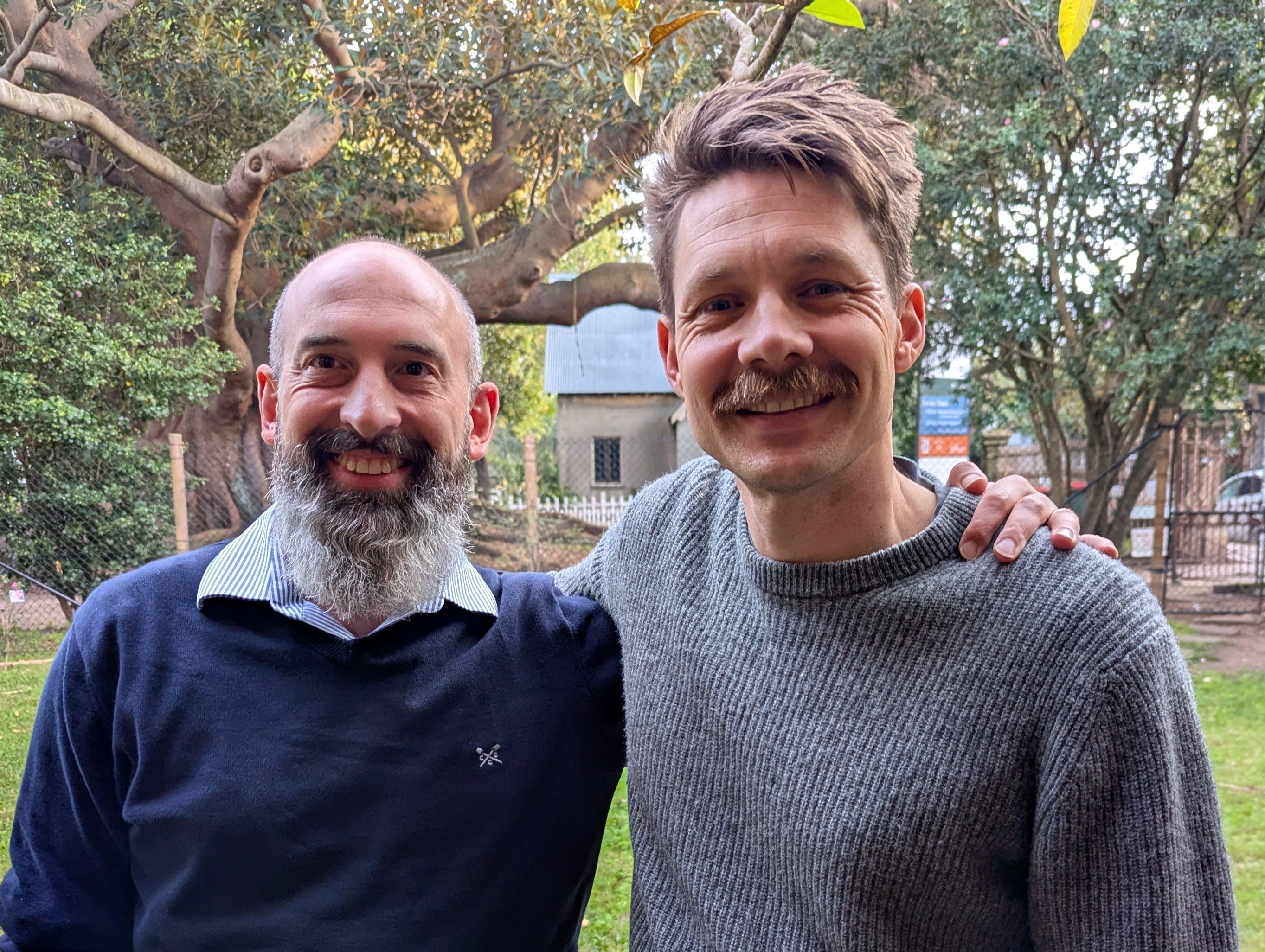
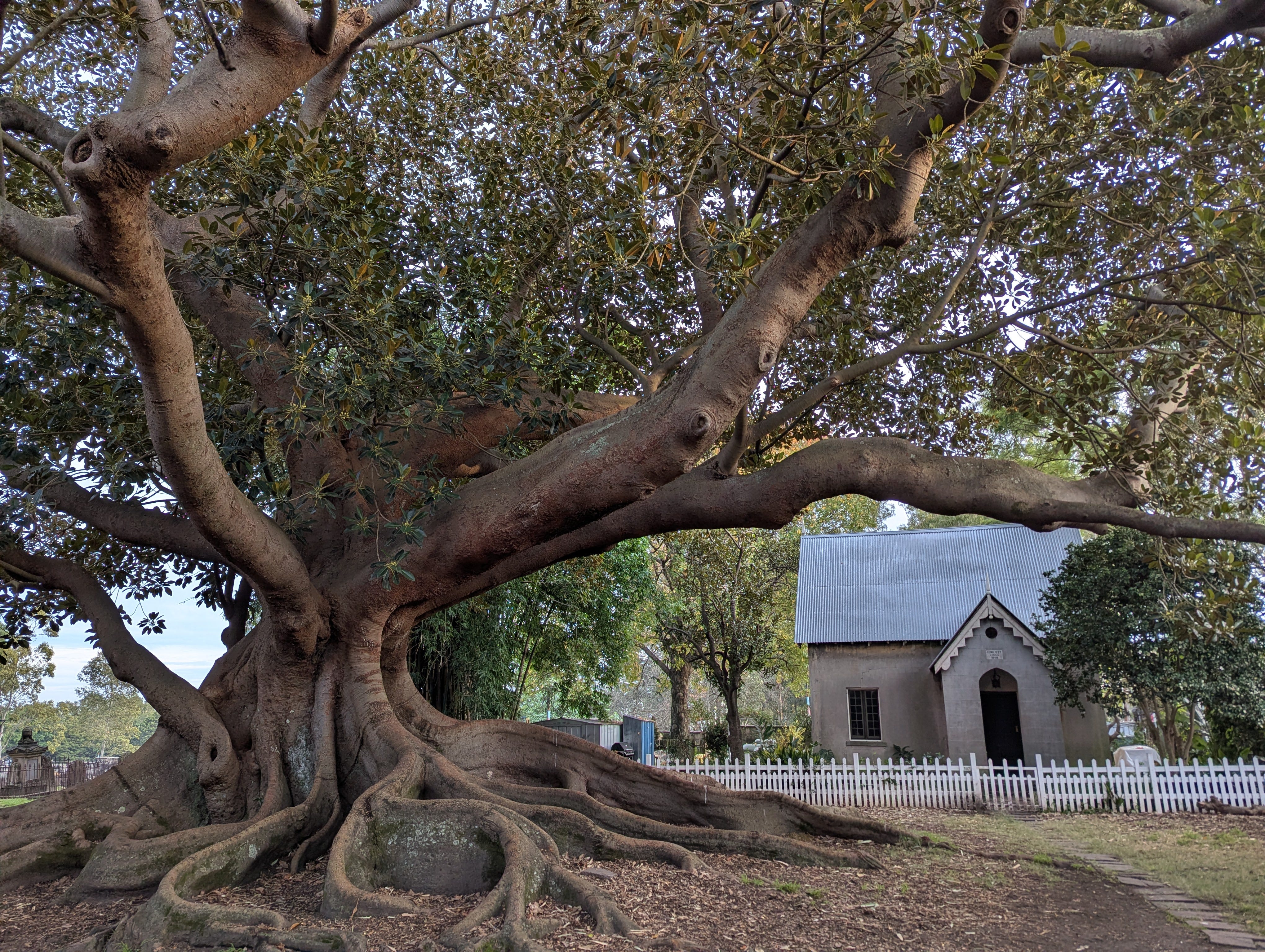
I delivered a biblical reflection on Philippians 4 for the TGC Australia Council, after which Dani picked me up to take me to the airport.
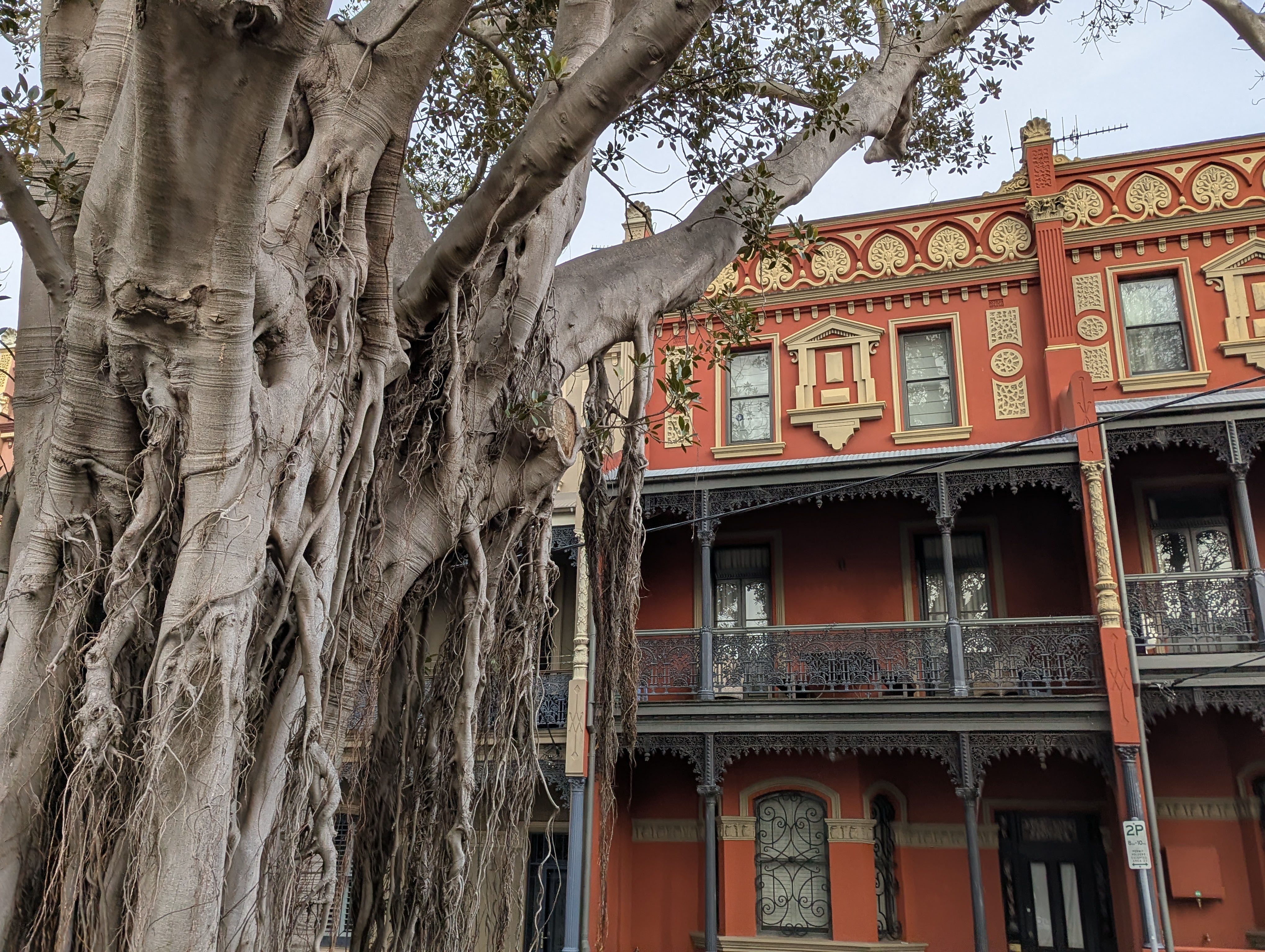
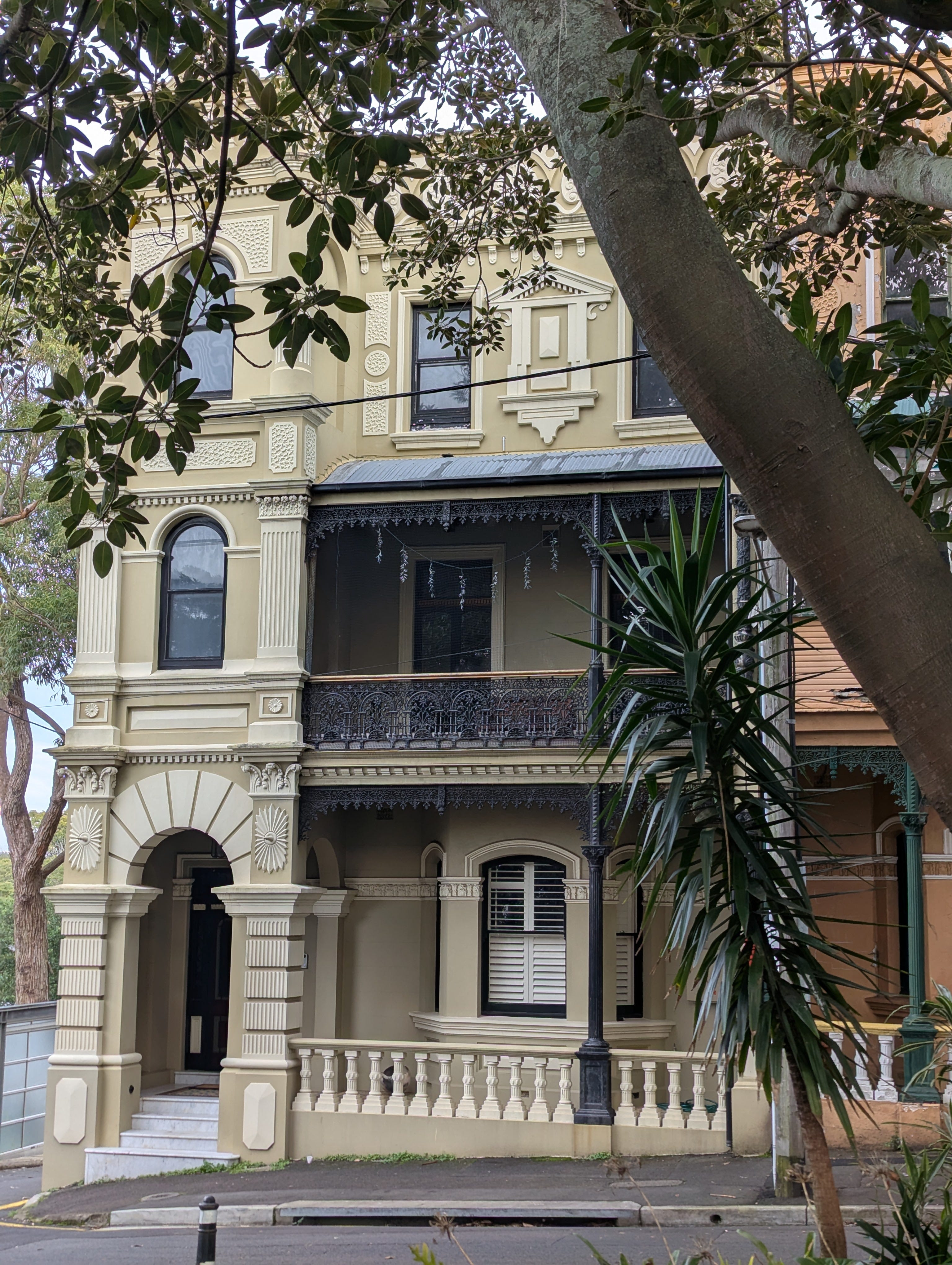
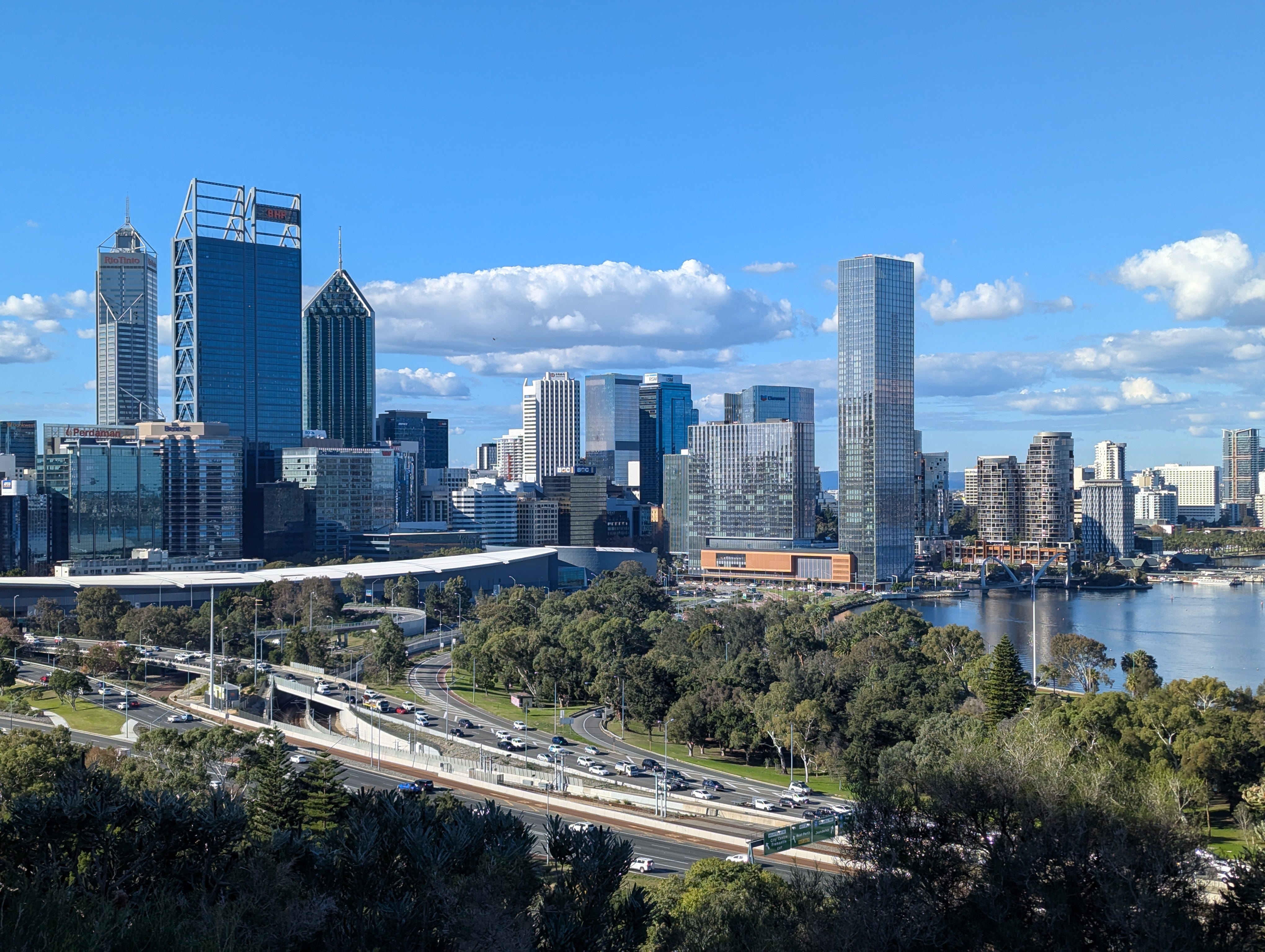
I flew out to Perth, on the other side of the country. Perth is the most isolated major city in the world, Australia’s fourth largest city. It has around 2.3 million in population, which surprised me, as I had not expected that it would be so large. My principle associations formerly had to do with the painful experiences of touring English cricket teams. It is a prosperous city, largely due to its importance as a centre for mining operations.
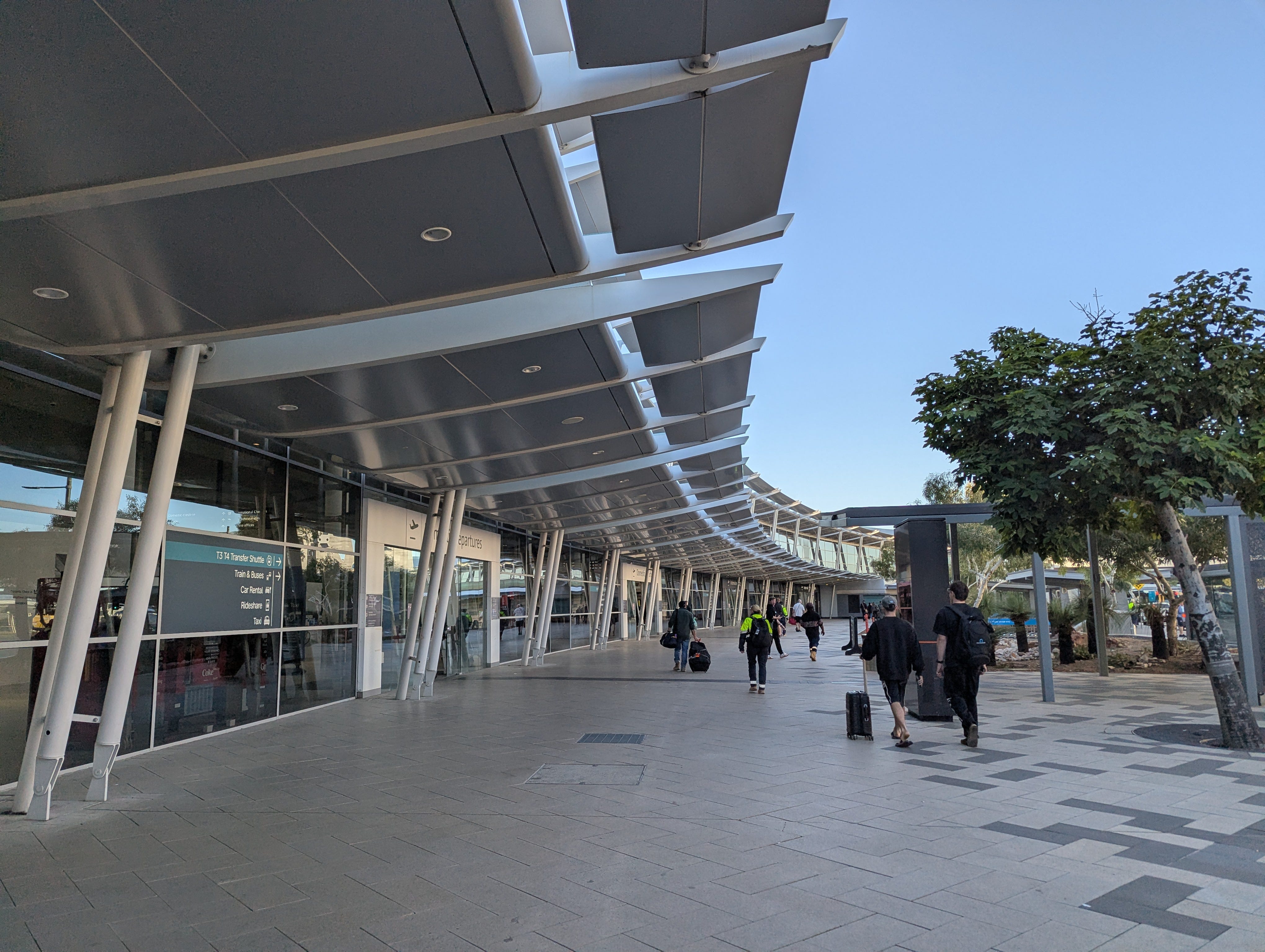
I was picked up from the airport by Robbie Lindsay, who manages the Providence Church Network, with whom most of my time in Perth would be spent. I peppered the patient Robbie with questions about Perth on the drive from the airport, and he helped to orient me to the context. I was staying with the Shiners, whose boys were the first to expose me to Australian Rules Football that evening. Susannah and I had met the Shiners back in 2023 in Oxford. We had hit it off then and staying with them for a week gave me a chance to get to know them all much better.
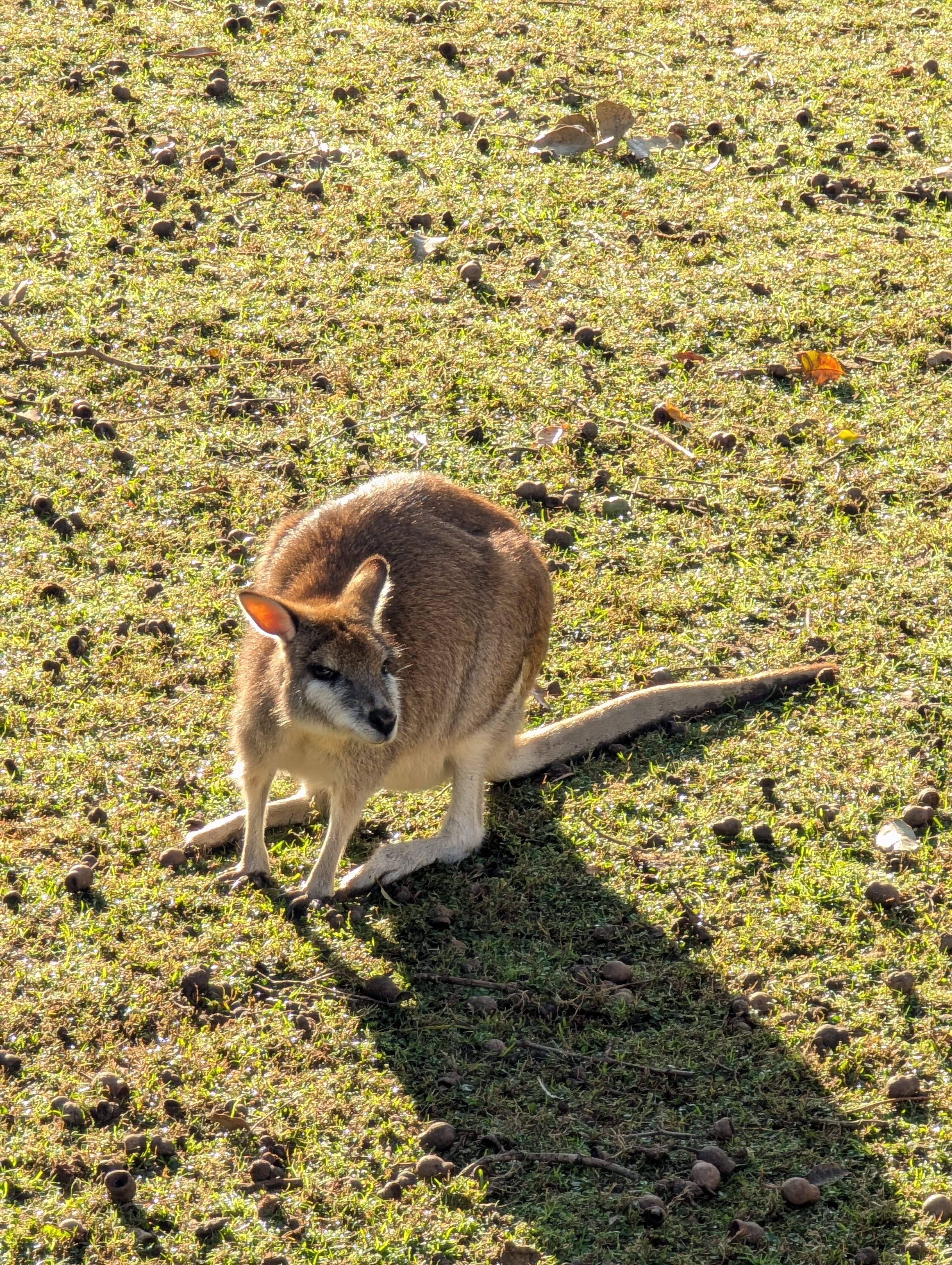
The next morning, I was picked up by Kim Chin, who drove me out to Caversham Wildlife Park. When Kim, whom I knew from some of my Davenant classes (especially the office hours, as they were more accommodating for people in Australian time zones!), had discovered that I would be visiting Perth, he had asked whether I had the time to meet up. He had volunteered much of that day to show me around the city and its surroundings. All the time I spent with Kim really was one of the blessings of my time in Perth.
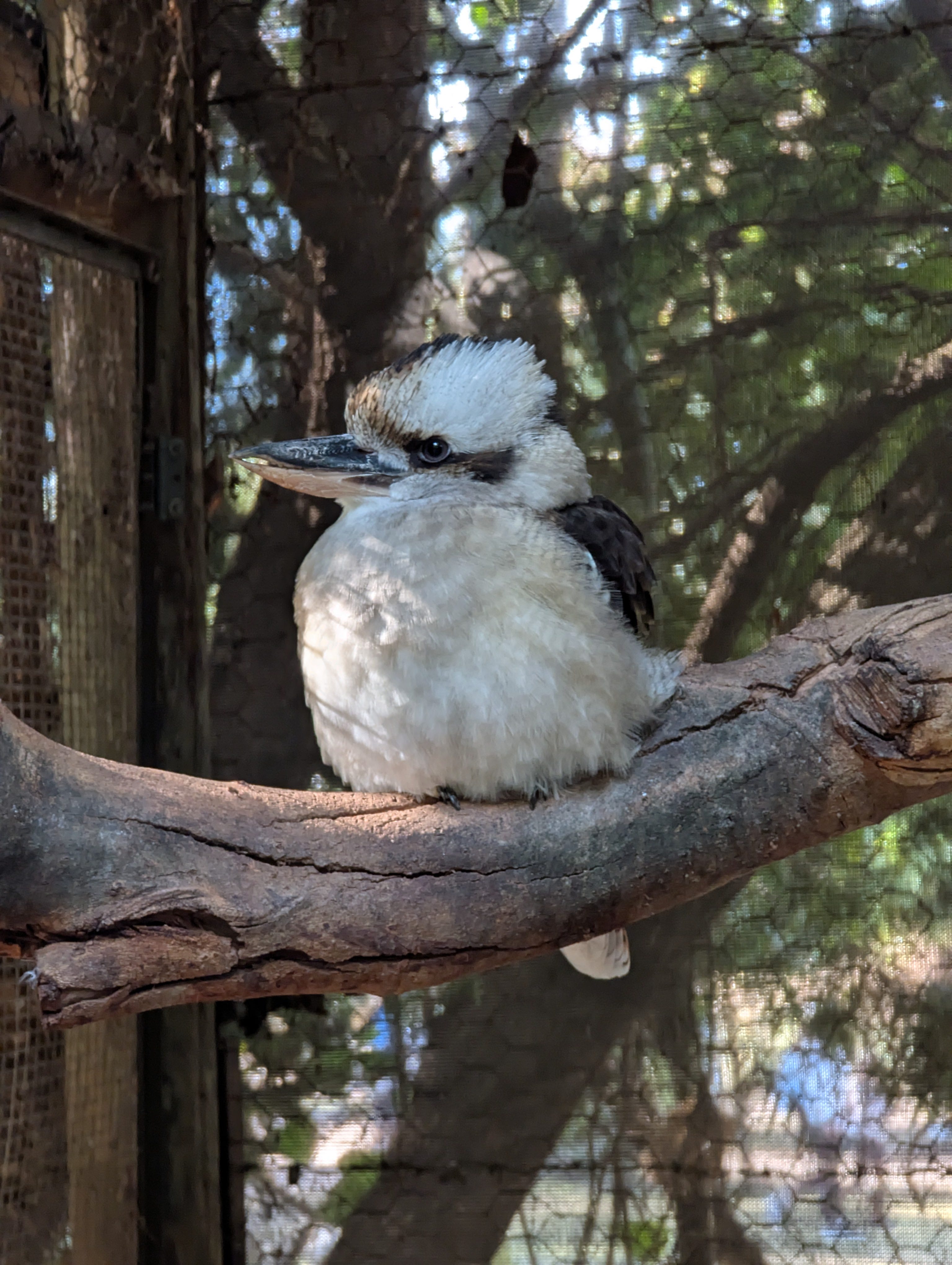
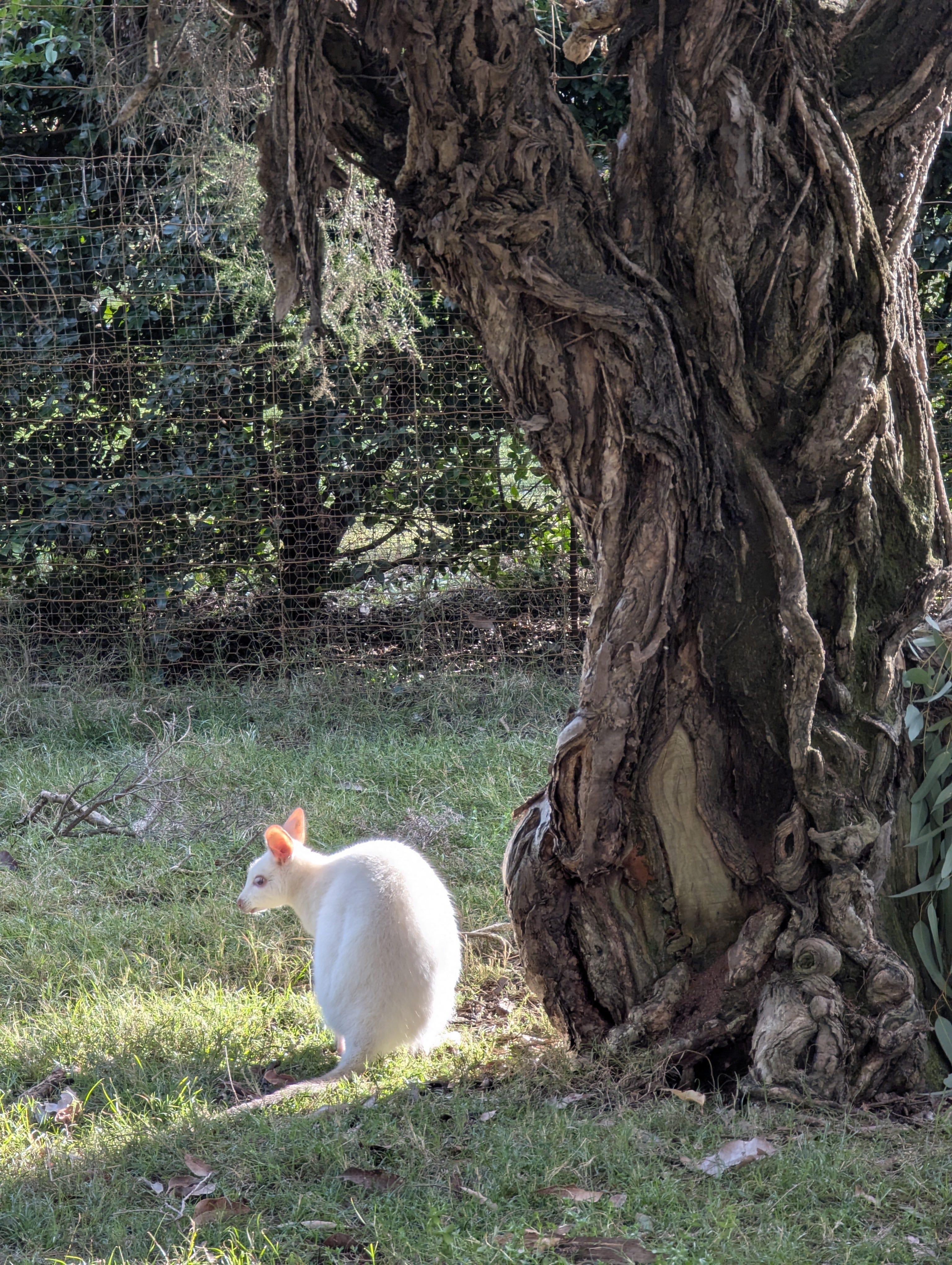
The Shiners had suggested that we visit the wildlife park, as it would give me an opportunity to see some of the Australian fauna (although I never got to see any drop bears, perhaps because I dutifully put vegemite behind my ears every morning). It meant an earlier start to drive out there, yet proved well worth it.
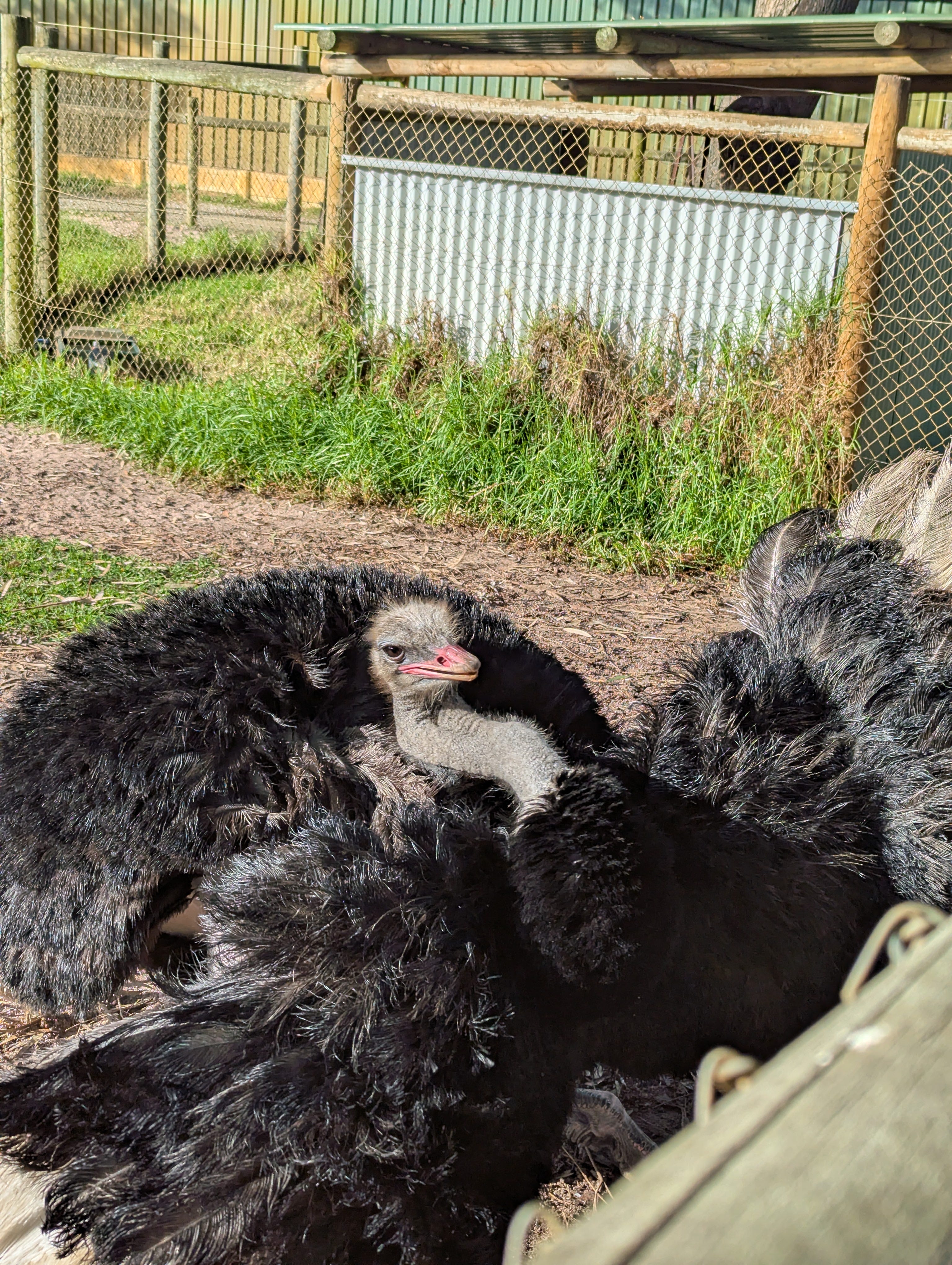
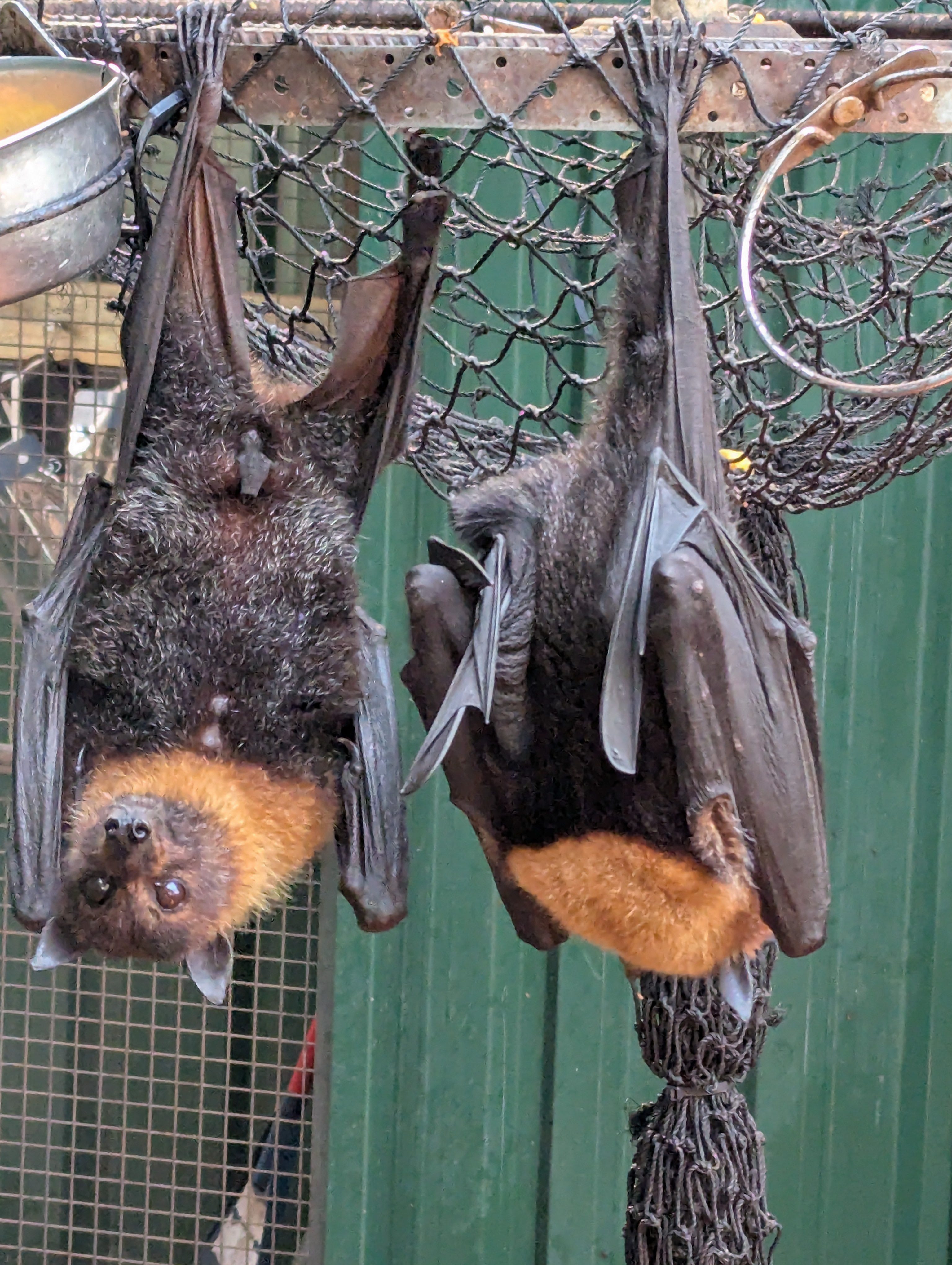
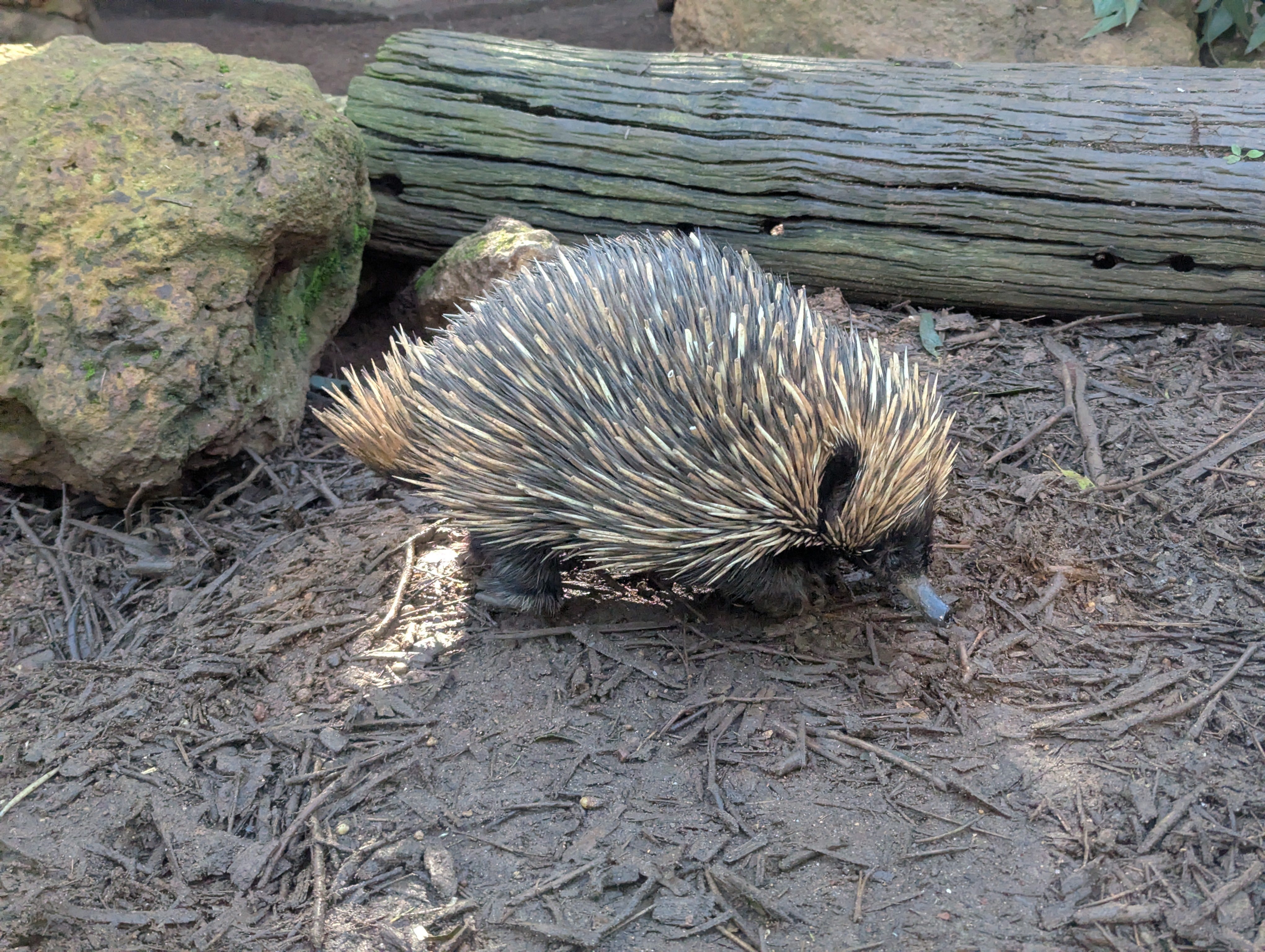
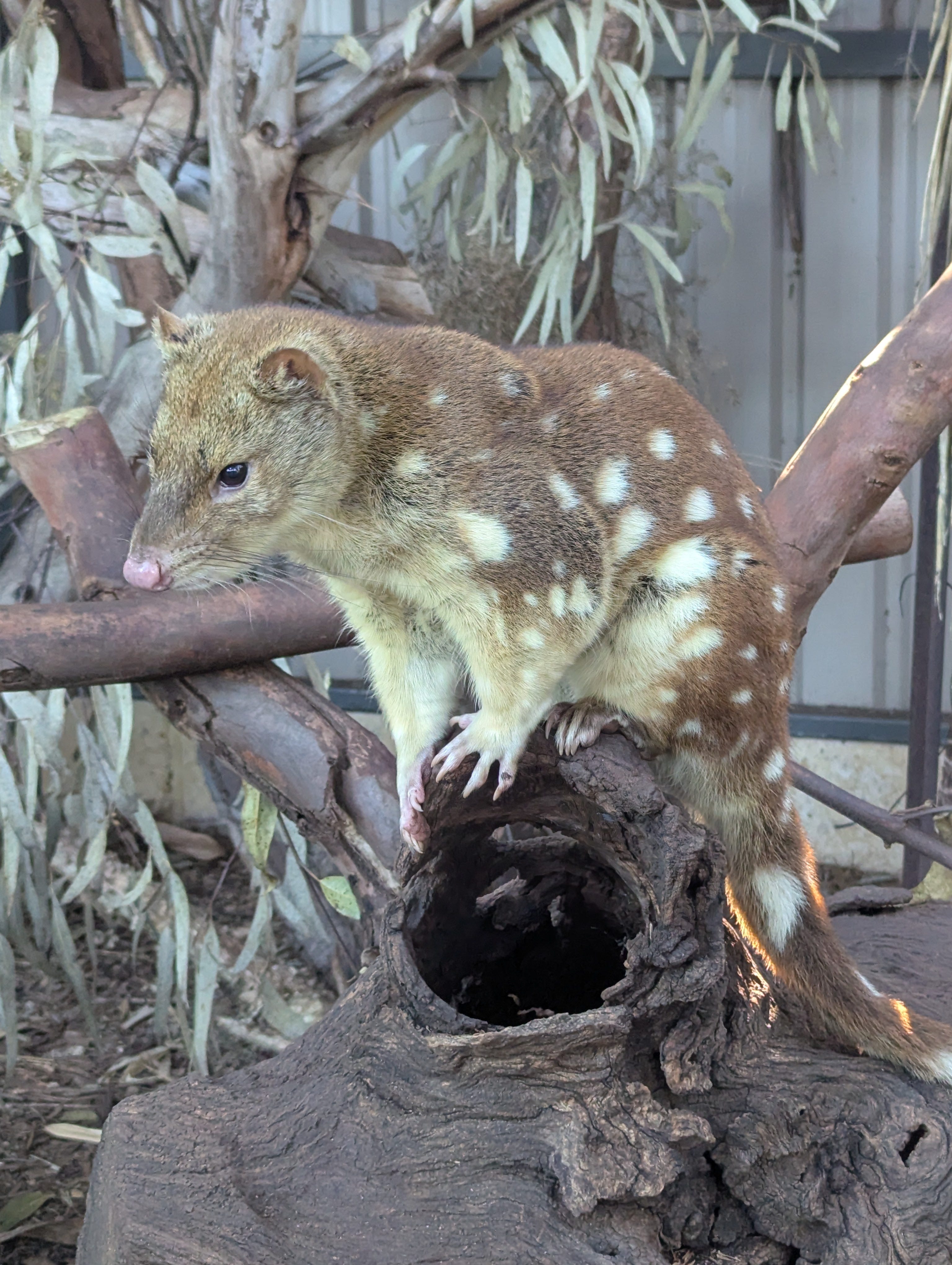
We spent the morning walking around the park, seeing a host of different animals. While I had seen several of them in zoos before, I had not seen some of them, and had not seen any of them in a context so near to their natural habitat. It proved to be one of the most memorable parts of my trip.
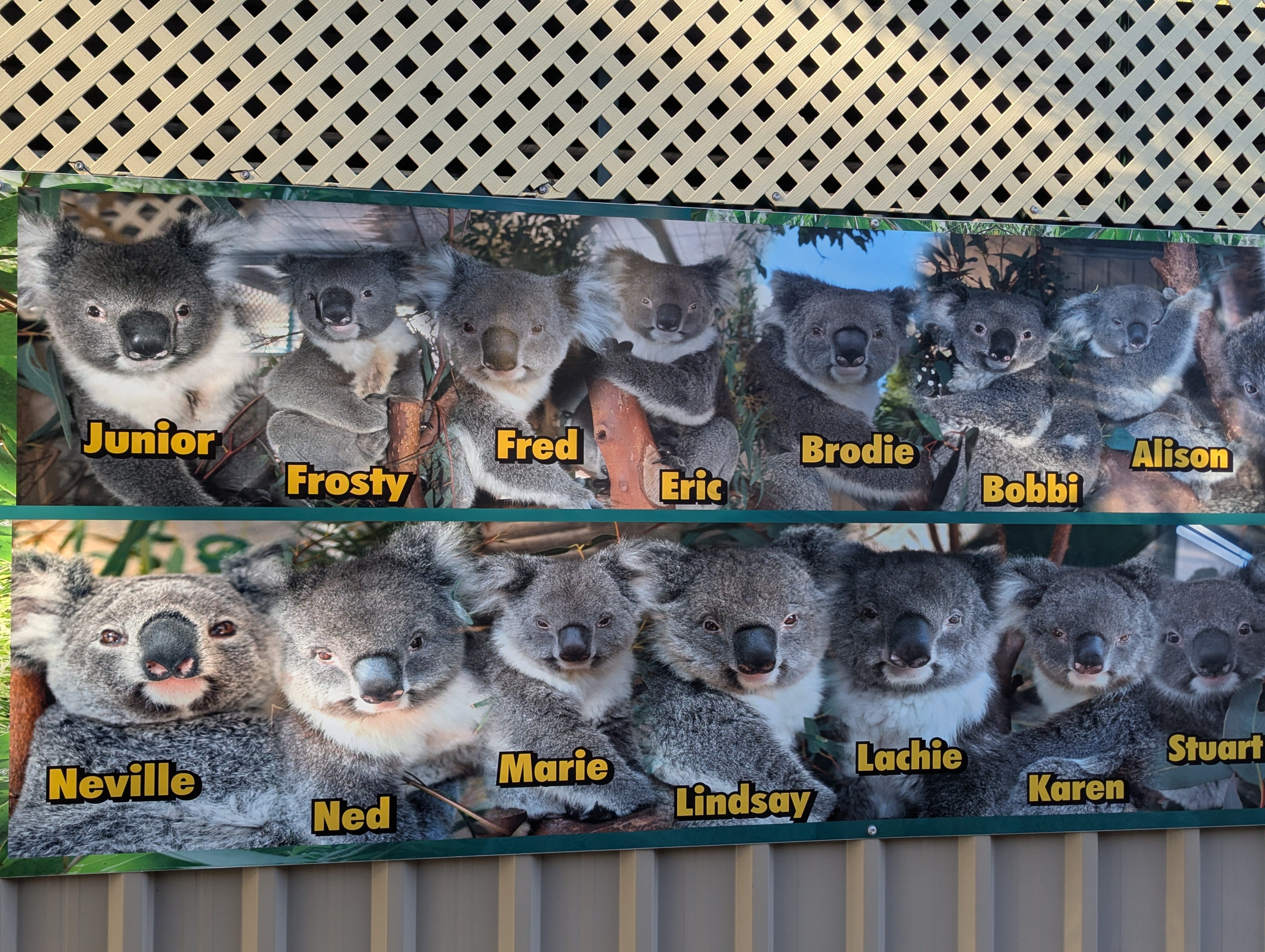
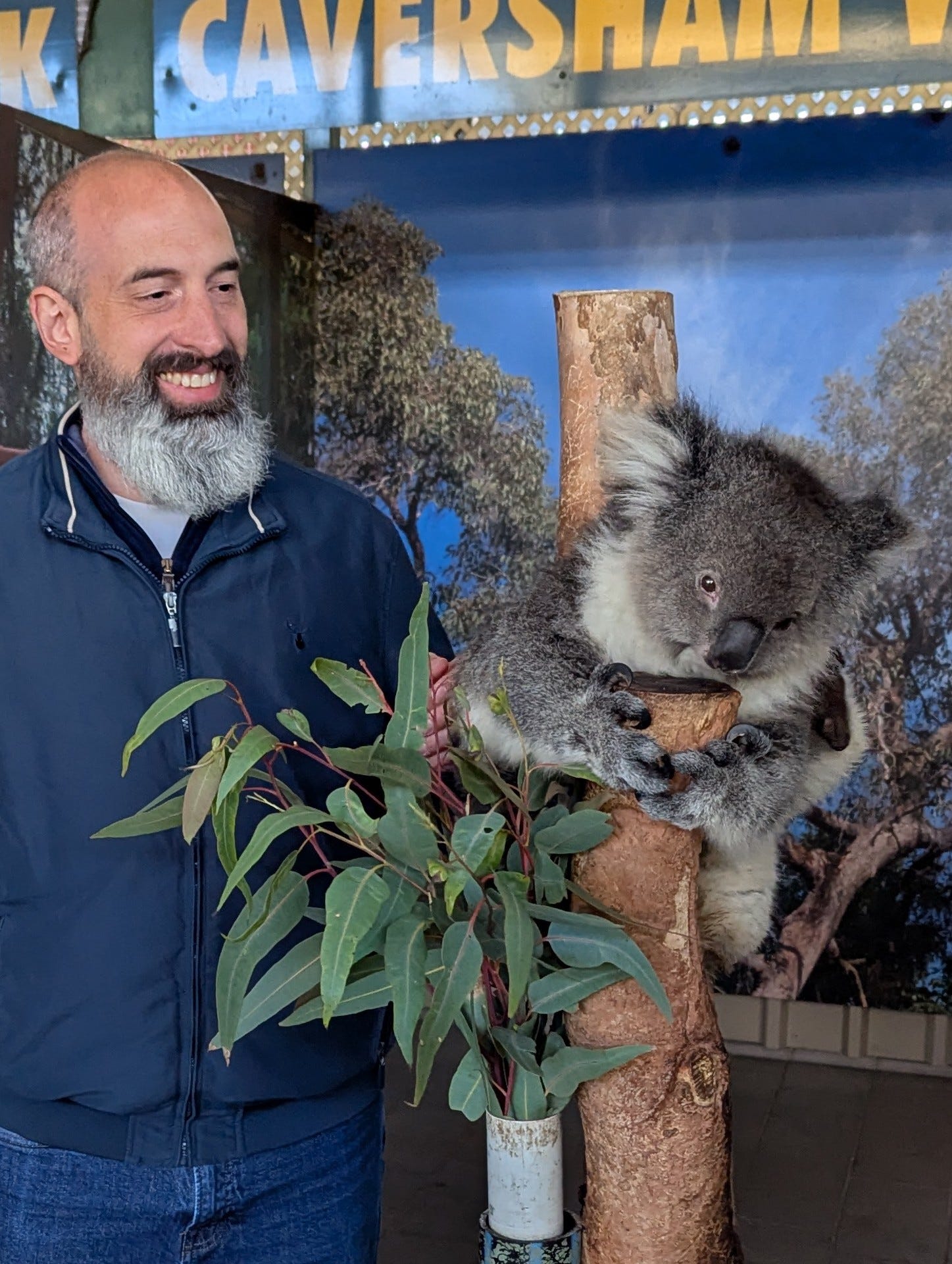
Soon after arriving, we got pictures taken with a koala—truly the most adorable creatures!—and then wandered through the rest of the park.
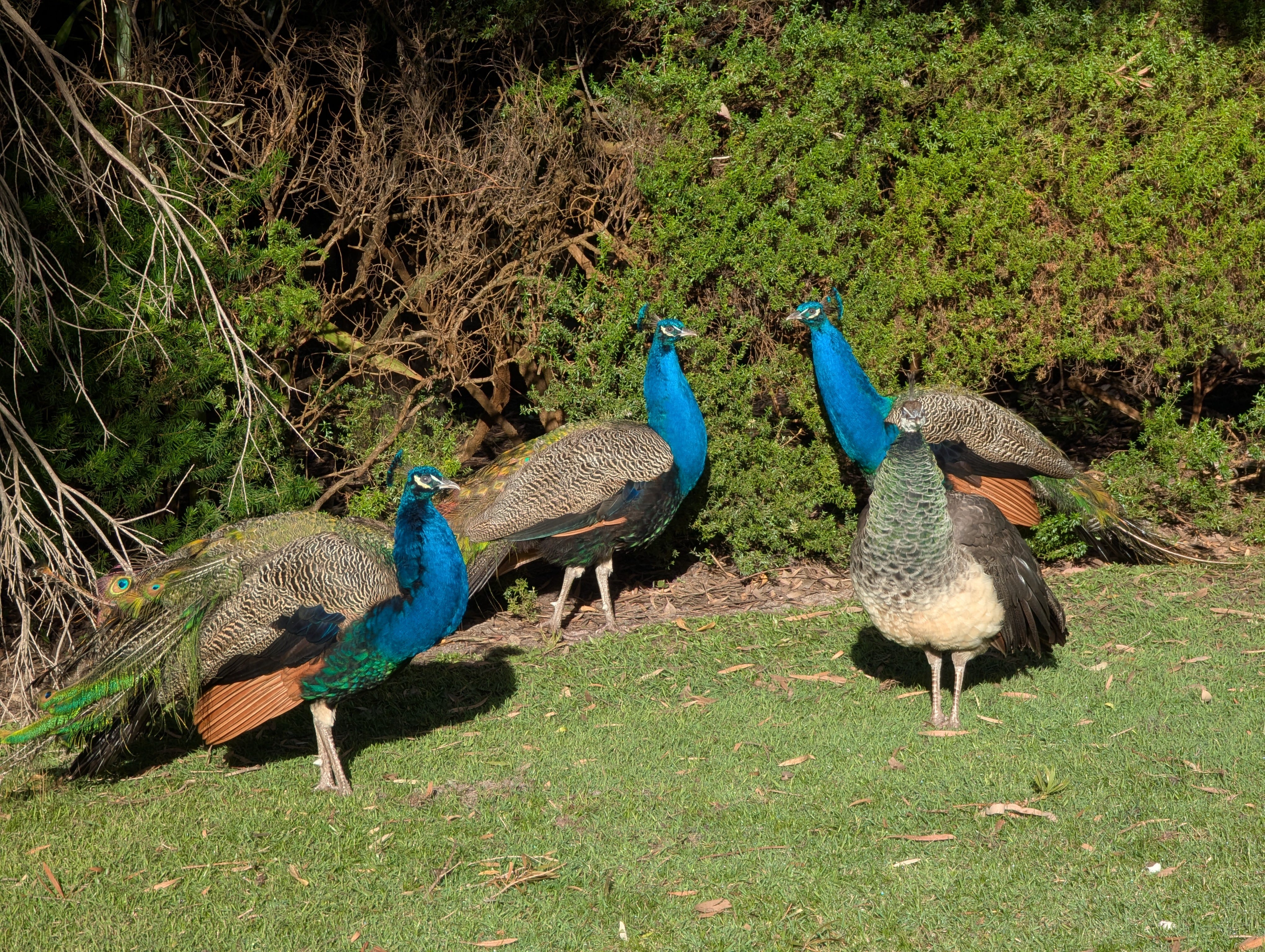
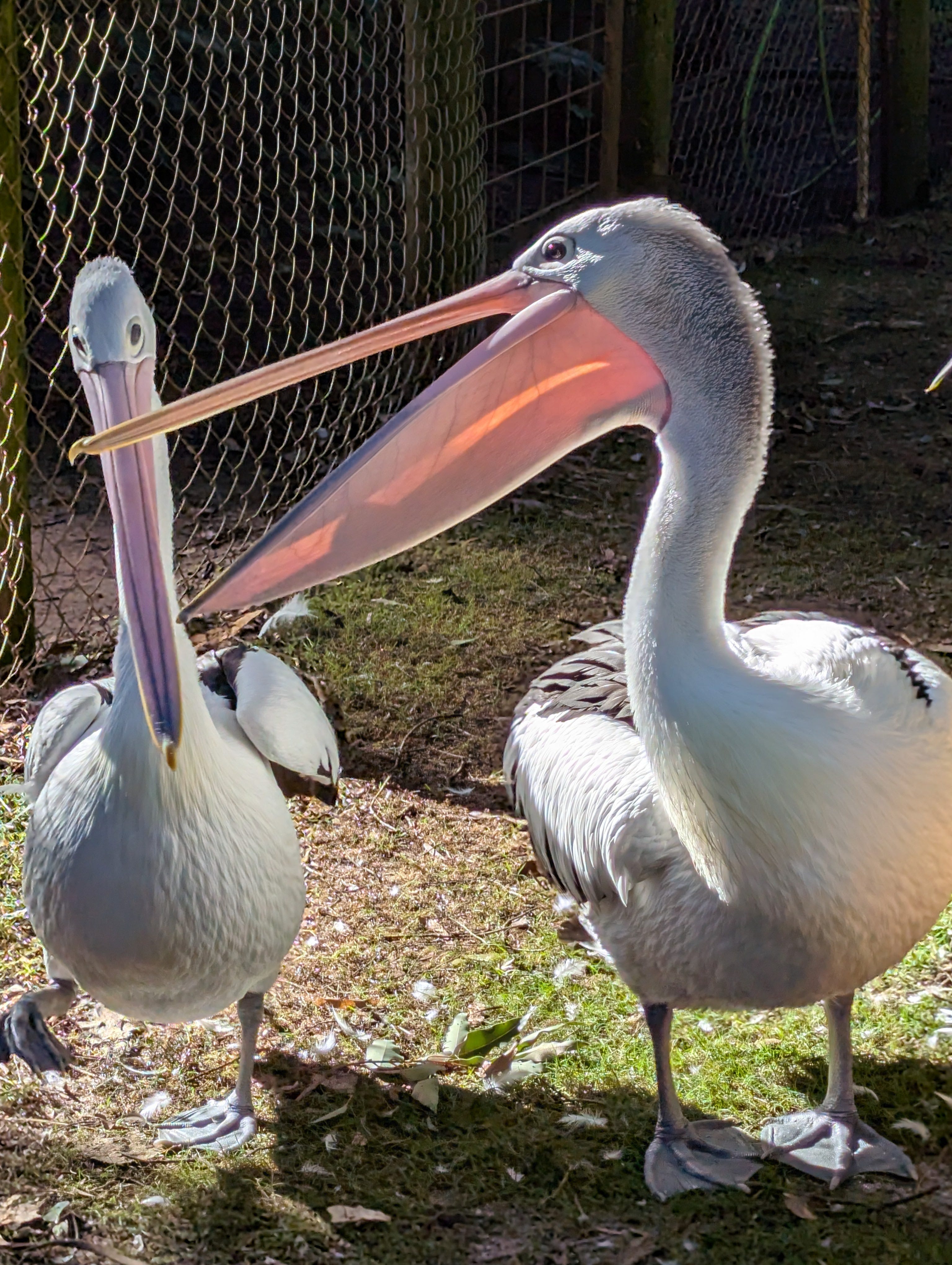
On account of Australia’s isolation from the rest of the planet, Australian wildlife really is some of the most distinctive in the world, with much of it being unique. In addition to the more charismatic megafauna such as kangaroos and koalas, there are a host of lesser appreciated creatures.
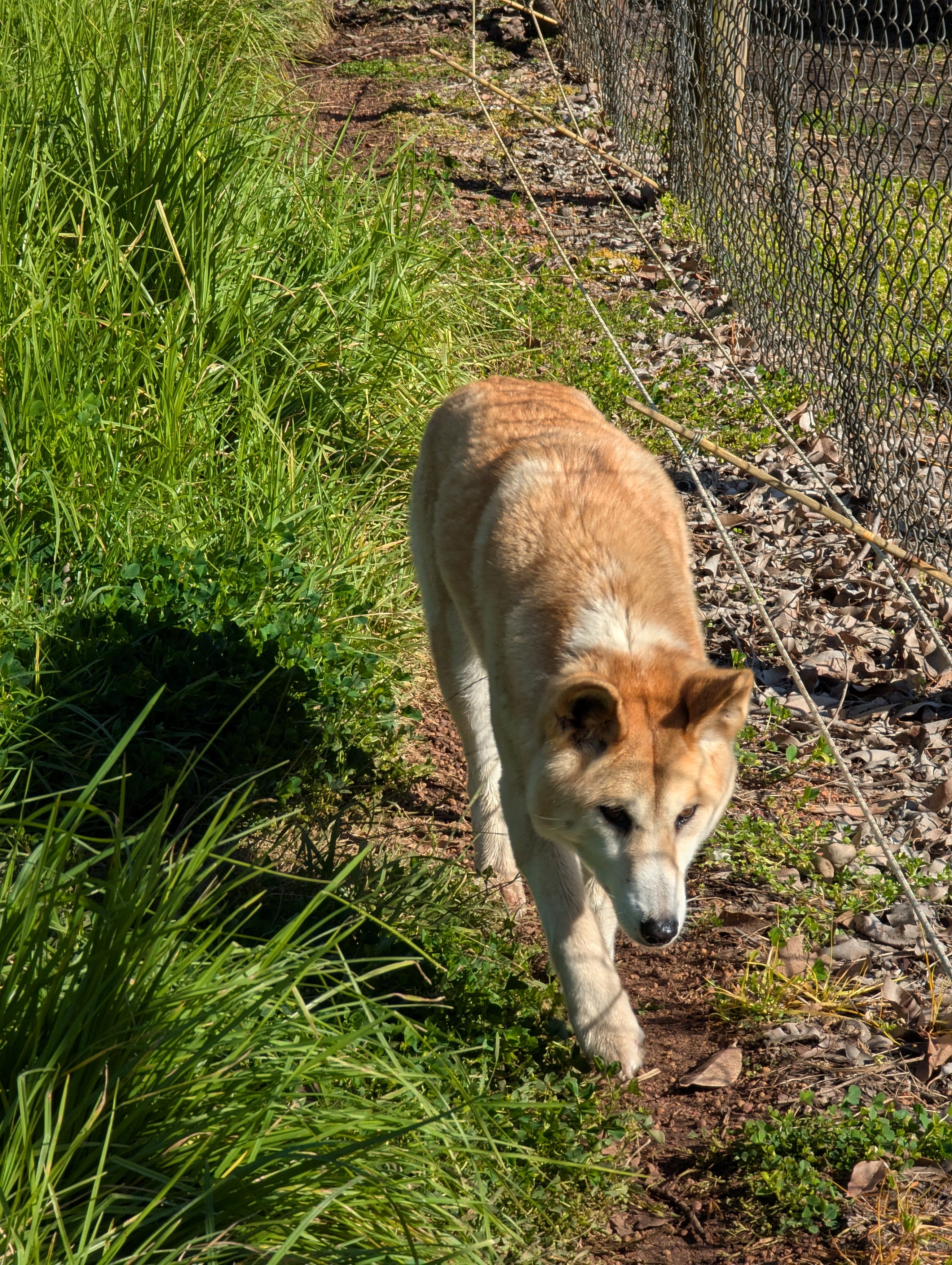
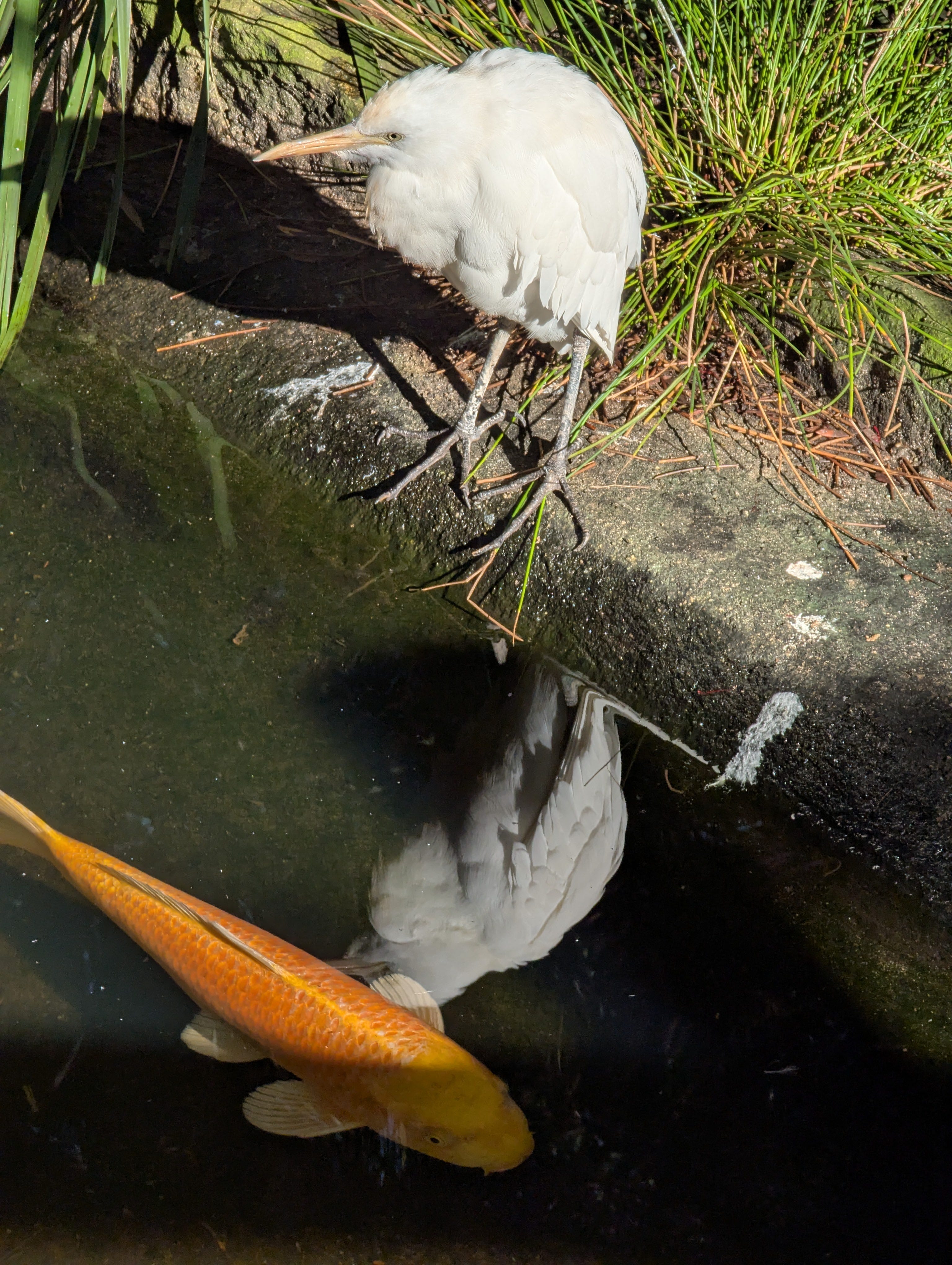
Over the course of the morning, we saw Tasmanian devils, wombats, dingoes, echidnas, and quolls.
Nature famously wants to kill you in Australia. I have had one close encounter with a snake in the past—in a toilet cubicle in Myanmar—but was glad to be on the other side of the glass of many of the snakes in the reptile house.
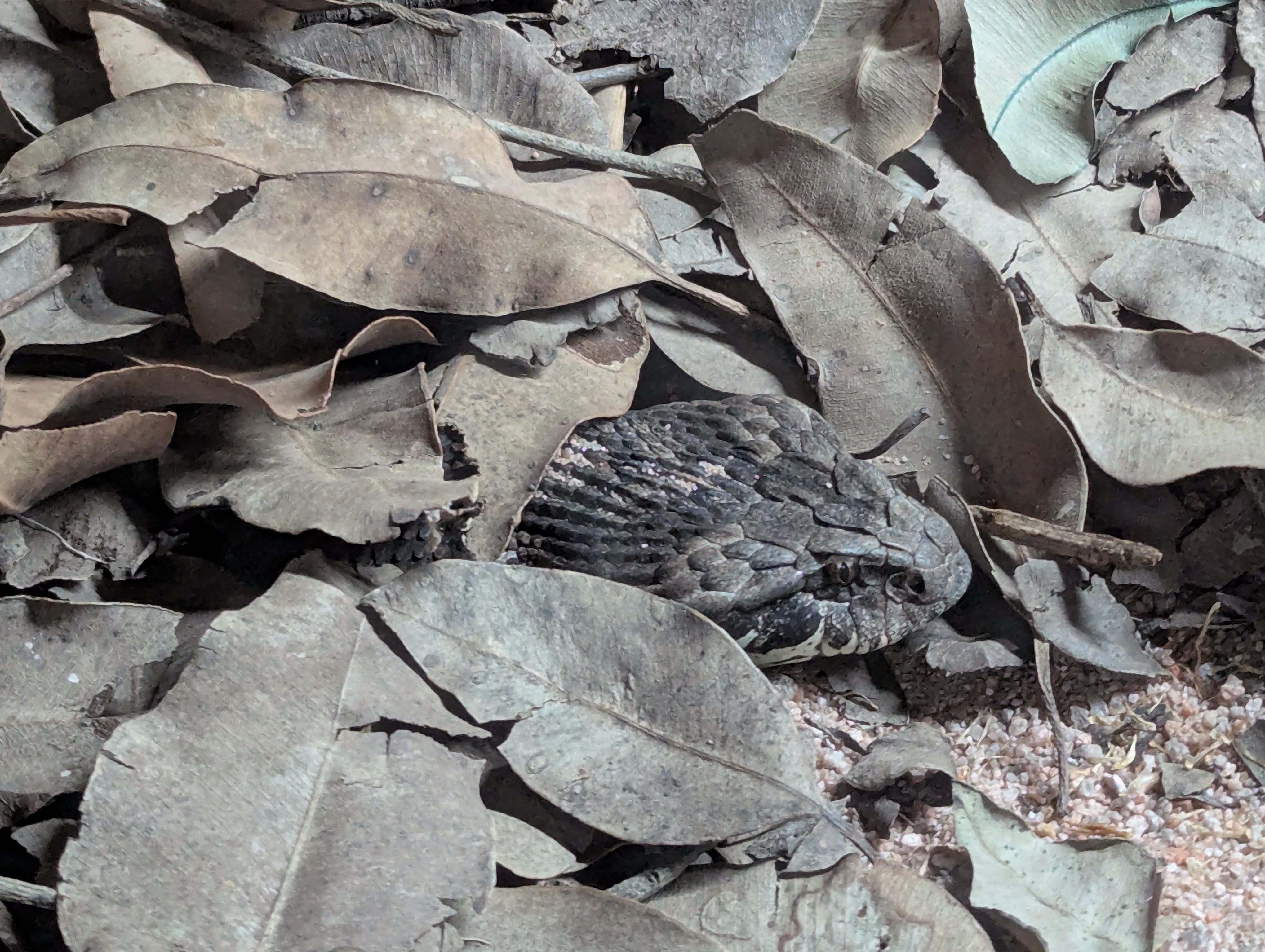
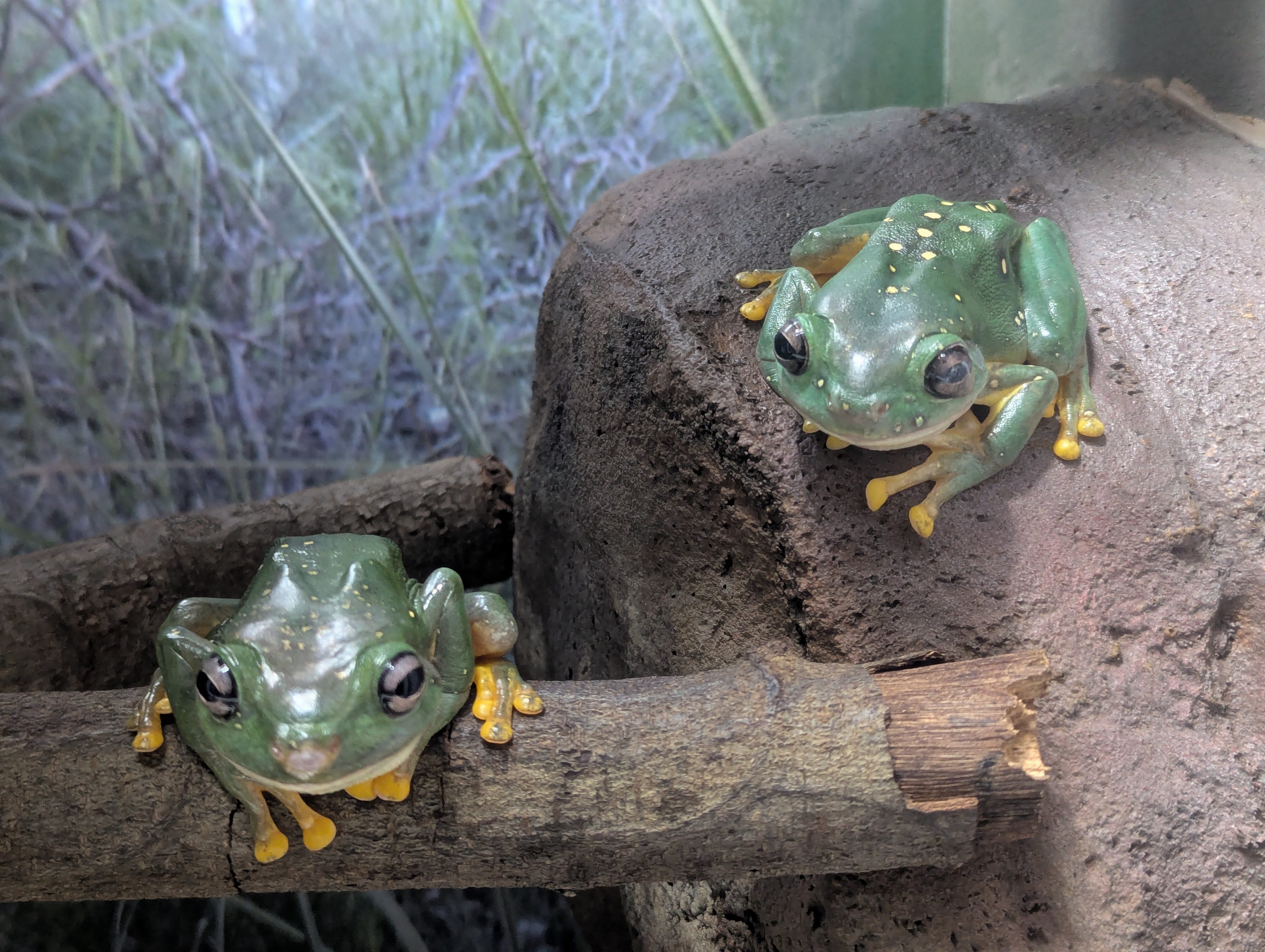
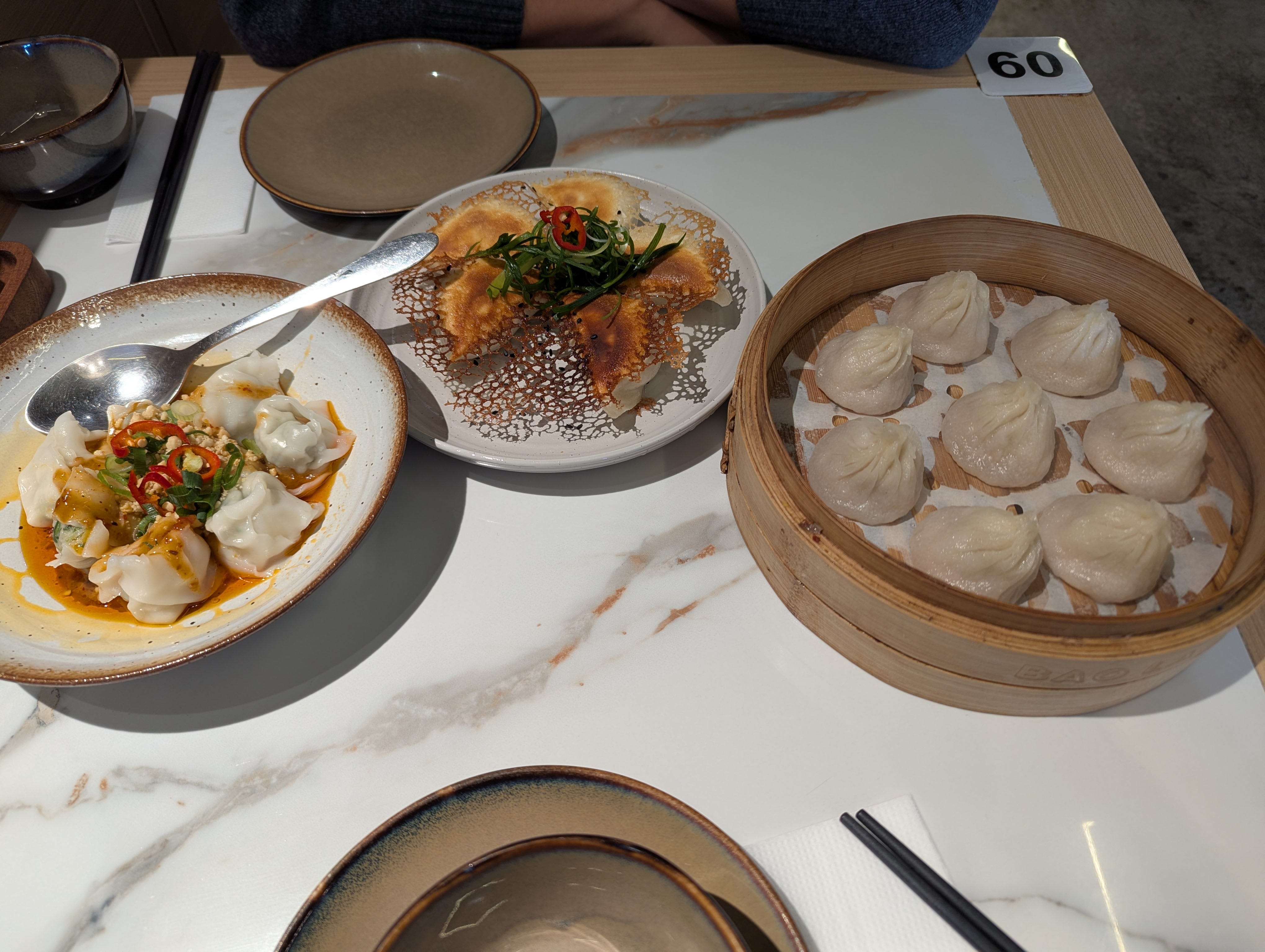
After we finished at the wildlife park, Kim drove me to a radio station, where I recorded a couple of ads for the talk I was giving in a few days’ time. He then took me to a restaurant, where we ate dumplings.
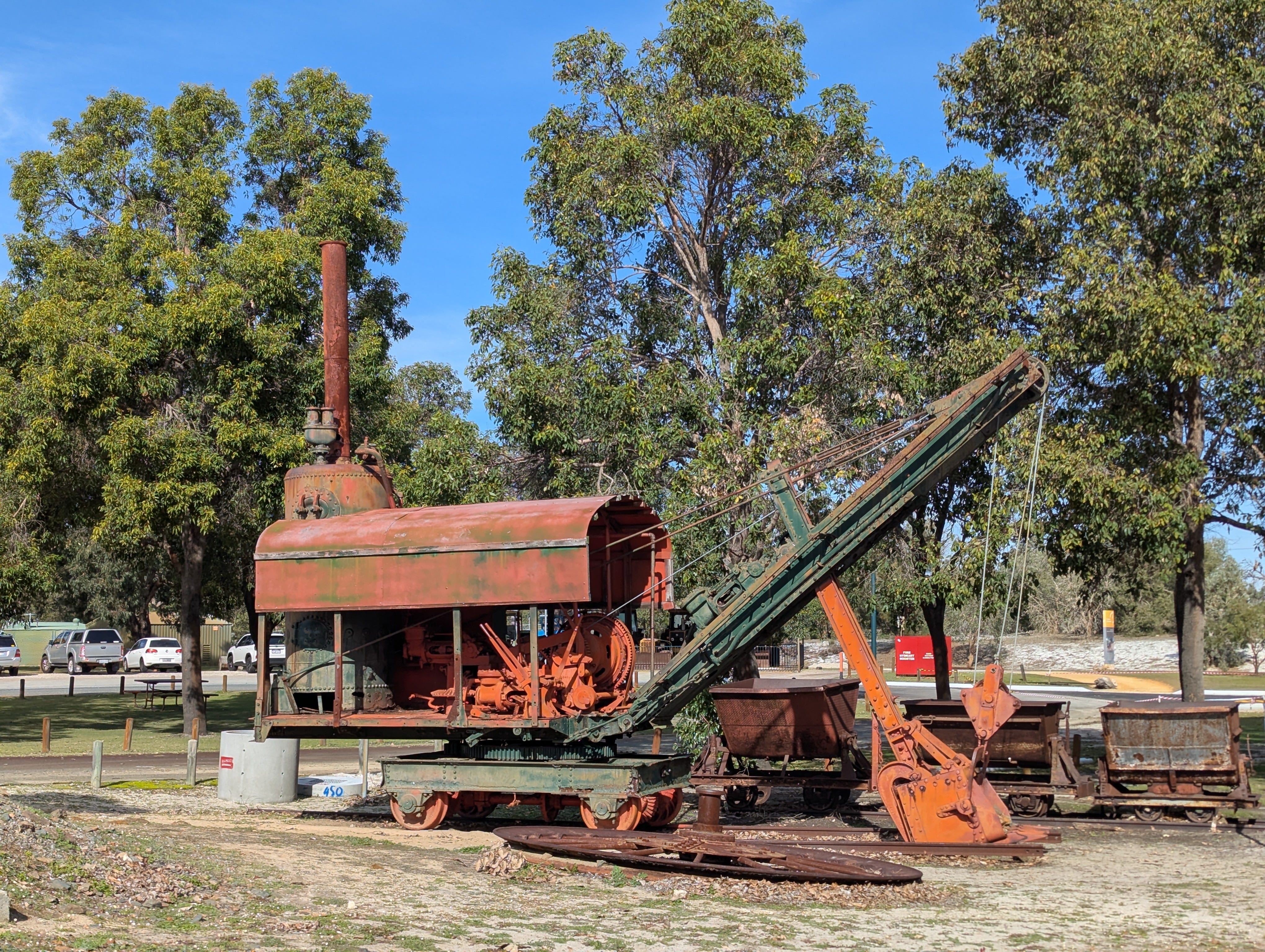
We then went to Trinity Theological College, where Kim introduced me to Thom and Ben, two of his mentors and colleagues. We shared a pint and a chat with them. They were both doing fascinating theological work—Thom told us about his work on Girolamo Zanchi and Ben about his on the book of Ecclesiastes—and we could easily have spoken for much longer.
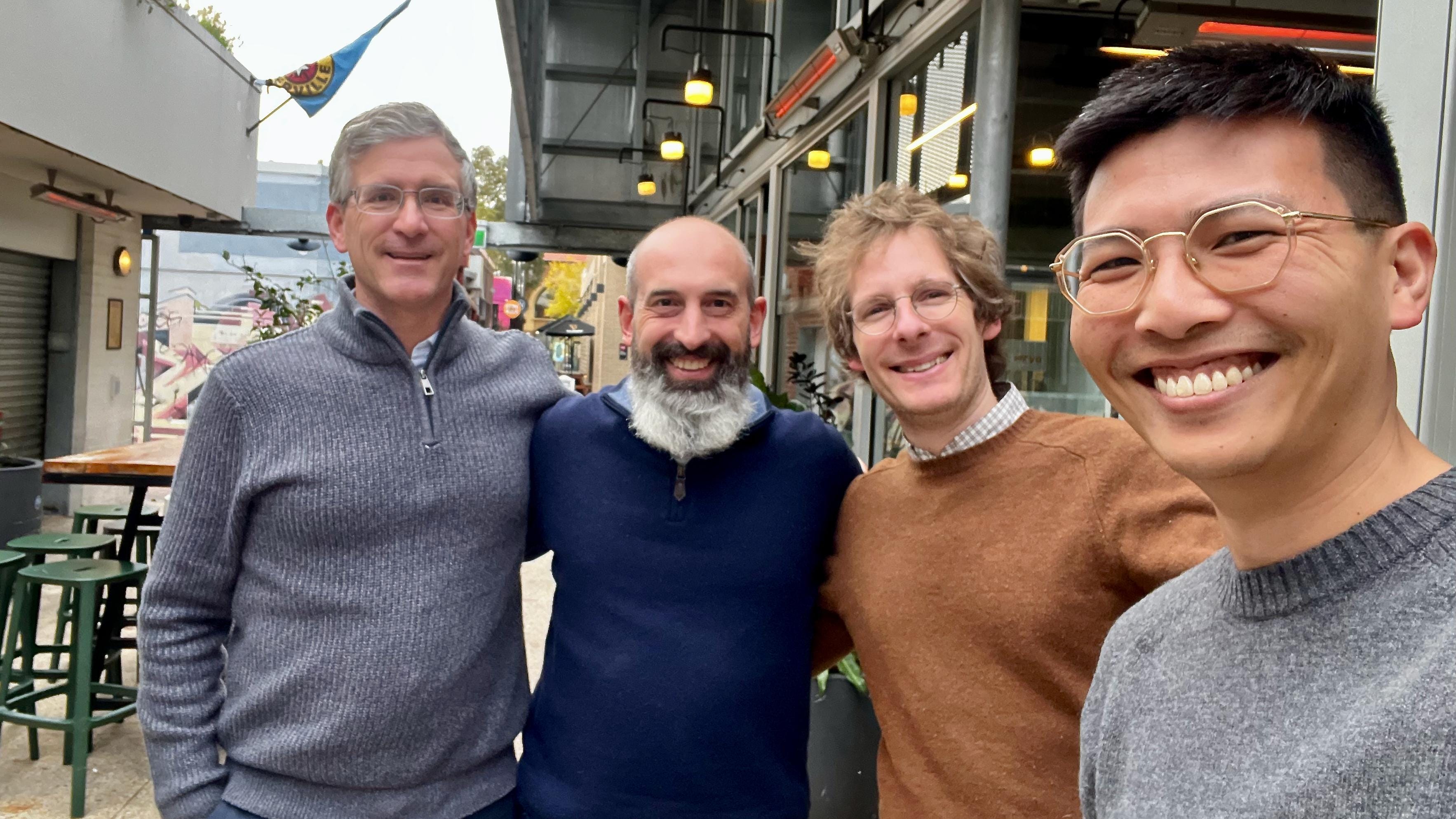
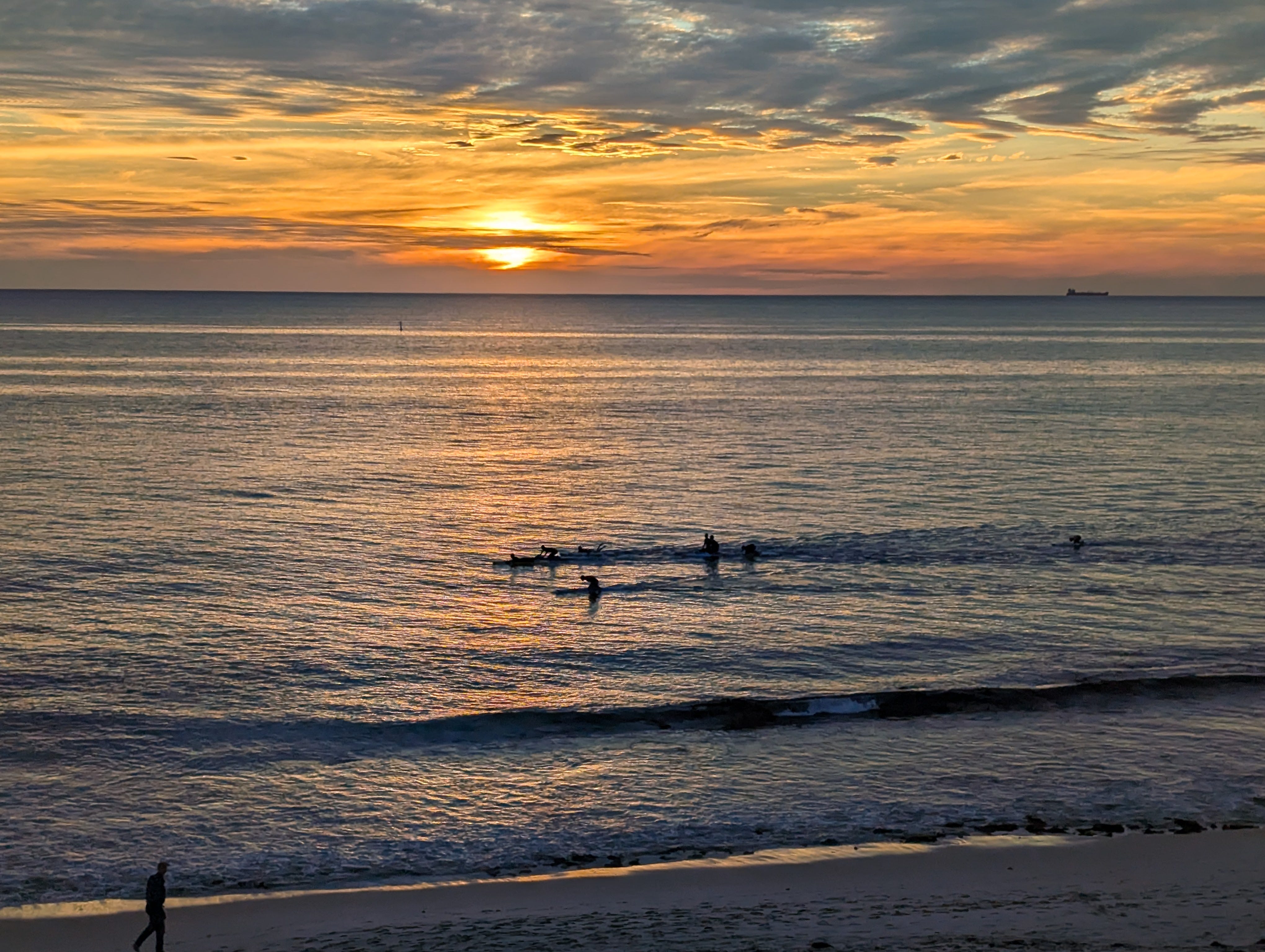
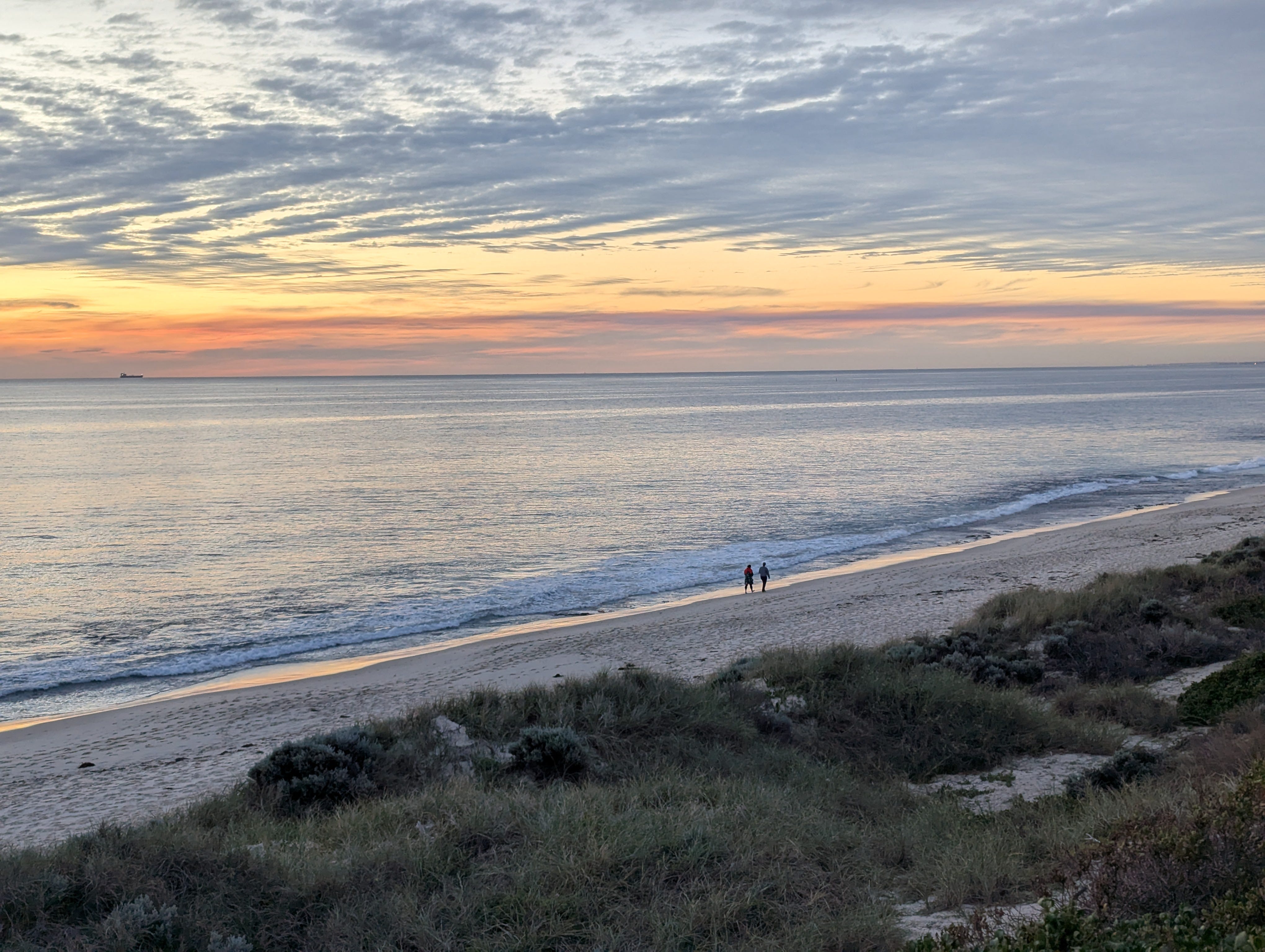
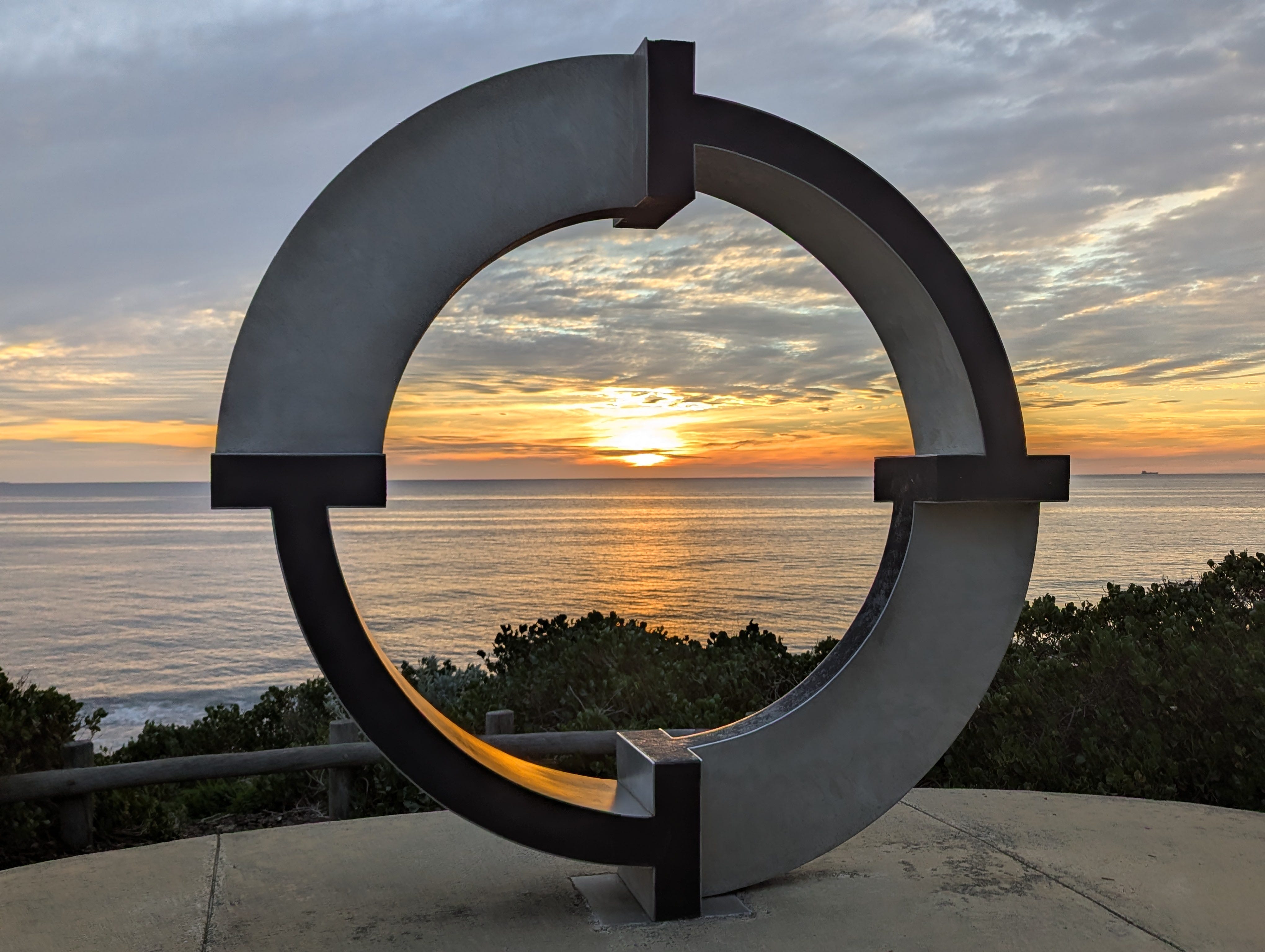
I was due to meet a few guys for a meal later that evening, but before I did, Kim took me to Cottesloe Beach to see the sunset.
Nic and Hayden picked me up from the Shiners and took me to South Perth, where we met up with Aiden. They had planned to take me to a traditional Australian pub, but we ended up going to The Windsor Hotel instead. We had some great conversation, although, after all the travelling I had done and the full day, I was really starting to feel in a daze towards the end of it.
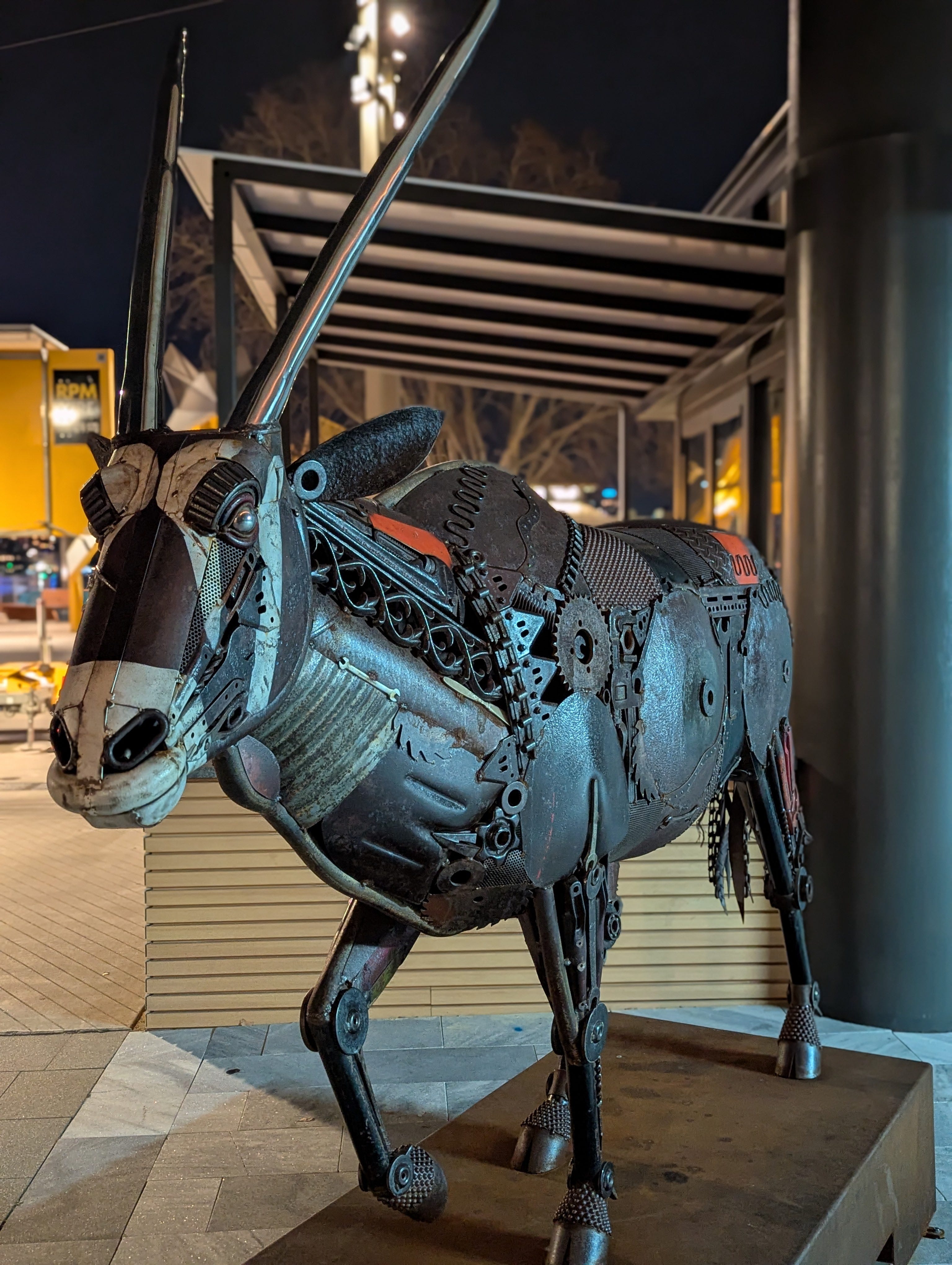
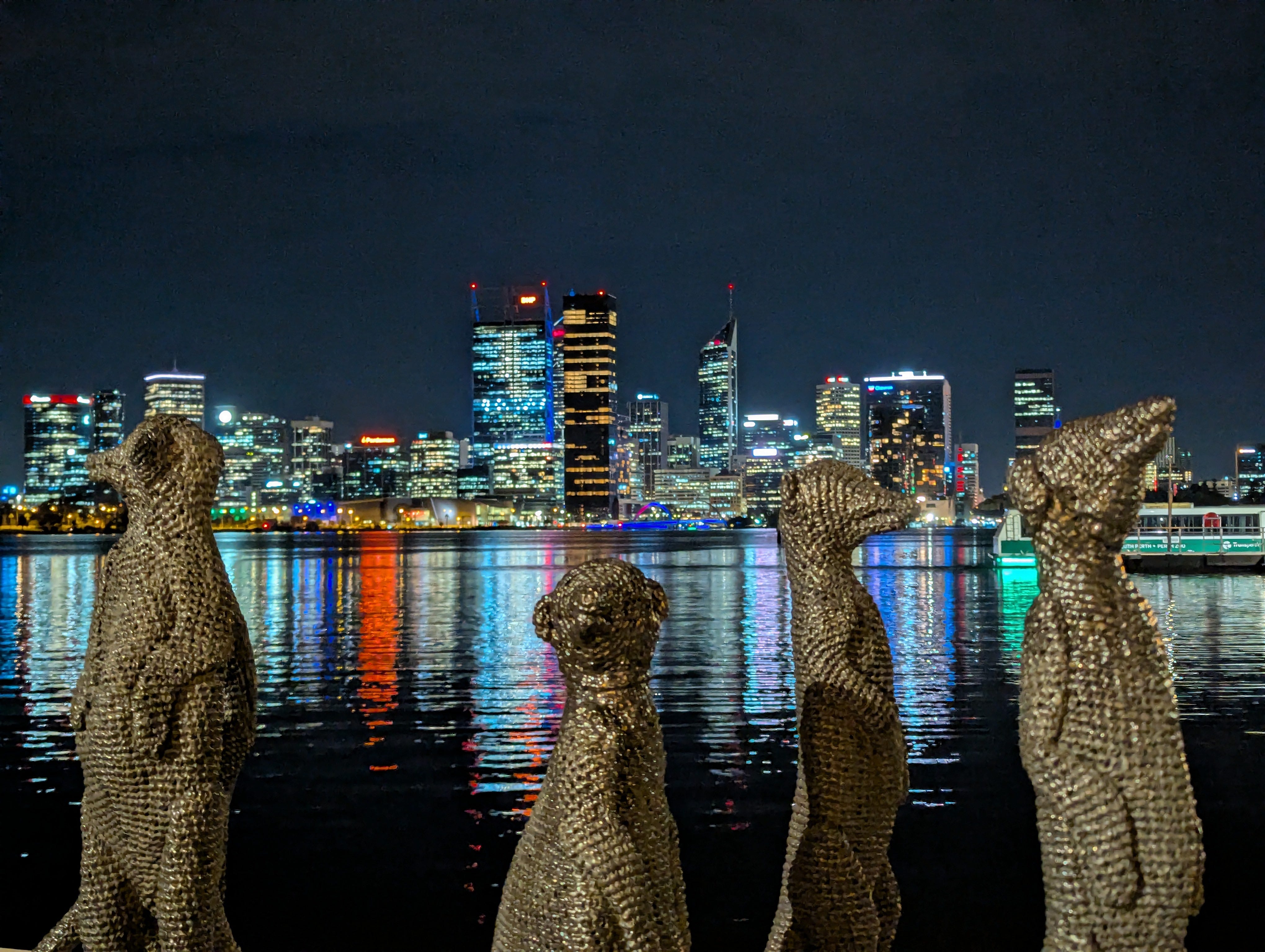
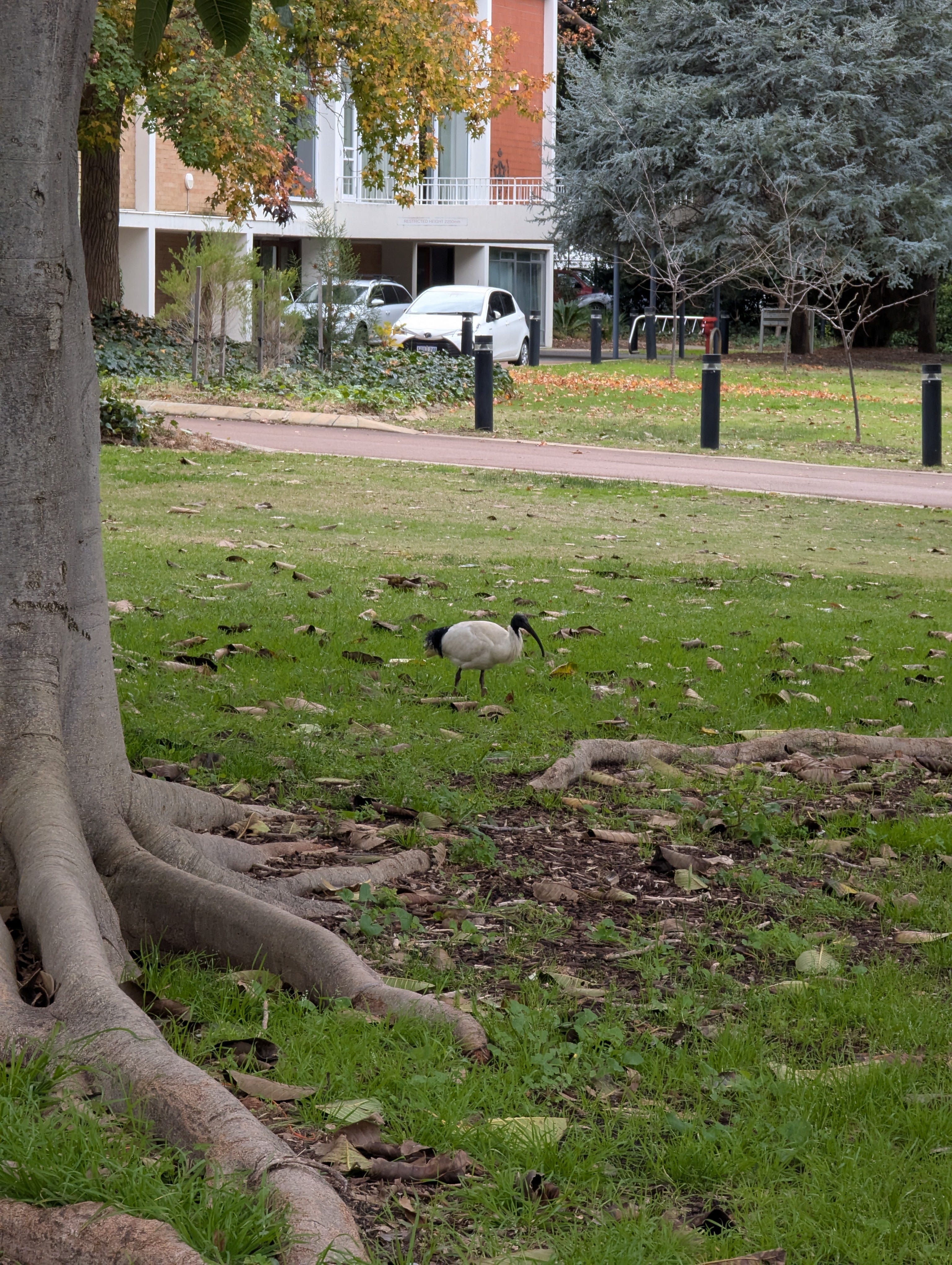
The next day, the Saturday, was a teaching day for the Providence Church Network. While walking to the event, I pointed out a bird I considered very elegant to Rory, who introduced me to the ‘bin chicken’. I delivered two talks and was part of a panel for a third session.
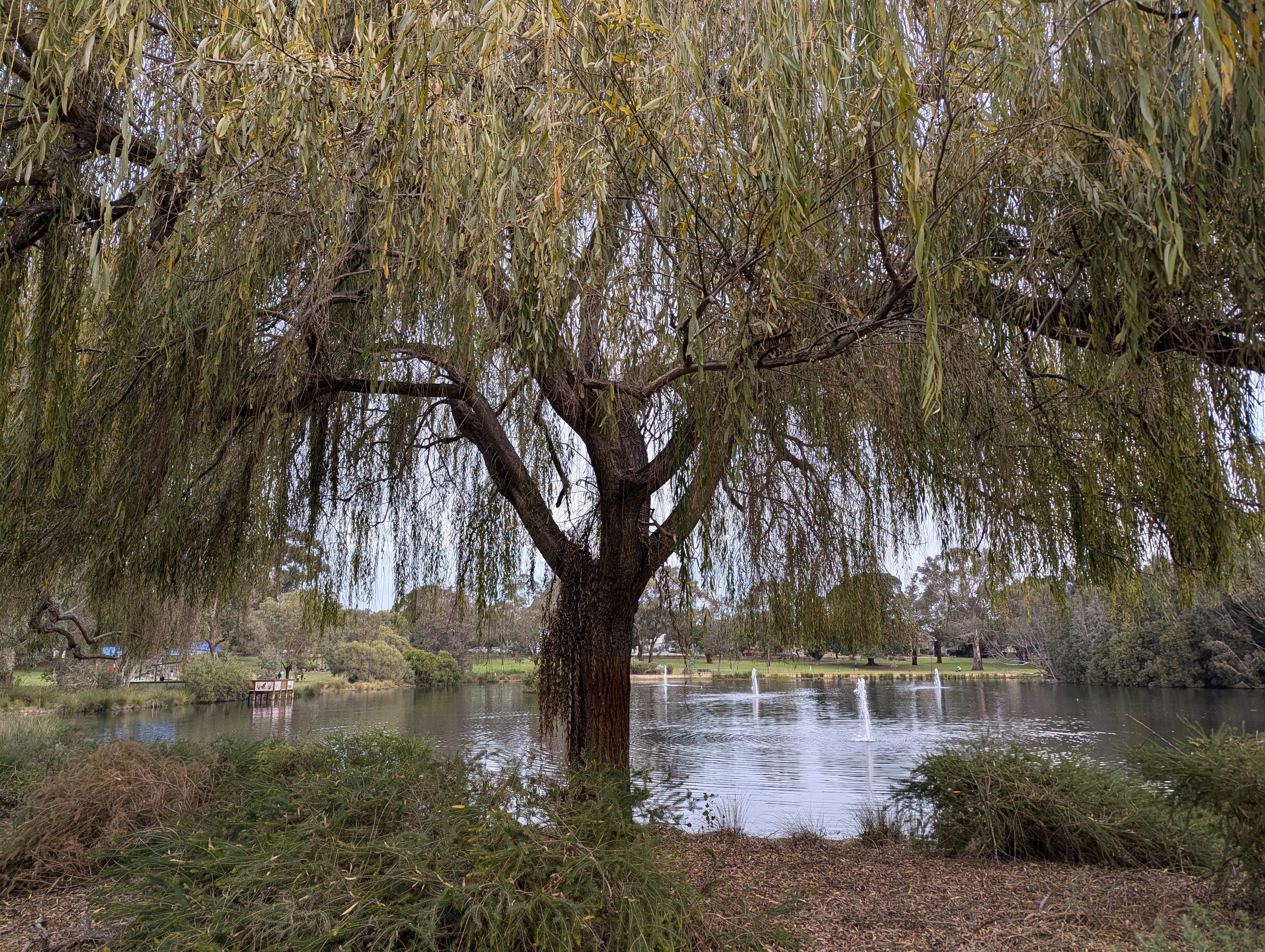
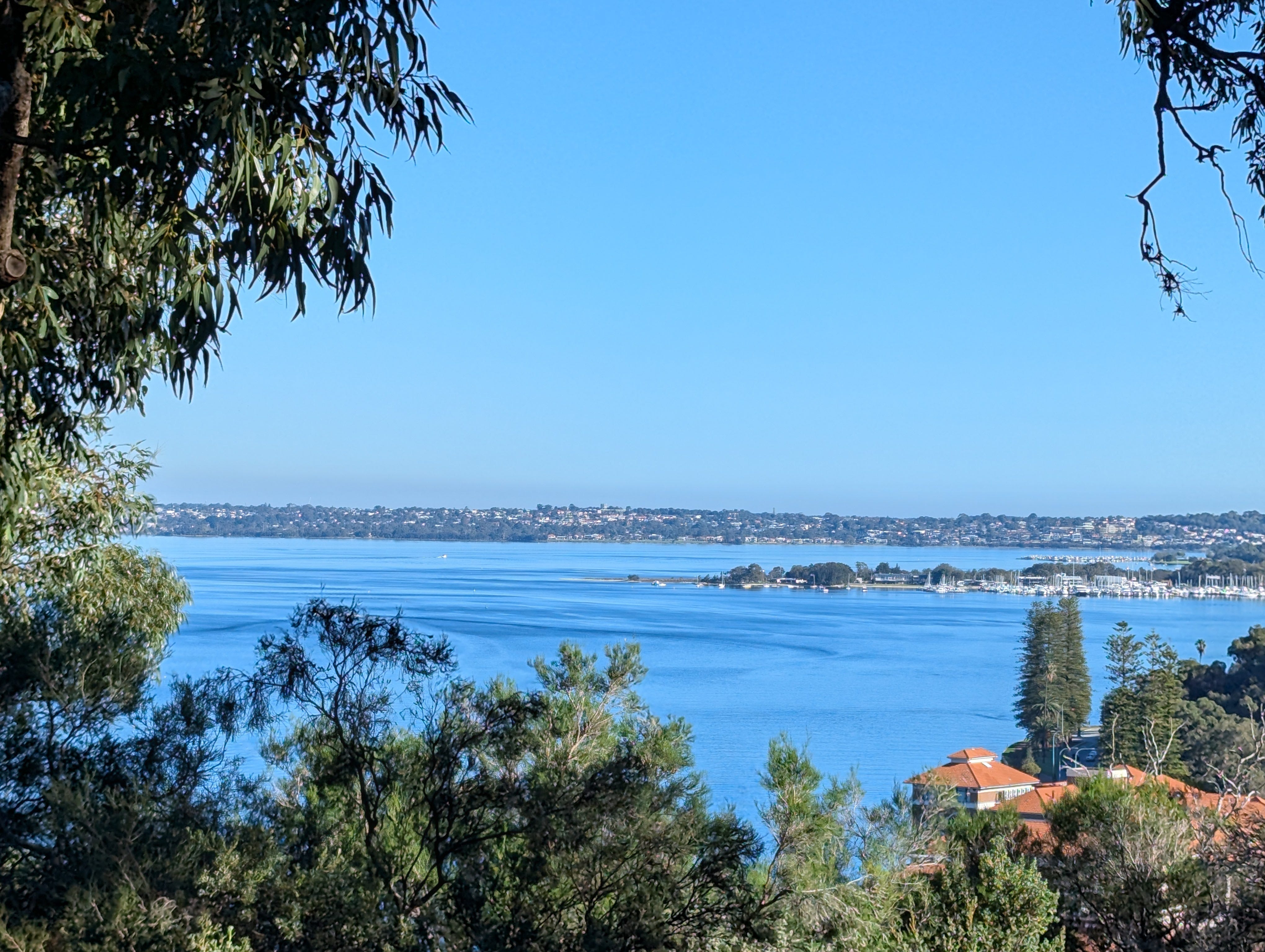
The Shiners had discovered that it was my birthday, and that evening they took me out to Elizabeth Quay for ice cream. Before getting the ice cream, they took me to King’s Park, where we enjoyed an incredible view out over Swan River and the city.
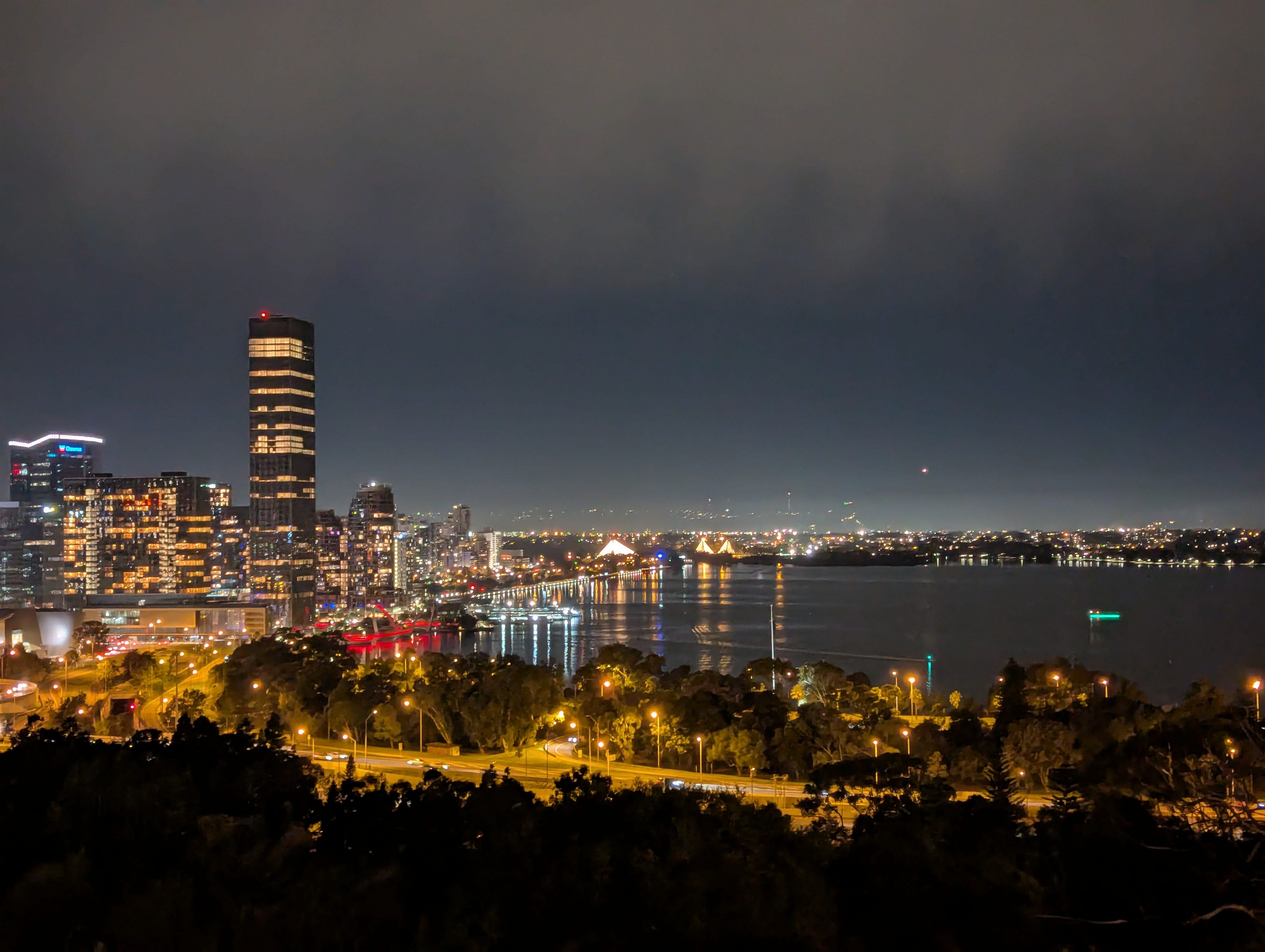
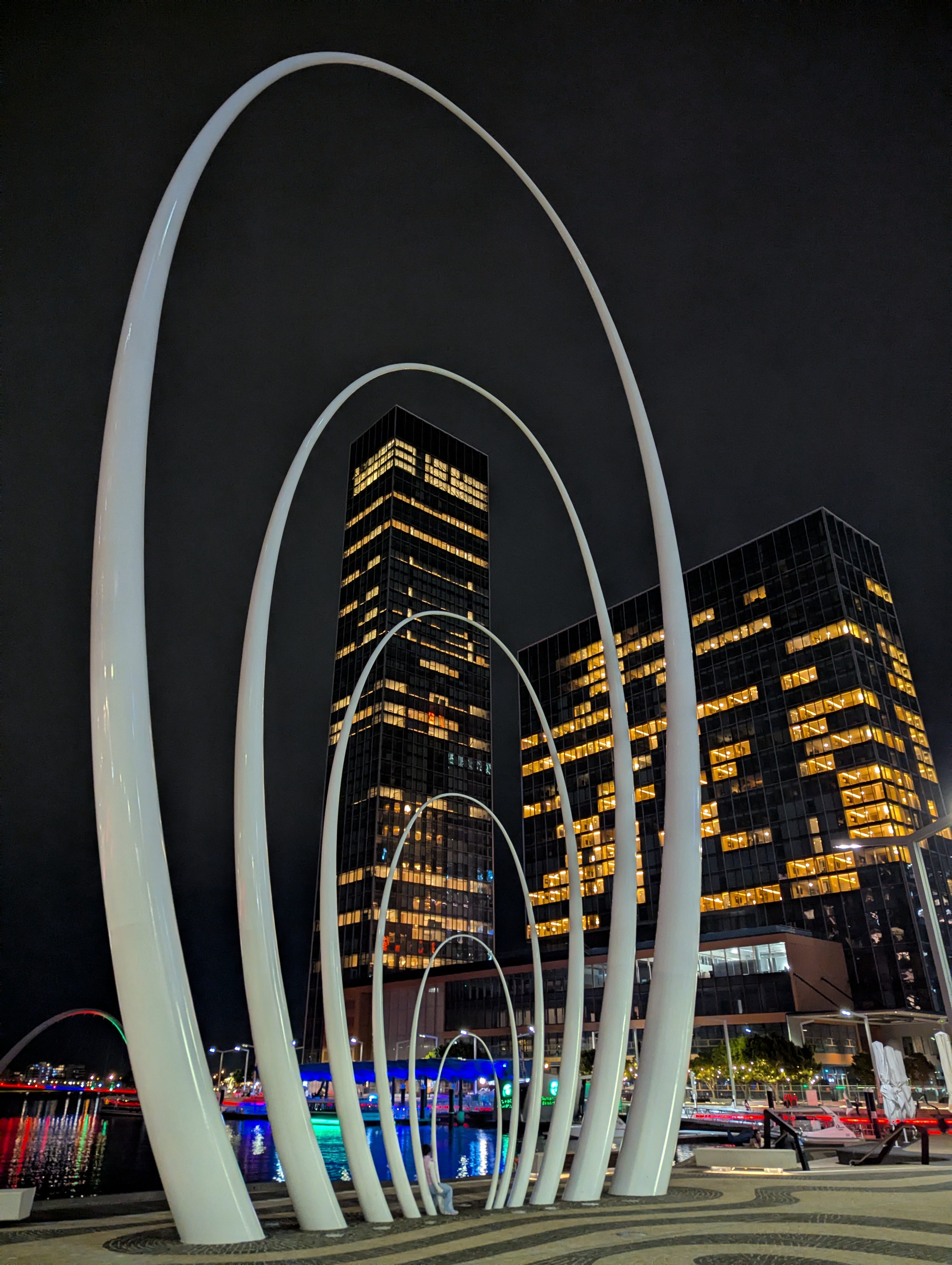
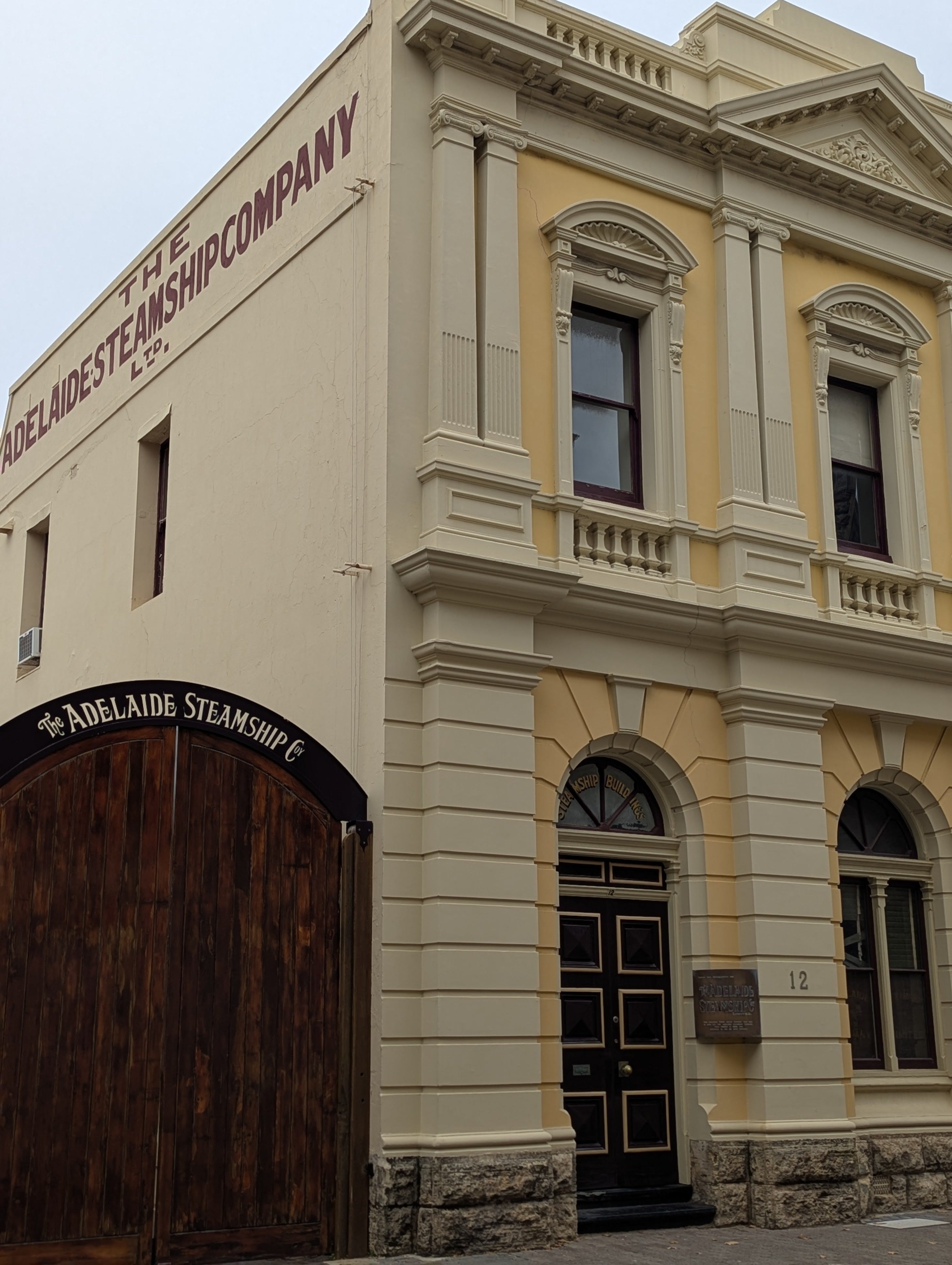
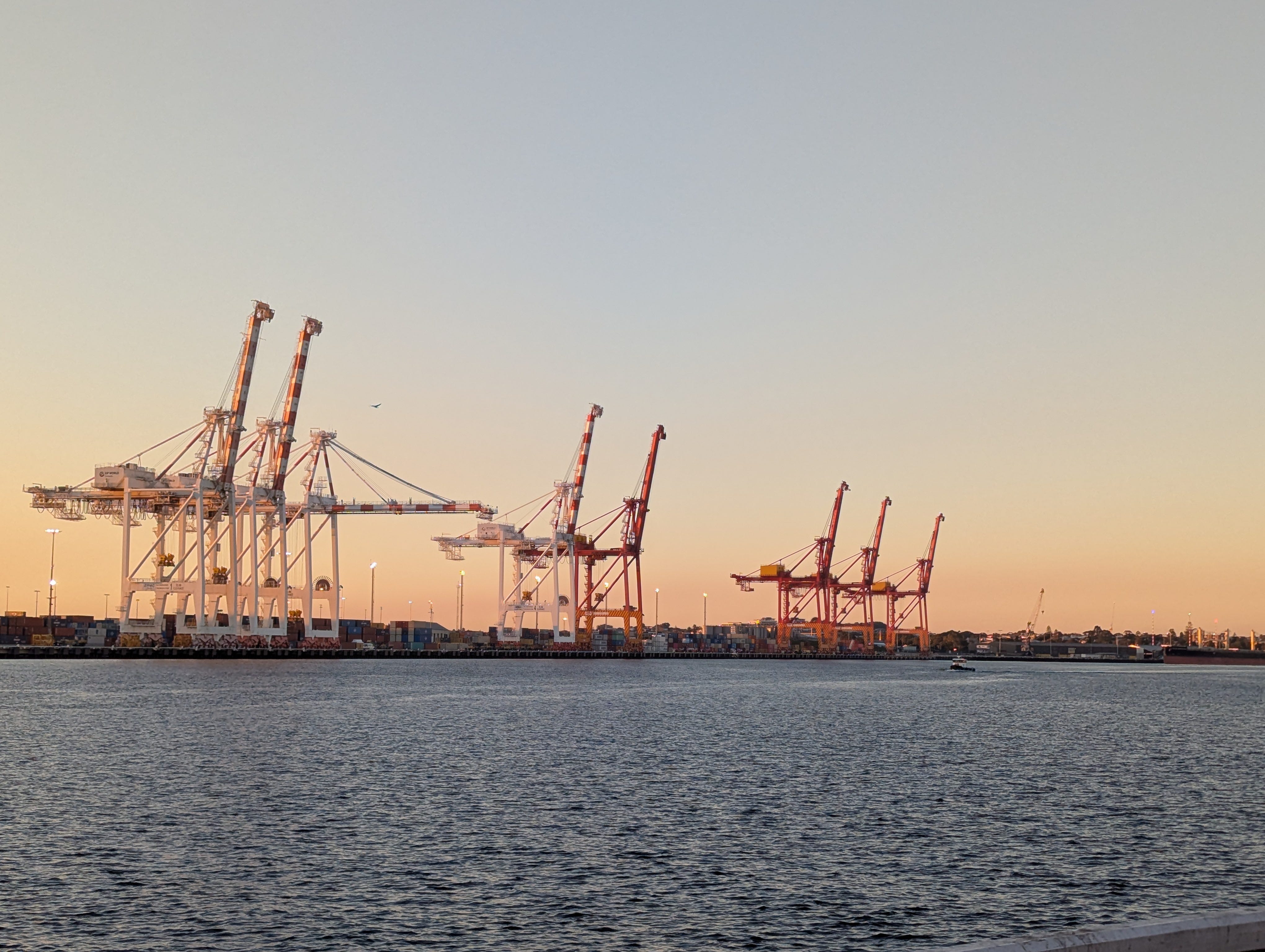
After church the next morning, I made my way down to Fremantle, to explore a little of the area. Fremantle is the port town near to Perth.
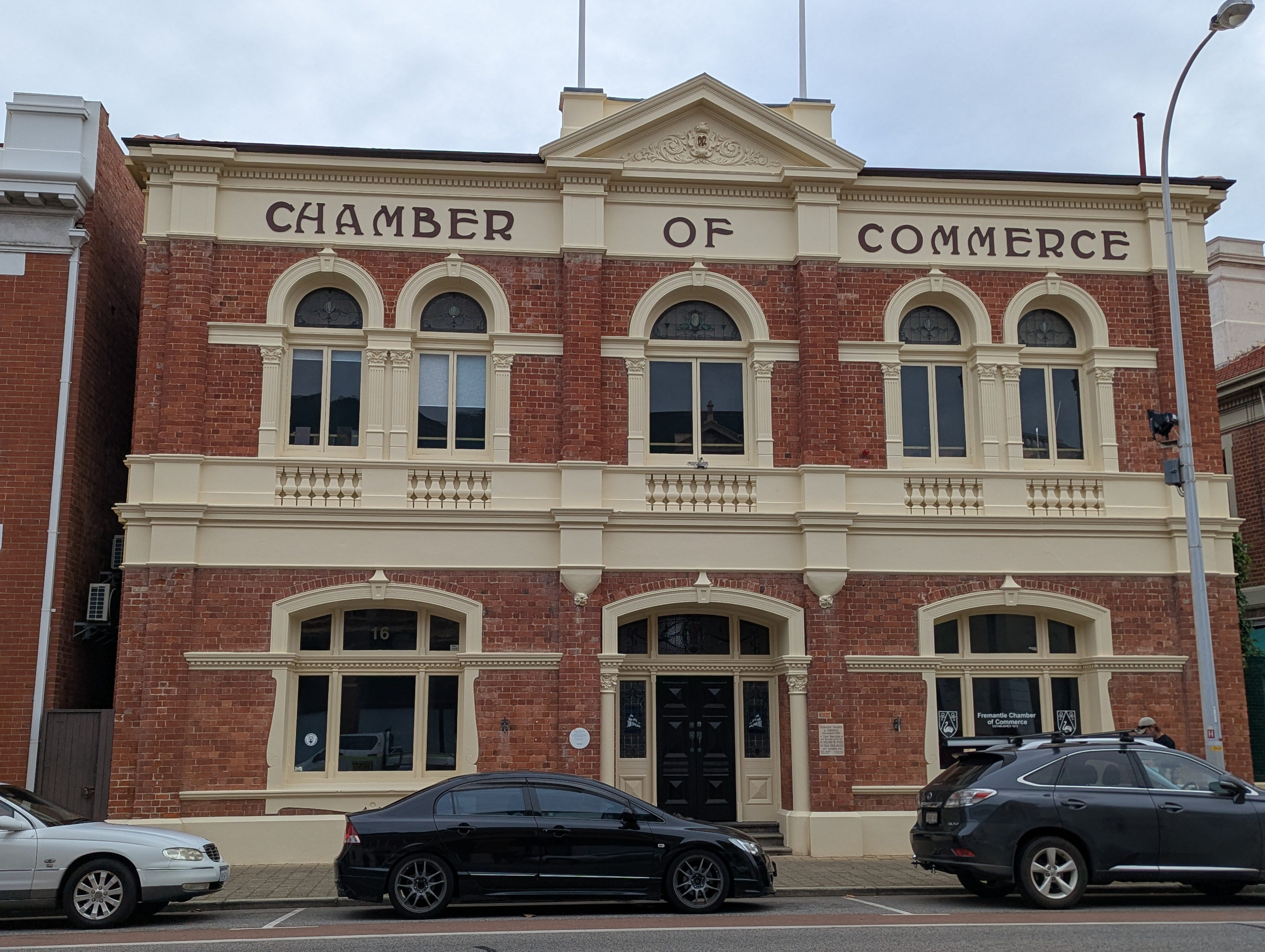
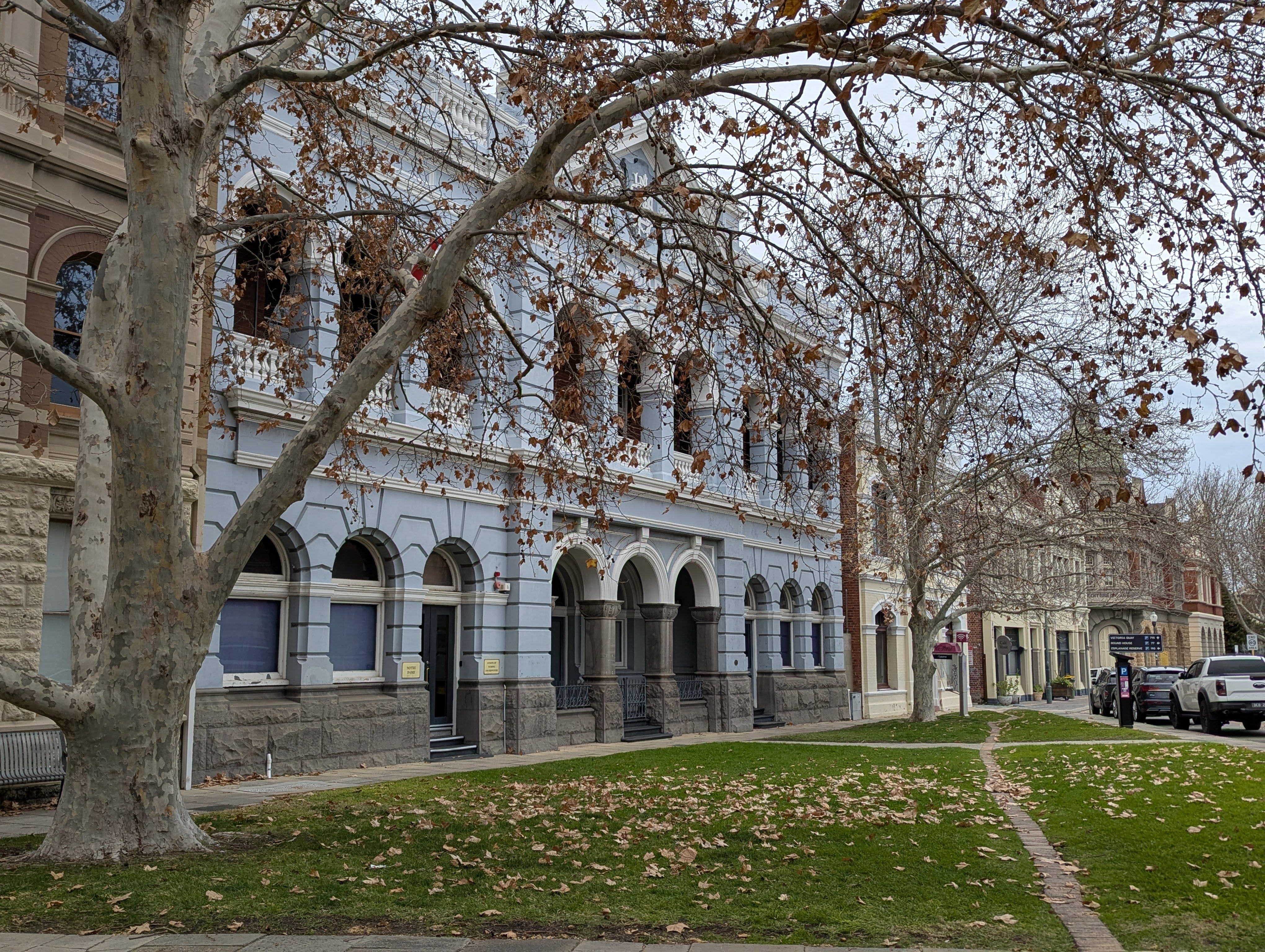
The town of Fremantle is a very attractive one in many parts and I enjoyed wandering through it, down towards the maritime museum.

I watched a large container ship entering the port.
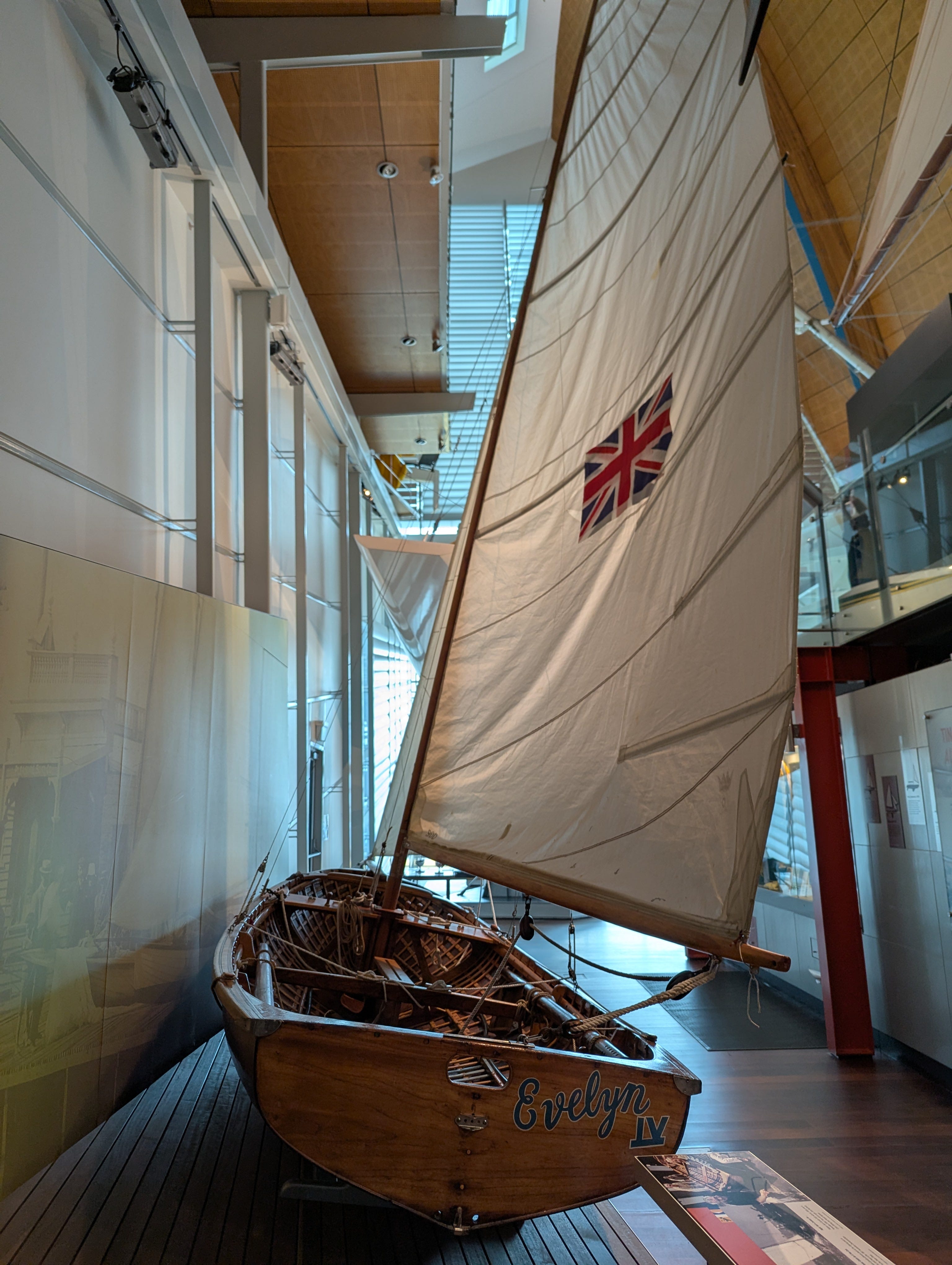
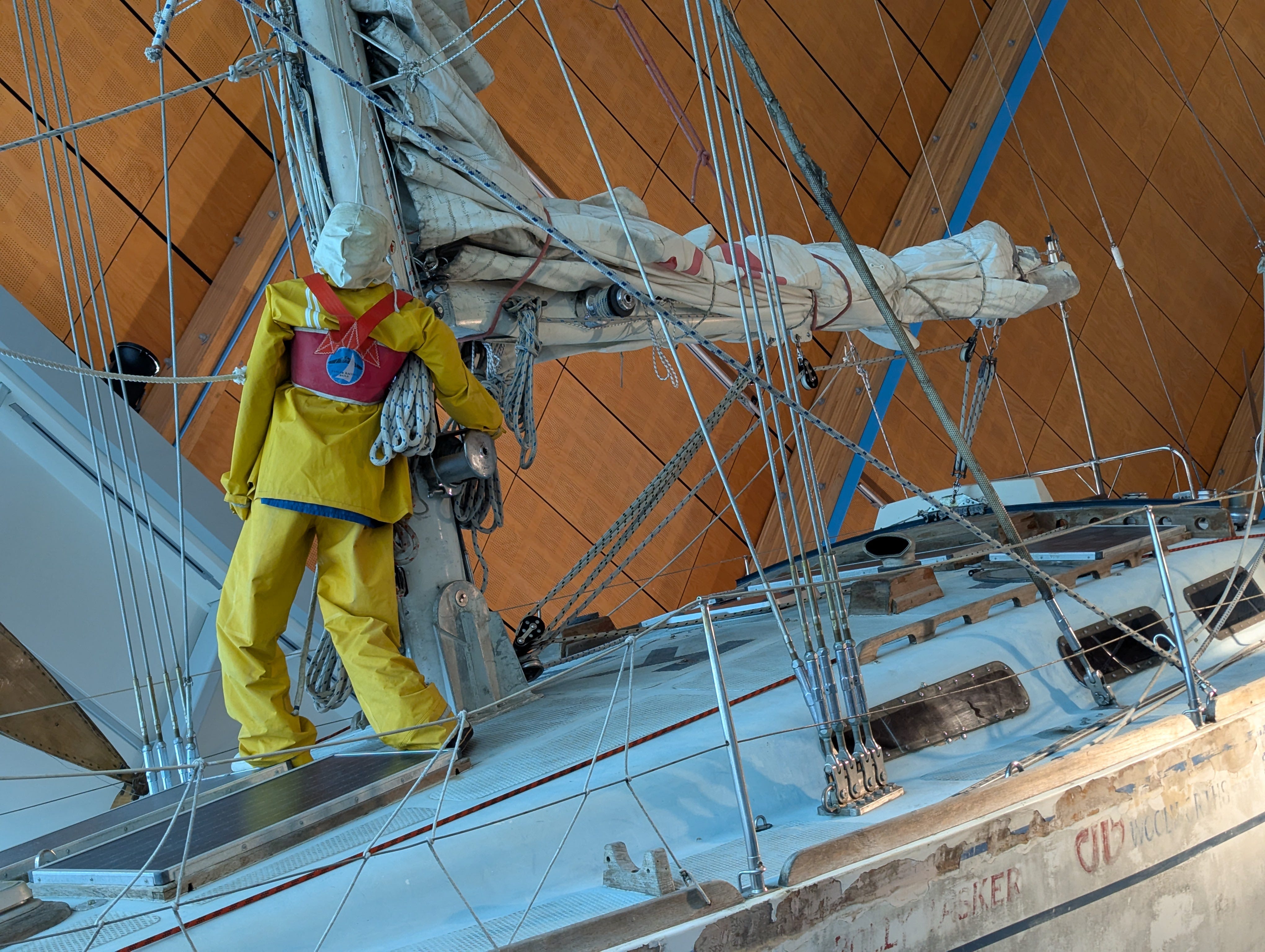
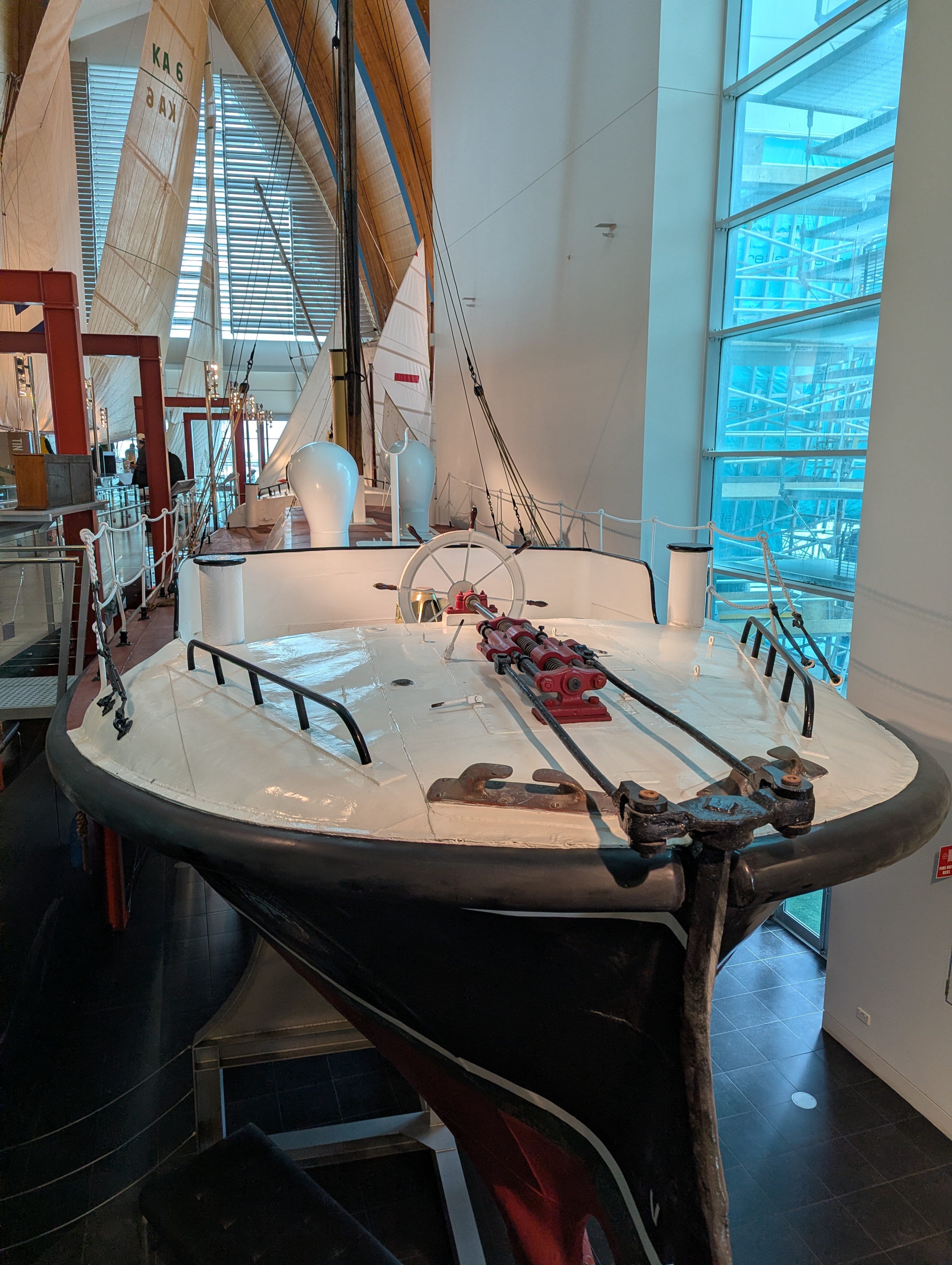
The maritime museum—yes, Susannah missed out on another maritime museum—was an impressive one, with several vessels imaginatively arranged in a spacious and interesting exhibition space.
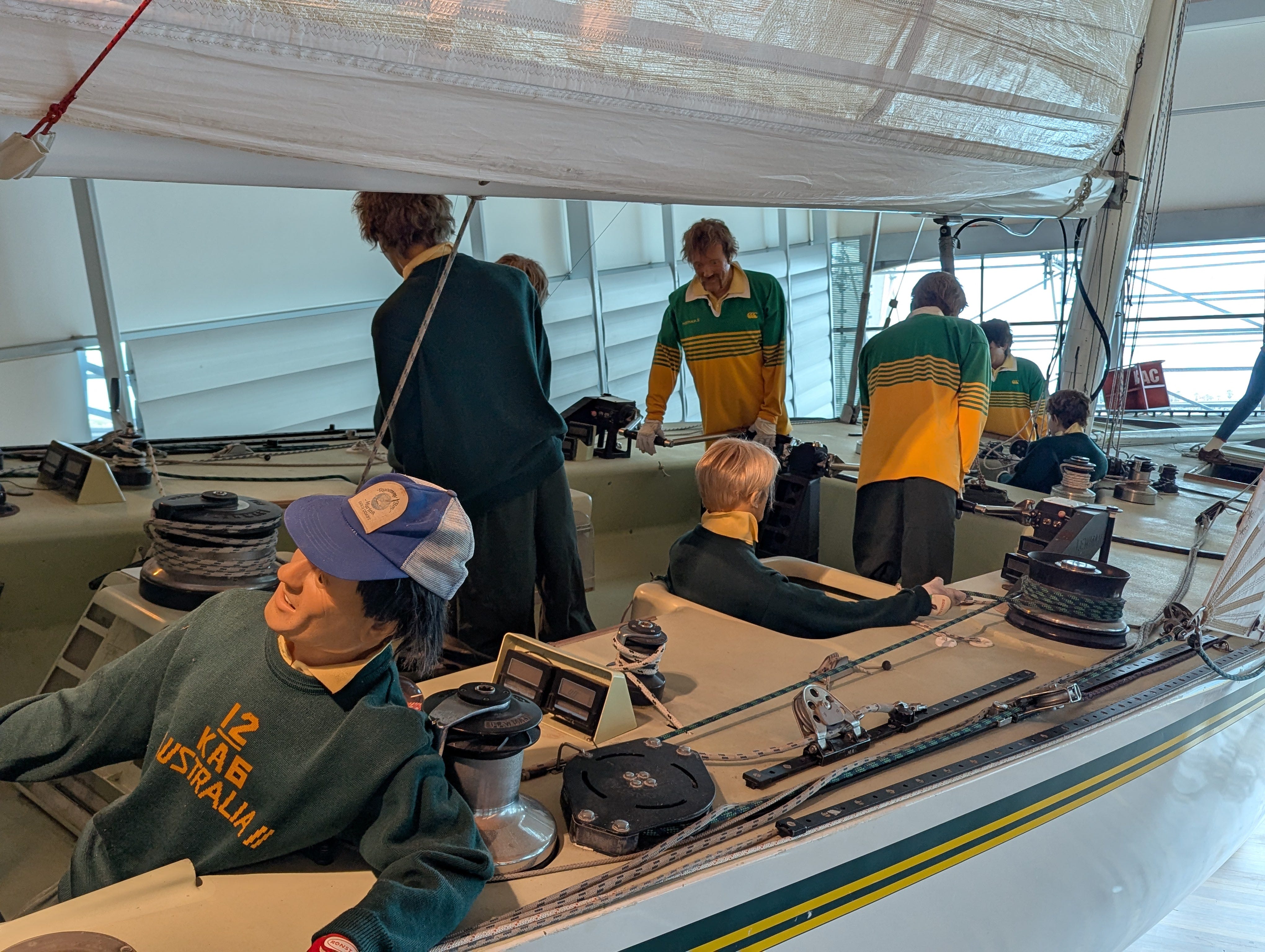
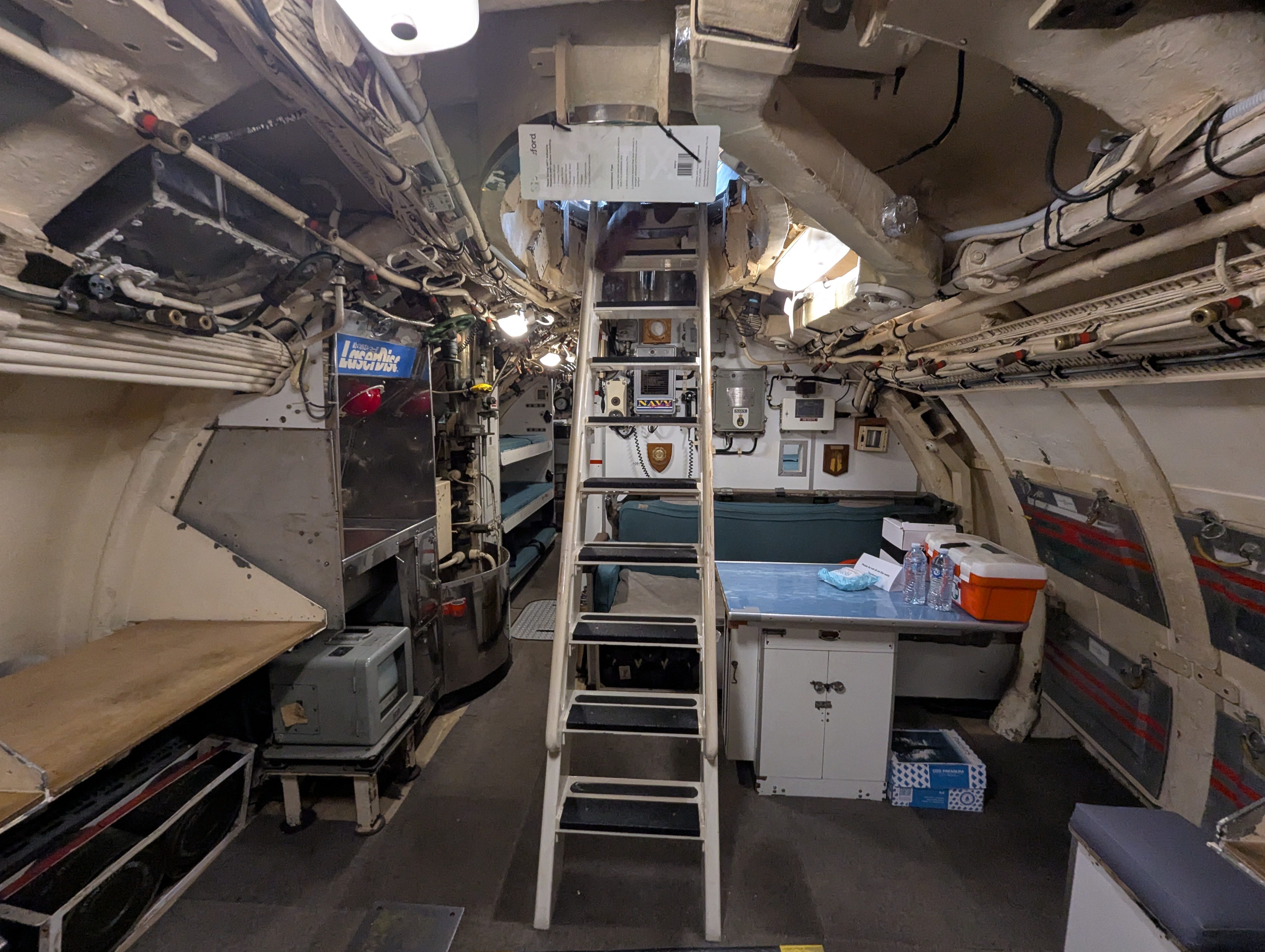
I had booked a ticket for a tour of the submarine behind the museum. The museum was superb, but the submarine blew the rest of it out of the water (as submarines are wont to do).
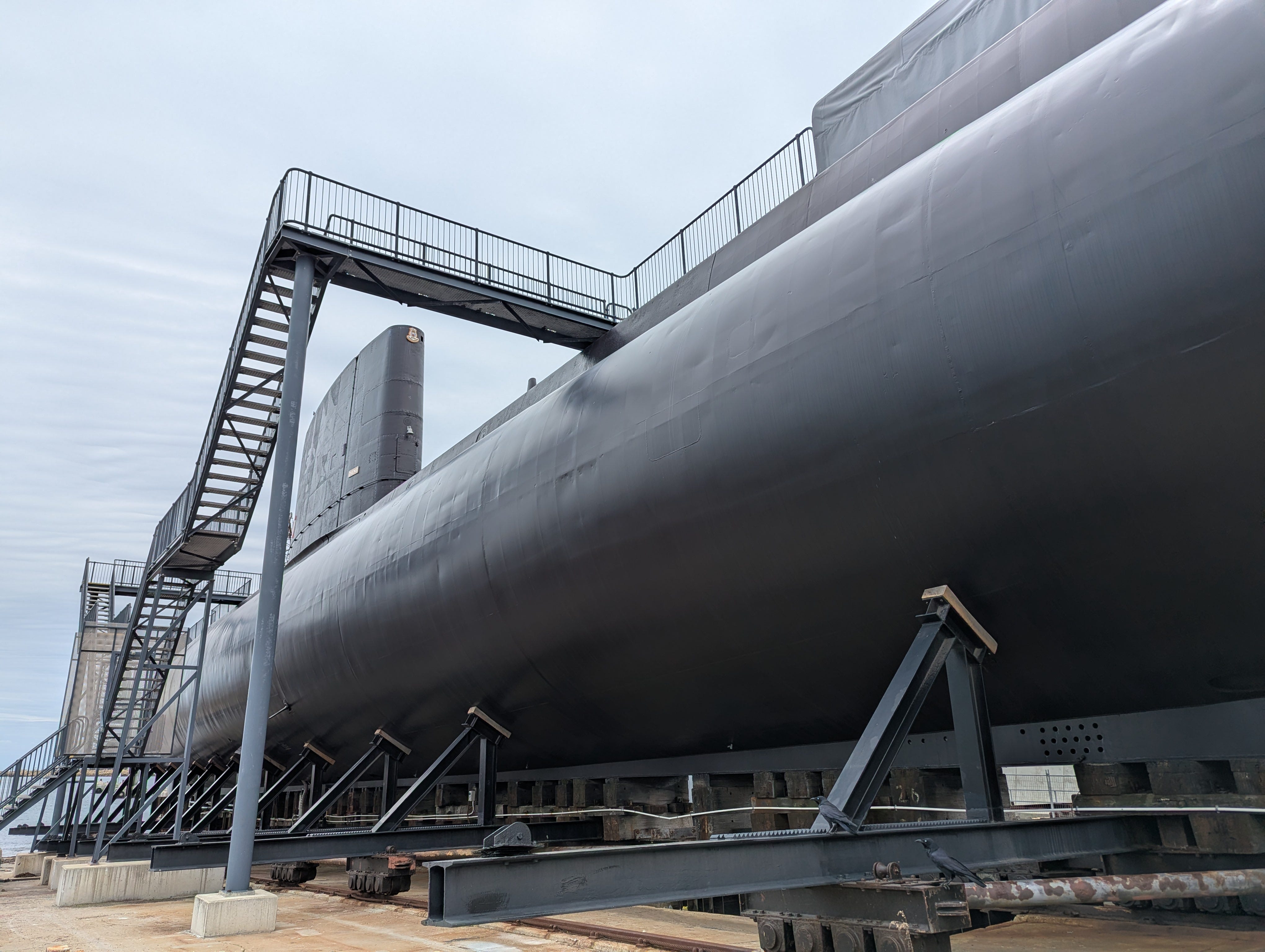
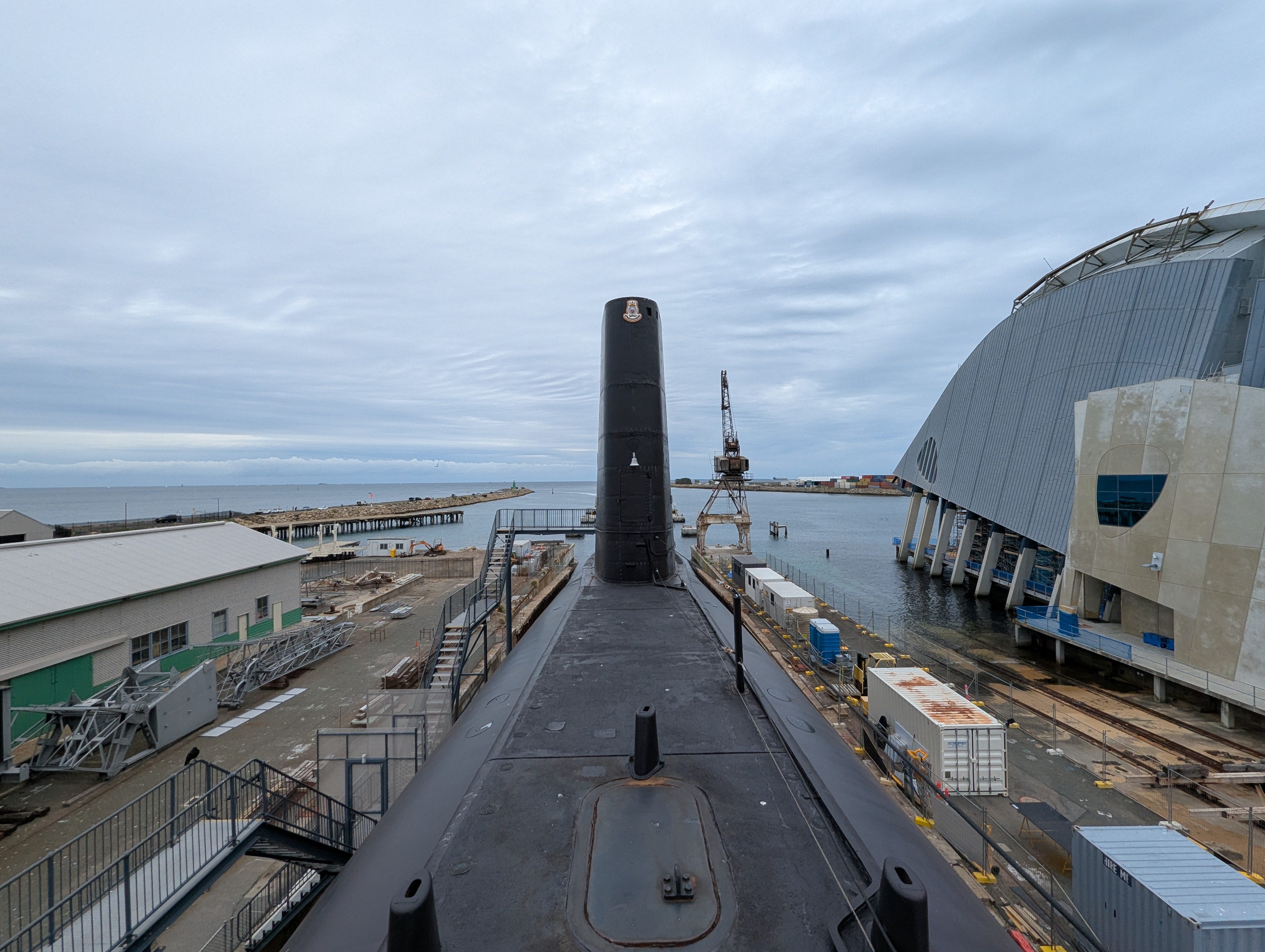
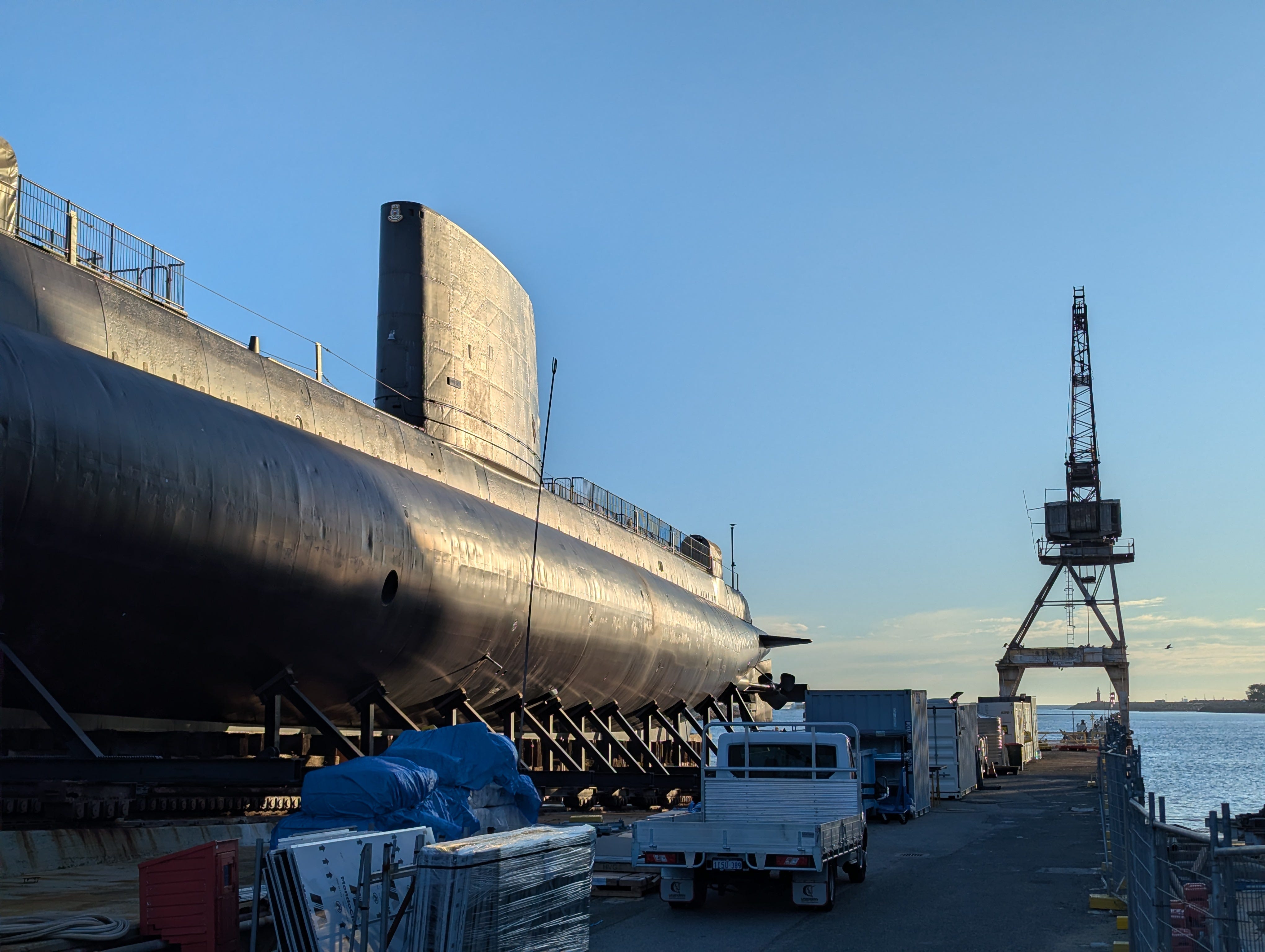
The submarine was the HMAS Ovens, an Oberon class Cold War-era vessel, was built in Greenock in Scotland and had formerly served in the Royal Australian Navy (RAN). About 90 metres long, it used to have around sixty sailors and eight officers (to which sixteen trainees could be added). She was given to the museum in 1998.
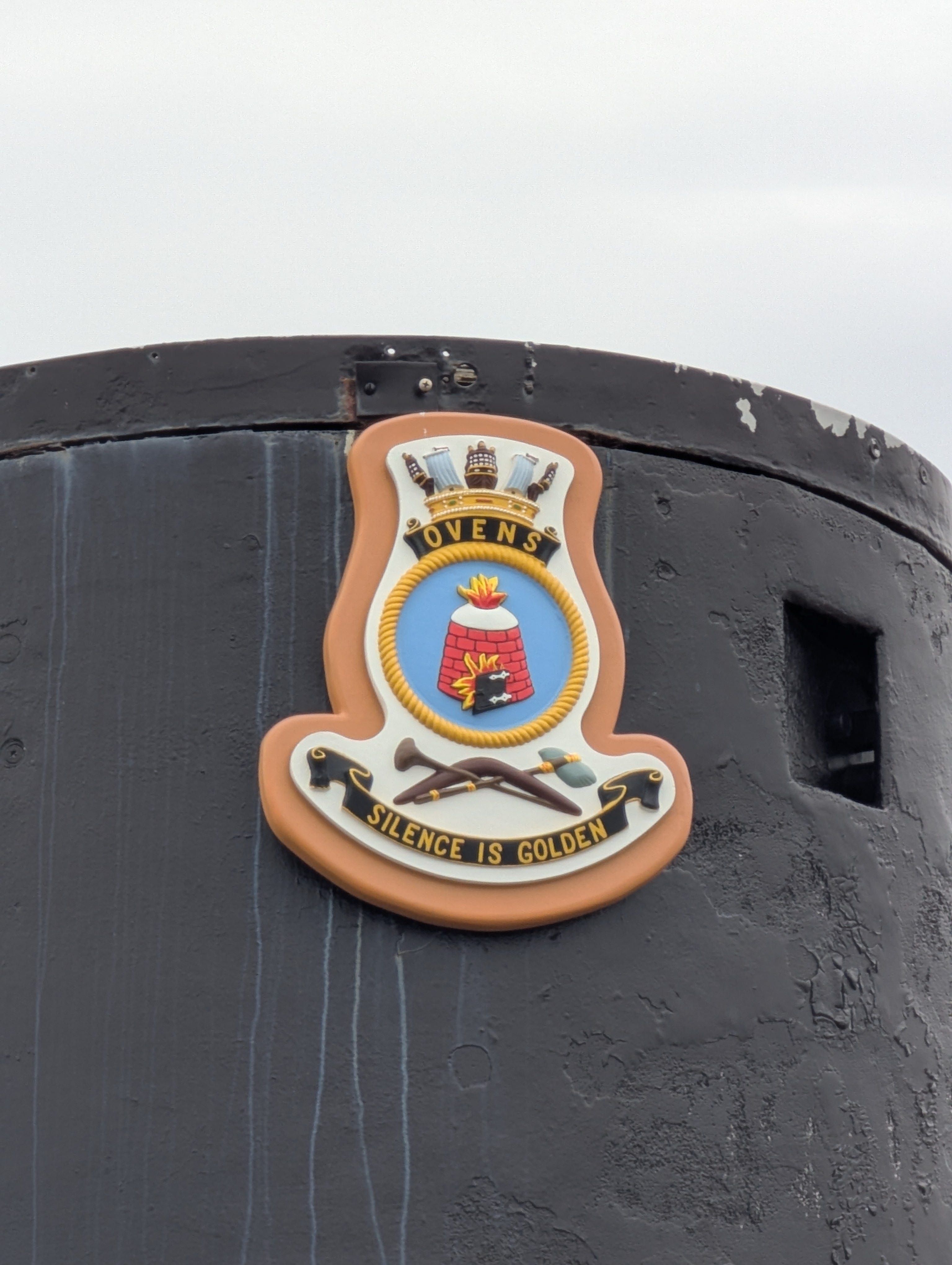
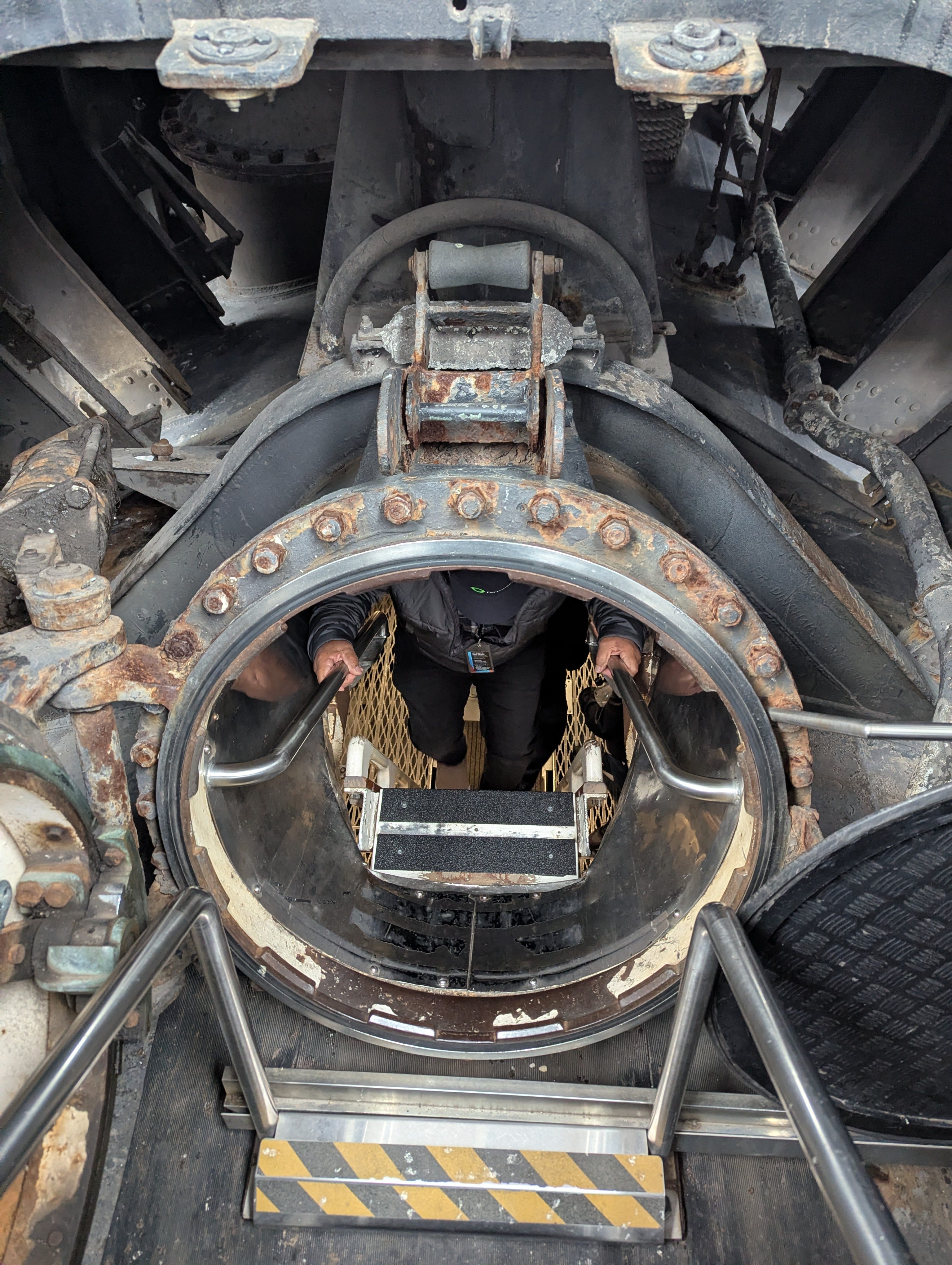
Our tour guide had served as an engineer on a submarine for many years, so was able to tell us all about what life was like on board.
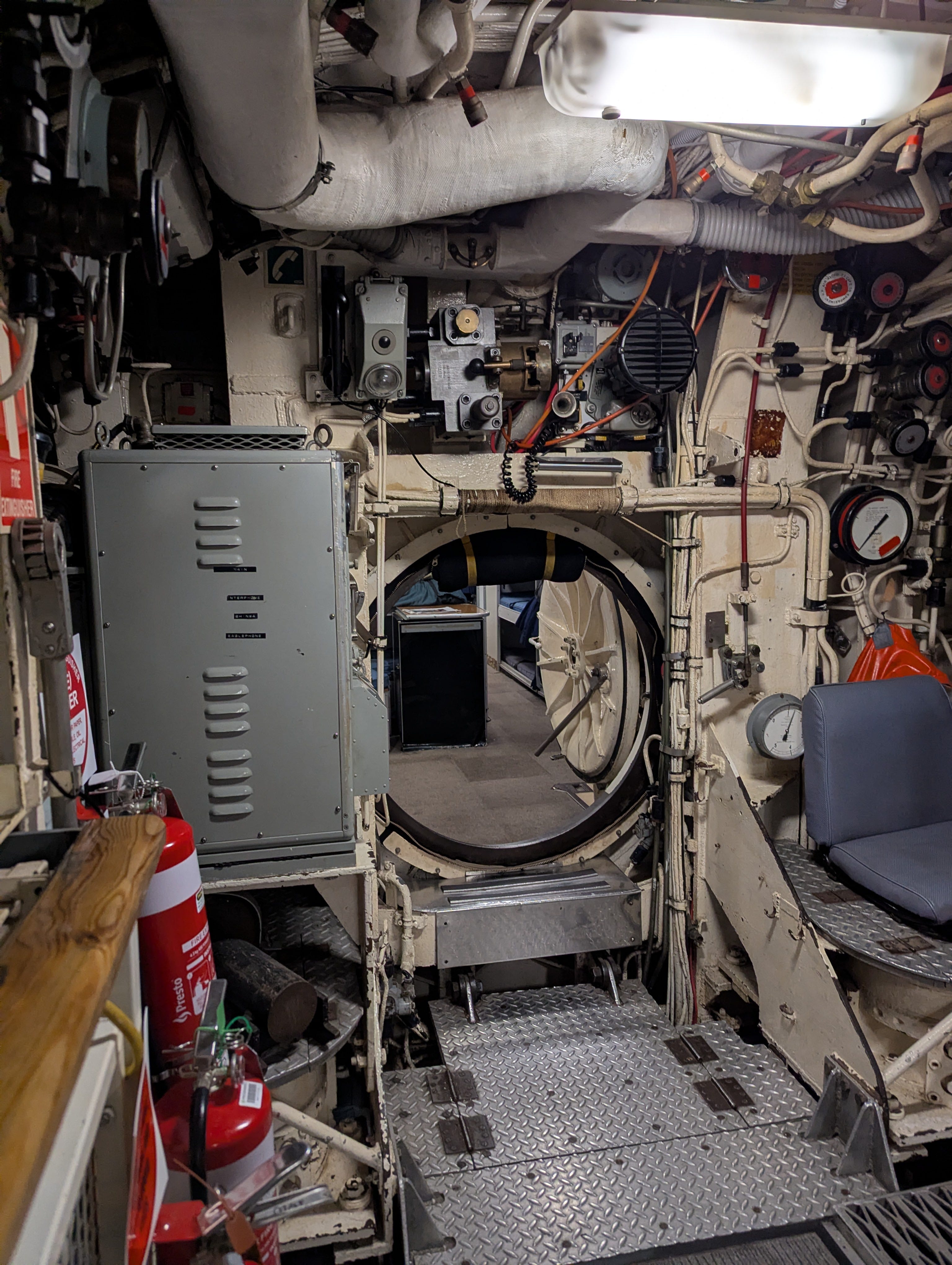
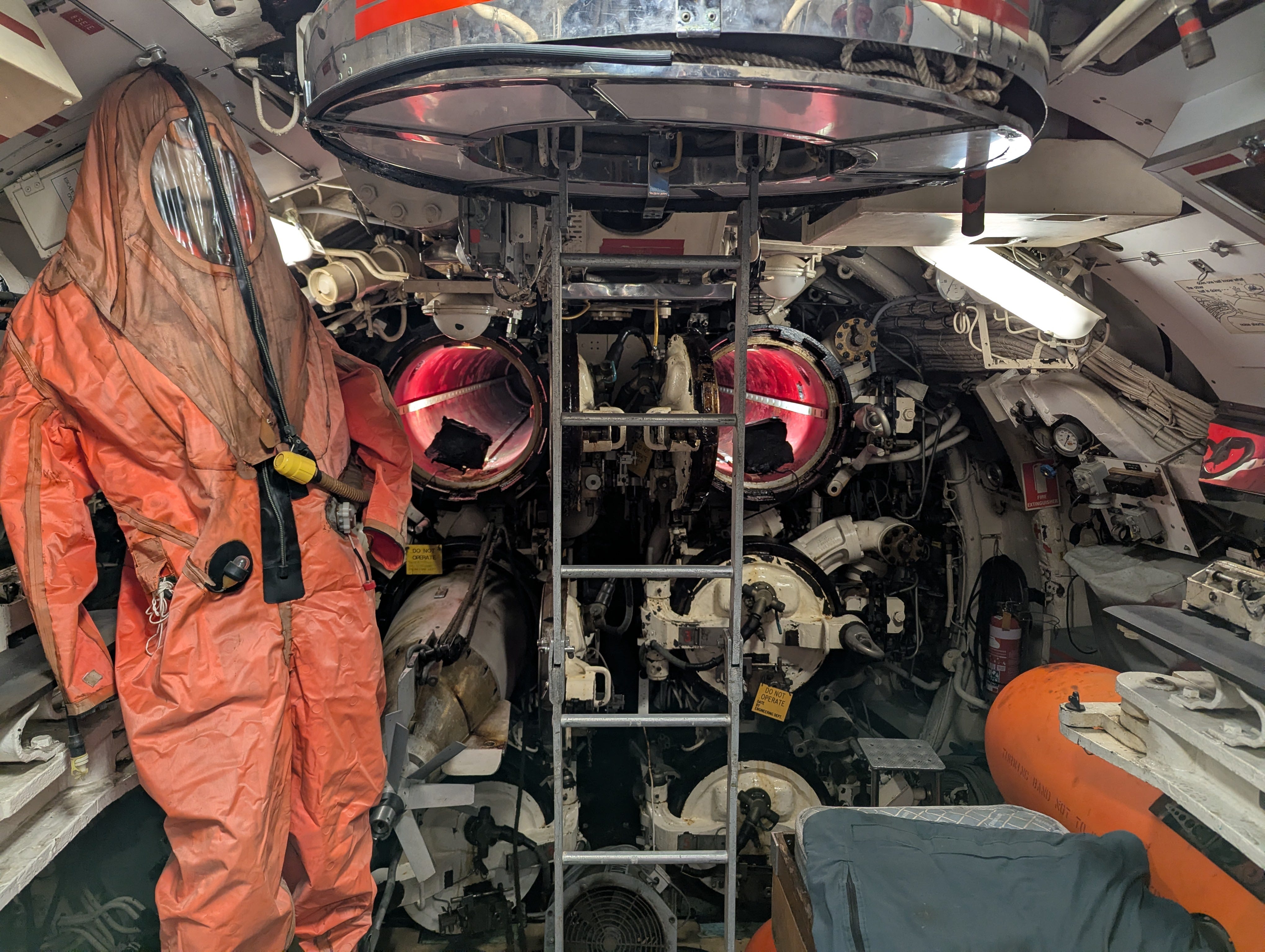
We started by climbing up a staircase to the top of the submarine, from which we descended through a hatch into the torpedo room, where our guide told us what might be involved in a situation of crisis evacuation. Ovens was the first RAN submarine to fire an armed Mark 48 torpedo.
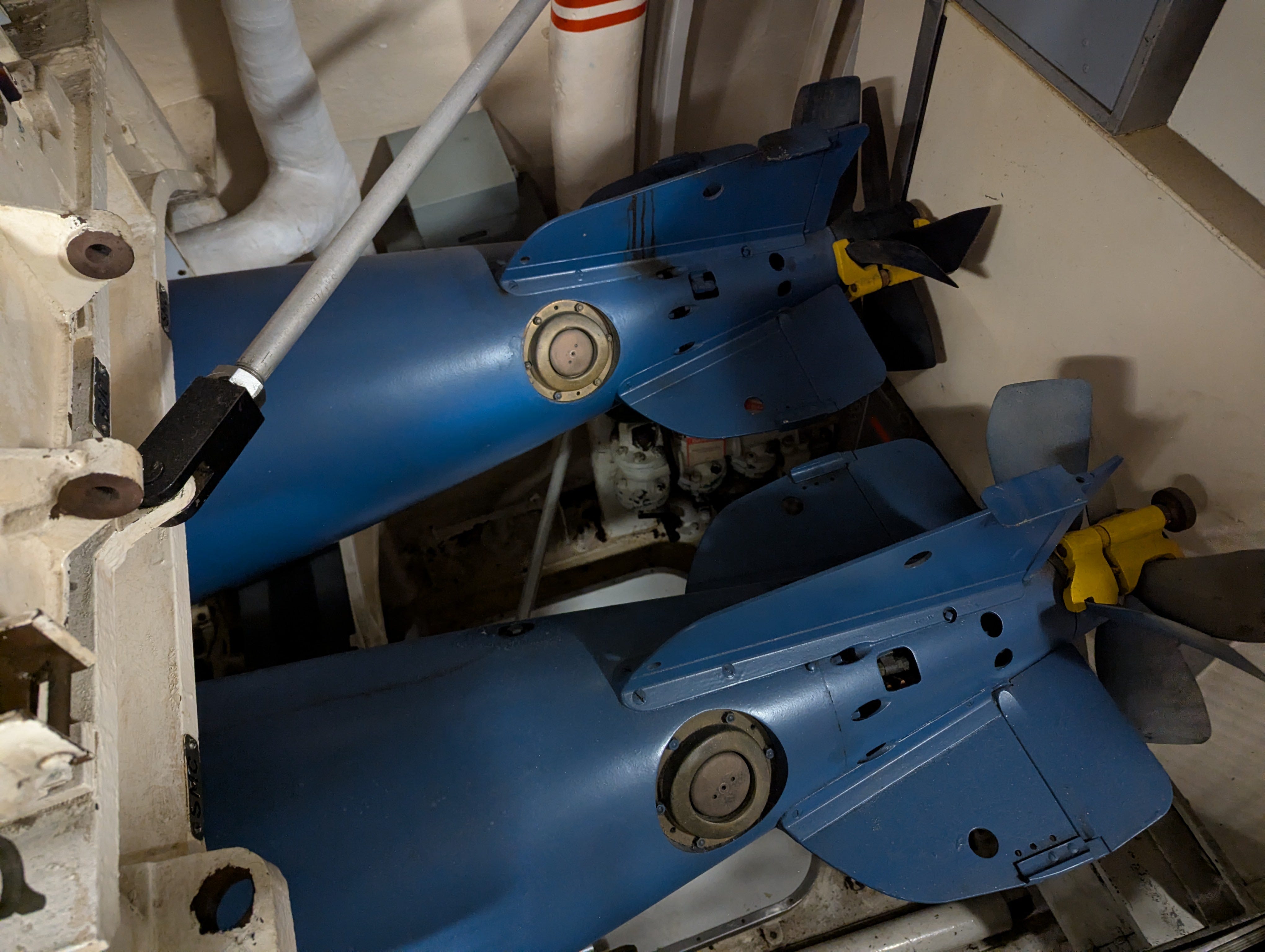
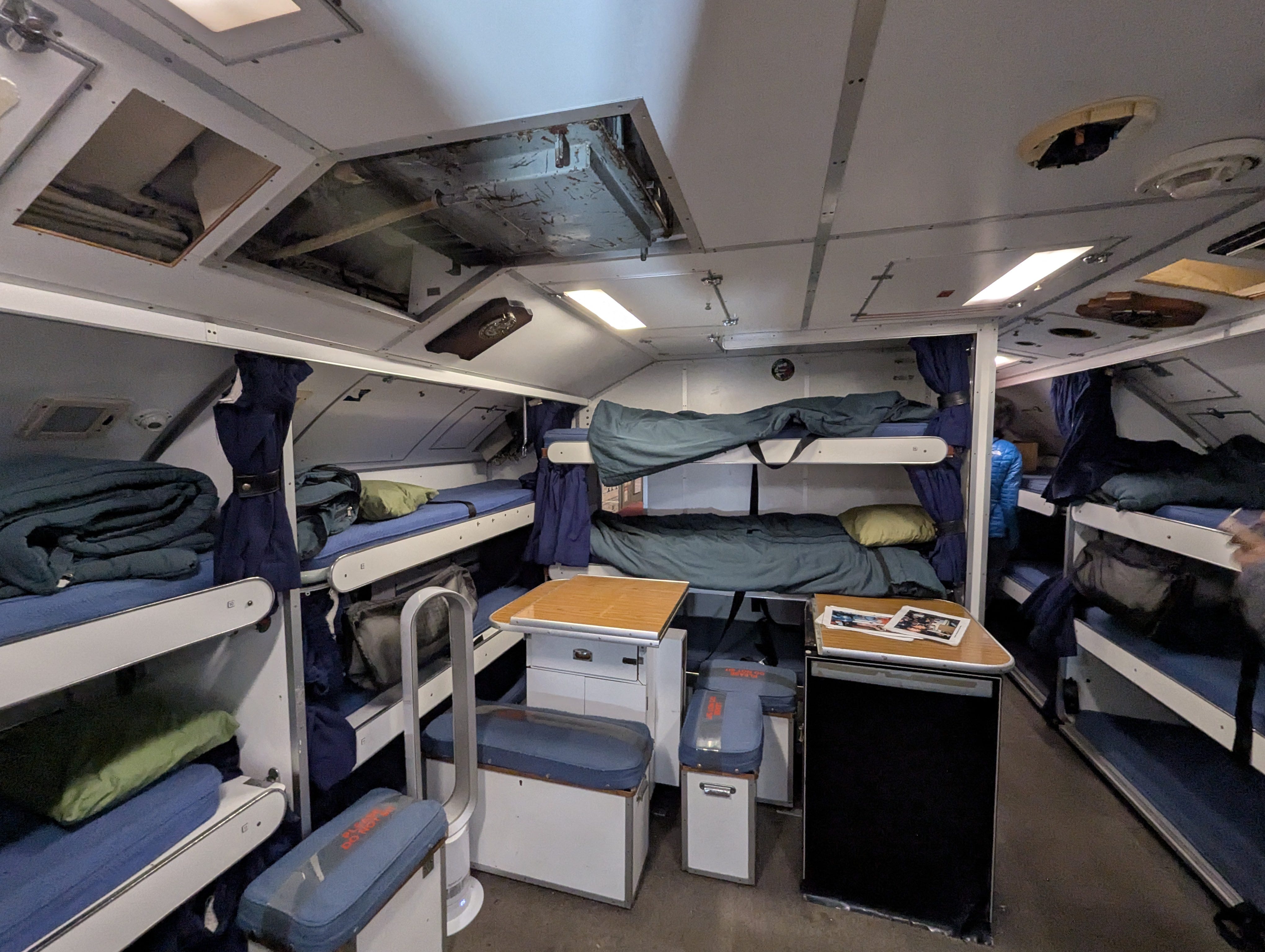
We then went through to the fore accommodation, where the sailors would have been packed in like sardines. Our guide gave us a vivid description of the conditions on board, the smell of the diesel, the din, the heat, the sweat, the poor air, the unwashed bodies, the lack of sleep, the vomit, the utter lack of creature comforts, and the constant sense of fear.
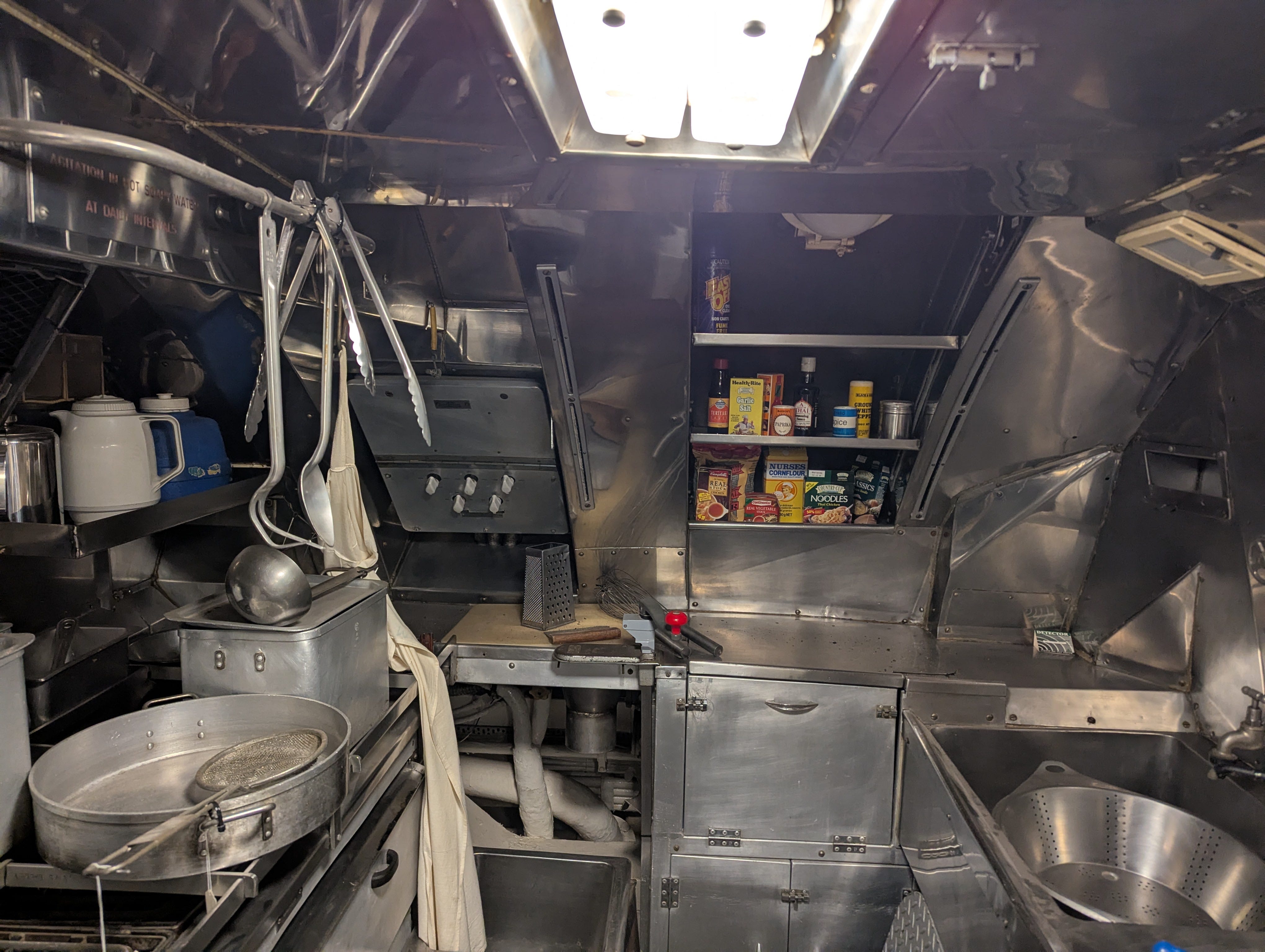
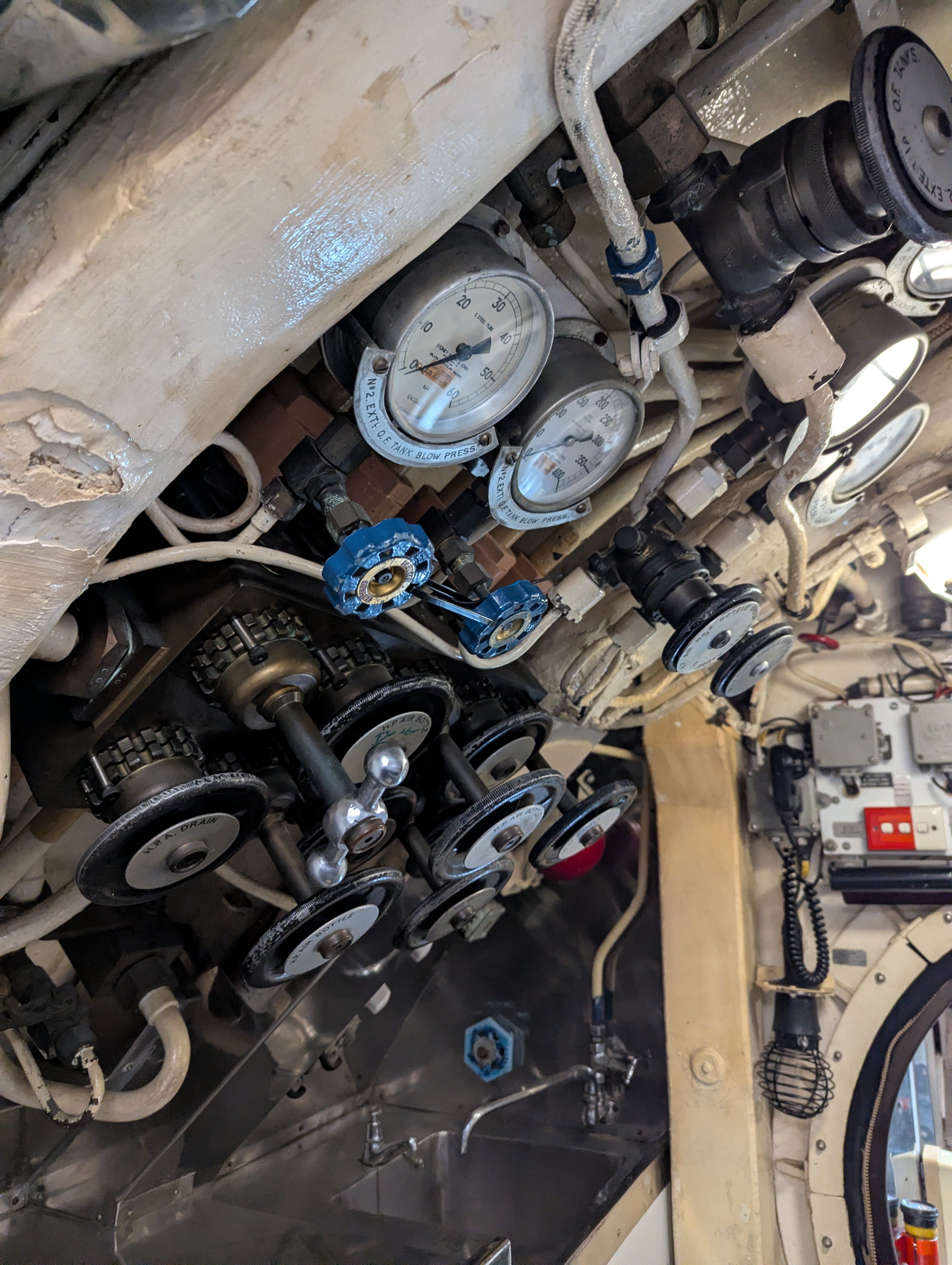
From there we walked past a few rooms—the senior sailors’ mess, a galley, and a wardroom among them—as there was no room for the tour group to fit.
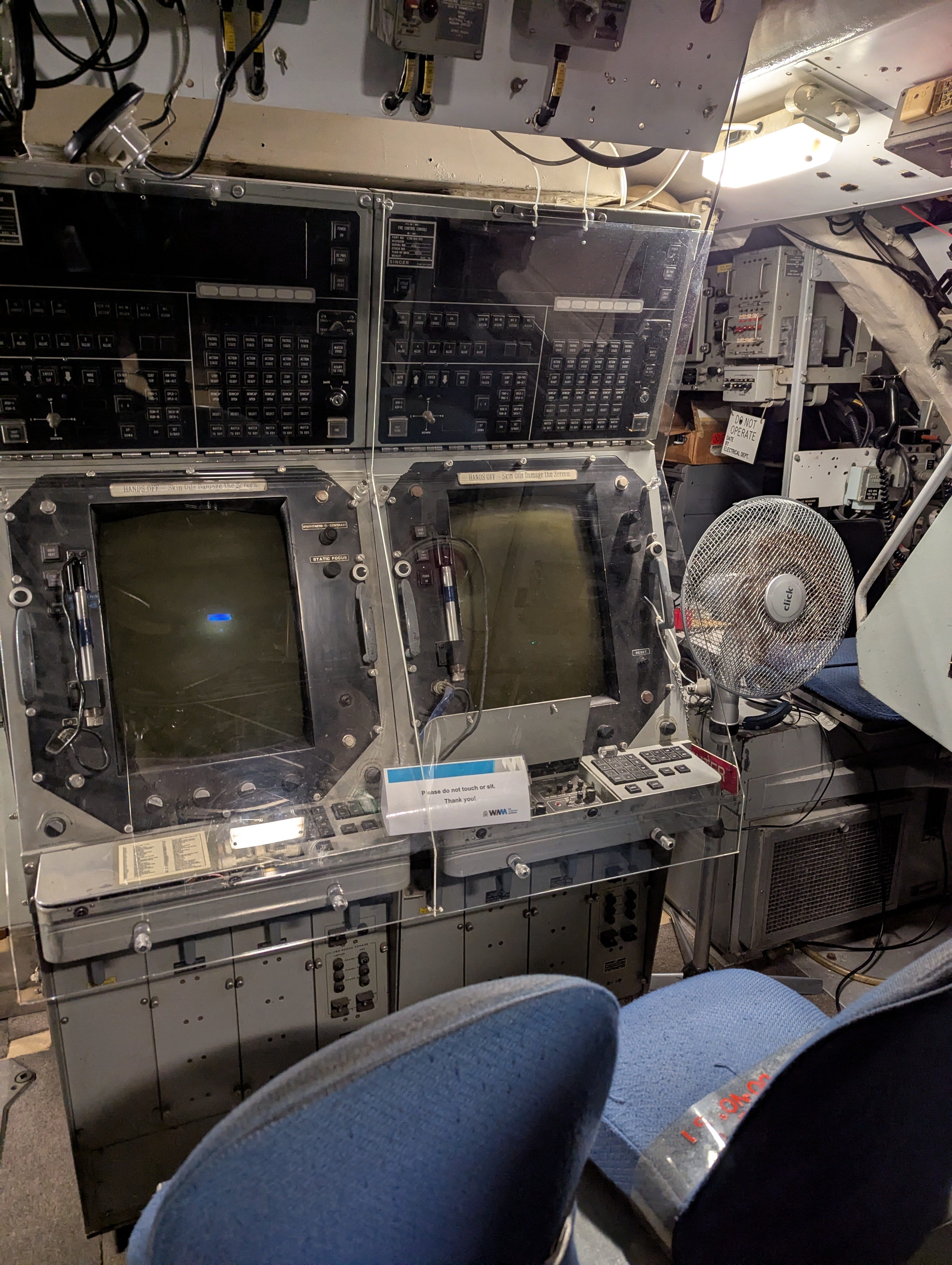
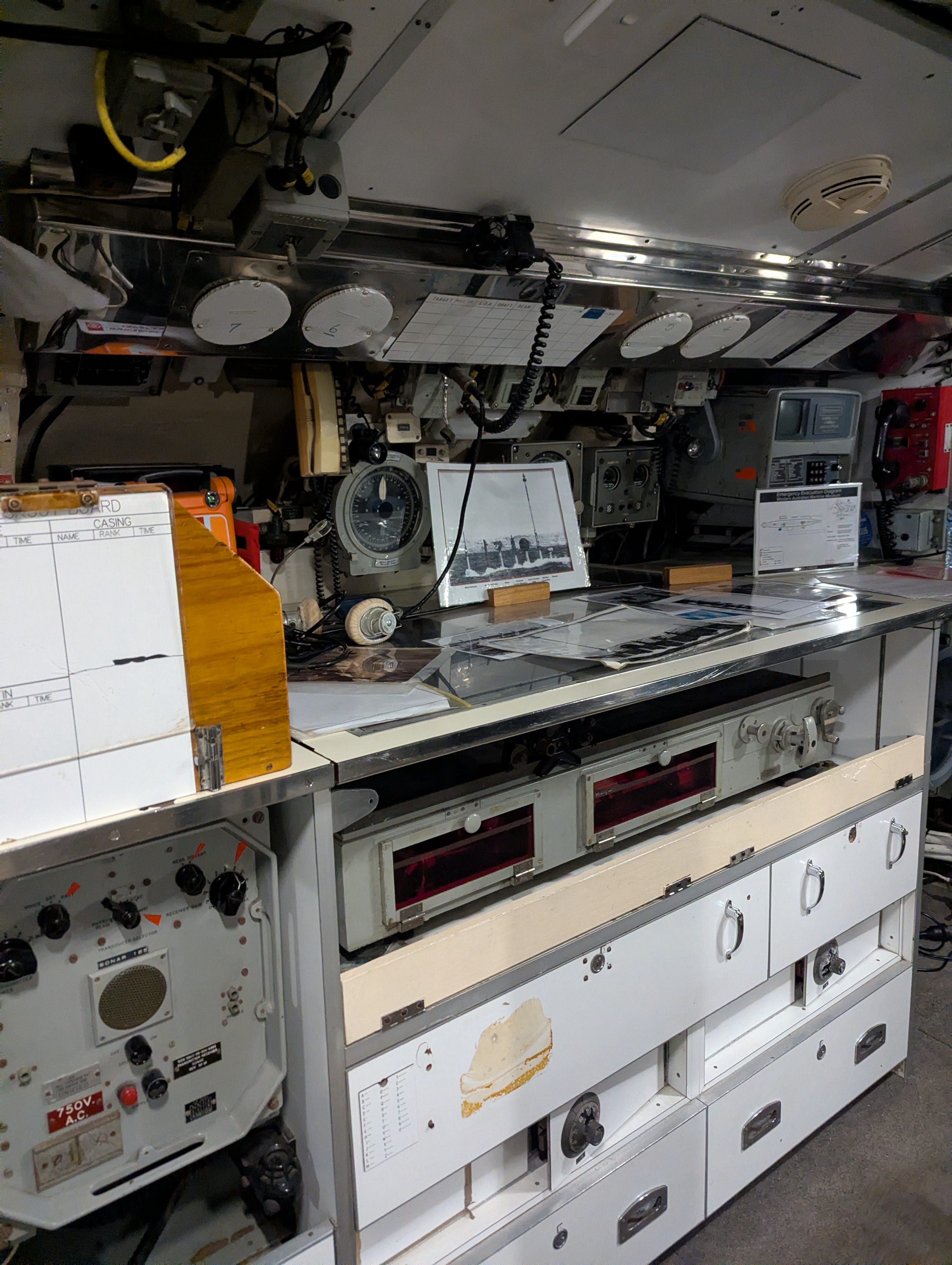
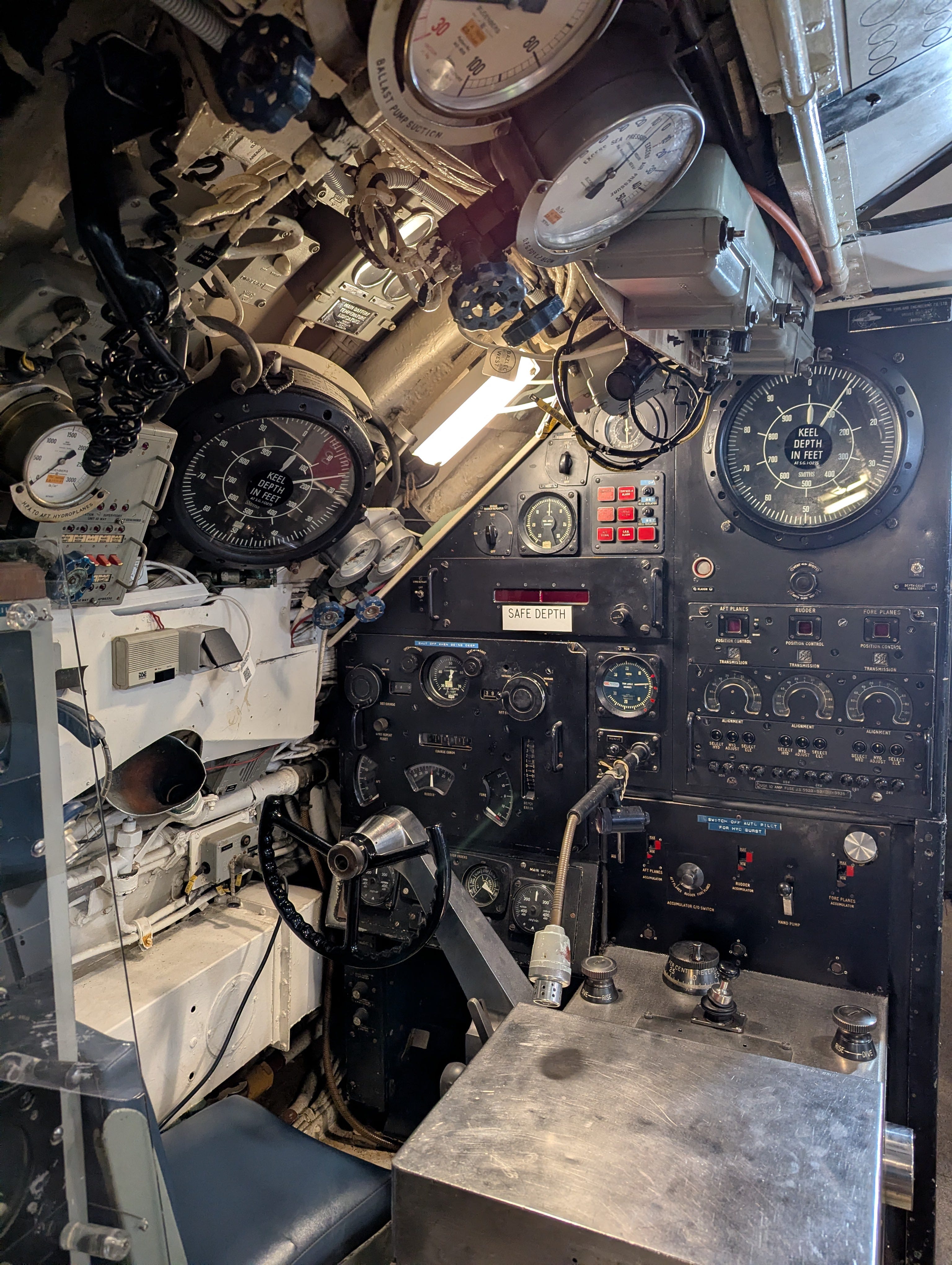
The next stop was the control room, which was everything you would hope a Cold War-era submarine control room to be. Above the control room, the vessel could raise seven different masts or periscopes, for an assortment of purposes.
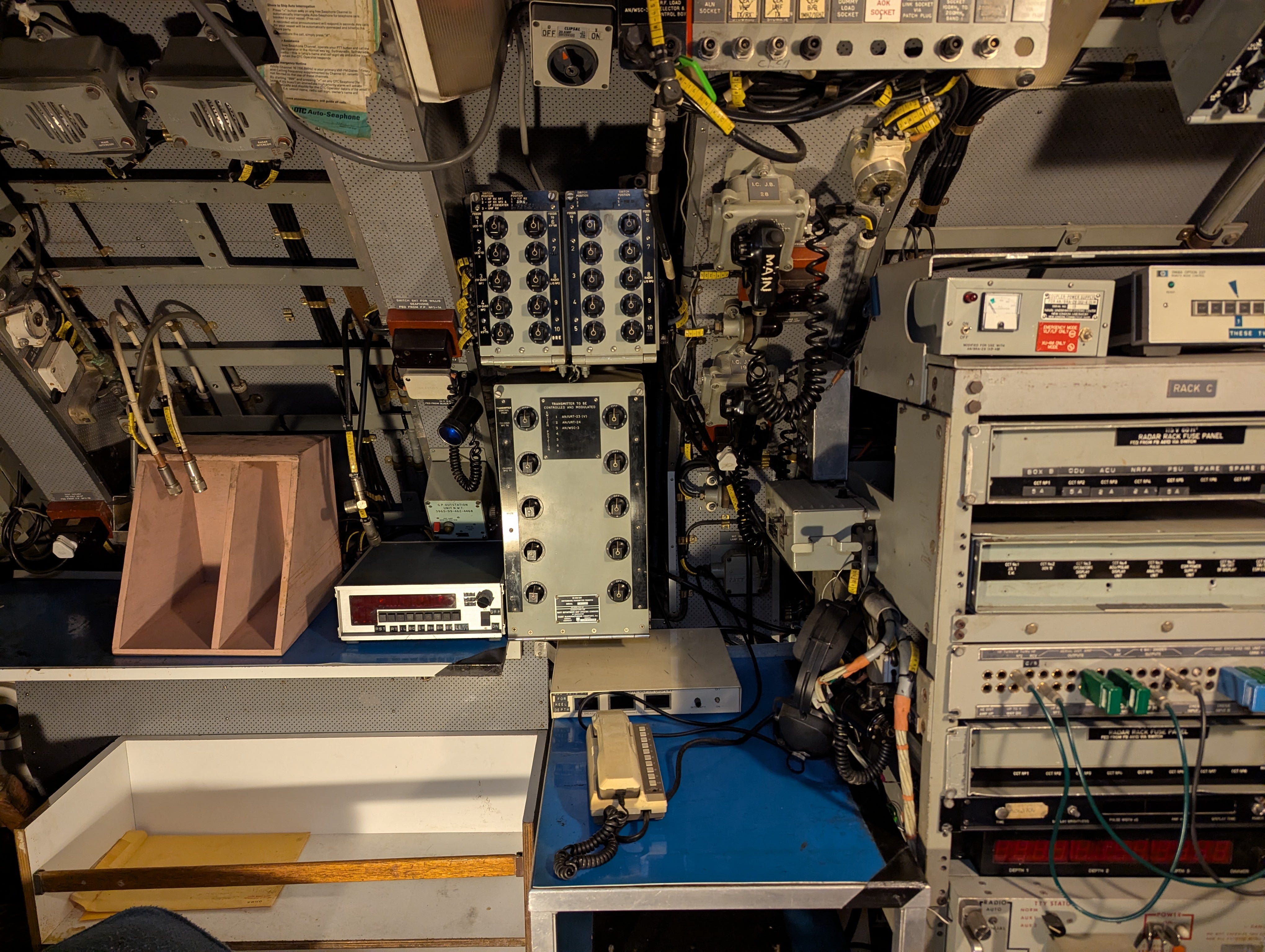
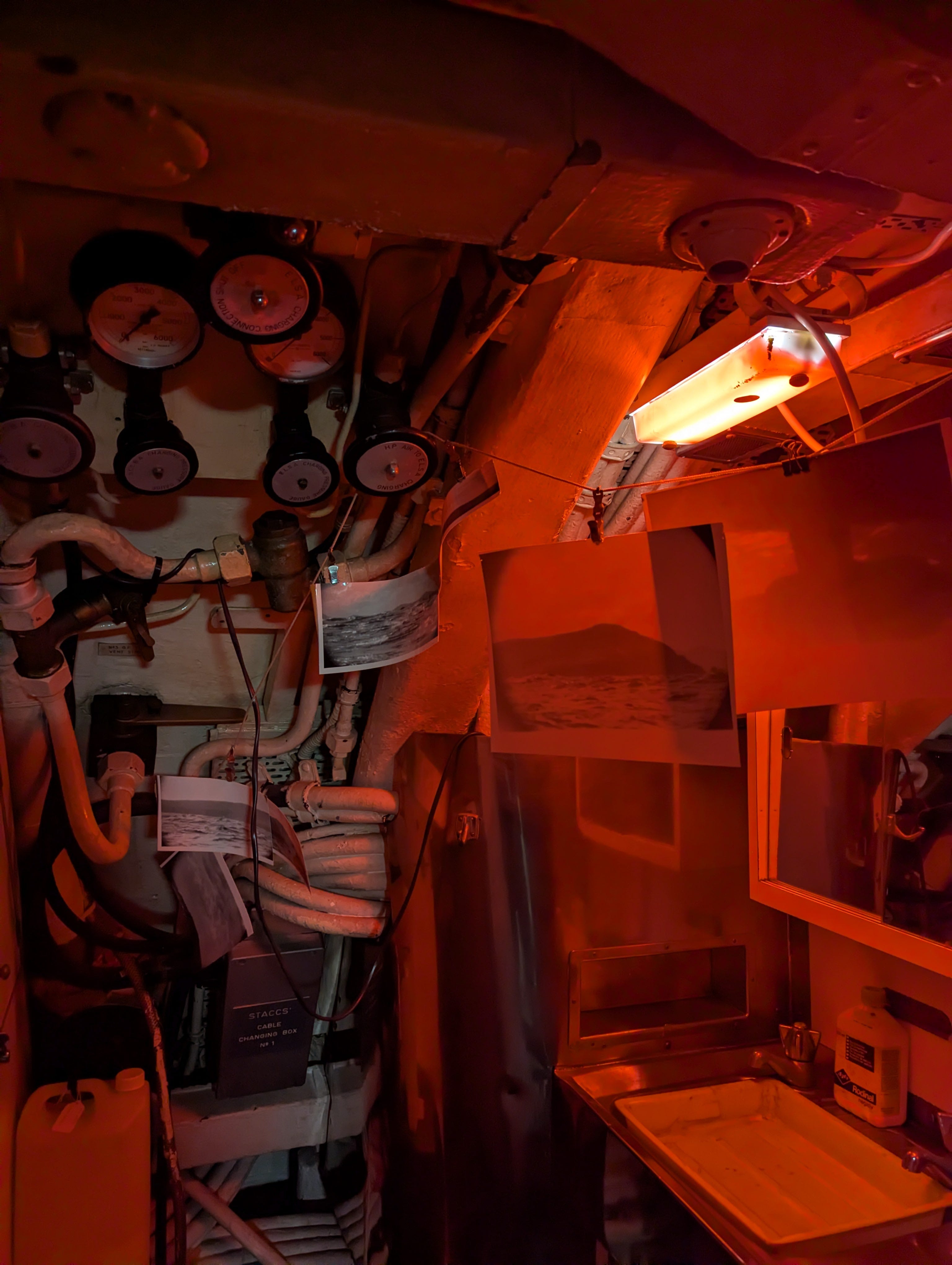
Ovens had participated in a multinational training exercise in 1976, claiming a successful attack upon the USS Enterprise, America’s nuclear-powered aircraft carrier. In the submarine’s dark room they have a photo of the underside of the Enterprise to celebrate its success.
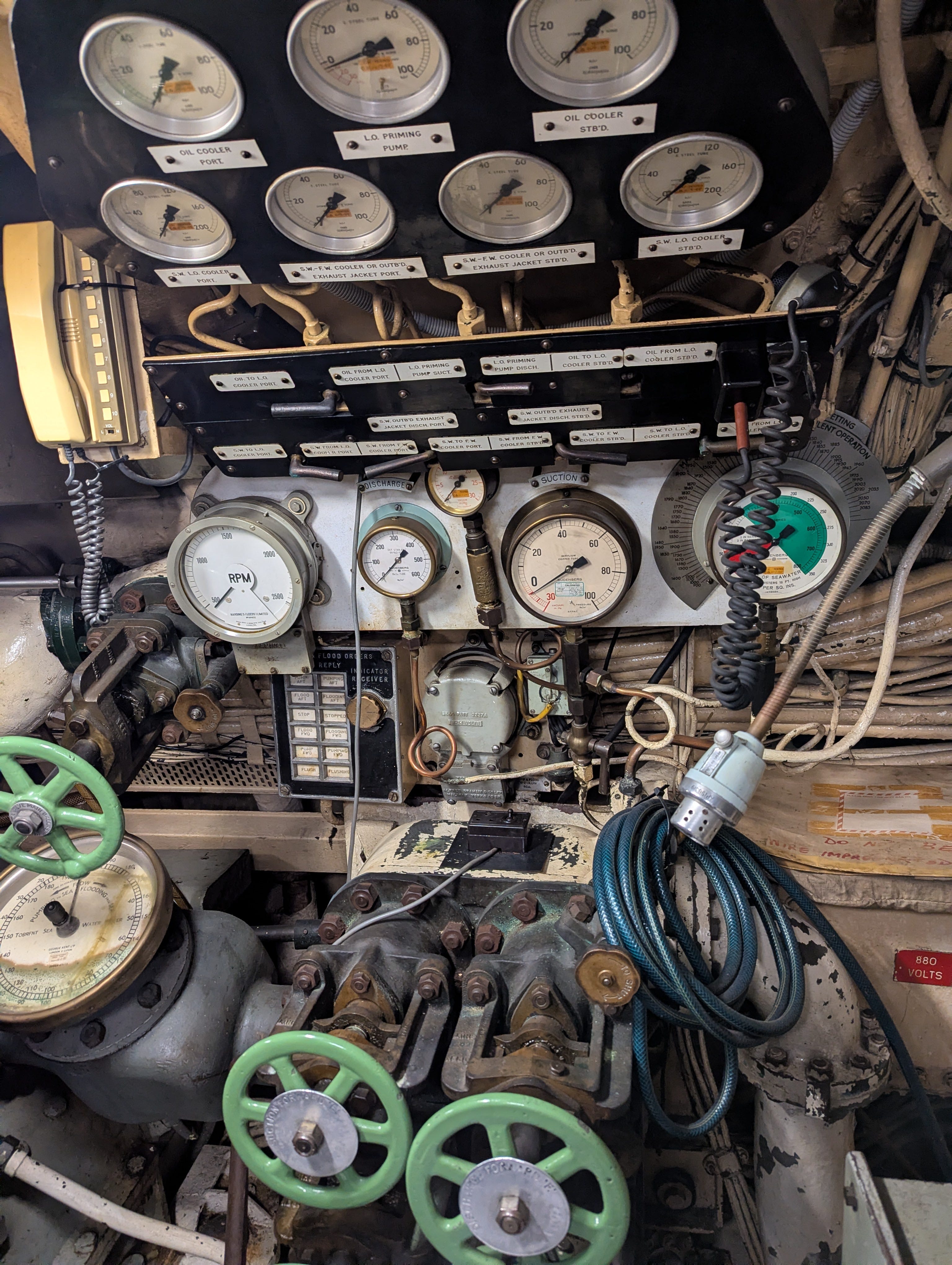
We went through the engine room, making our way towards the aft of the vessel.
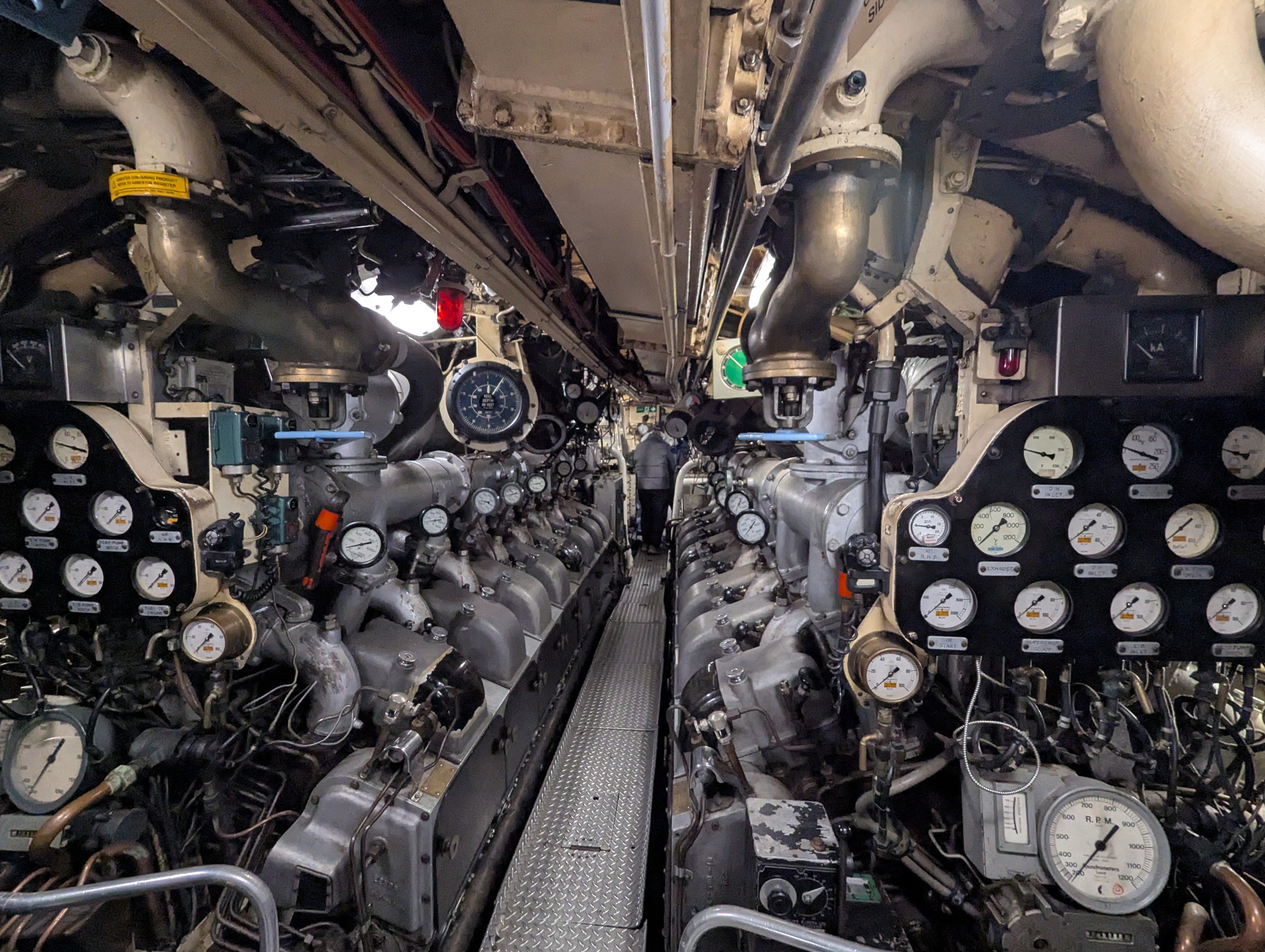
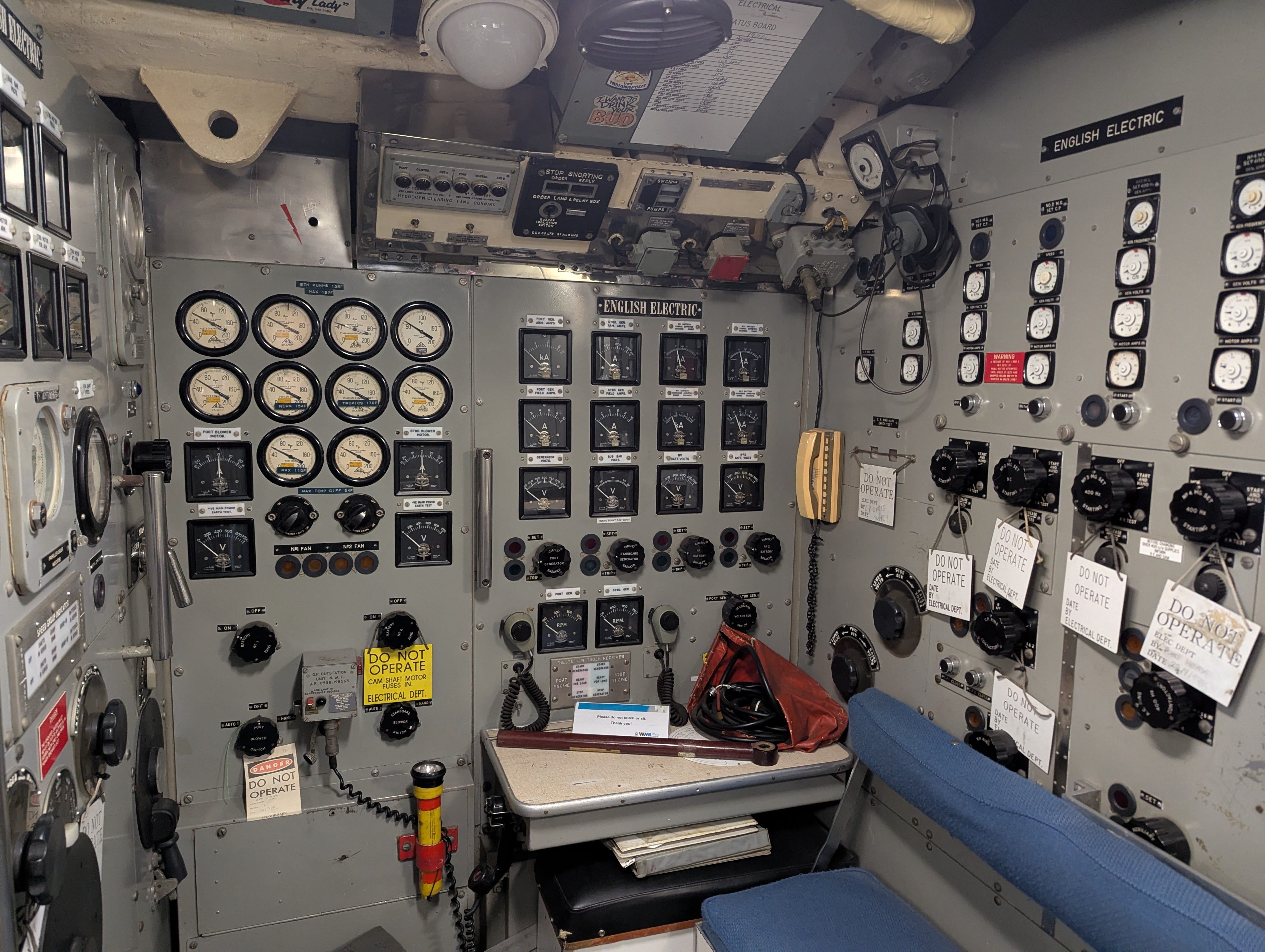
Our guide concluded the tour by telling us more about the experience of submariners, the health issues that can result from their time onboard, and the struggles faced by their families. He described the fear of being on submarines, relating the experience of showing SAS servicemen on board a string tied taut between the two sides of the vessels steadily droop as it descended. He ended by speaking of the importance of submariners’ work and the great and persistent dangers from which they work to protect people.
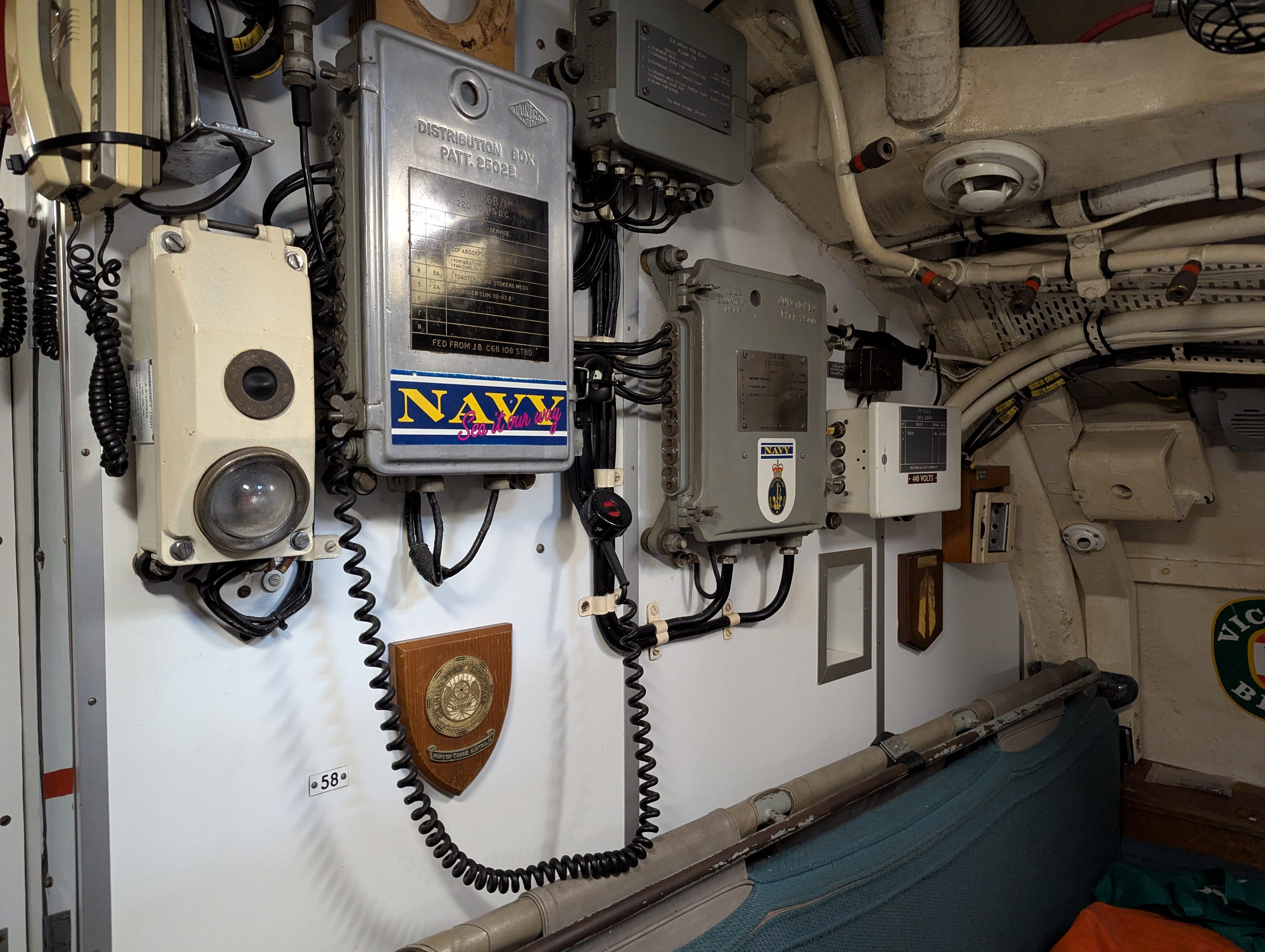
We climbed out of the aft hatch and climbed down the staircase to the back of the submarine.
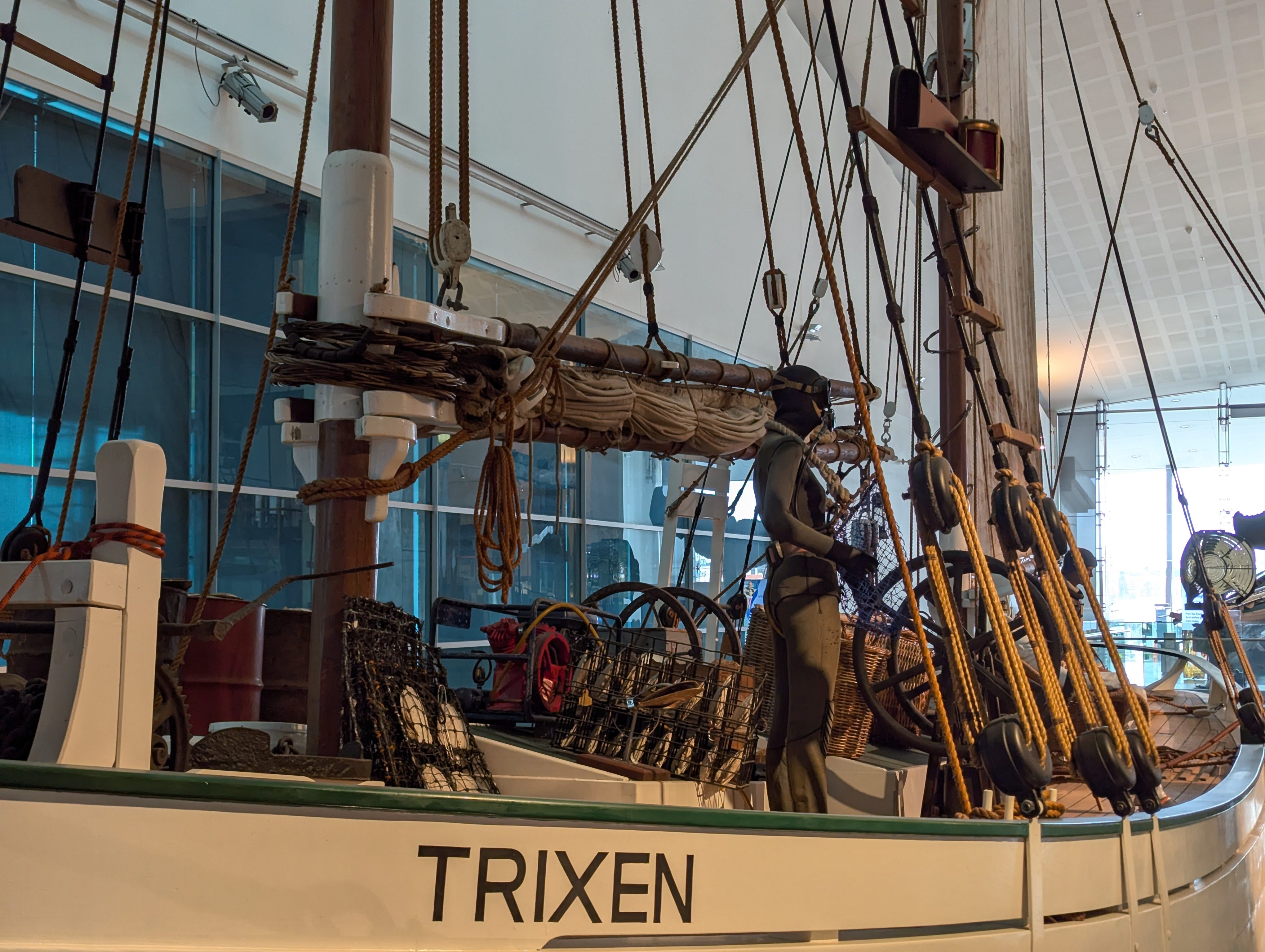
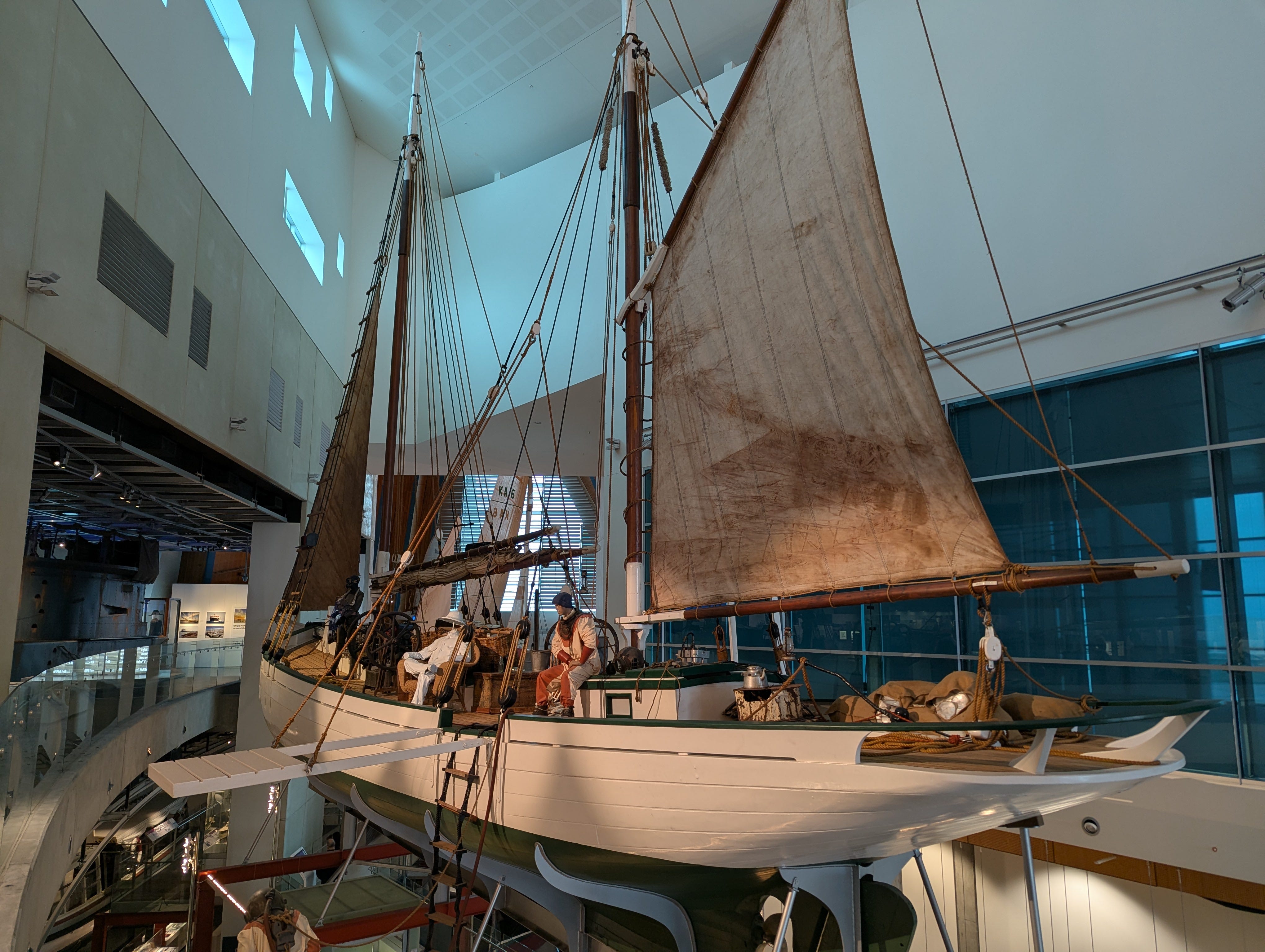
I went back to the museum, looking around for another half hour.
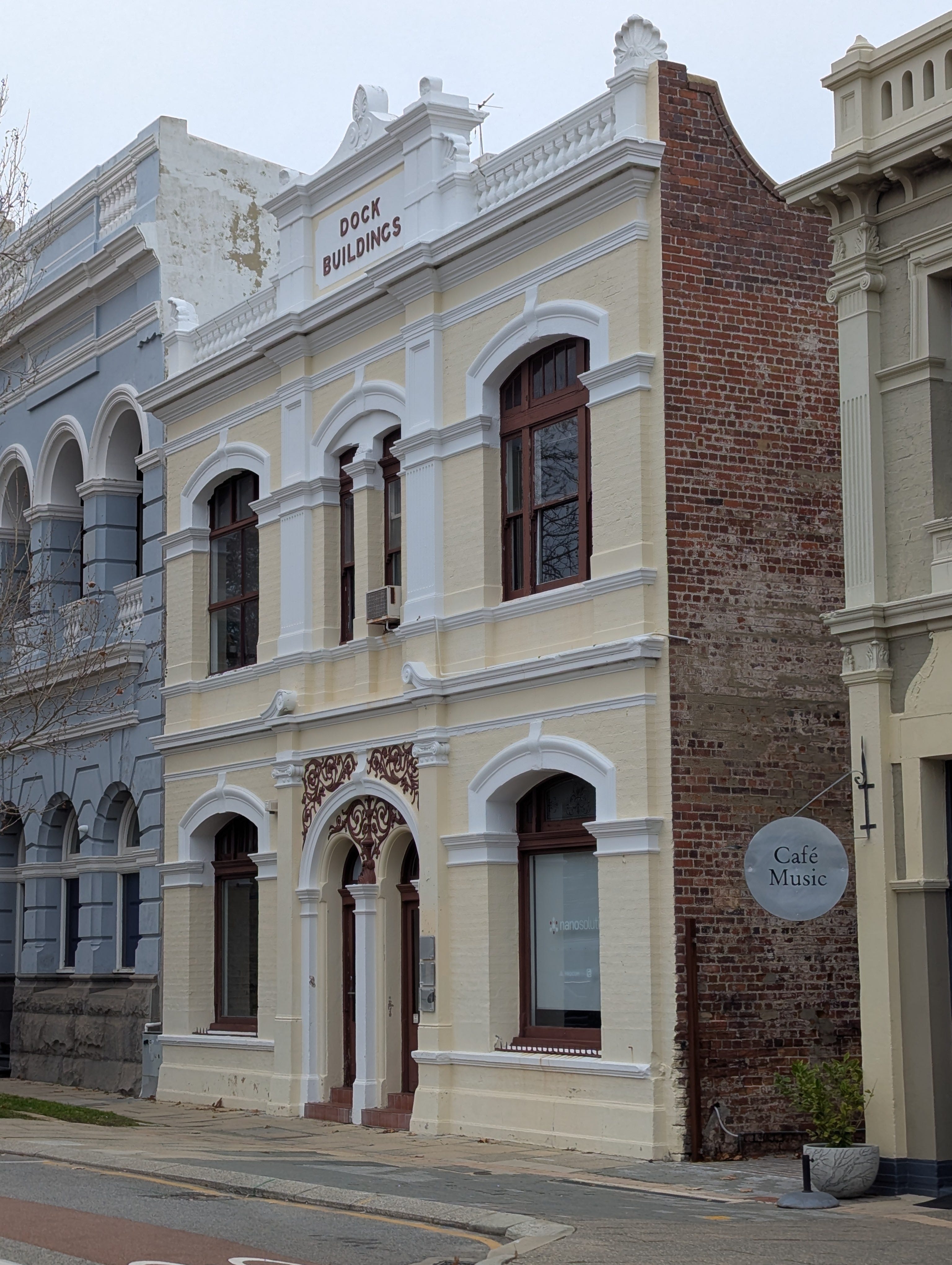
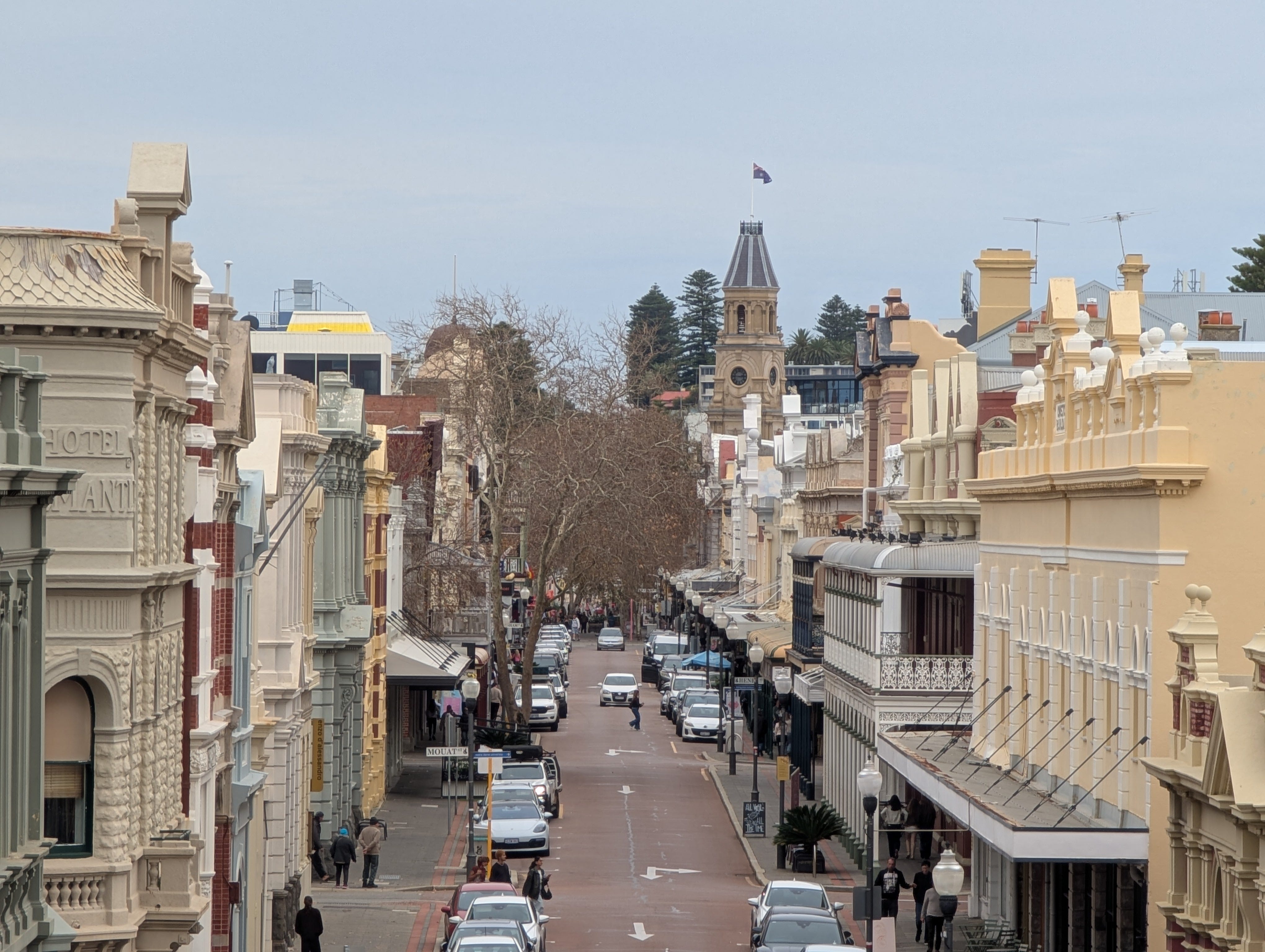
Going out, I looked around the town of Fremantle further, enjoying some of the architecture.
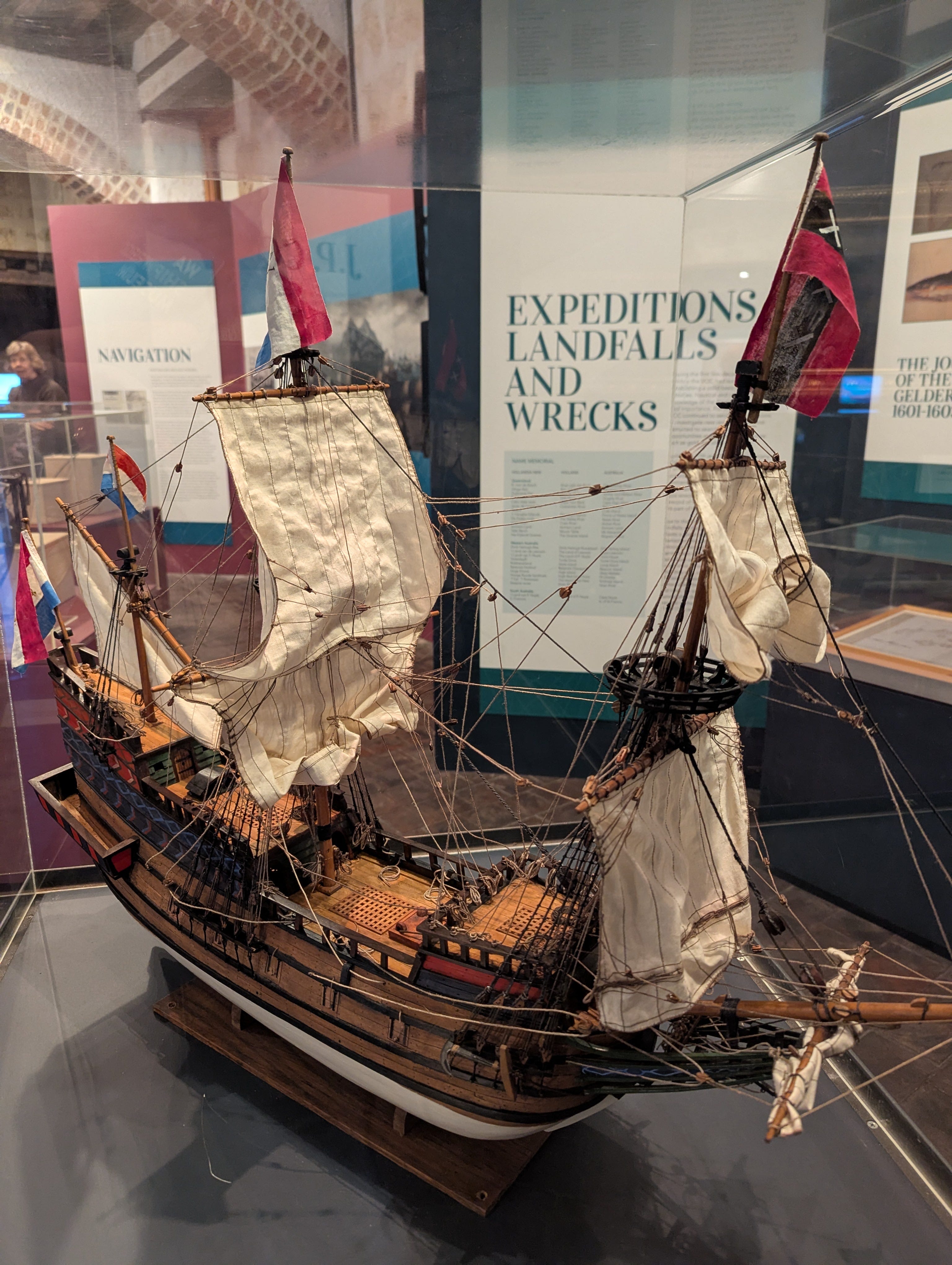
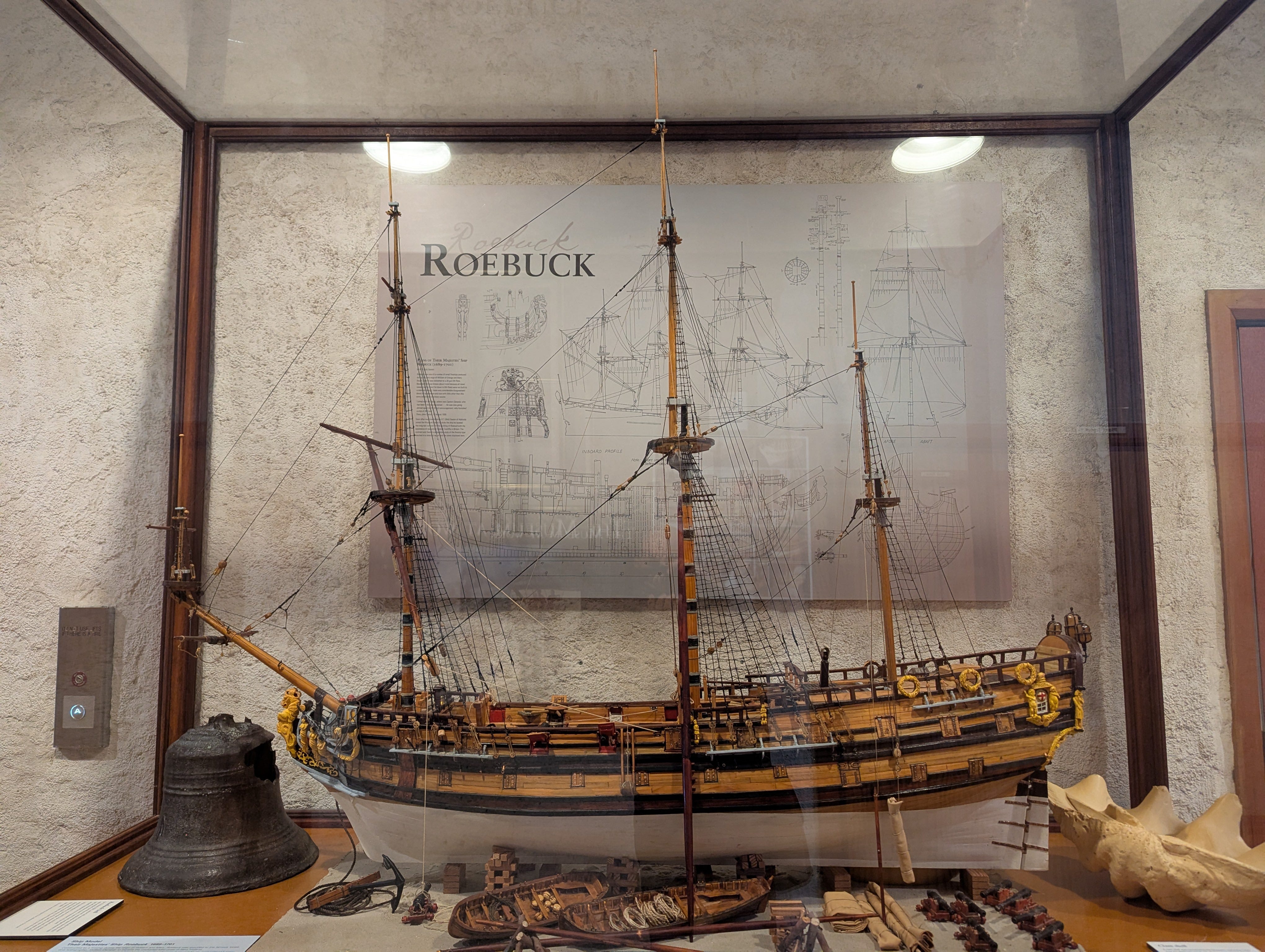
The Shipwrecks Museum was next, adding to the list of maritime museums Susannah missed out on.
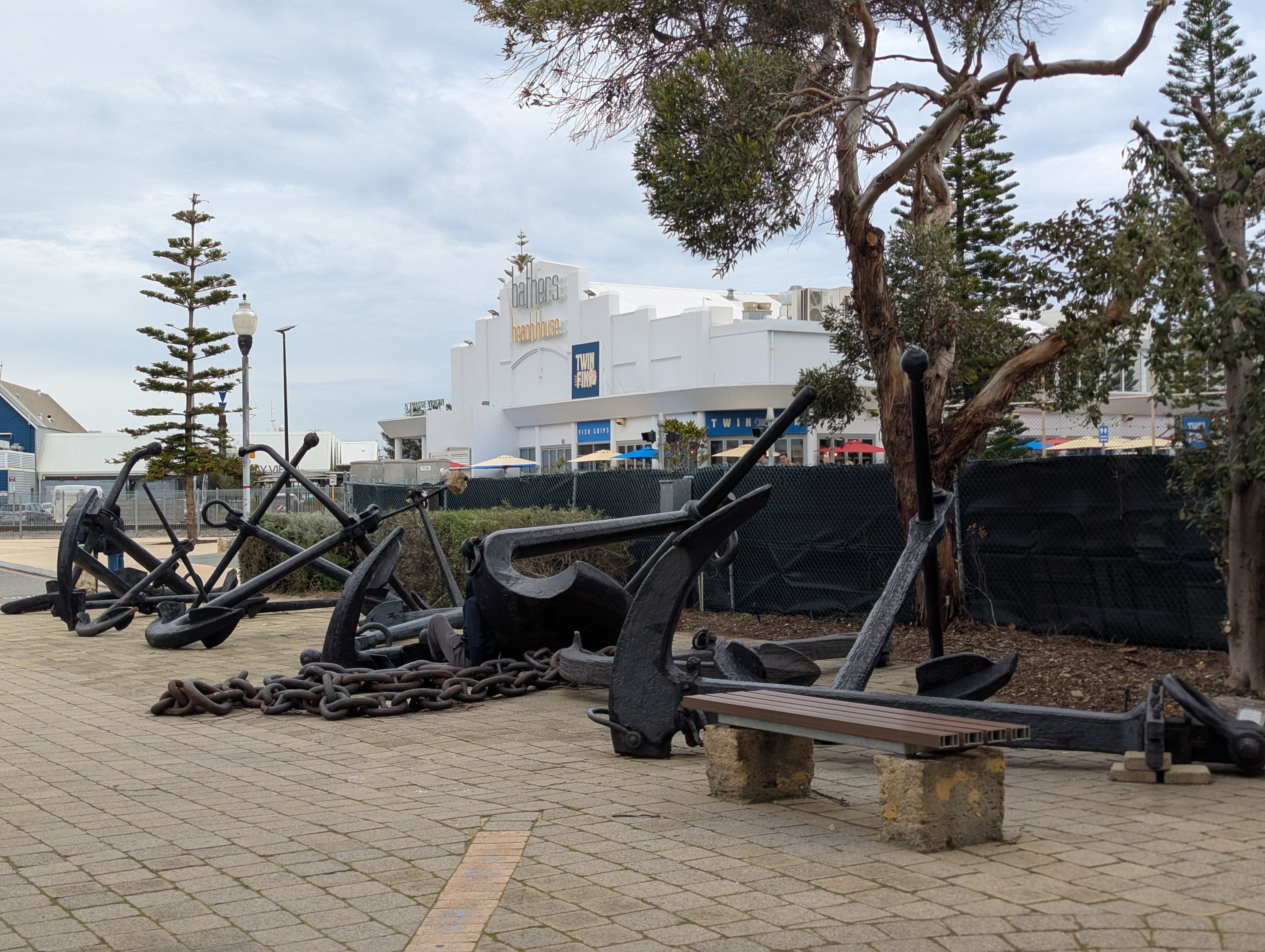
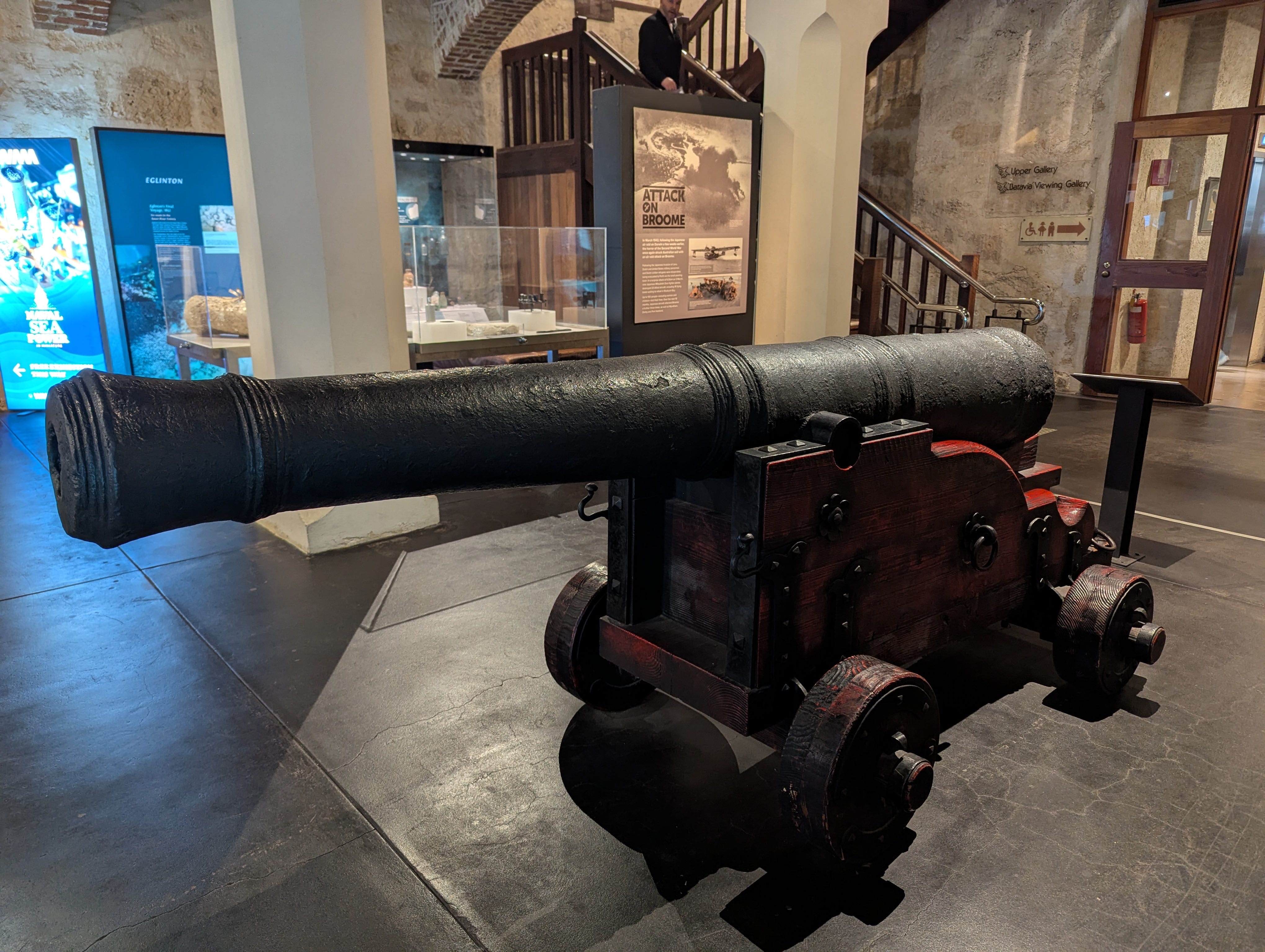
The Shipwrecks Museum contains part of the wreck of the Batavia, a ship of the Dutch East India Company, which struck a reef off the Western Australian coast in 1629.
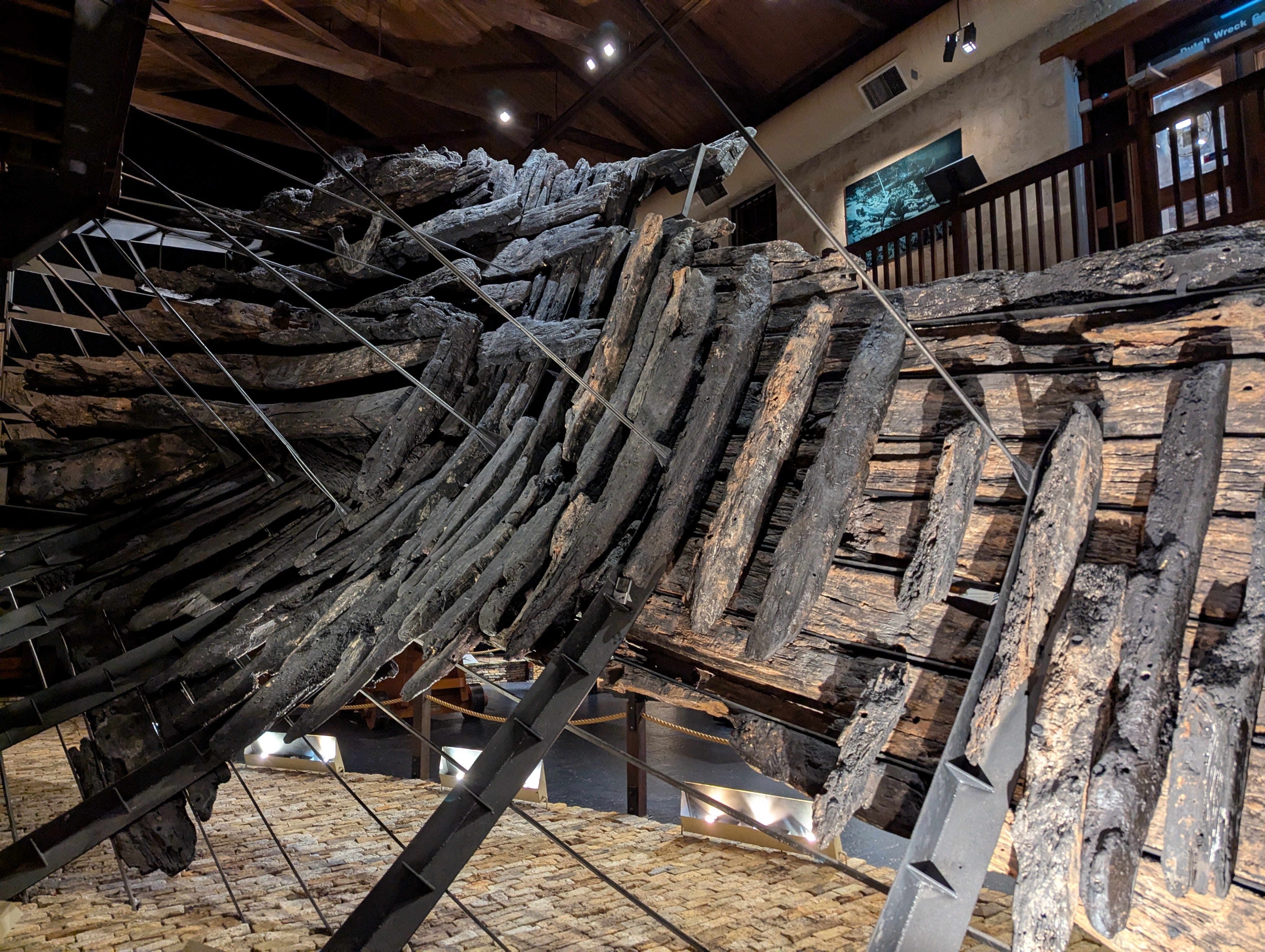
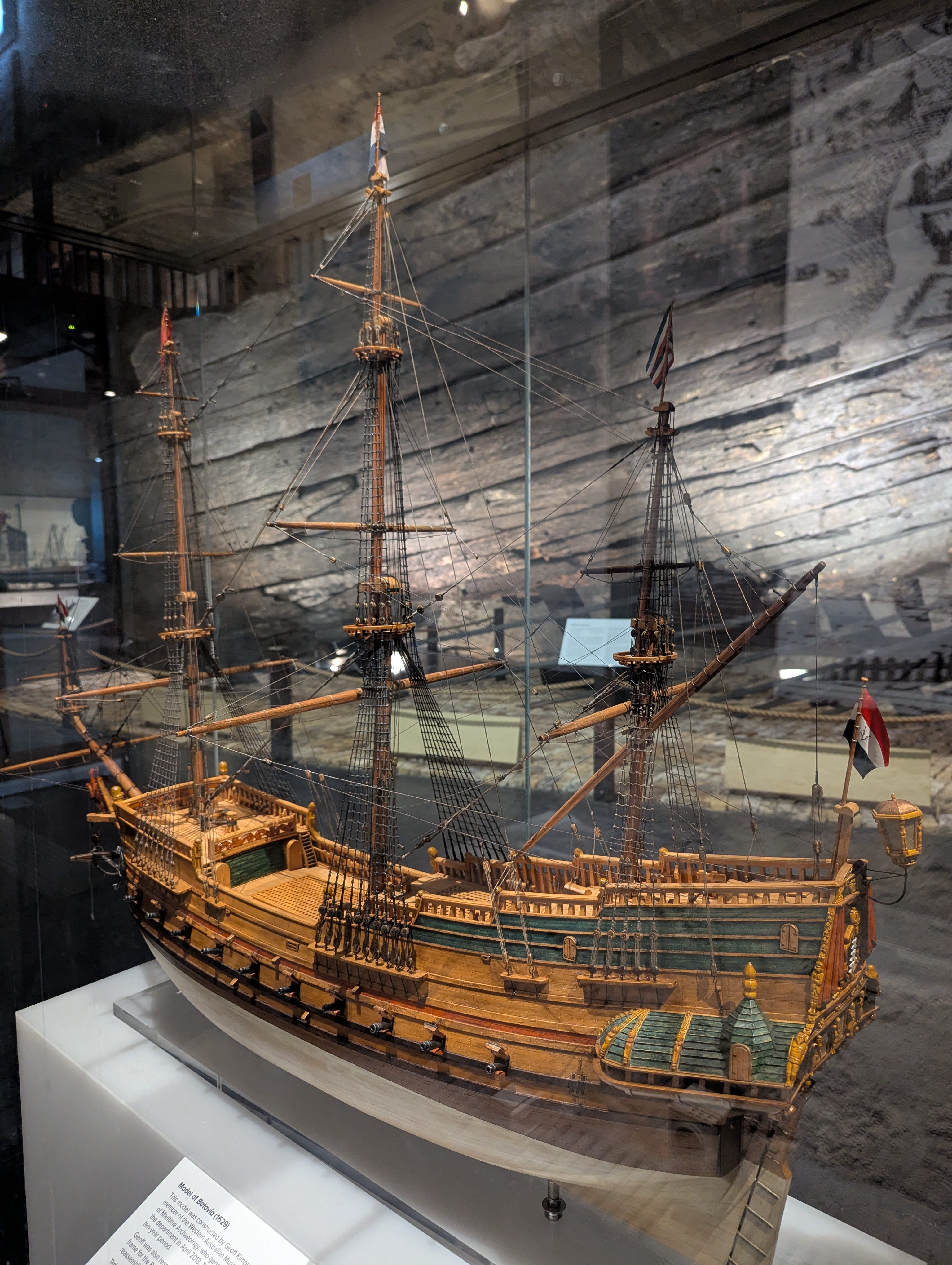
The survivors of the wreck landed on two islands—180 on one and 40 on another—but it was discovered that there was no drinking water. Francisco Pelsaert, the commander of the vessel, sailed in an open longboat to Batavia (Jakarta) to find aid. He left Jeronimus Cornelisz in charge, not knowing that Cornelisz had been plotting a mutiny before the shipwreck.
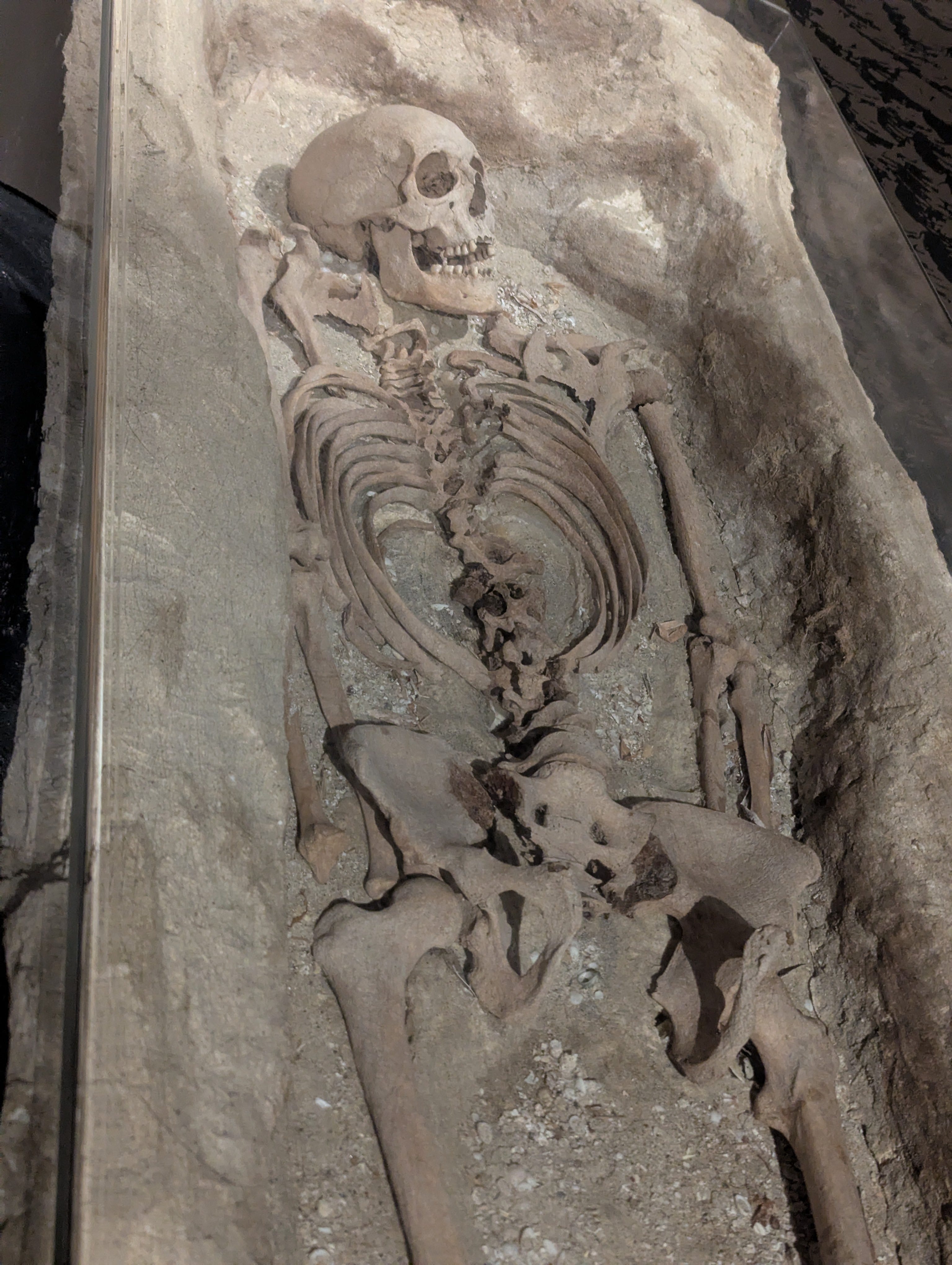
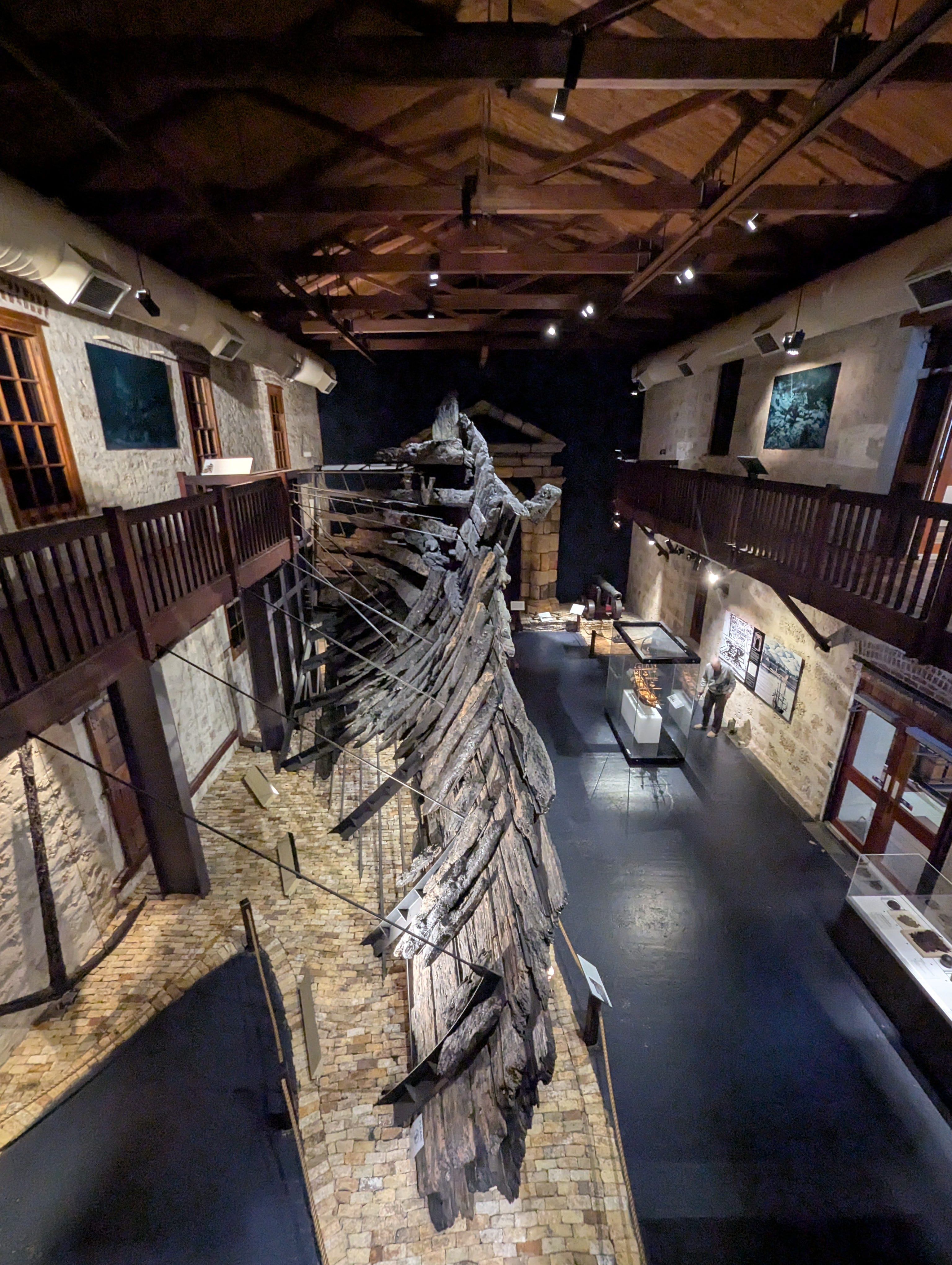
Cornelisz sent the soldiers to a nearby island to search for water, stranding them there. He and his men massacred 125 people in the three months that followed, while they waited for Pelsaert to return. Cornelisz’s plan to seize the rescue ship was only foiled because the stranded soldiers had been able to survive. They successfully overcame the mutineers and captured Cornelisz. Many of the mutineers were executed on Seal Island, before the return voyage, with Cornelisz having his hands cut off before being hanged. Two minor offenders were marooned on the mainland, becoming the first Europeans permanently to live on the continent.
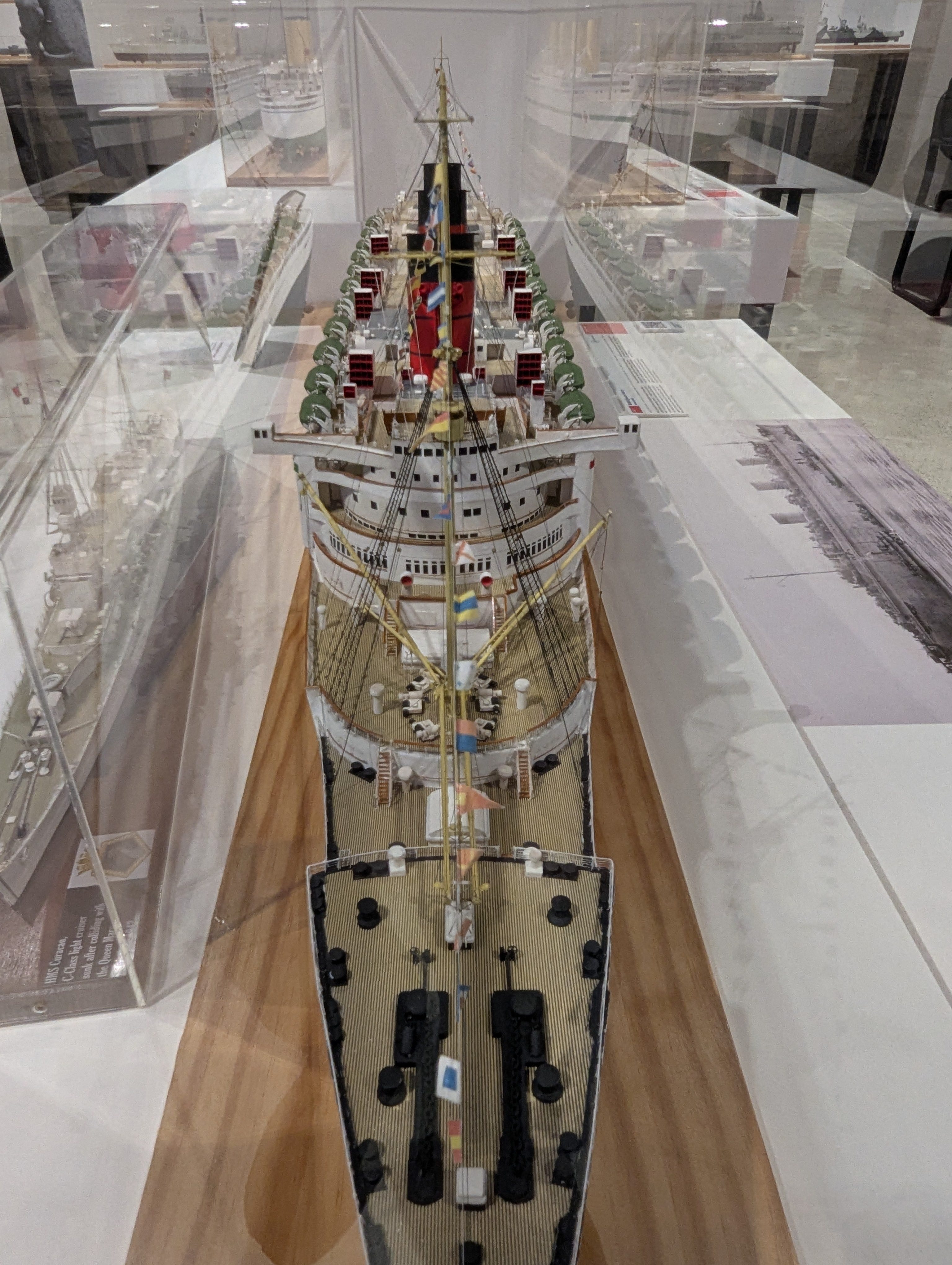
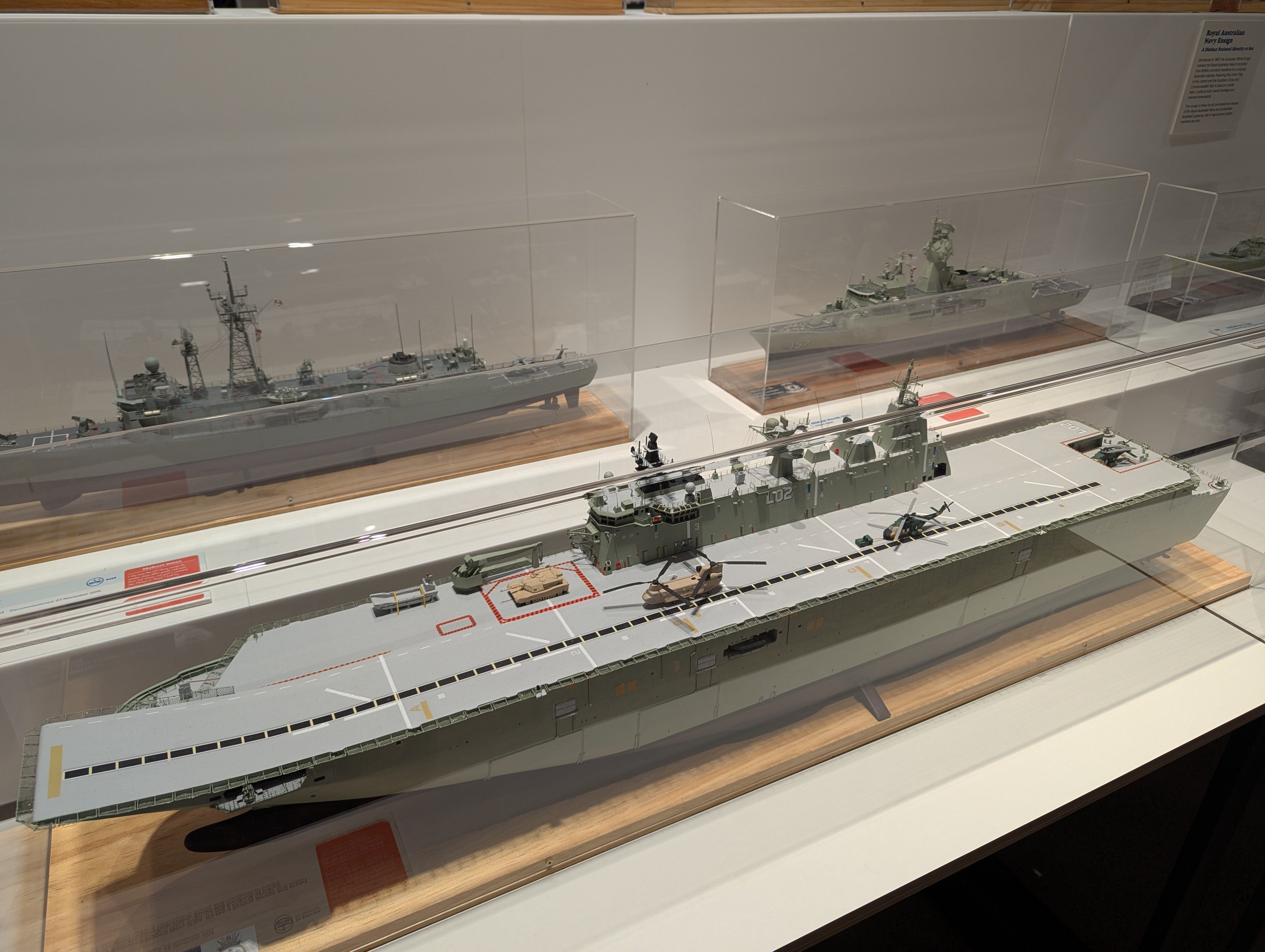
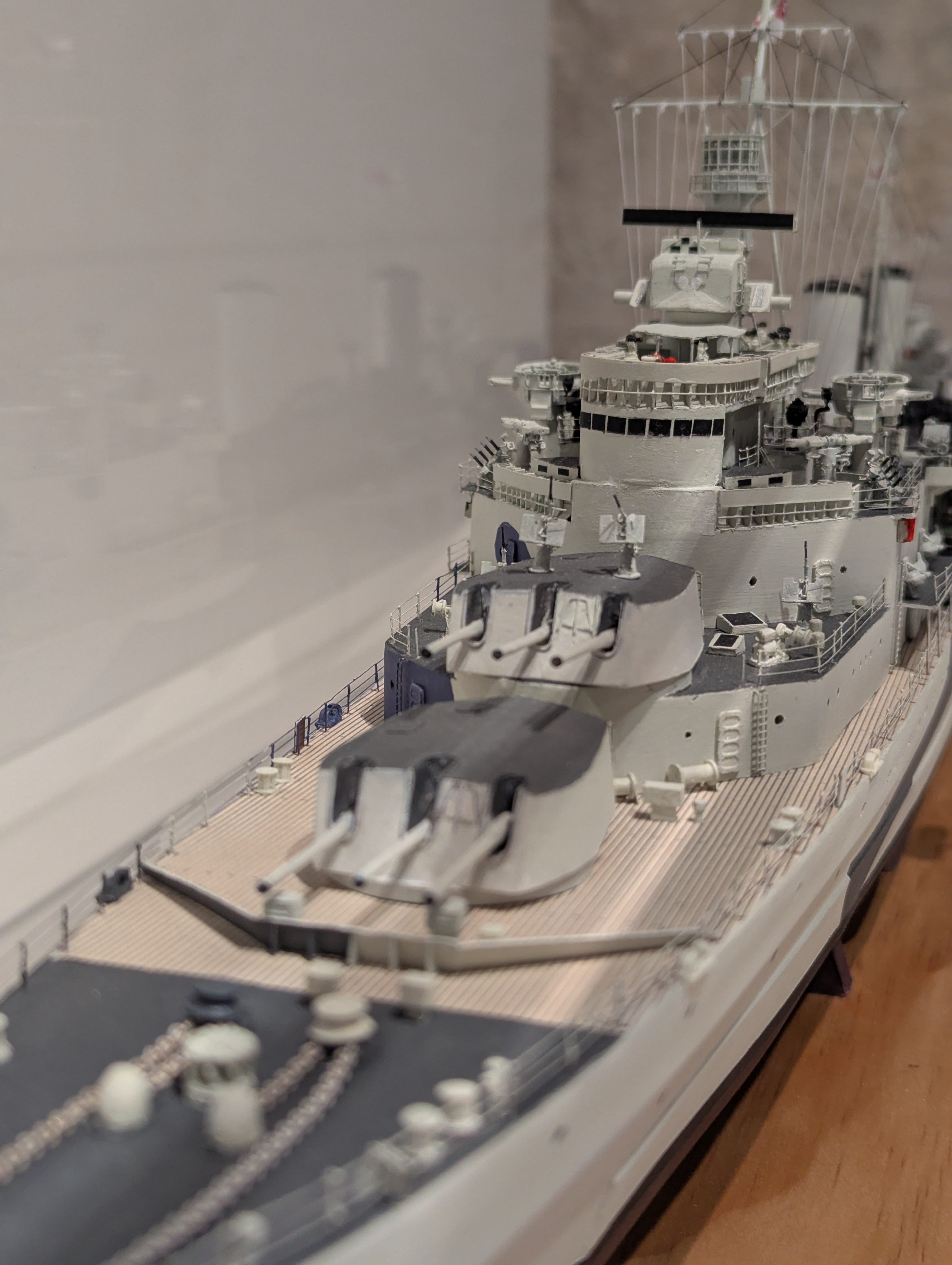
The museum also had a remarkable exhibition of over 170 model vessels, made by Gerry Westenberg, a local modeller, over five decades.
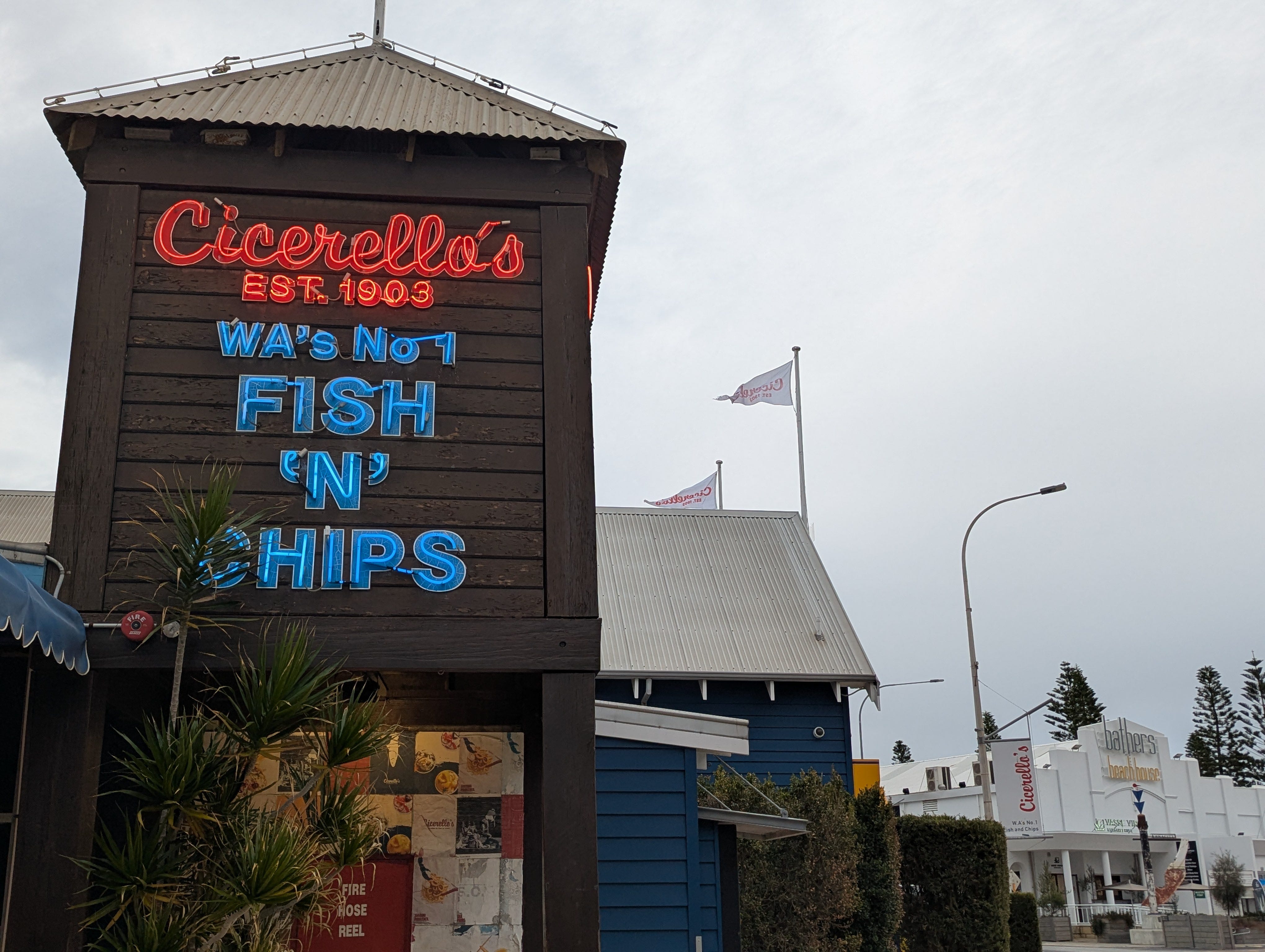
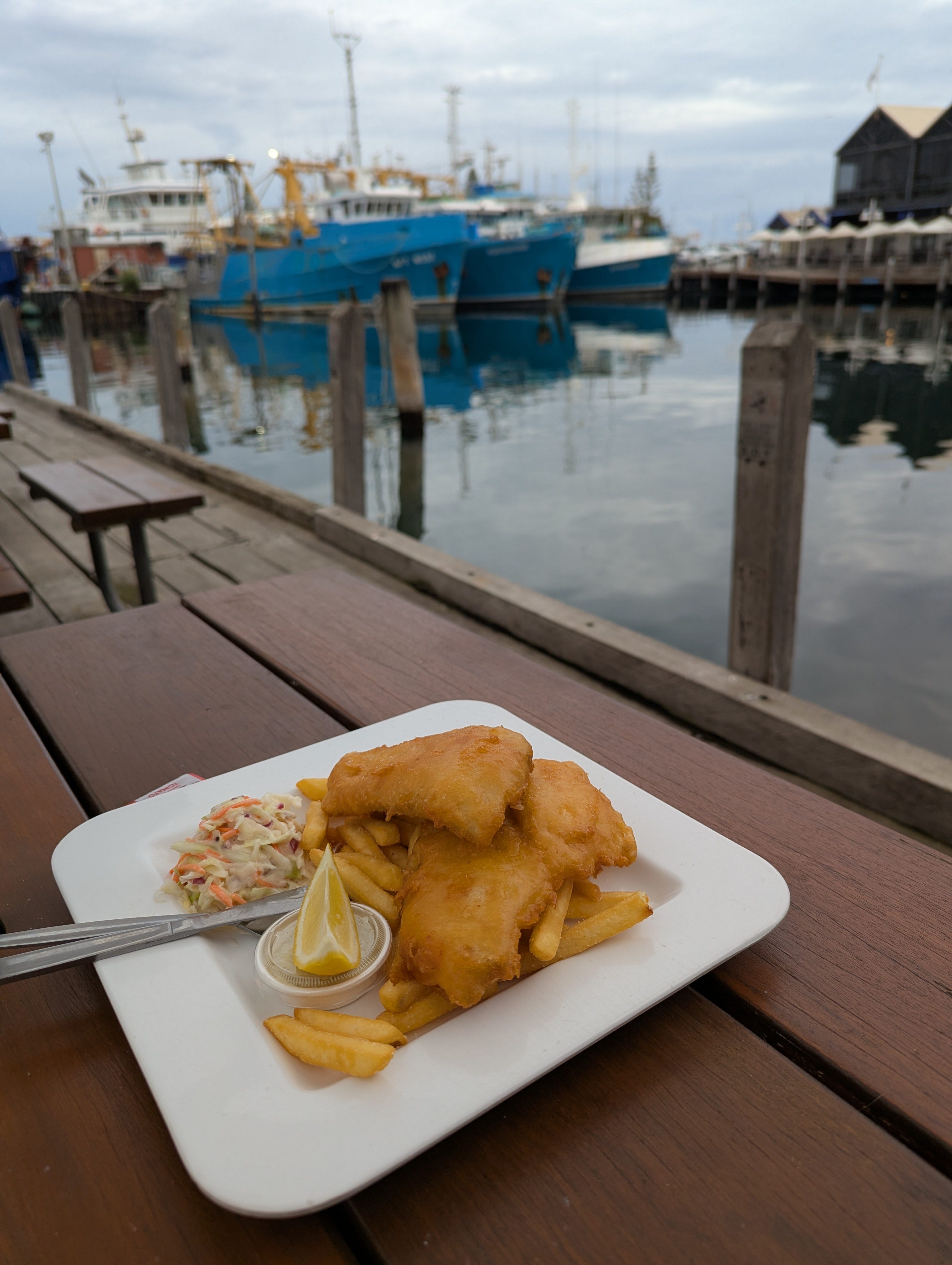
I had been told that there were good fish and chips in Fremantle, so, leaving the museum, I walked to Cicerello’s, which purported to be Western Australia’s best fish and chips restaurant.
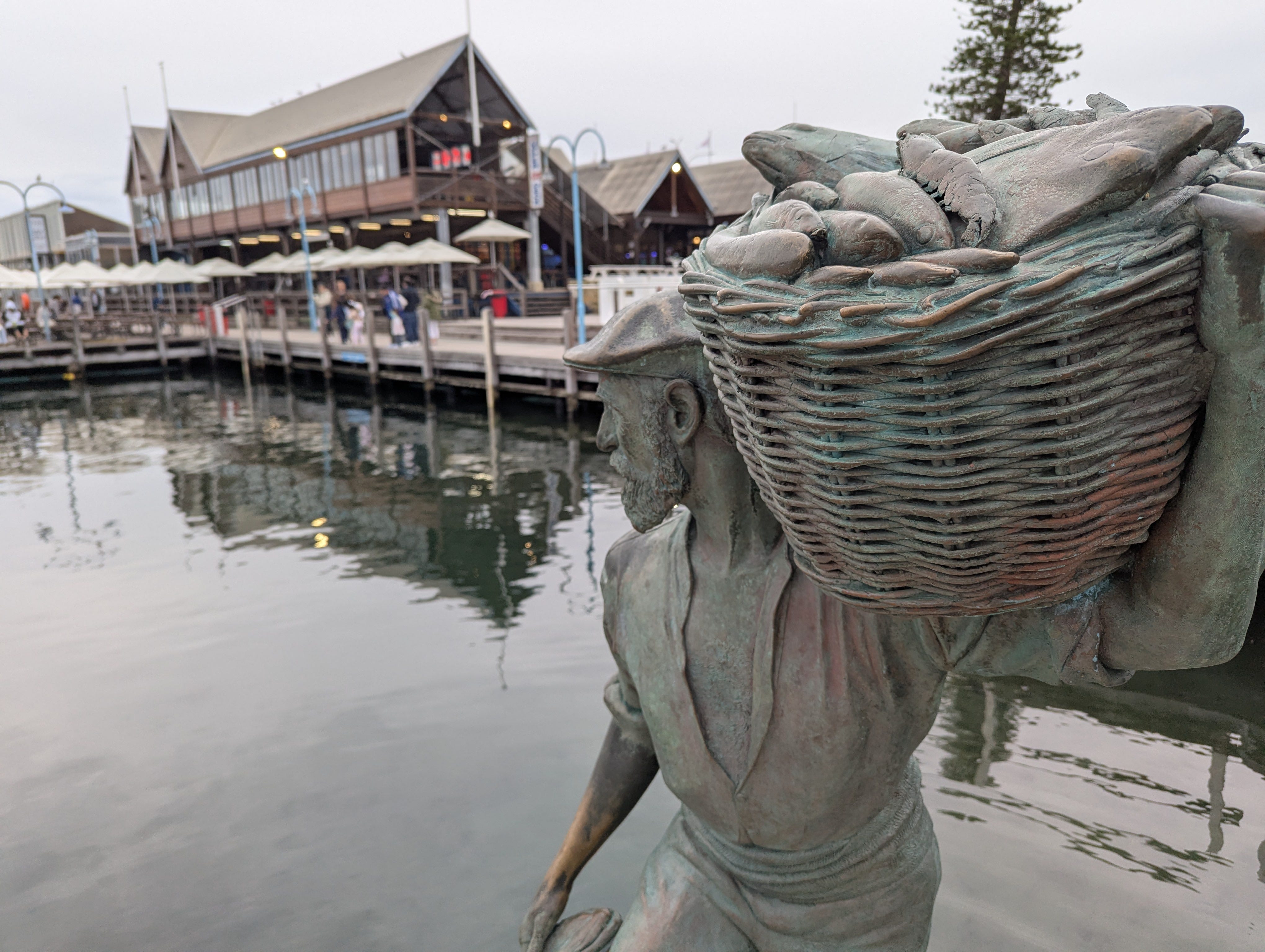
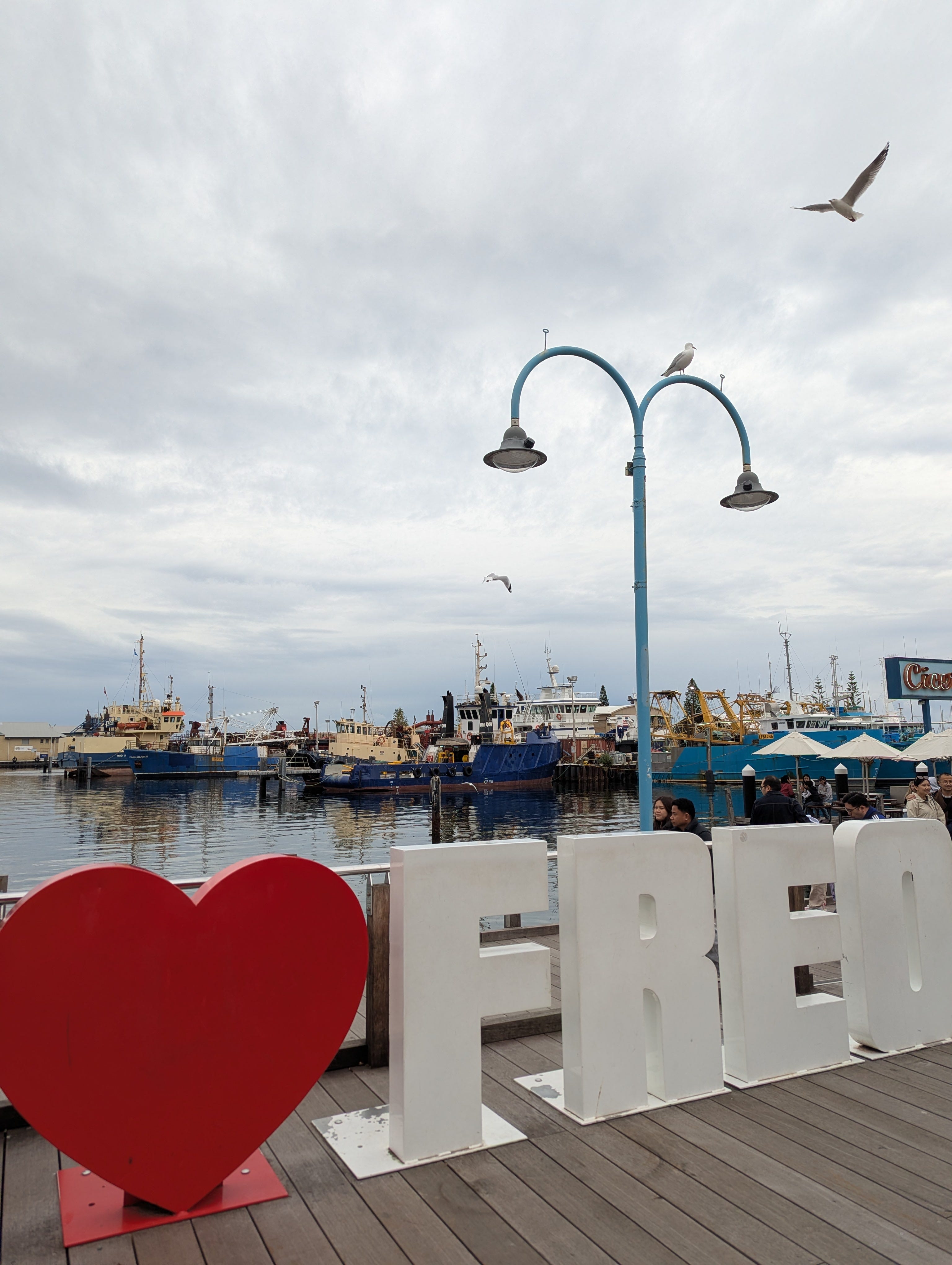
The fish and chips more than lived up to their reputation (and I have now eaten fish and chips on the East and West coasts of the North Atlantic, the North West of the Pacific—both upper and lower—and the South of the Indian Ocean, so I think I had earned the right to speak with some authority in the matter!).
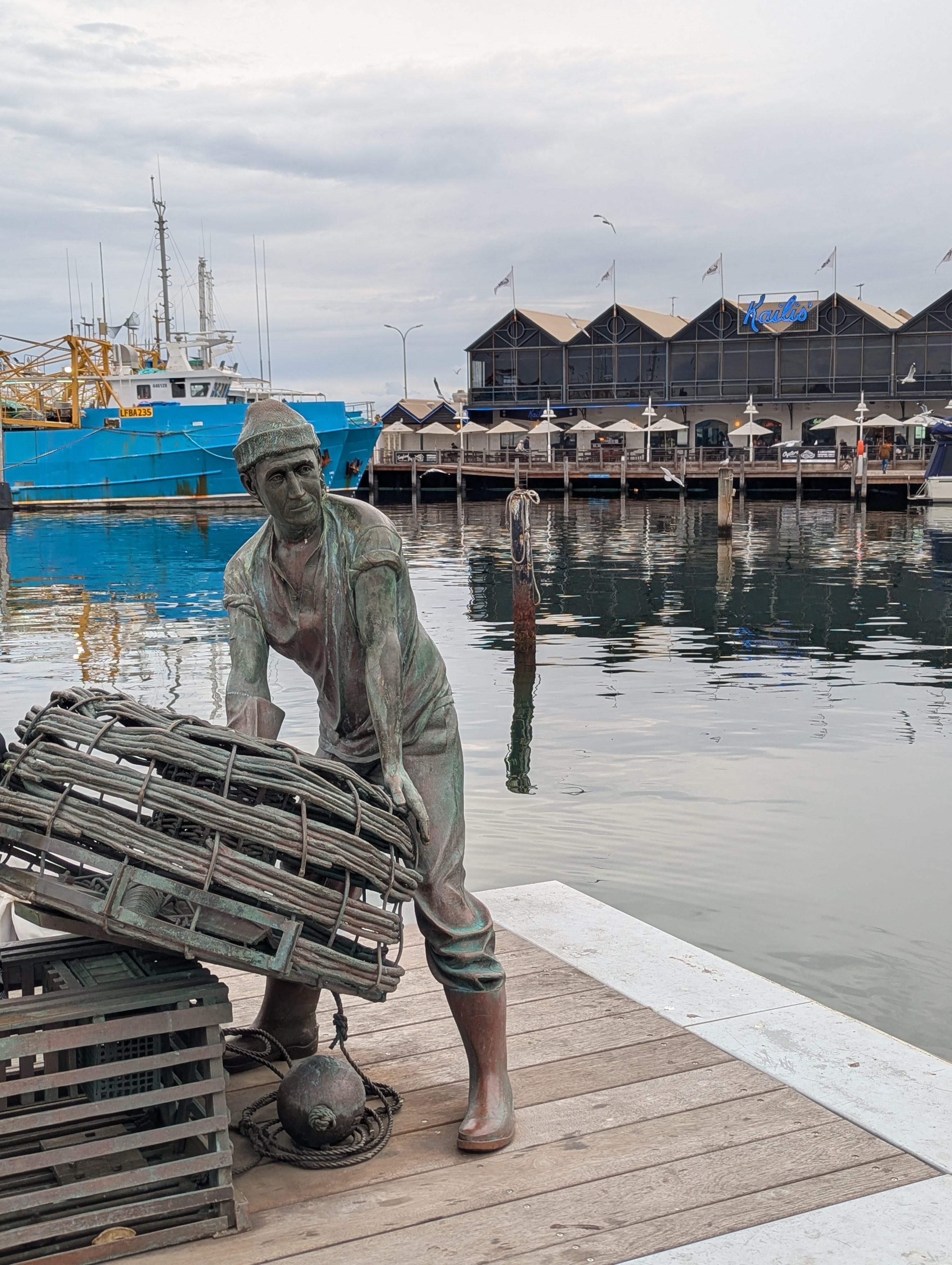
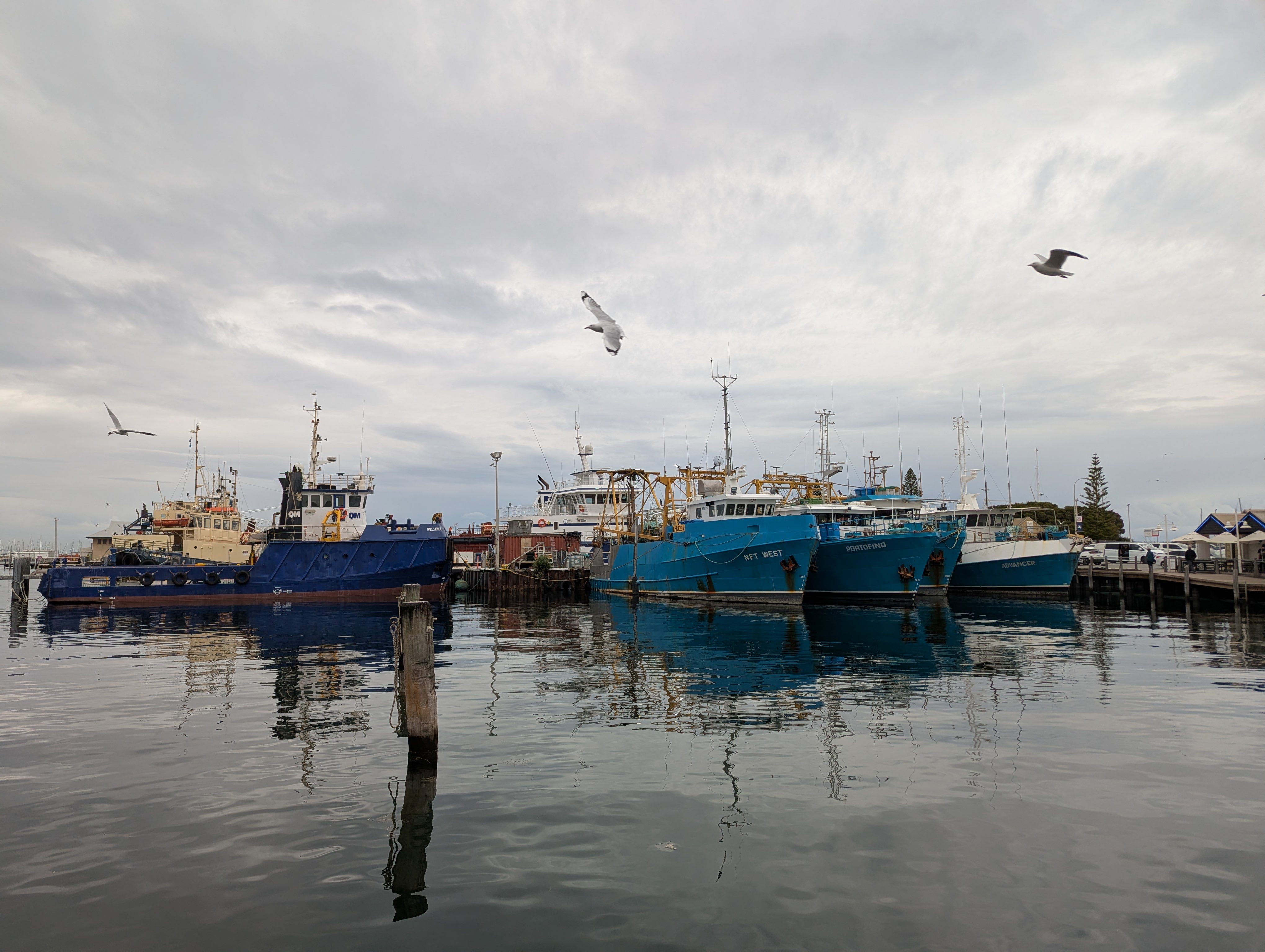
I walked around Fremantle a little more, taking in more of the architecture, before taking the train back to Perth. That evening, I was briefly interviewed at church, discussing how to read the Bible.
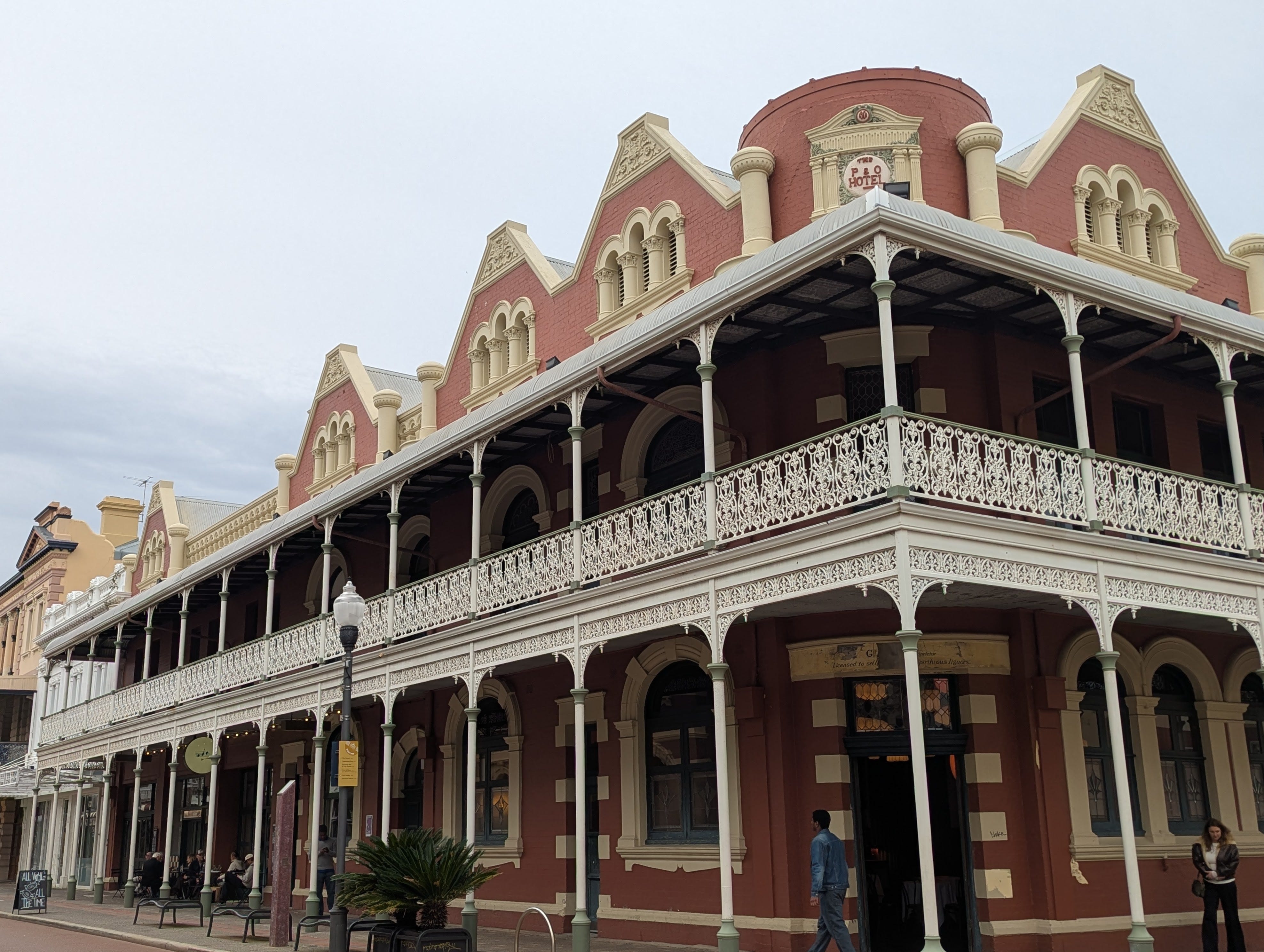
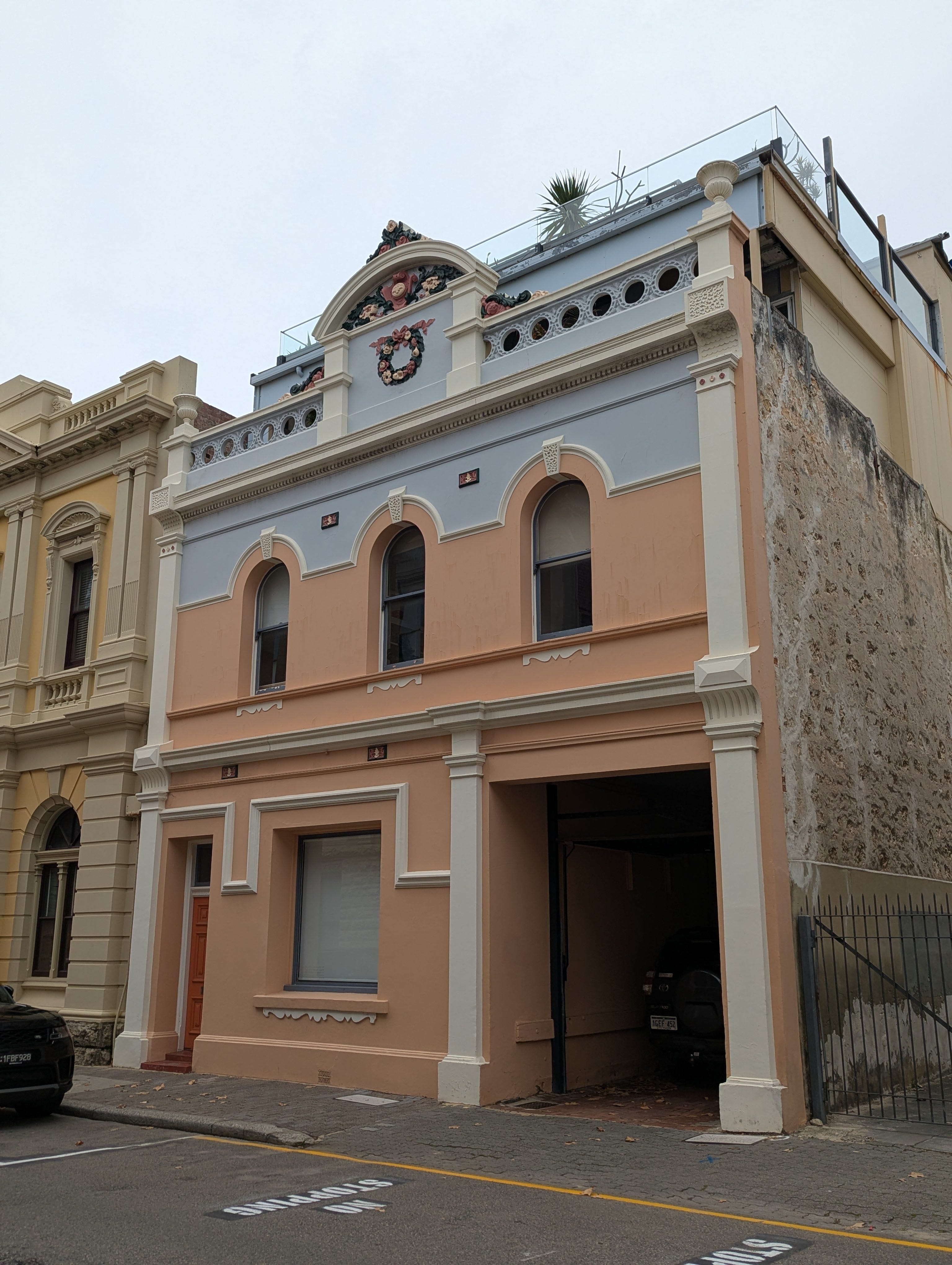
The next morning was the first day of the Providence Staff Conference, at which I would be giving the Bible studies. This was with a smaller group of staff members of the church, involving four talks over the week.
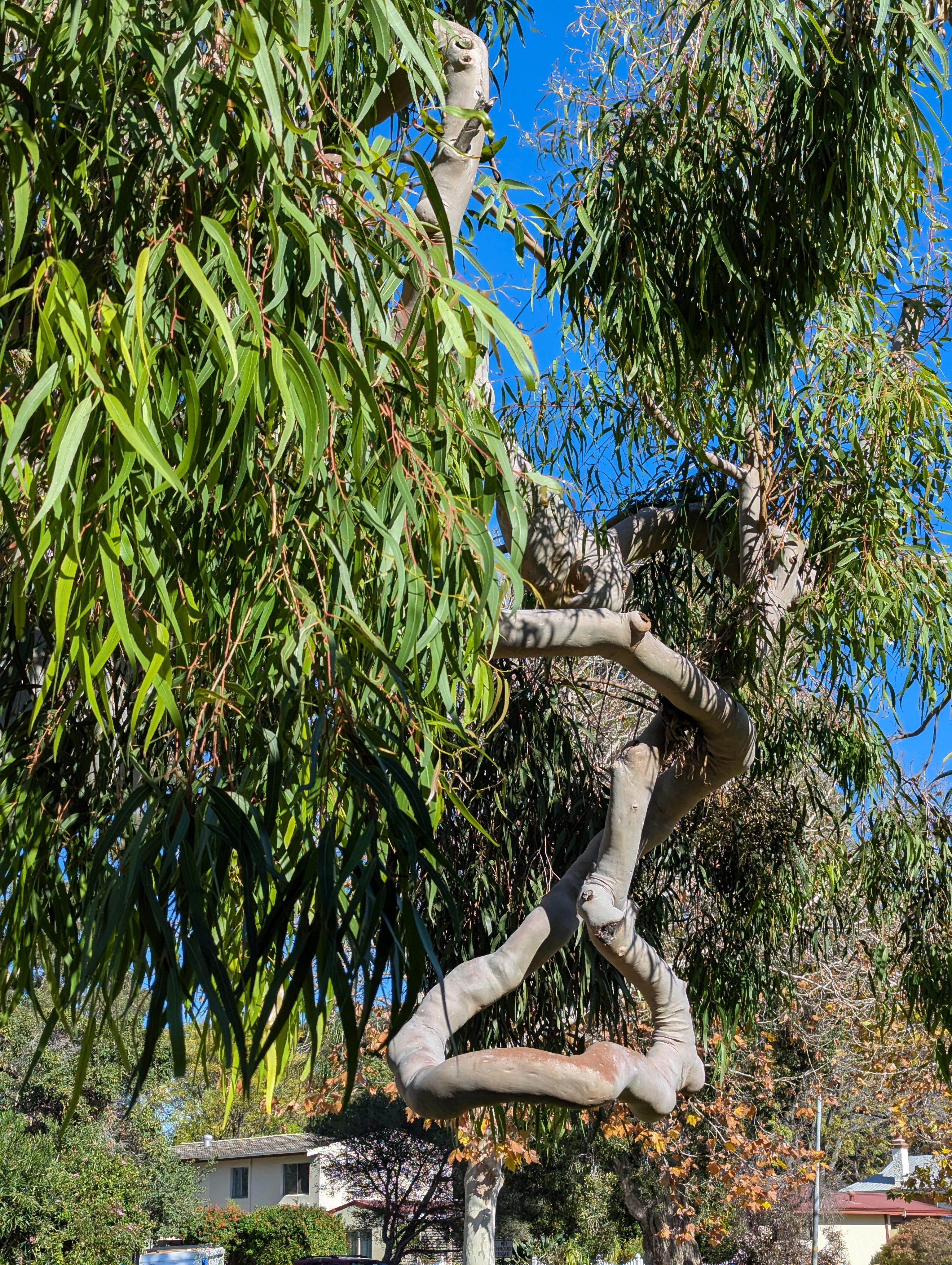
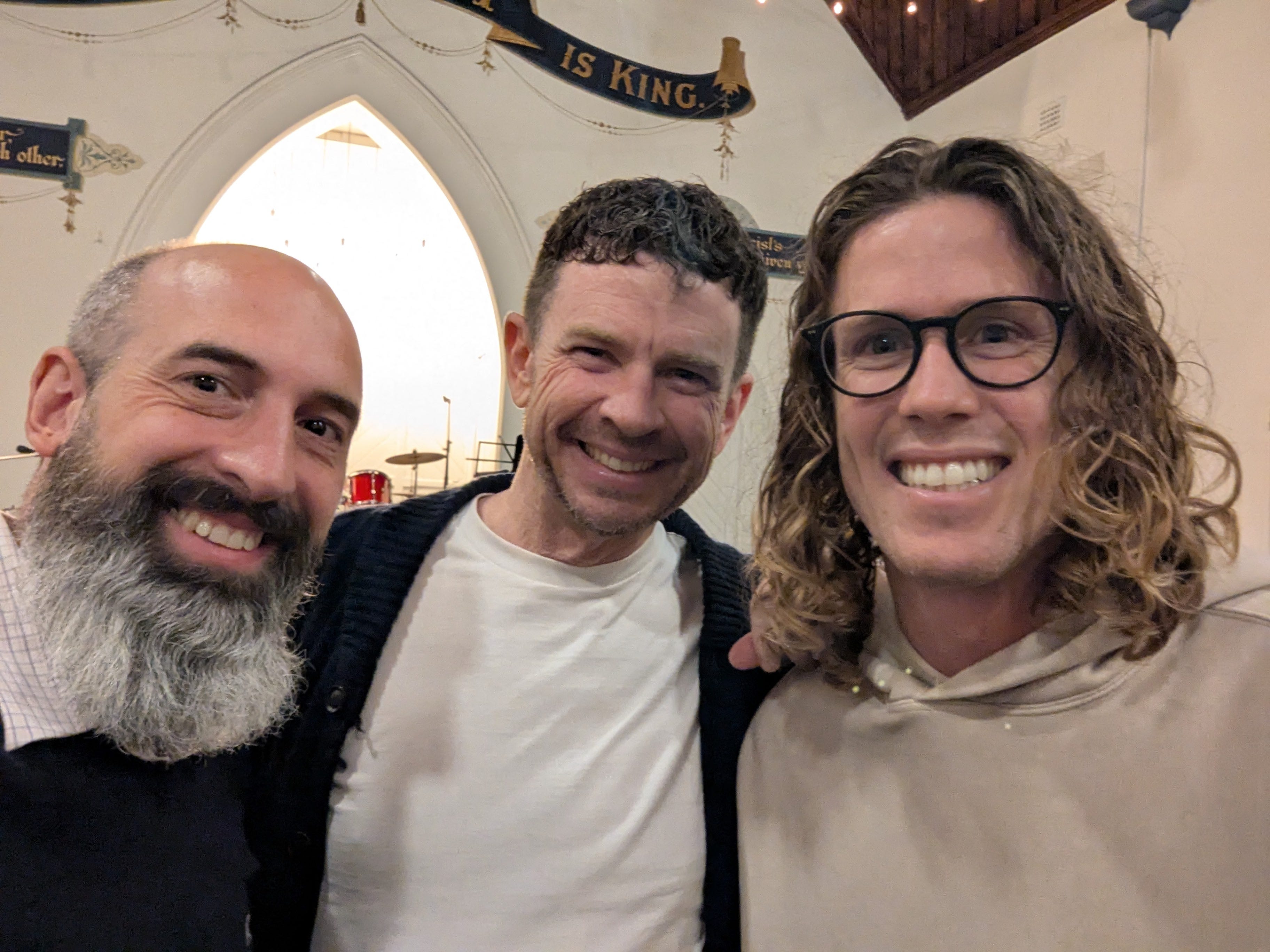
That evening, Rory and I joined Caleb Gray on the Upside Down People podcast, discussing consumerism and the church in a recorded episode in front of a live audience.
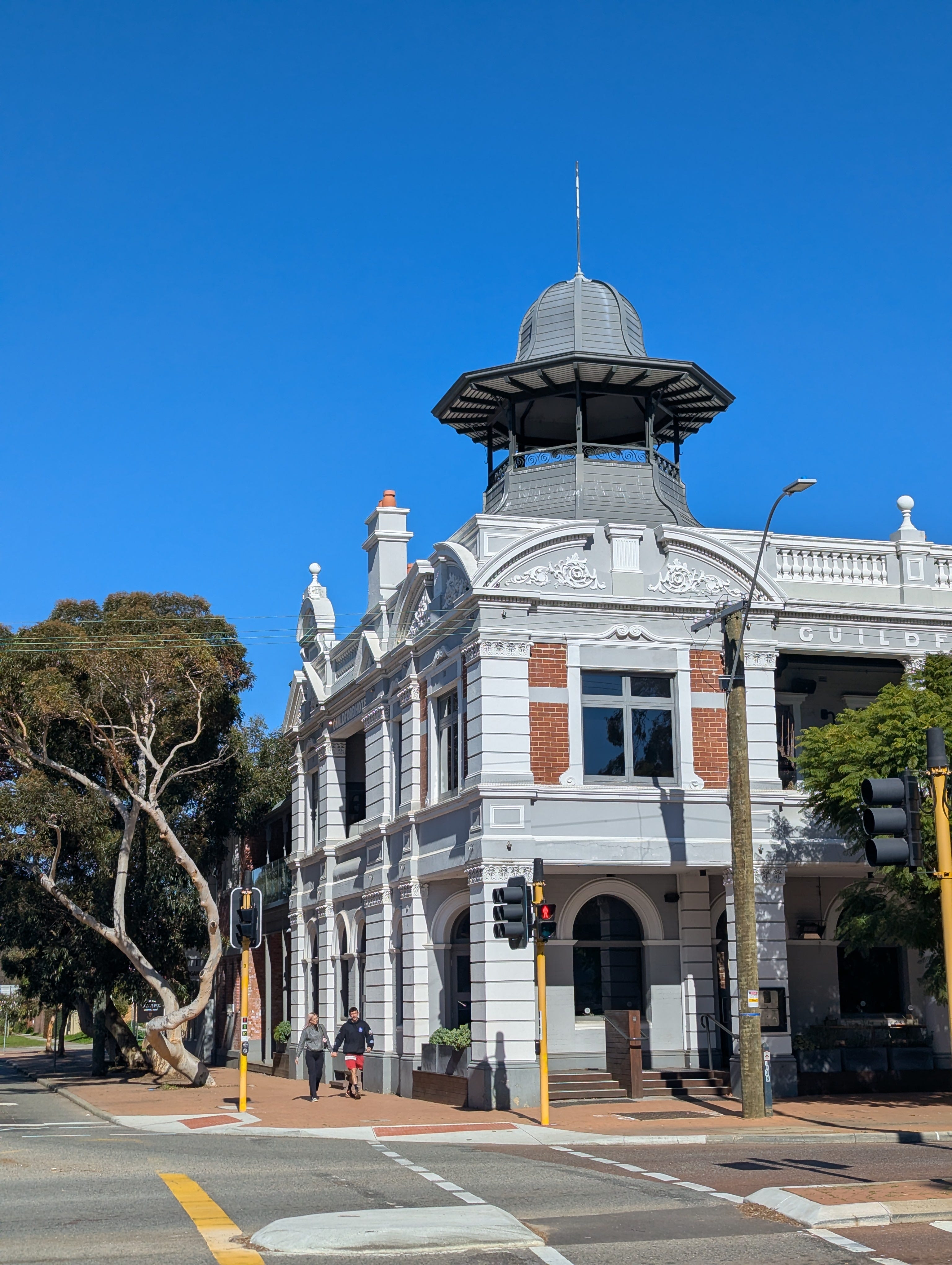
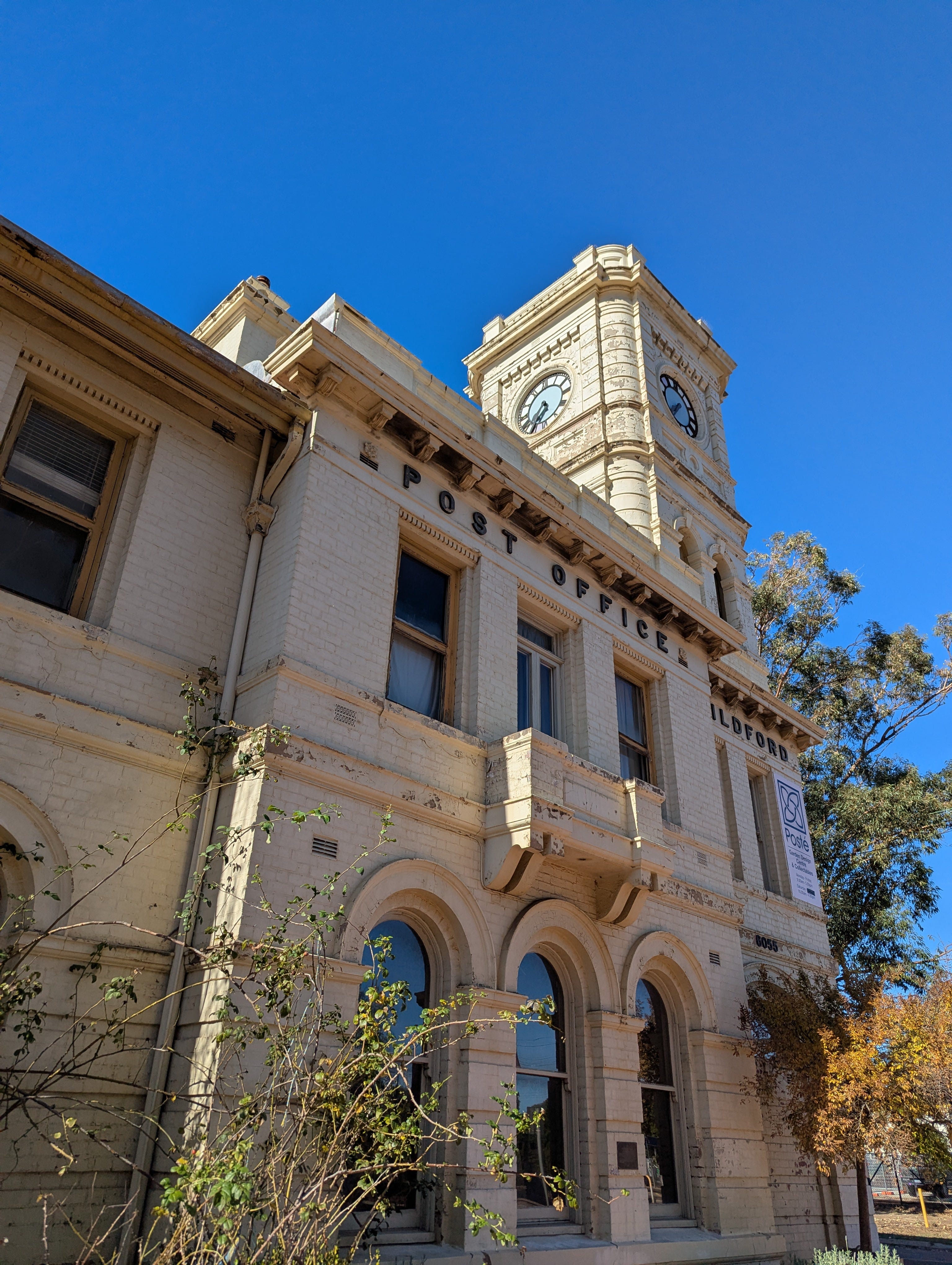
The next day, Kim picked me up again and showed me around Guildford. We ate at the Rose and Crown Hotel, where Aiden (with whom I eaten on Saturday evening) joined us.
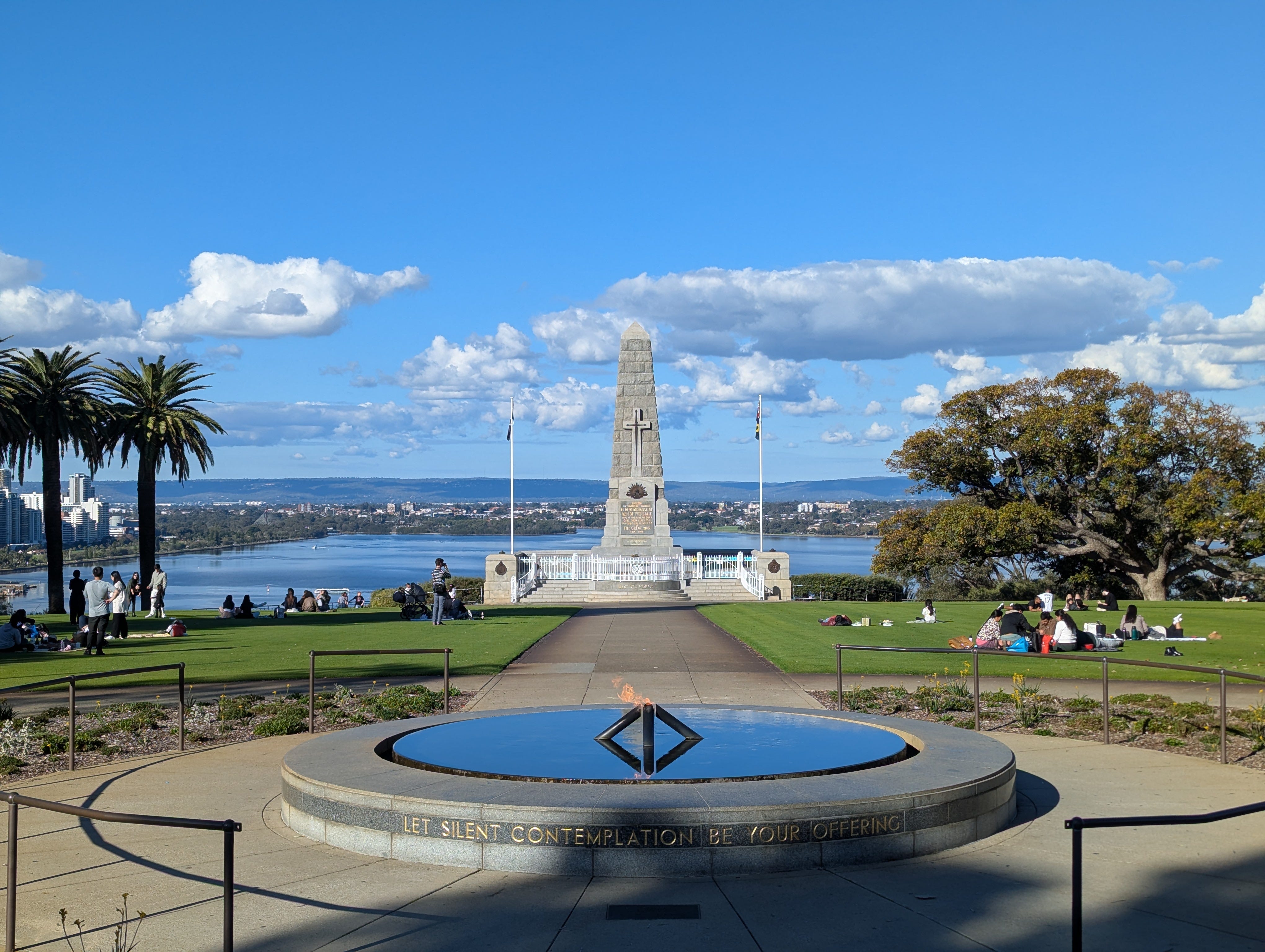
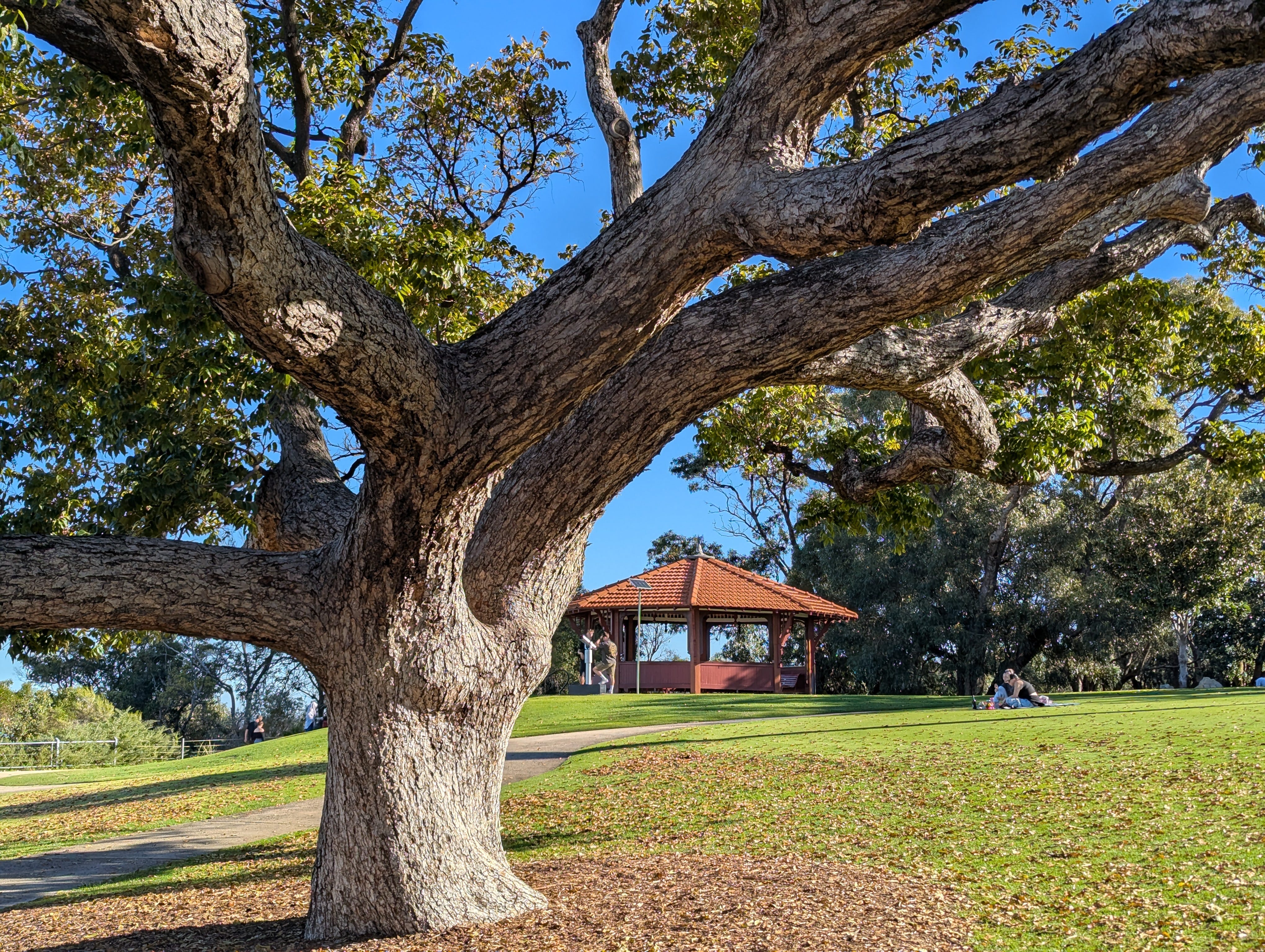
From there we went to King’s Park, where we looked out over the city. I had visited the same place on the Saturday, but this was my first chance to see it during the daytime.
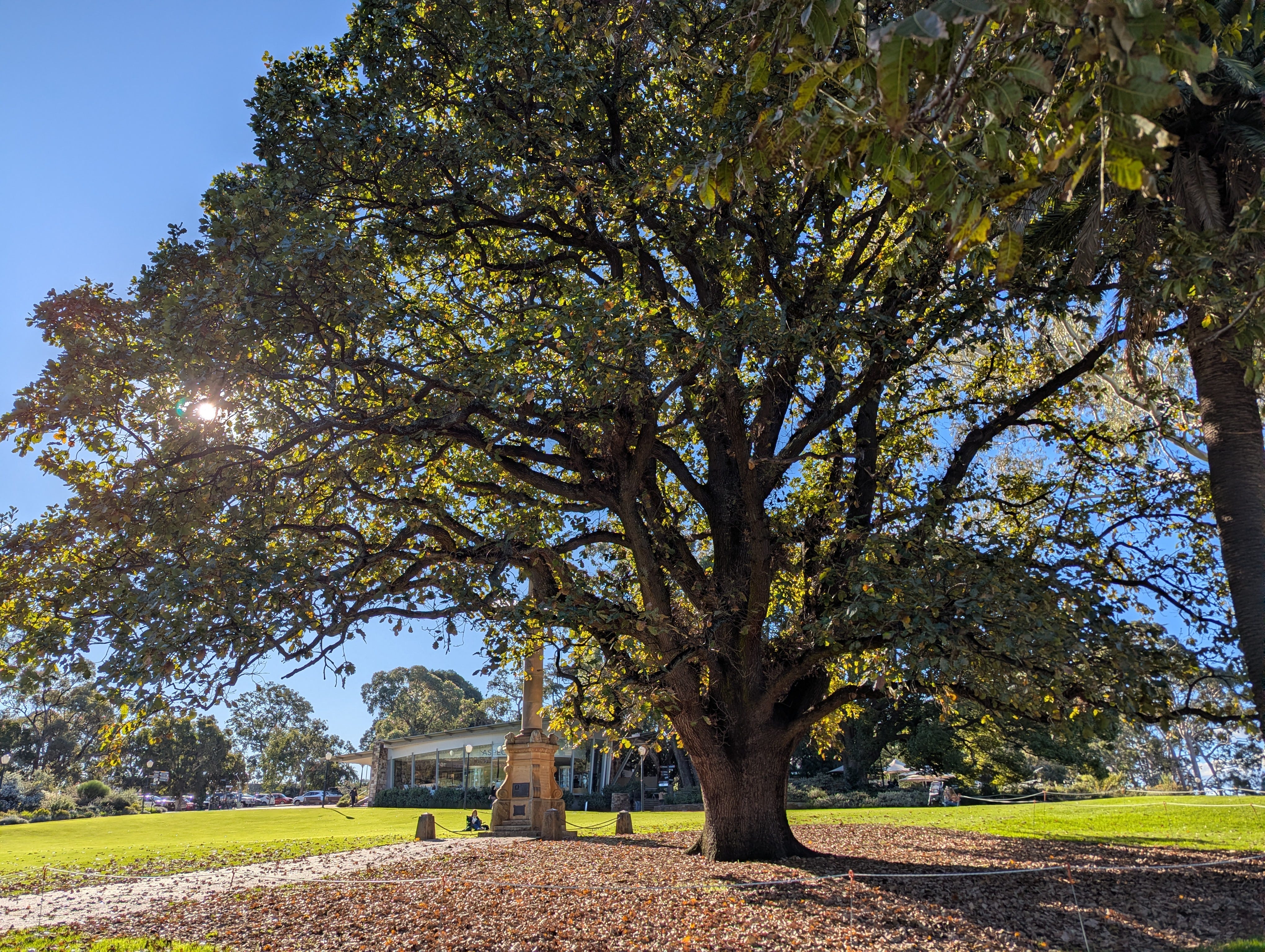
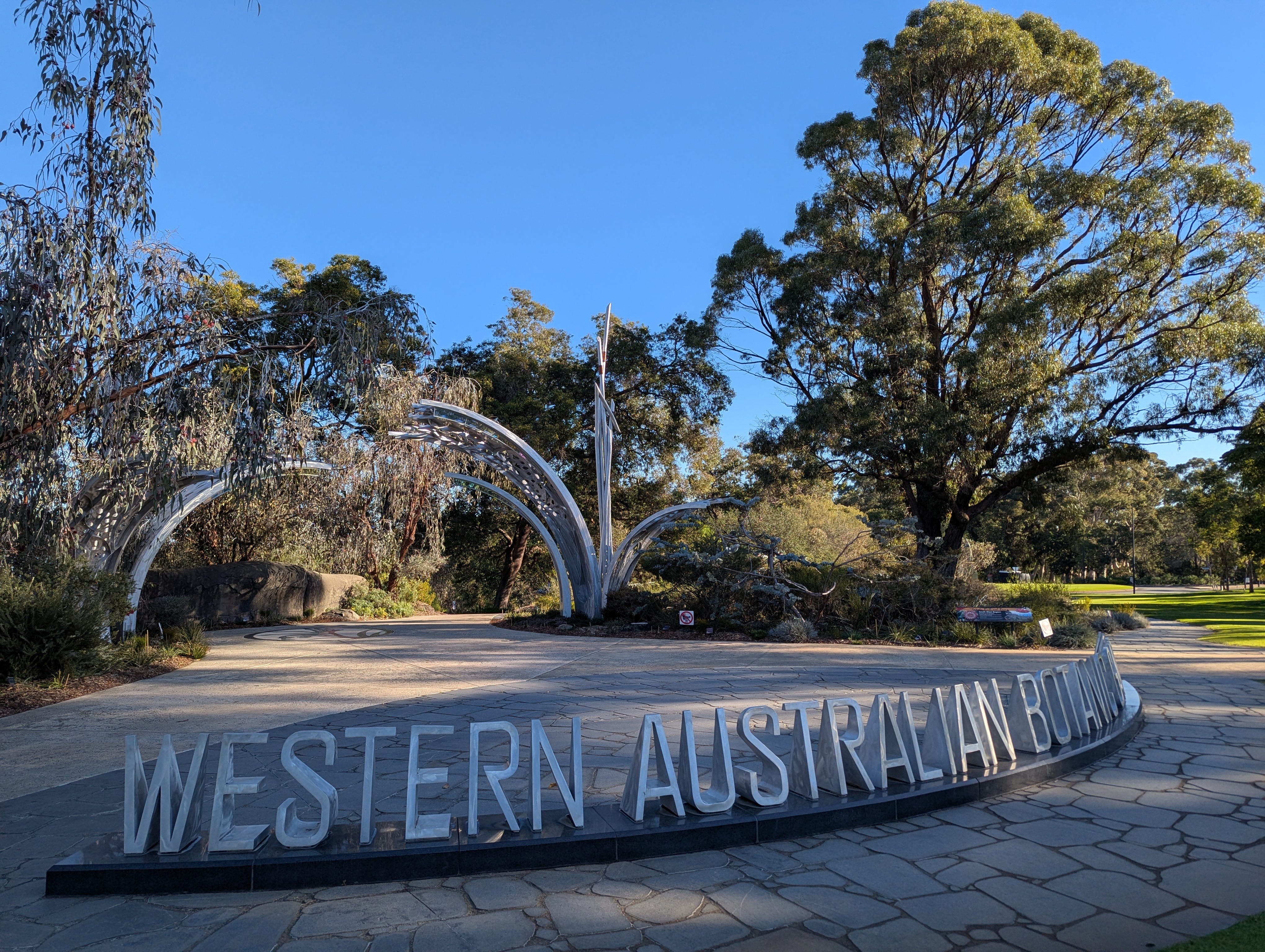
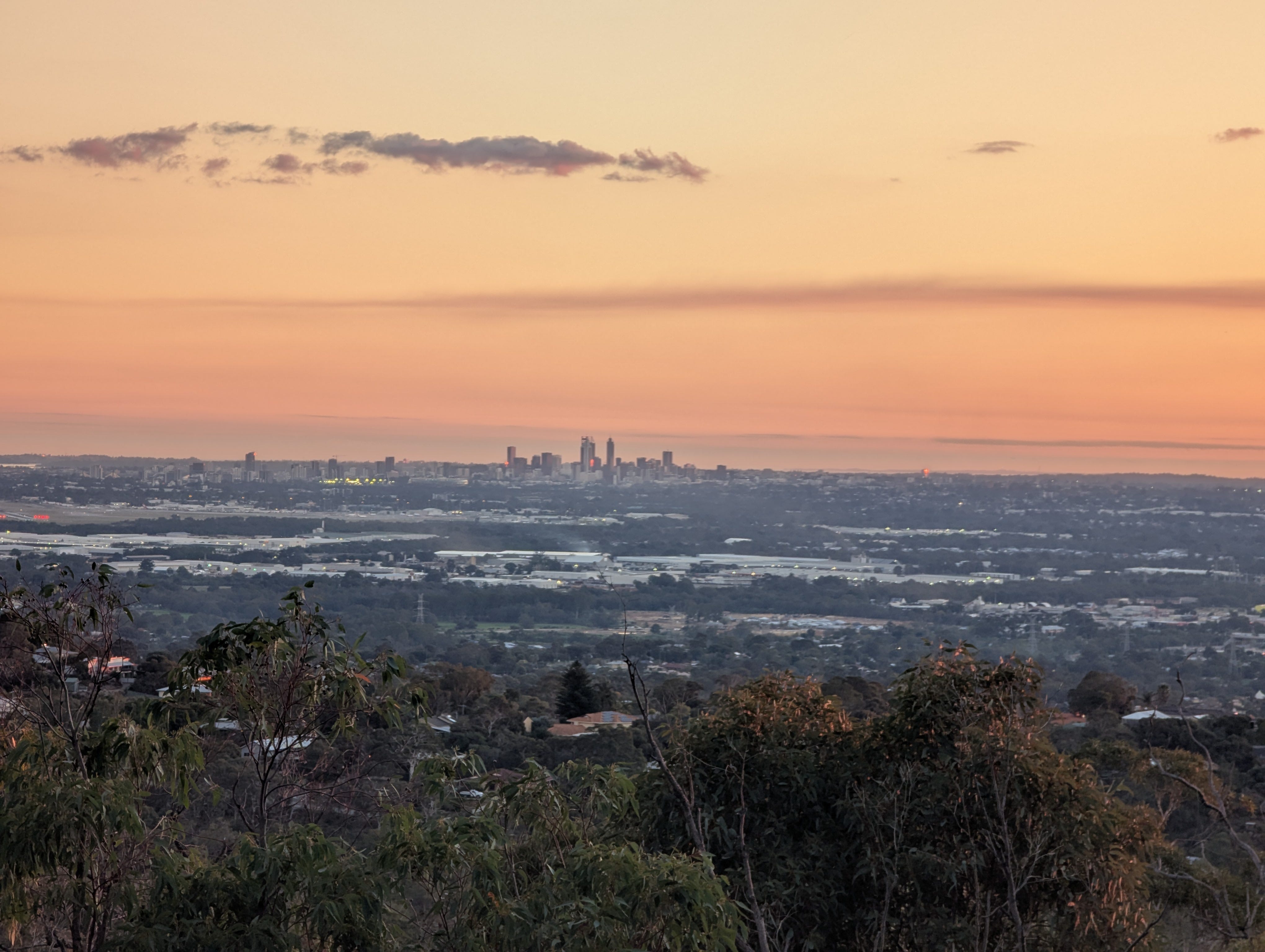
We briefly walked in the park, before Kim returned me to the place where the Staff Conference was being held. From there, I was picked up by John and Bonnie, who drove me out to John Forrest National Park to see the sunset.
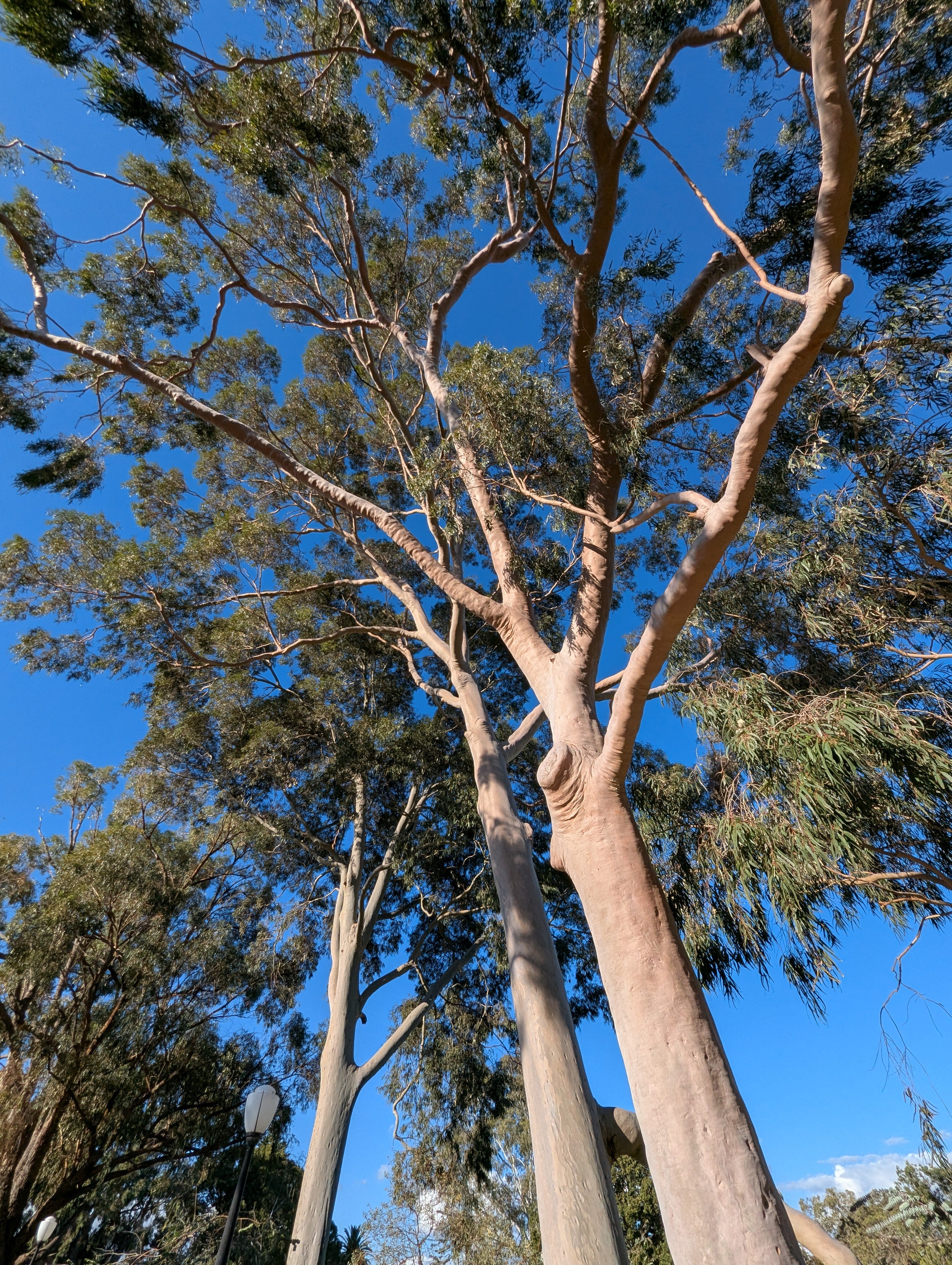
The park offered some dramatic vistas out over the city as the sun set.
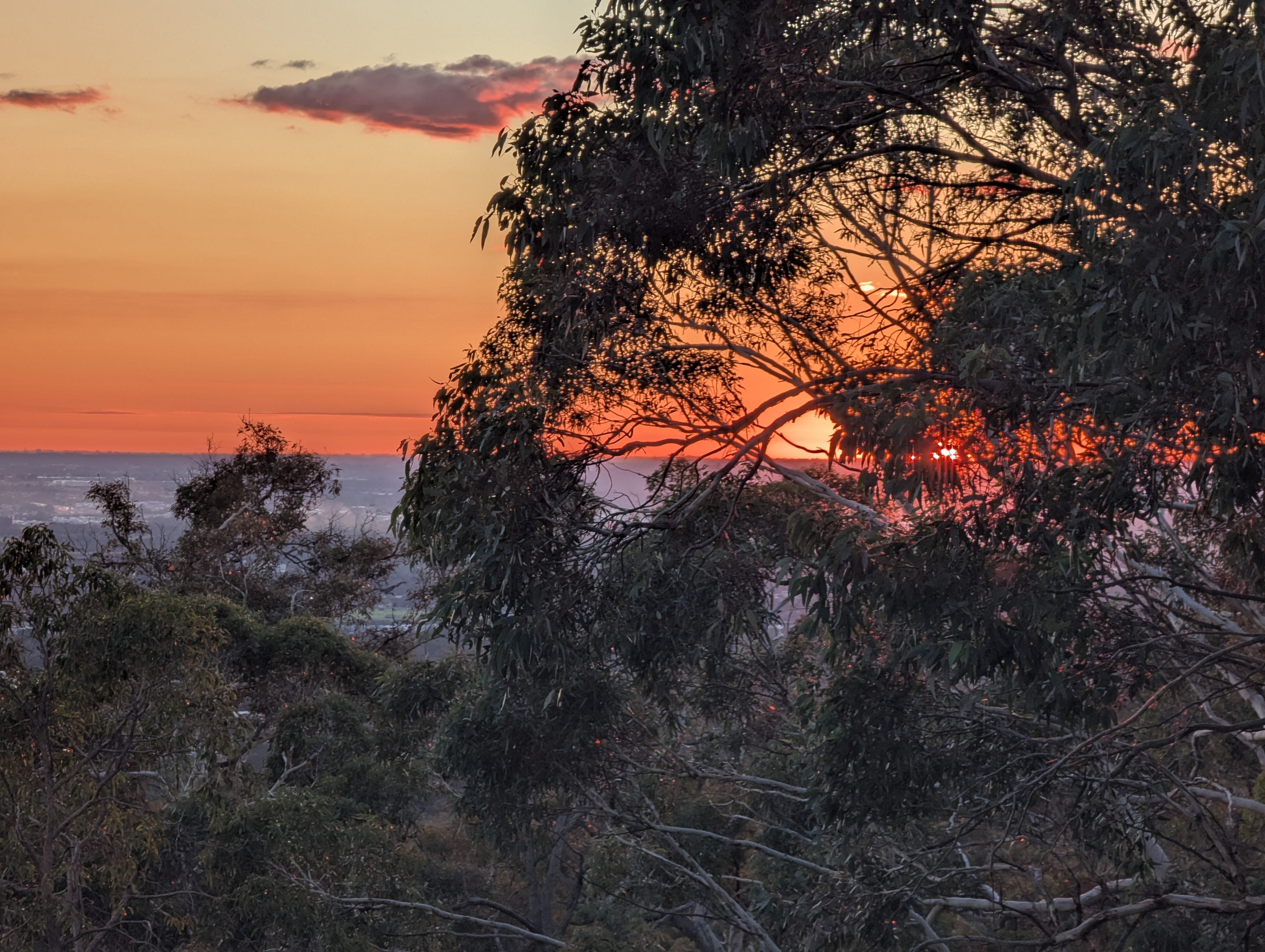
John and Bonnie then took me further into the park, giving me the opportunity to experience some of the Australian bush.
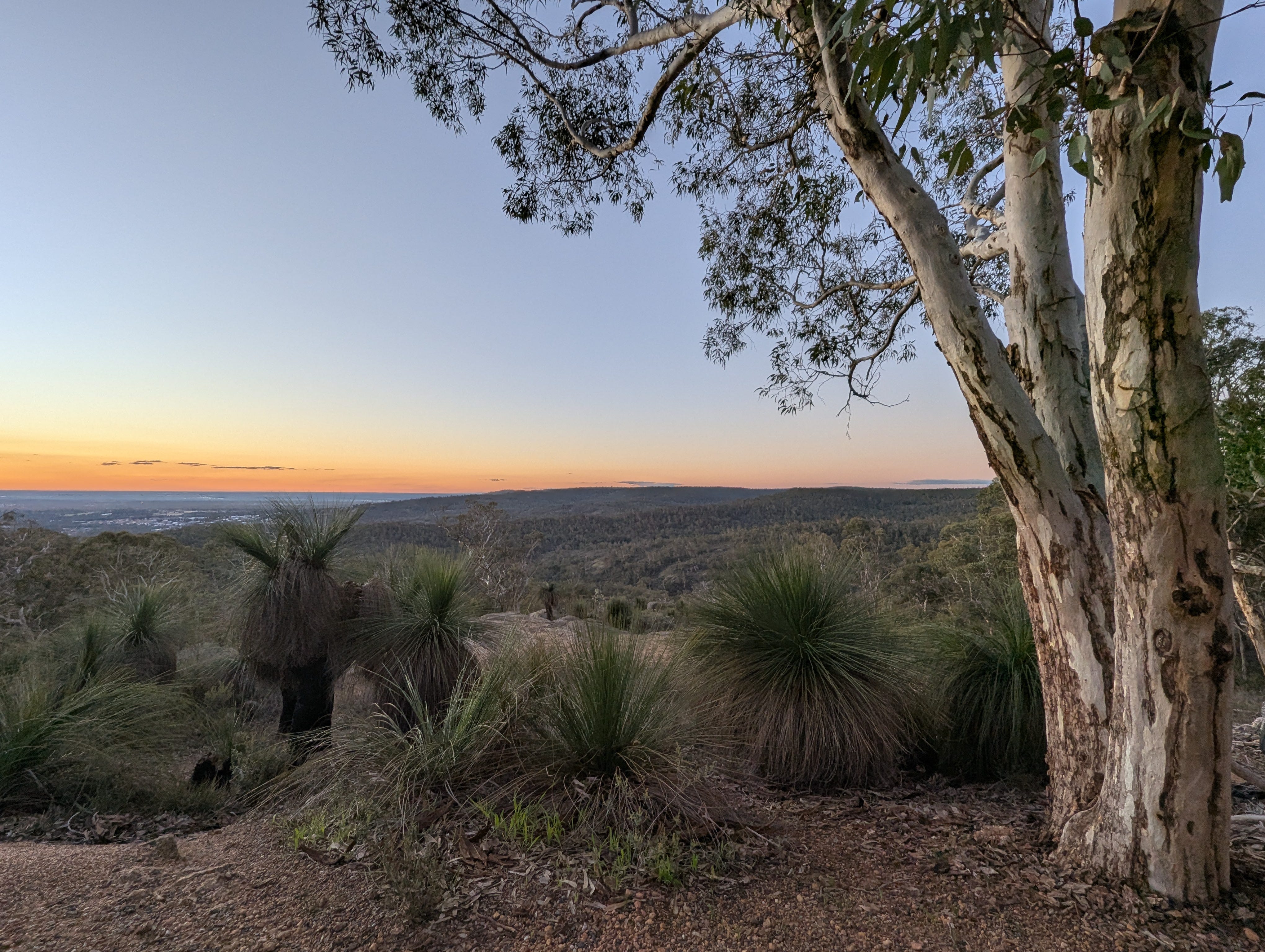
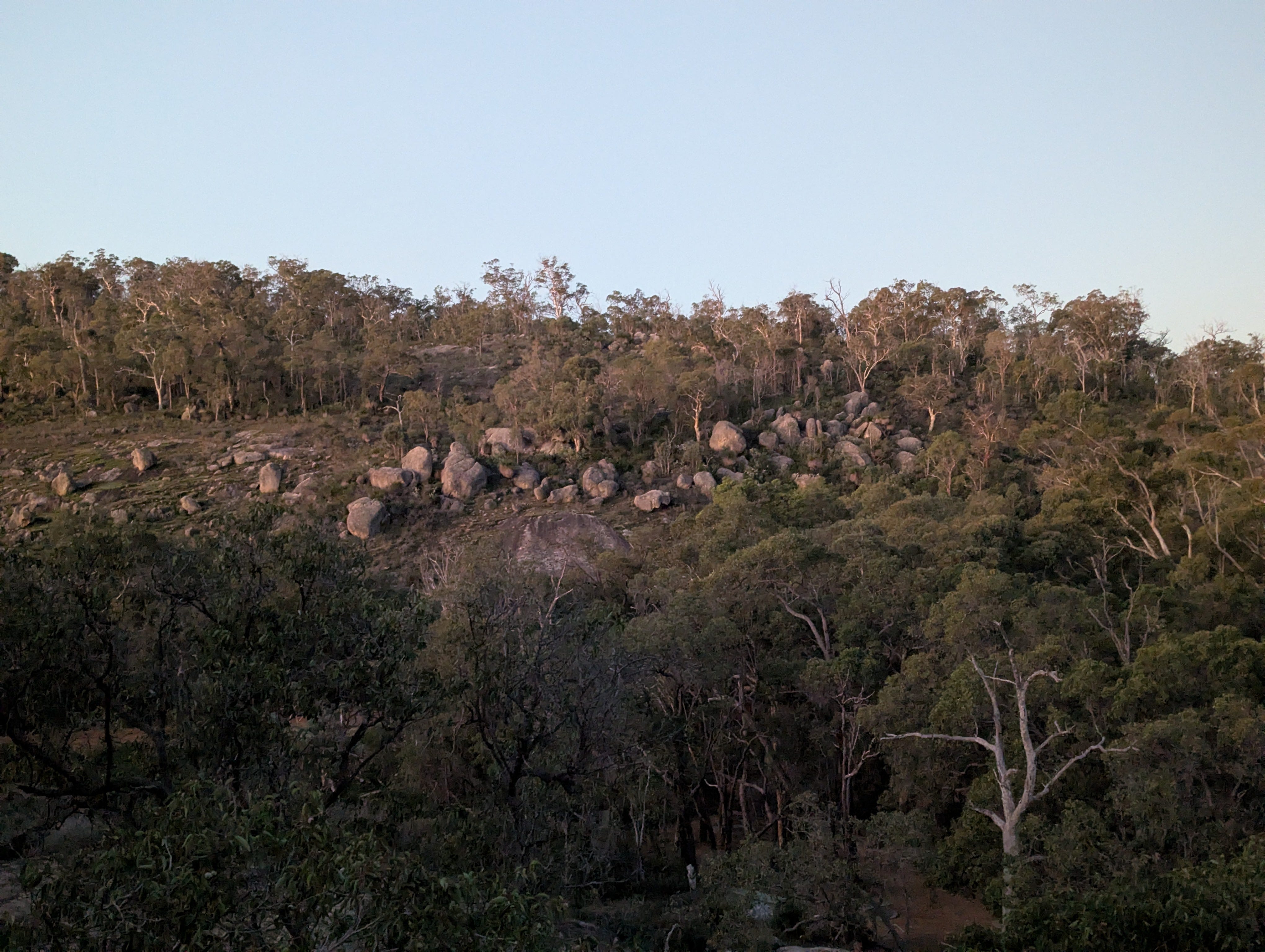
After showing me around, John and Bonnie gave me a meal in their house, where I got to meet their sons.
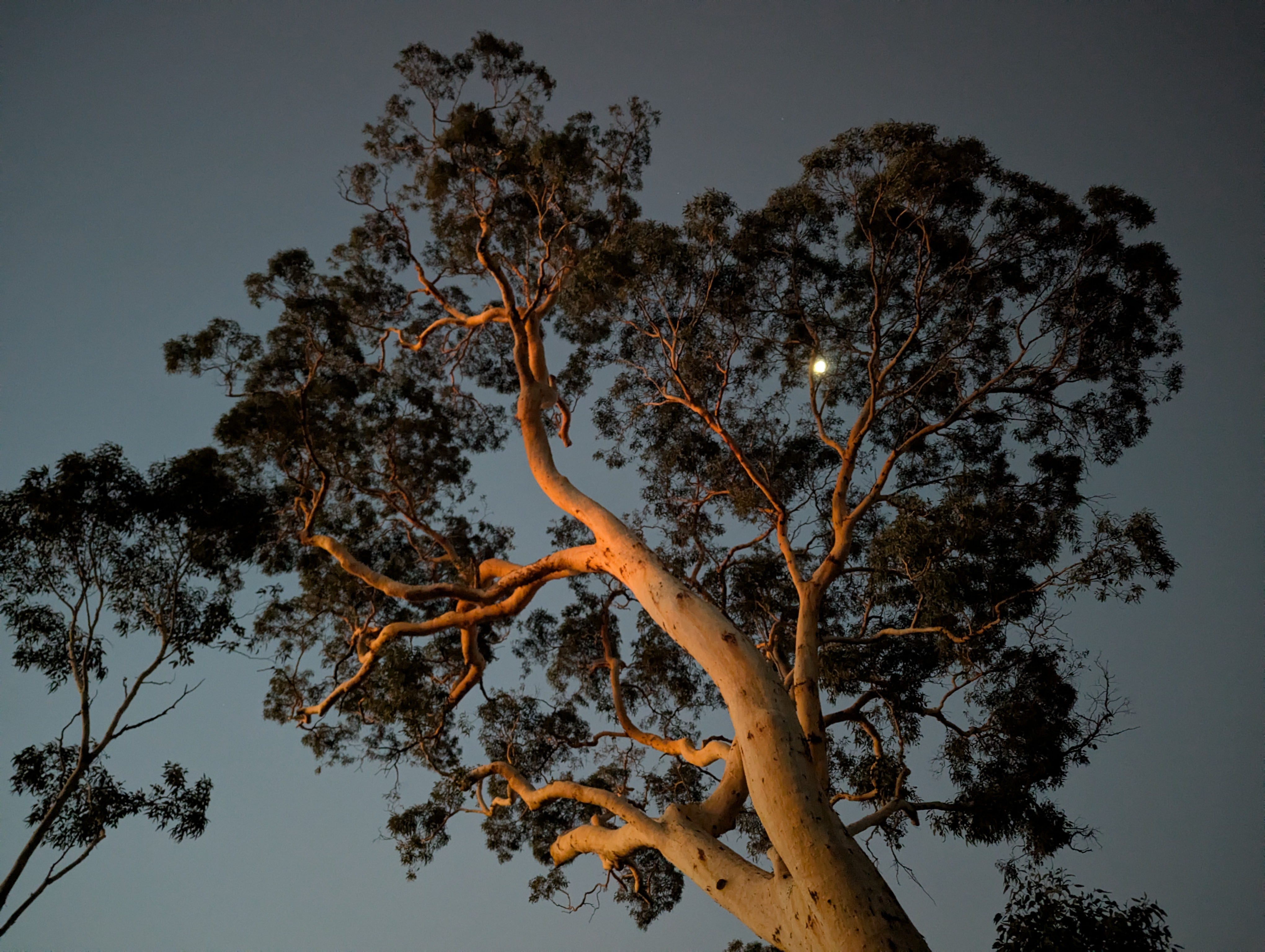
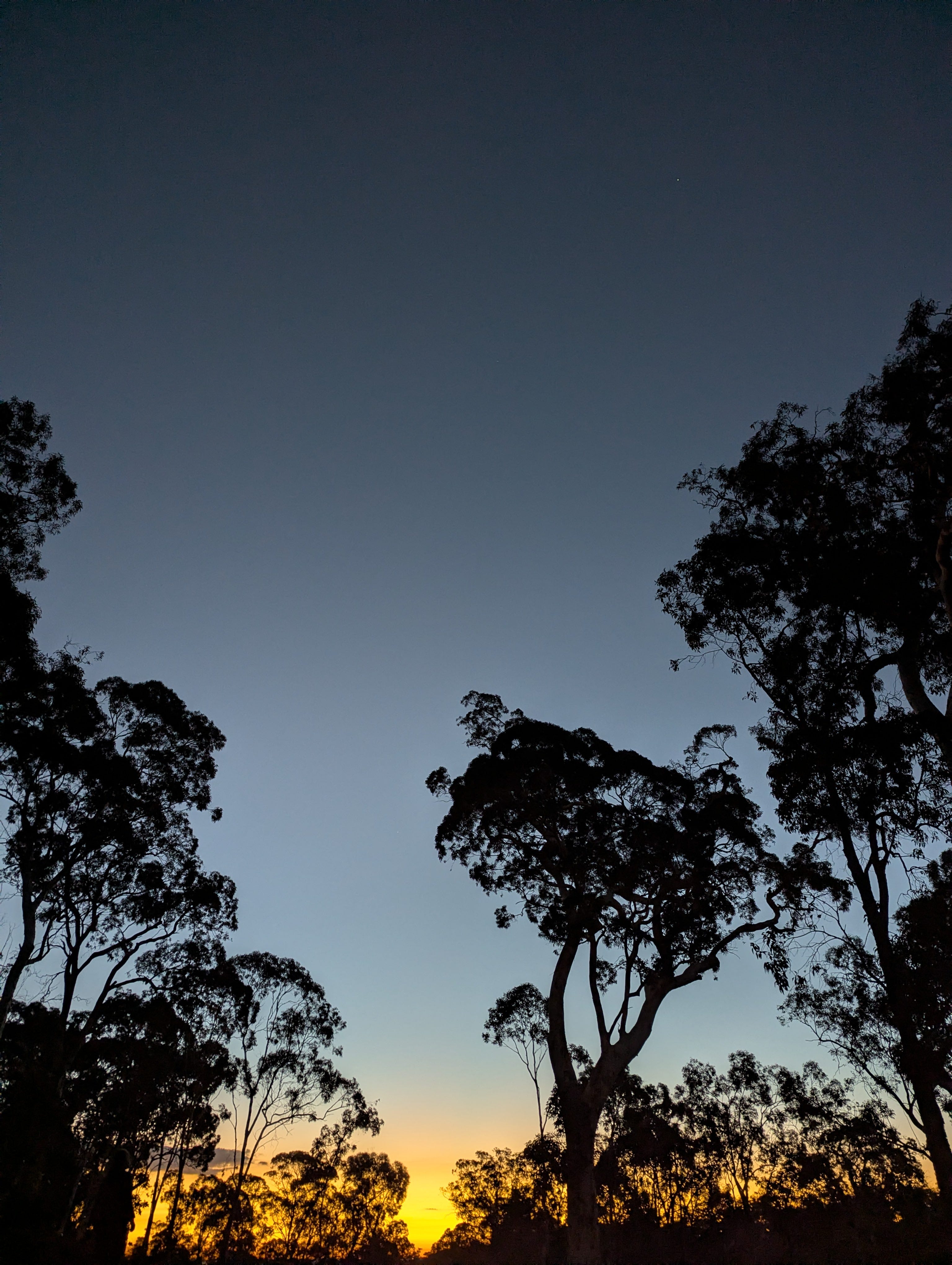
Wednesday was a busier day. I gave an oral exam to a student at 7am. My talk at the Staff Conference in the morning was followed by a question and answer session. I did some extra preparation for my evening lecture in the afternoon.
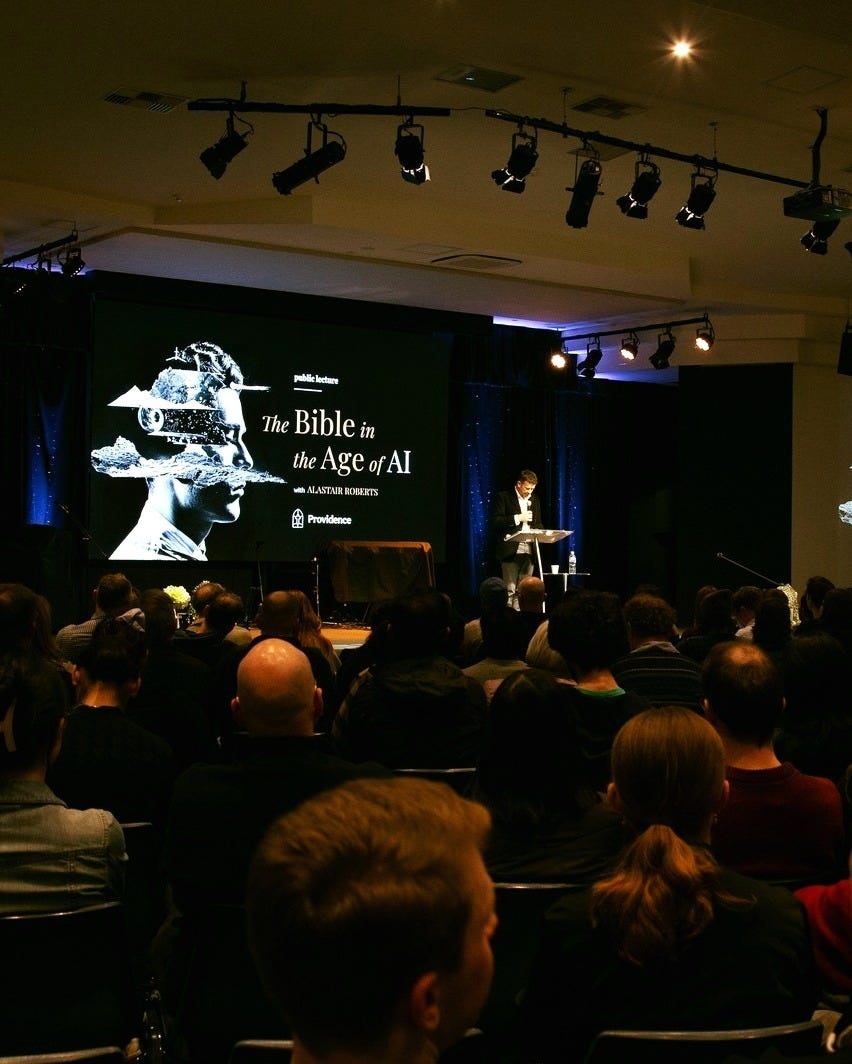
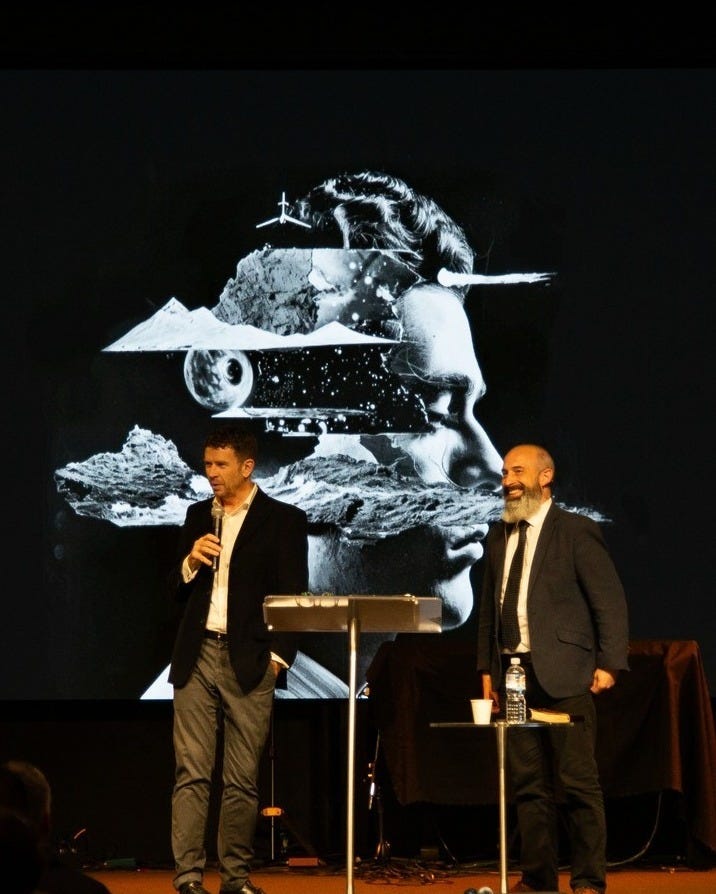
I delivered the annual Providence Lecture in the evening, on the Bible in the Age of AI. The event had been sold out and I had several encouraging conversations with people afterwards, also meeting a few people I had previously only known online.
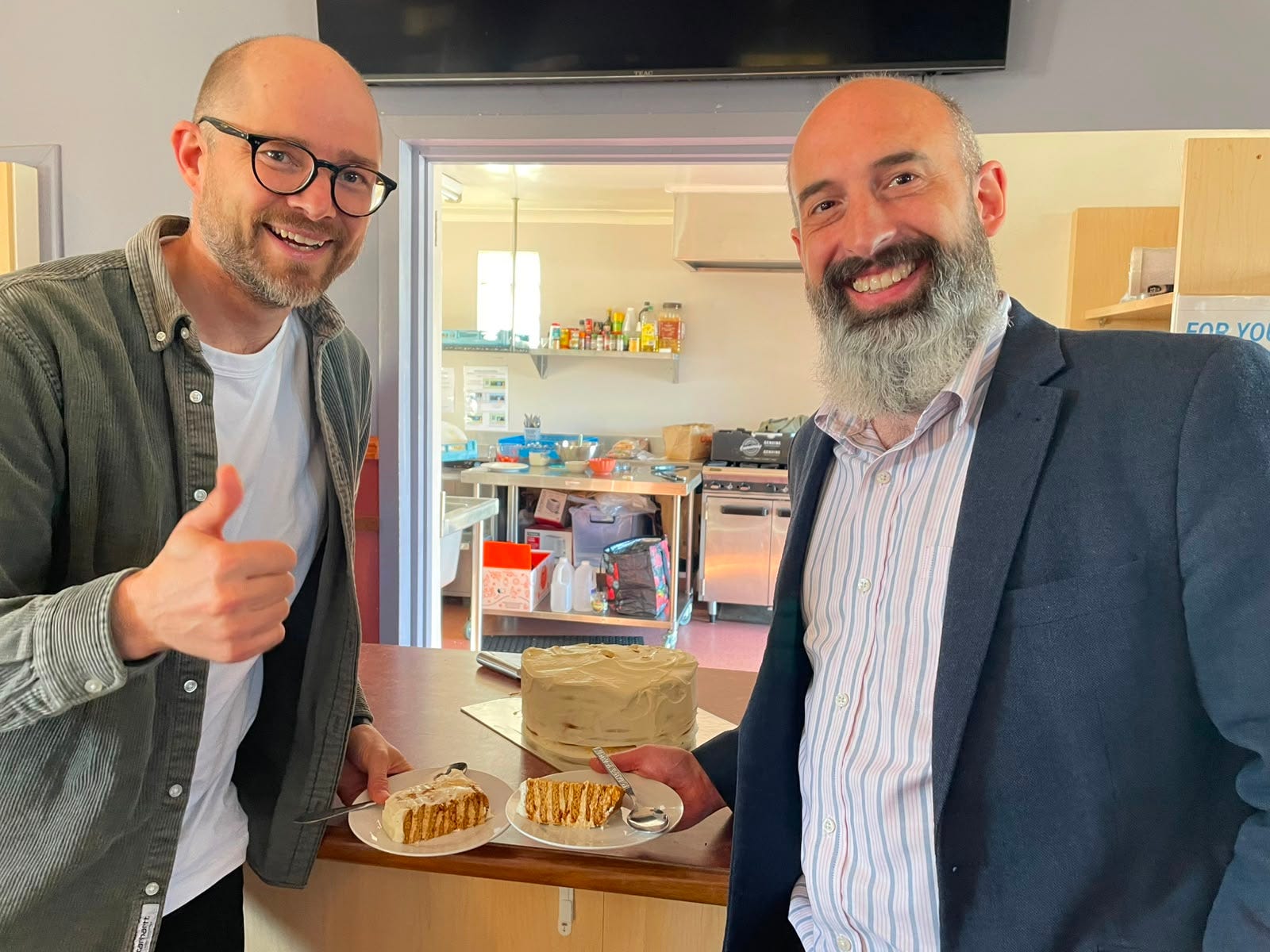
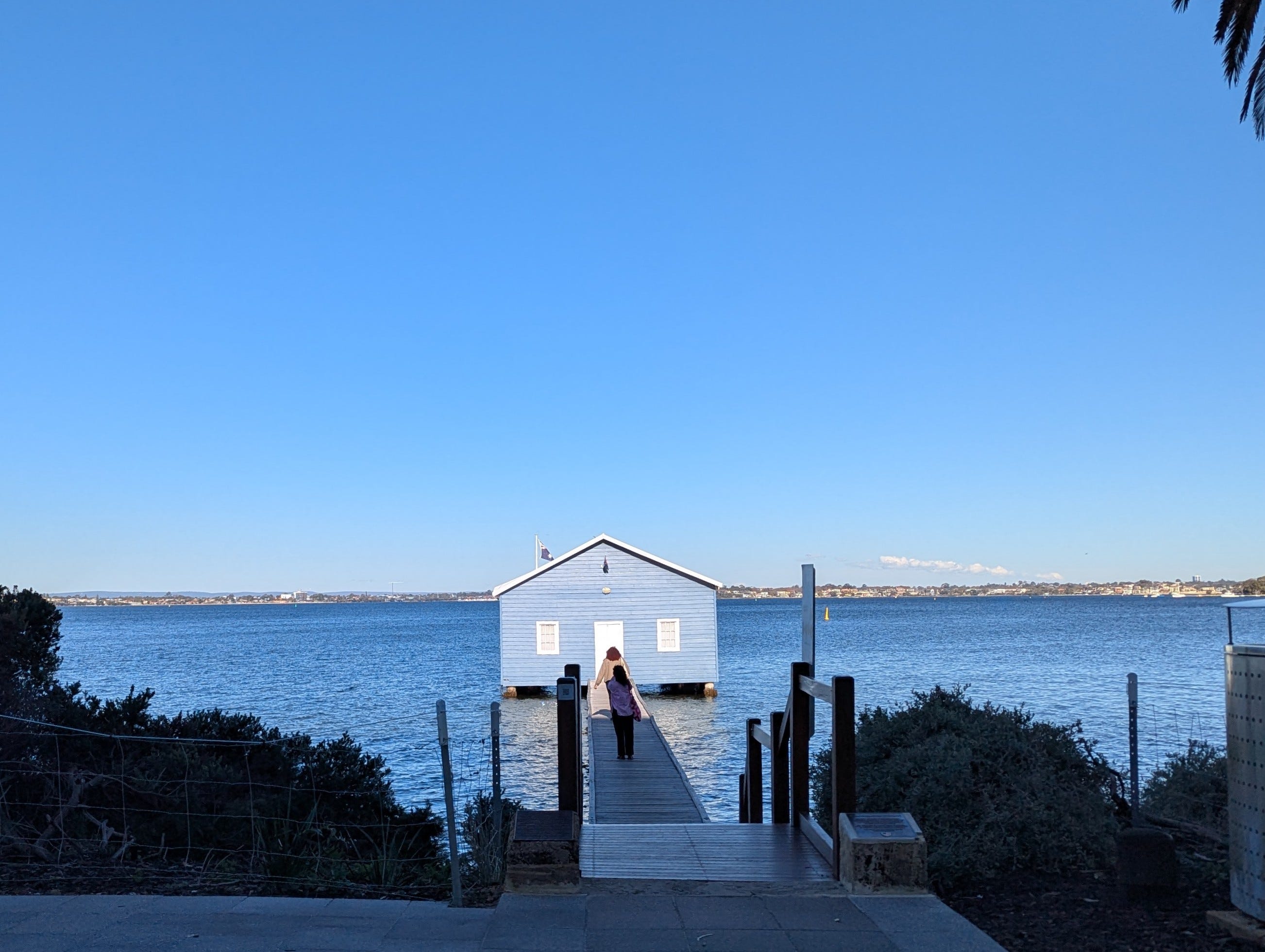
The next day was the last of my trip. Finishing my final talk was a relief, marking the end of almost three weeks of intense speaking engagements. After the conclusion of the Staff Conference, Rory’s sister had made a cake for me and Matt Straw, as it was Matt’s birthday and had been my birthday the week before.
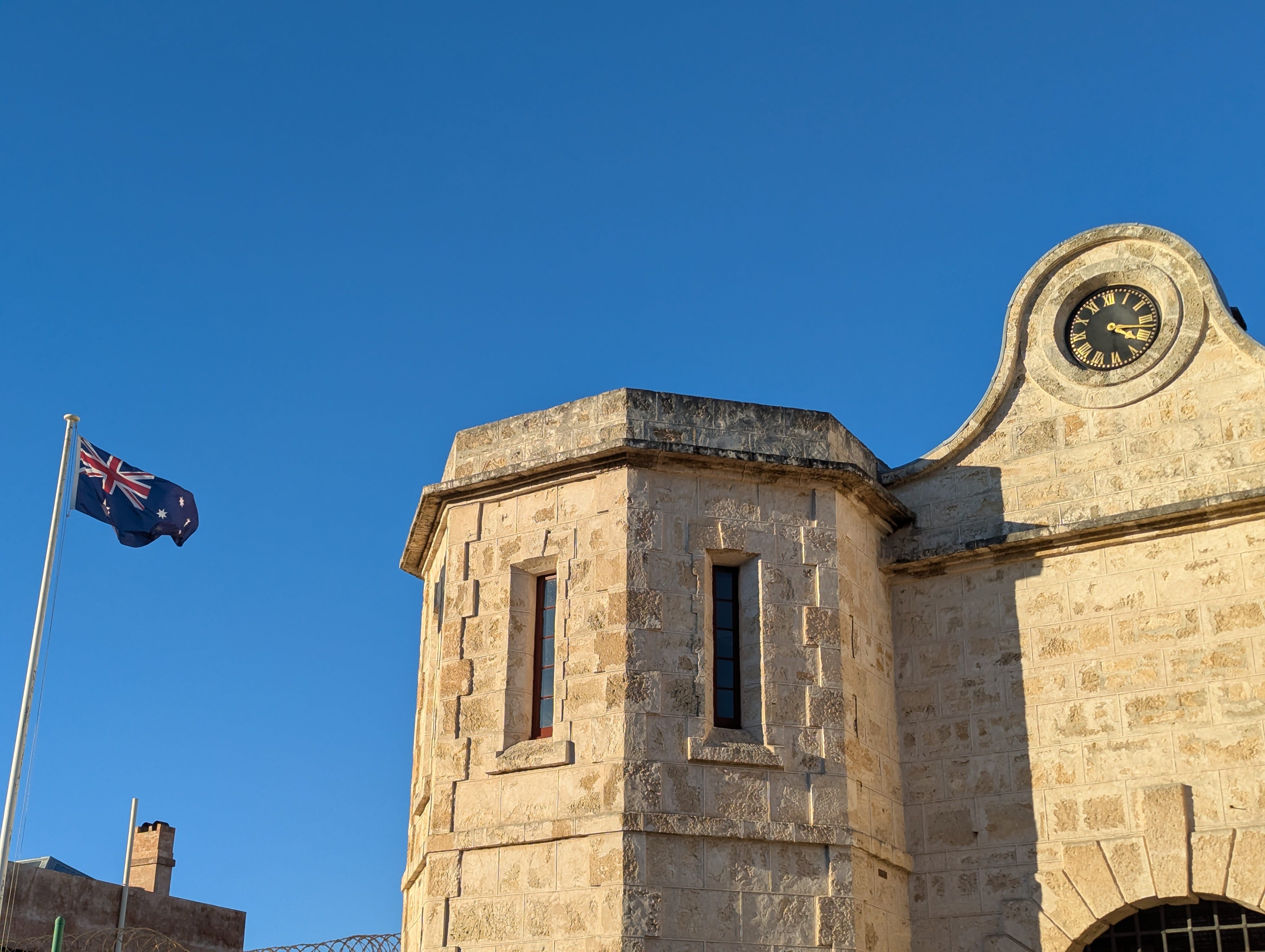
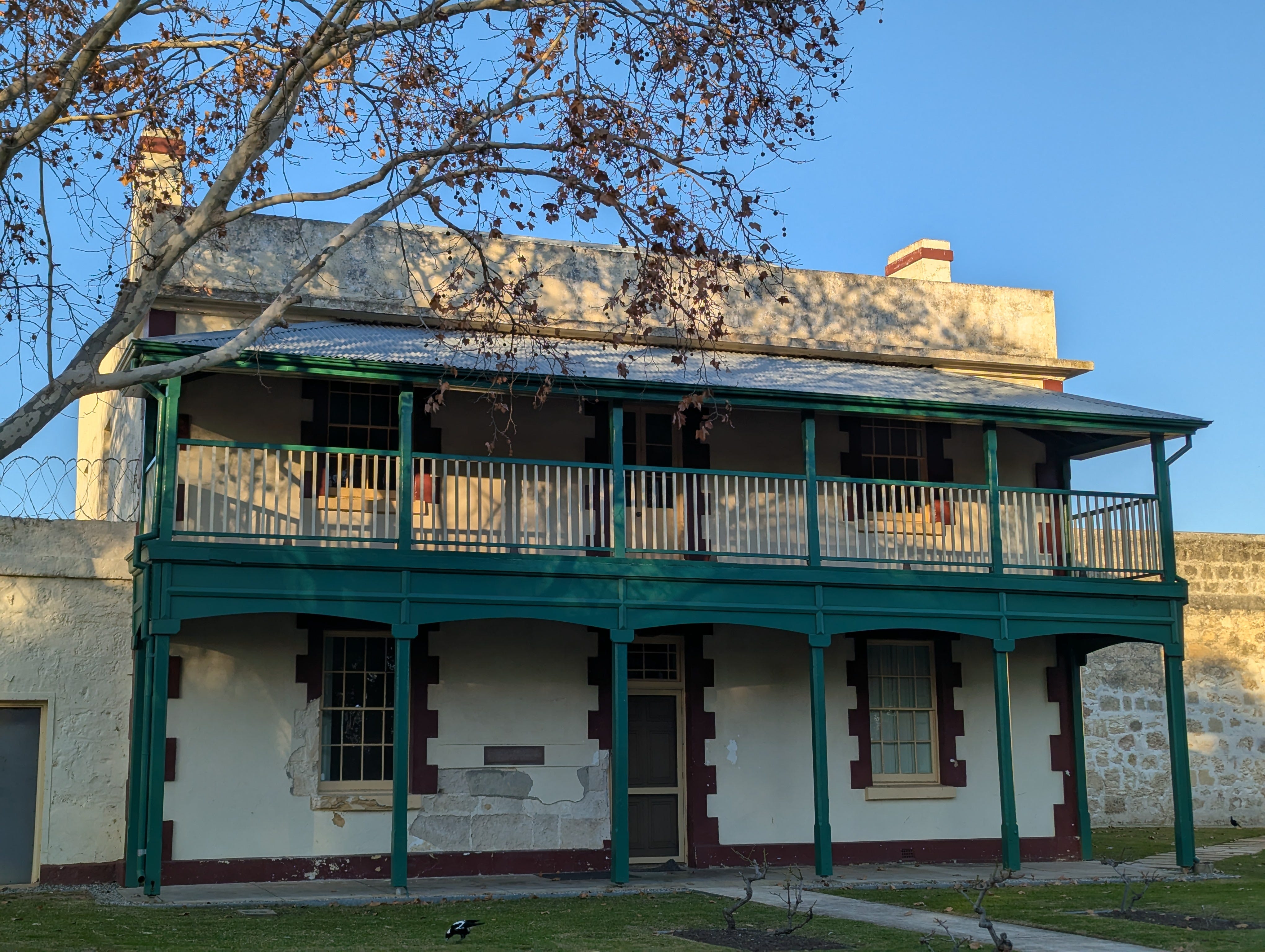
I spent the rest of the afternoon with Matt, who took me to Fremantle, where we visited the prison.
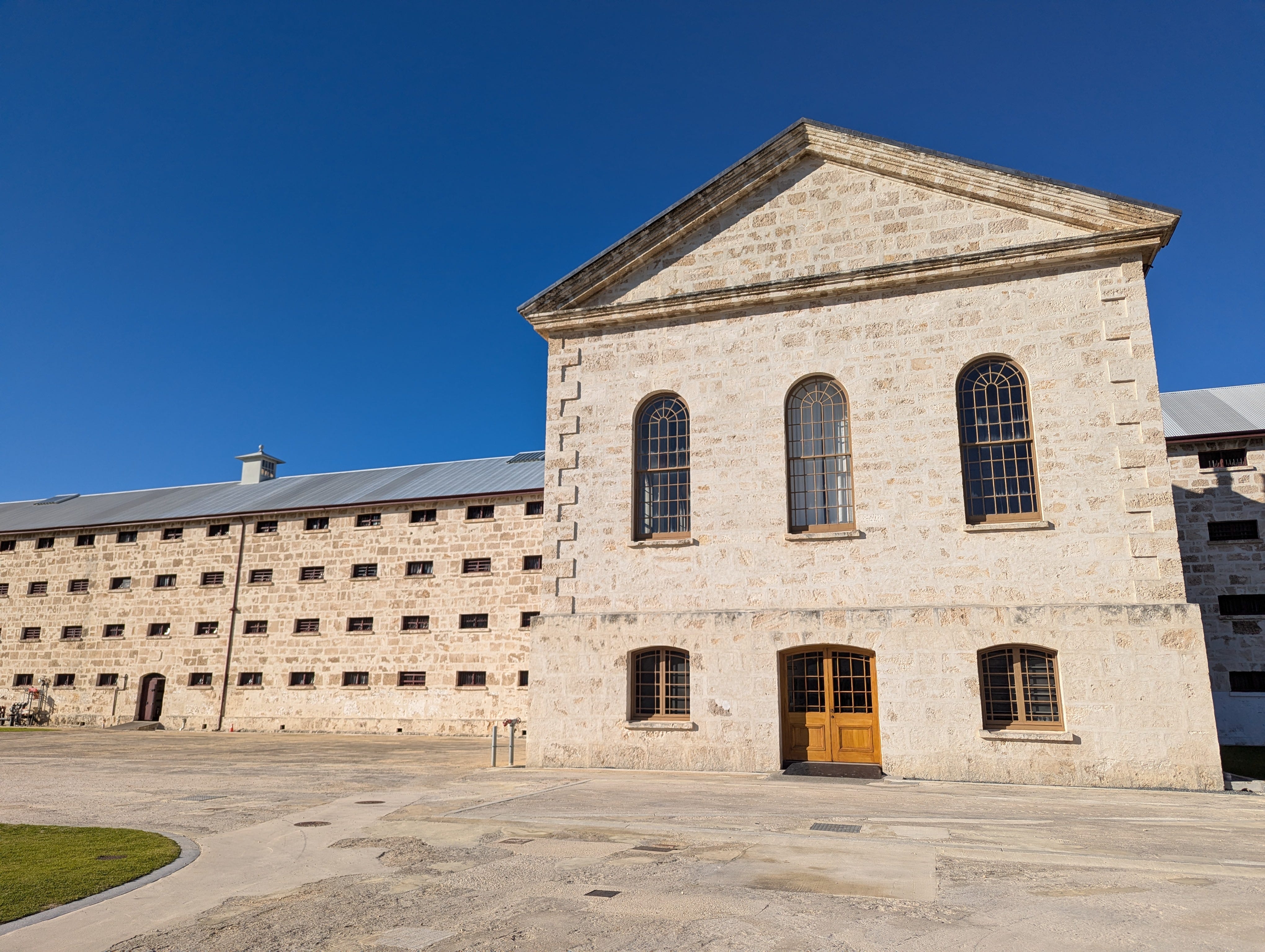
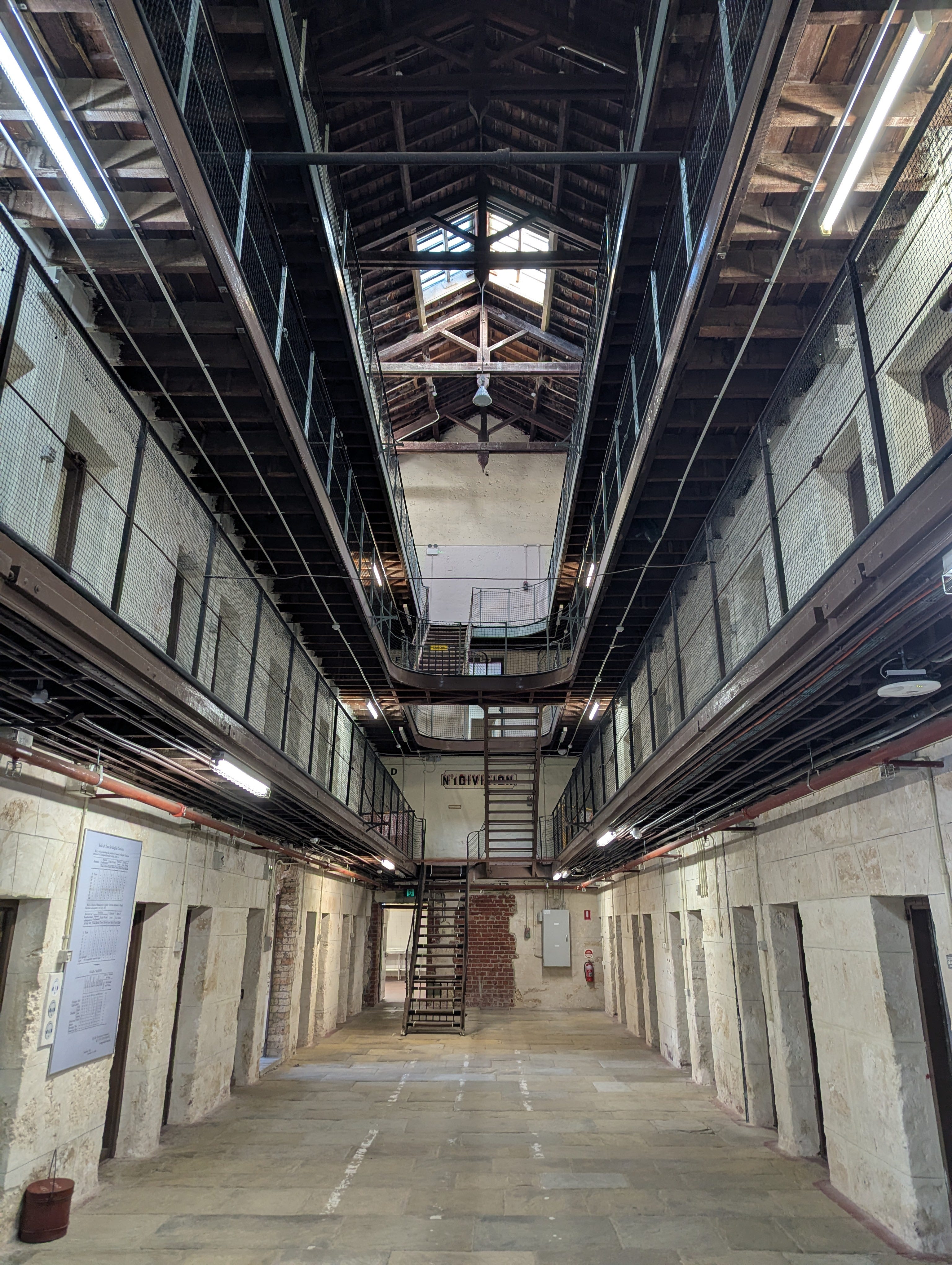
The prison is a World Heritage Site and provides a remarkable window into Australia’s history. The Swan River Colony had initially been established as a free settlement, in contrast to the penal colonies on the east coast of Australia. However, the need for cheap labour grew and, in 1850, the first convict ship arrived at the colony.
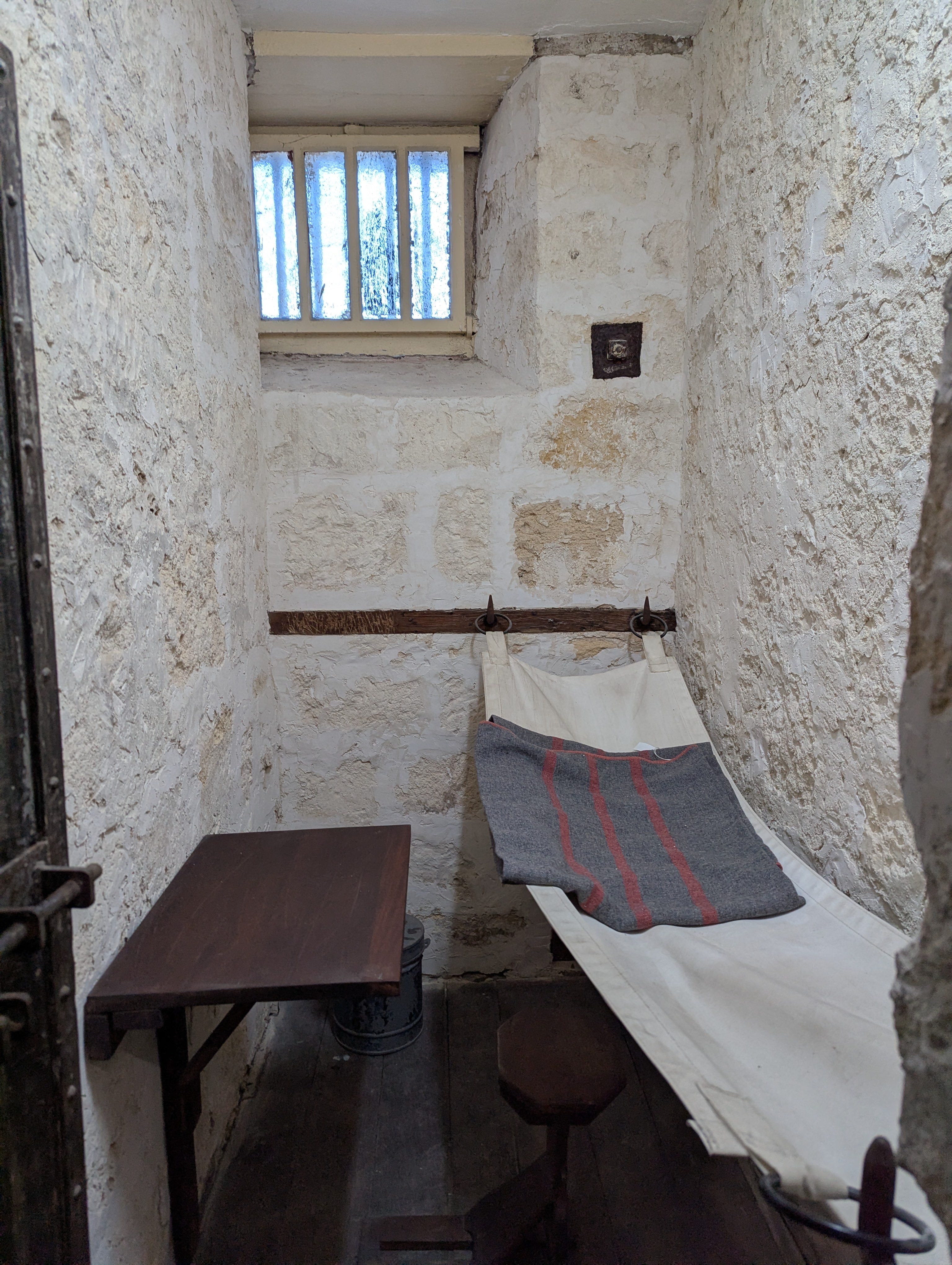
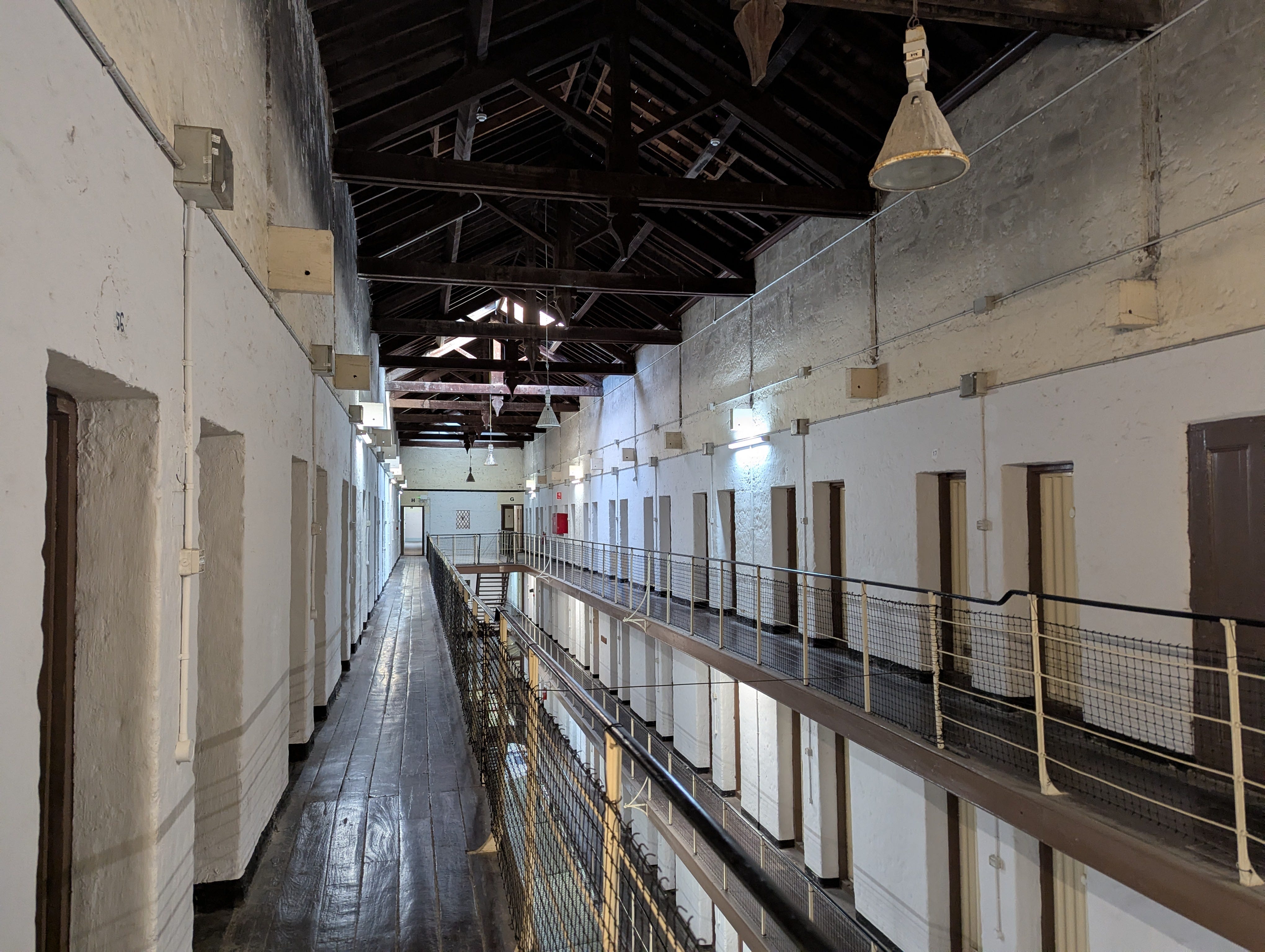
The prison was largely built by convicts themselves, who quarried the limestone used for the building on the site. It largely followed the design of Pentonville Prison. Division 1 of the Prison has Yorkshire Flagstone on the floor, taking from the ballast of the ships that brought the convicts to Fremantle.
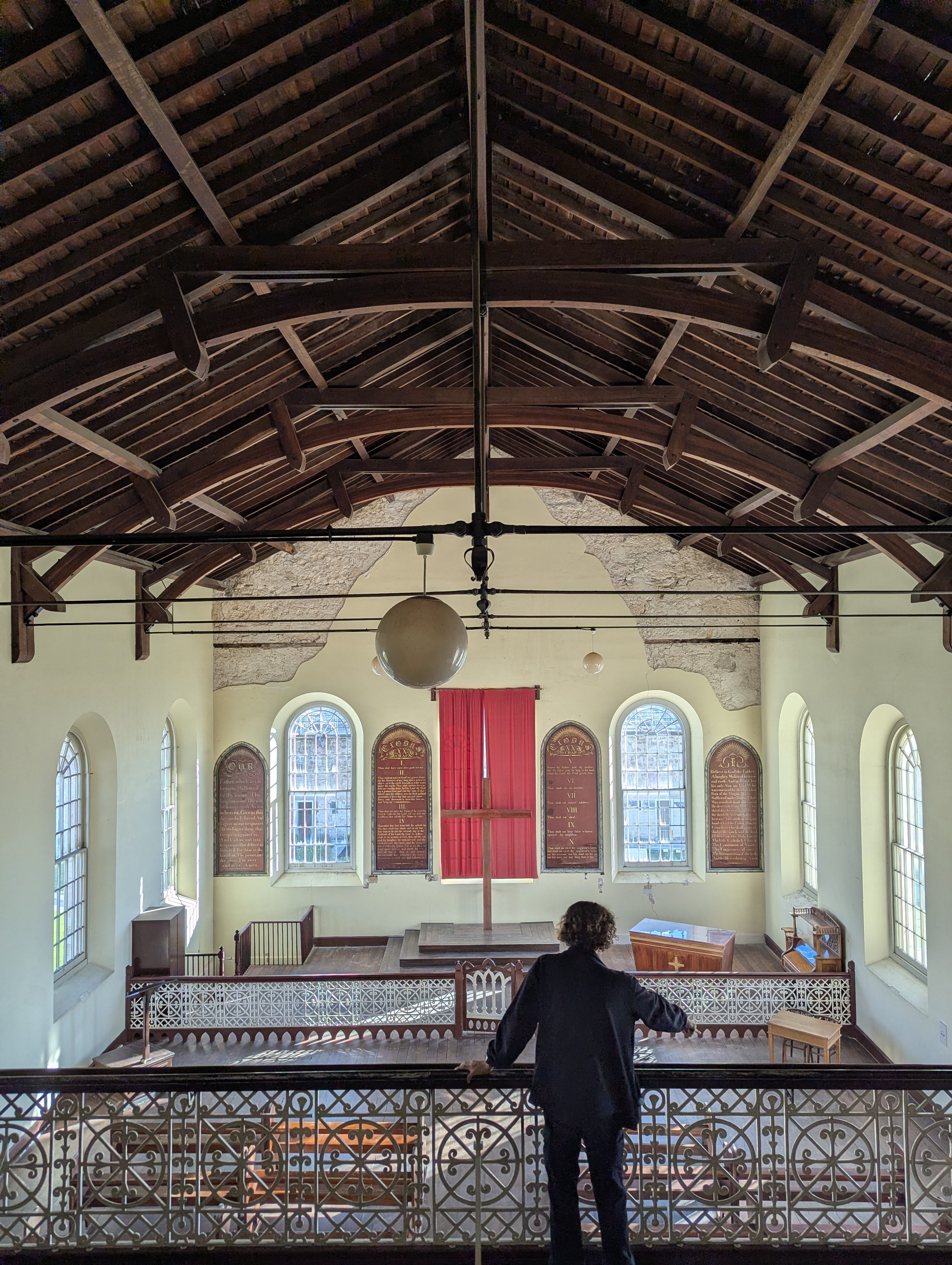
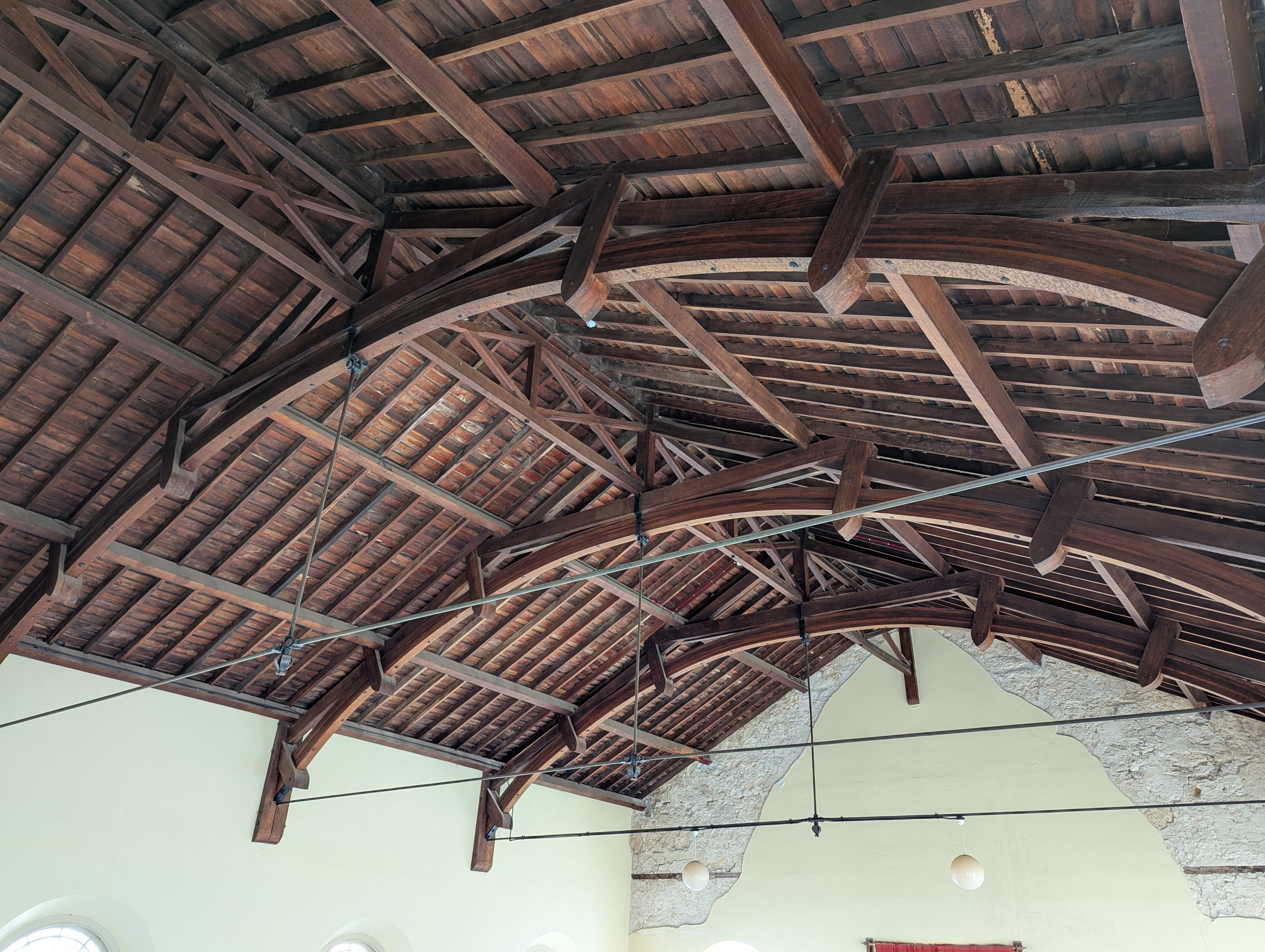
The prison had an Anglican chapel, a bright and airy room, contrasting with the main part of the prison and serving to encourage the inmates’ religious rehabilitation. As more Catholics were imprisoned, pressure grew to have a chapel for their religious needs and one was later made.
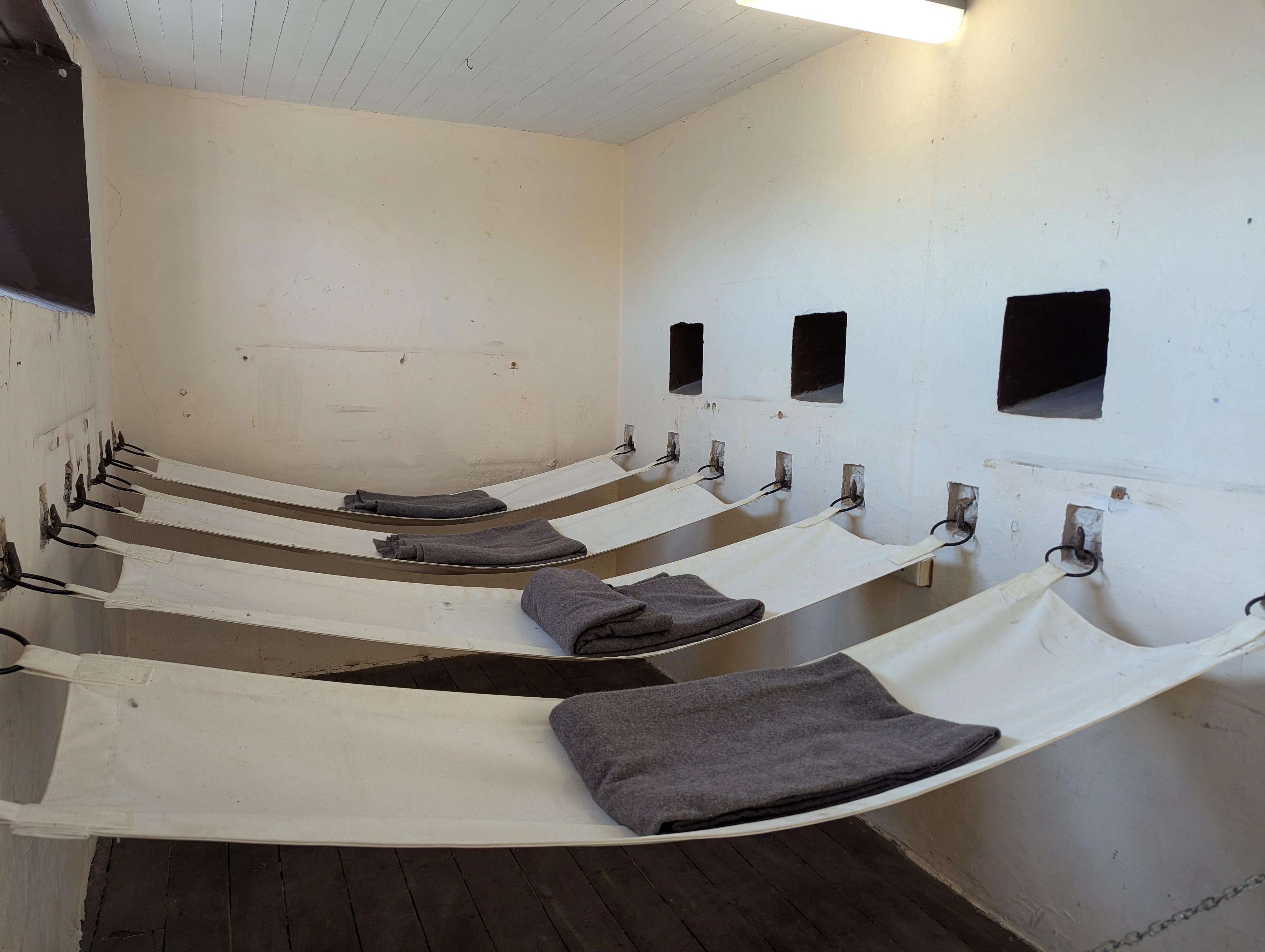
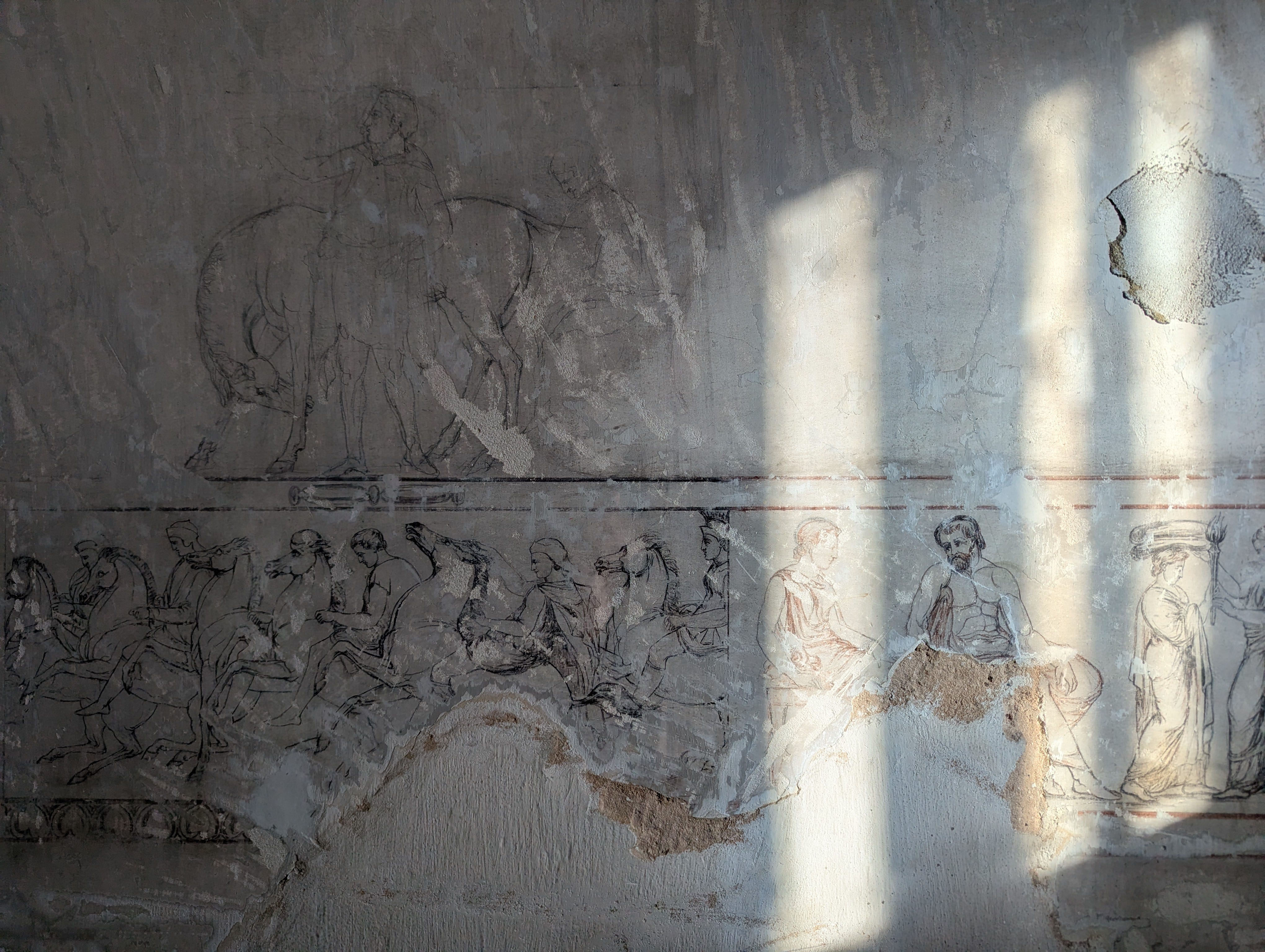
Our tour guide was a rather theatrical gentleman, recounting some of the more notable tales associated with the prison with an eccentric flair. James Walsh was imprisoned in Fremantle and his former cell is filled with detailed drawings, for which he seemed to have enjoyed a special dispensation, as they were officially forbidden.
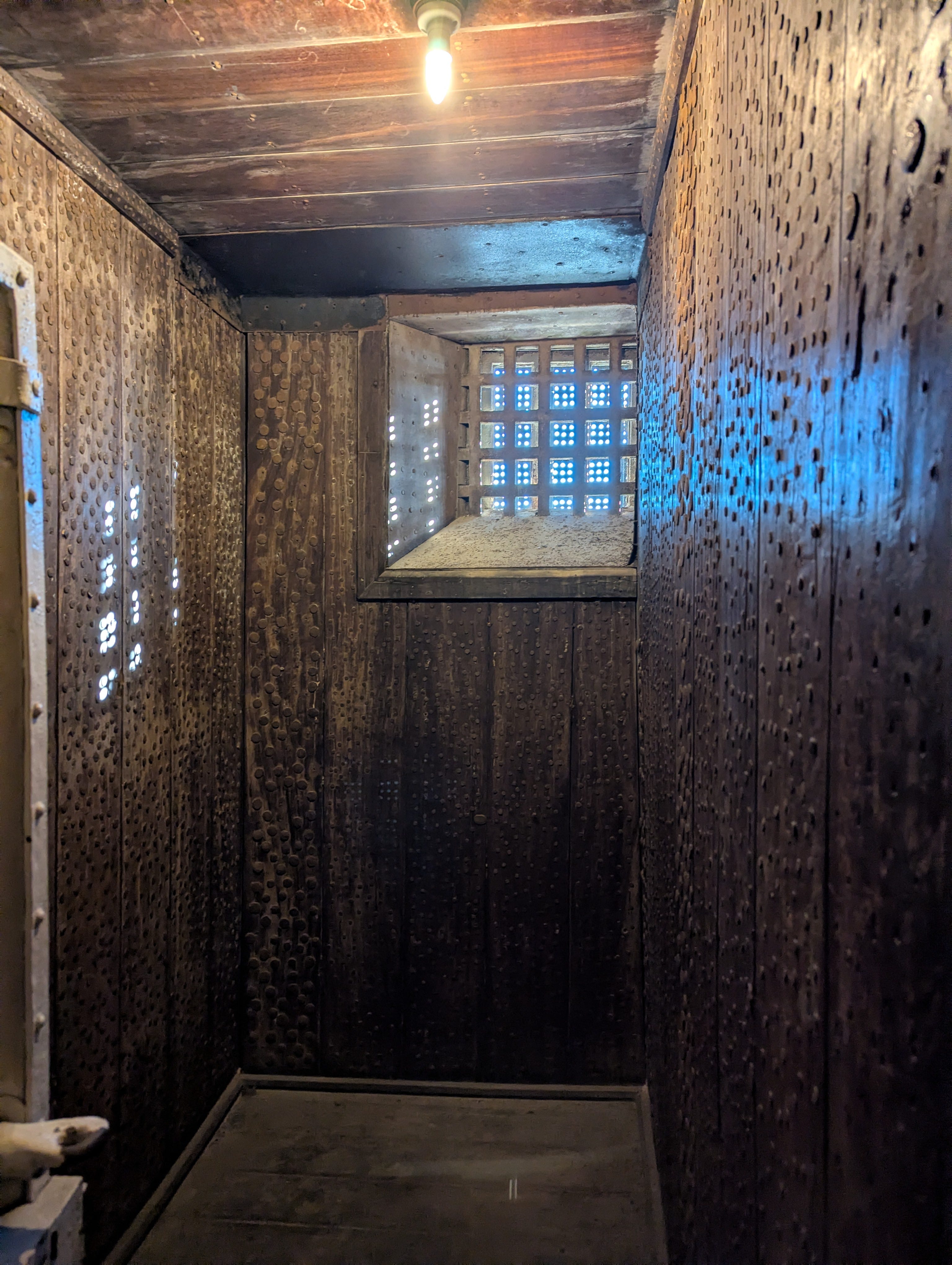
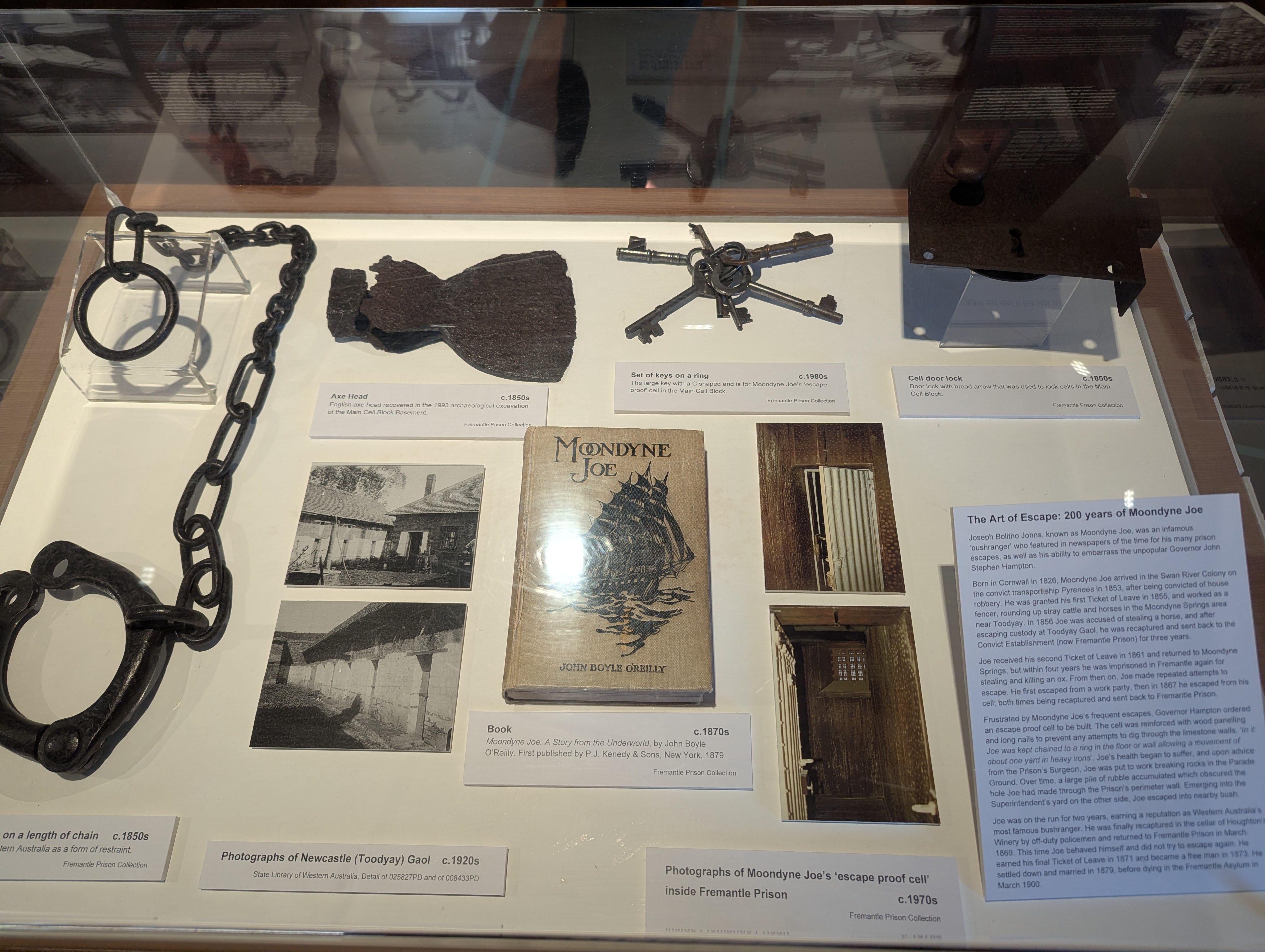
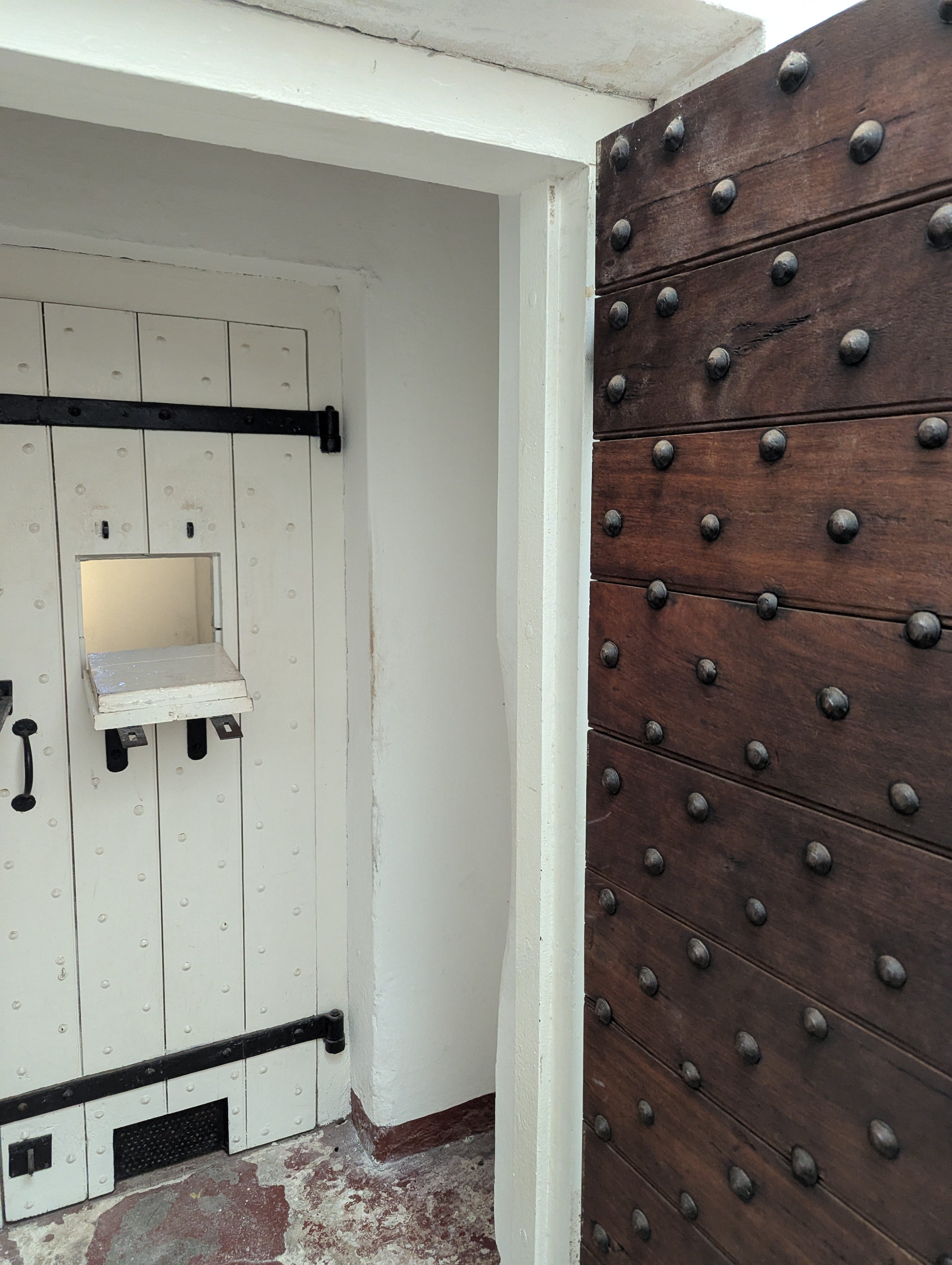
Moondyne Joe was a famous former inmate of the prison, who had several successful escapes from incarceration. The authorities were so concerned to prevent Joe from escaping that they built a supposedly ‘escape-proof’ cell, especially for him, covered with jarrah wood sleepers. Confident that he could never escape, the governor promised Joe that, if he were to escape, he would have his freedom. As his health deteriorated under the harsh conditions, Joe was allowed to break stone in the open air of the courtyard, under the supervision of the warden. However, the stone was not regularly removed and Joe’s guard was lax in his duties. While breaking the stone, Joe was also breaking through the prison’s limestone wall, escaping and remaining free for two years. He was later returned to prison, but, when the governor’s promise was discovered, he was released.
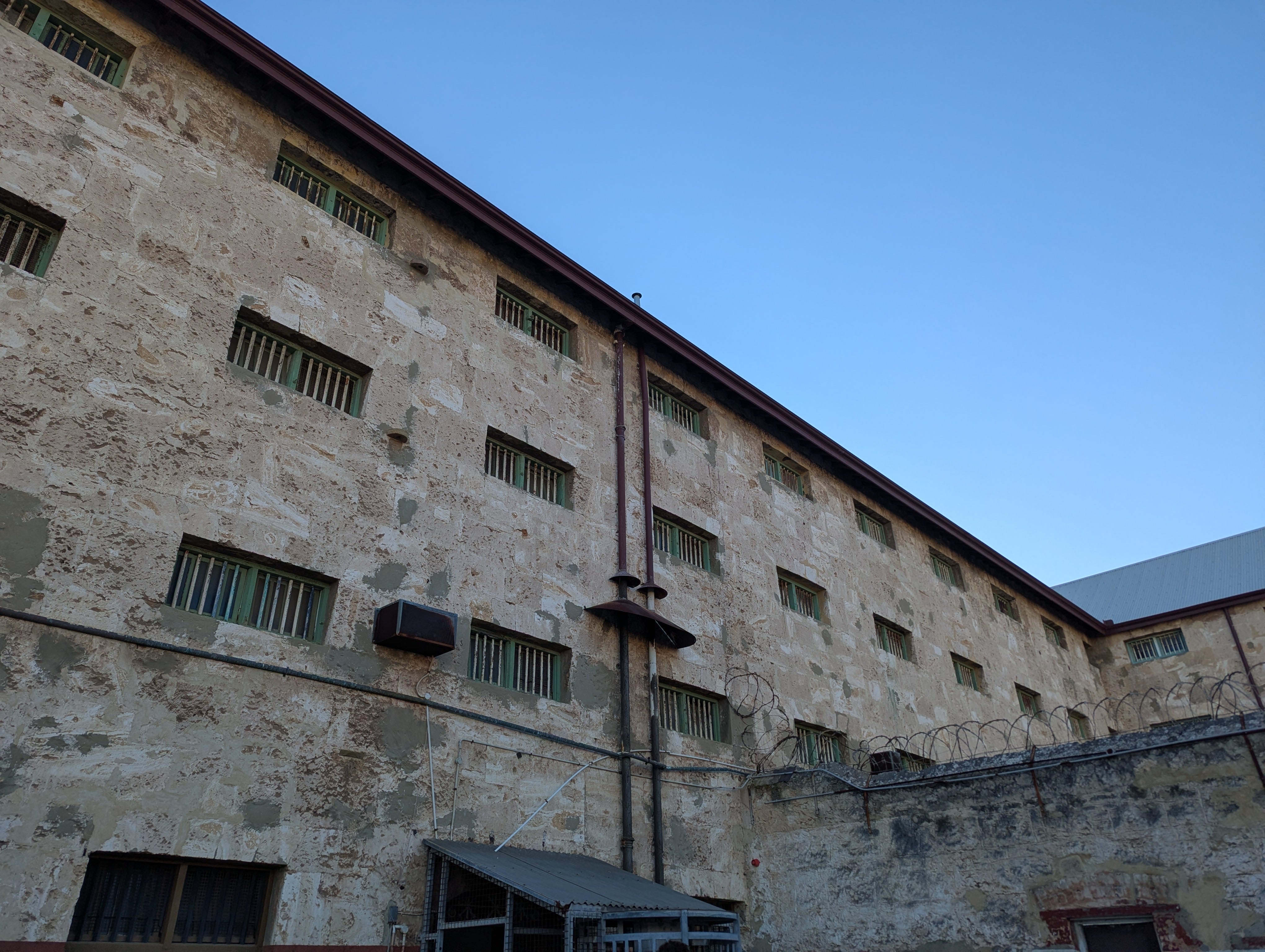
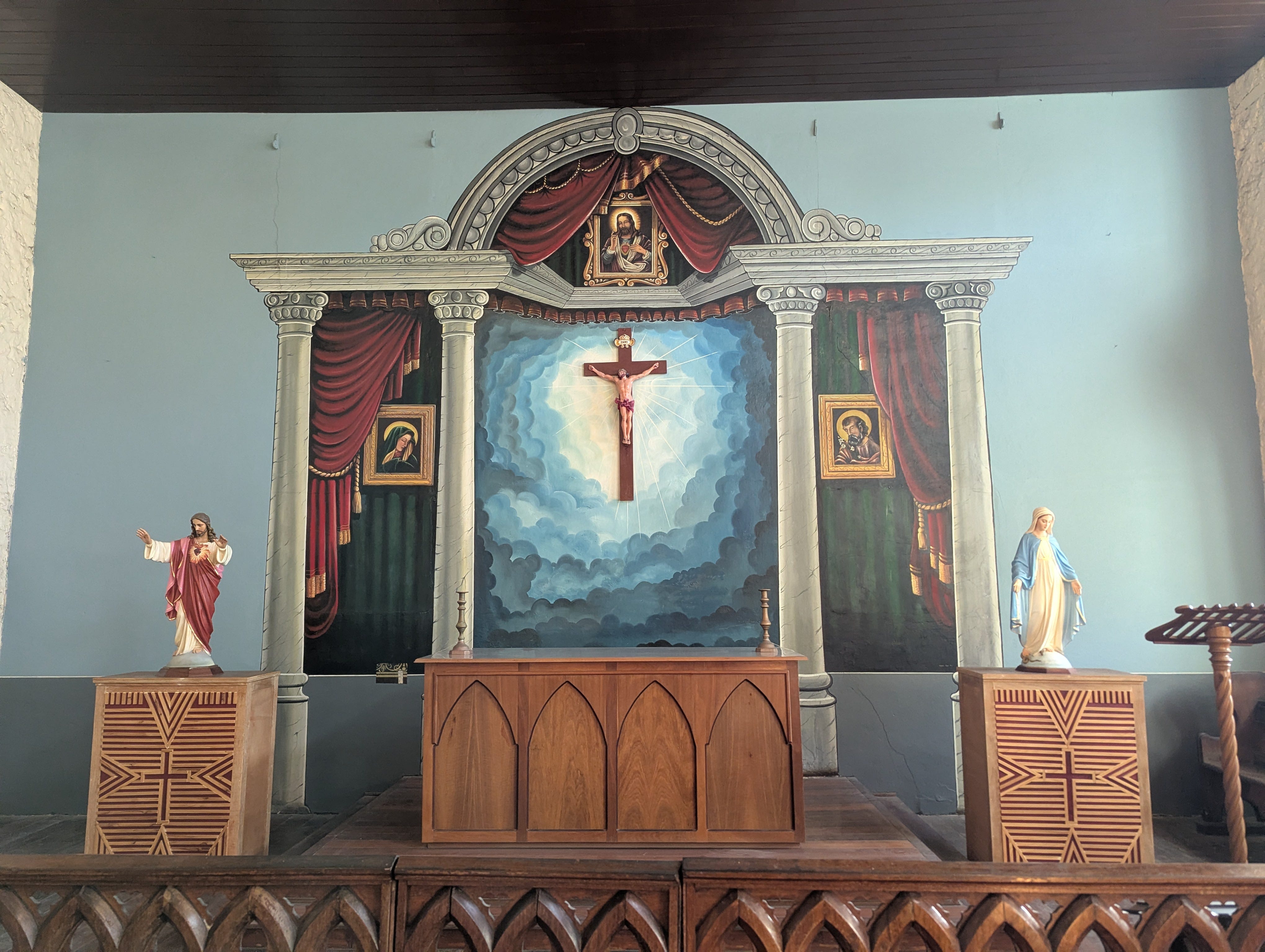
Fremantle Prison is also famous for the escapes of John Boyle O’Reilly and six Fenians. In 1869, with the assistance of a Roman Catholic priest, O’Reilly had escaped, leaving Australia for freedom on the American whaler Gazelle. Later, hearing of the plight of Fenian prisoners still in Fremantle, a rescue mission was planned. The Clan na Gael purchased Catalpa, a three-masted bark, disguising their cause by presenting it as a whaler, hunting whales for a few months in the Atlantic. The Fenians absconded while on work parties outside the prison and were picked up. The escape, however, almost failed as the colonial police pursued the absconders and sought to board the Catalpa. They were only saved by the raising of the US flag and the fear of creating a serious diplomatic incident.
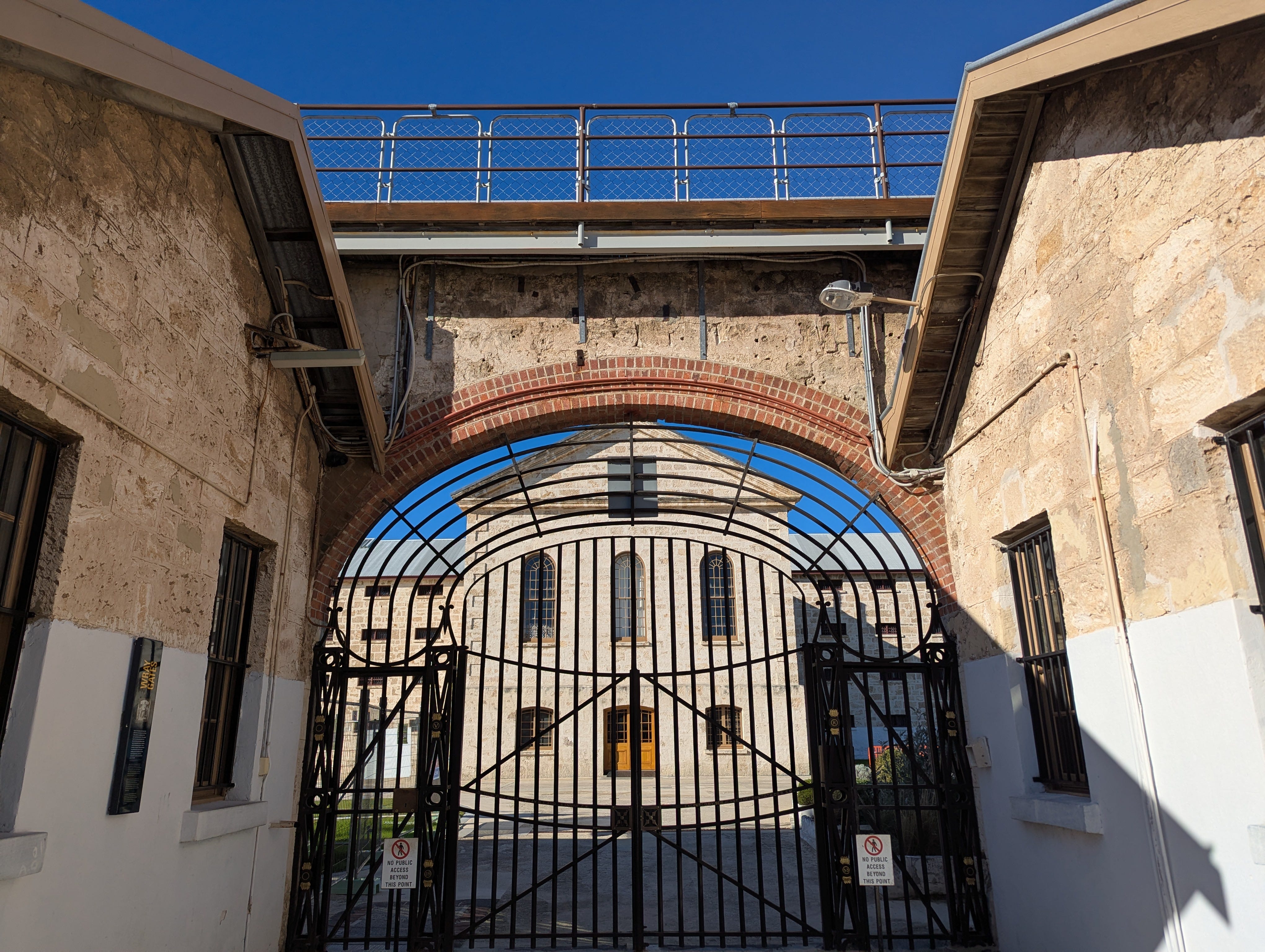
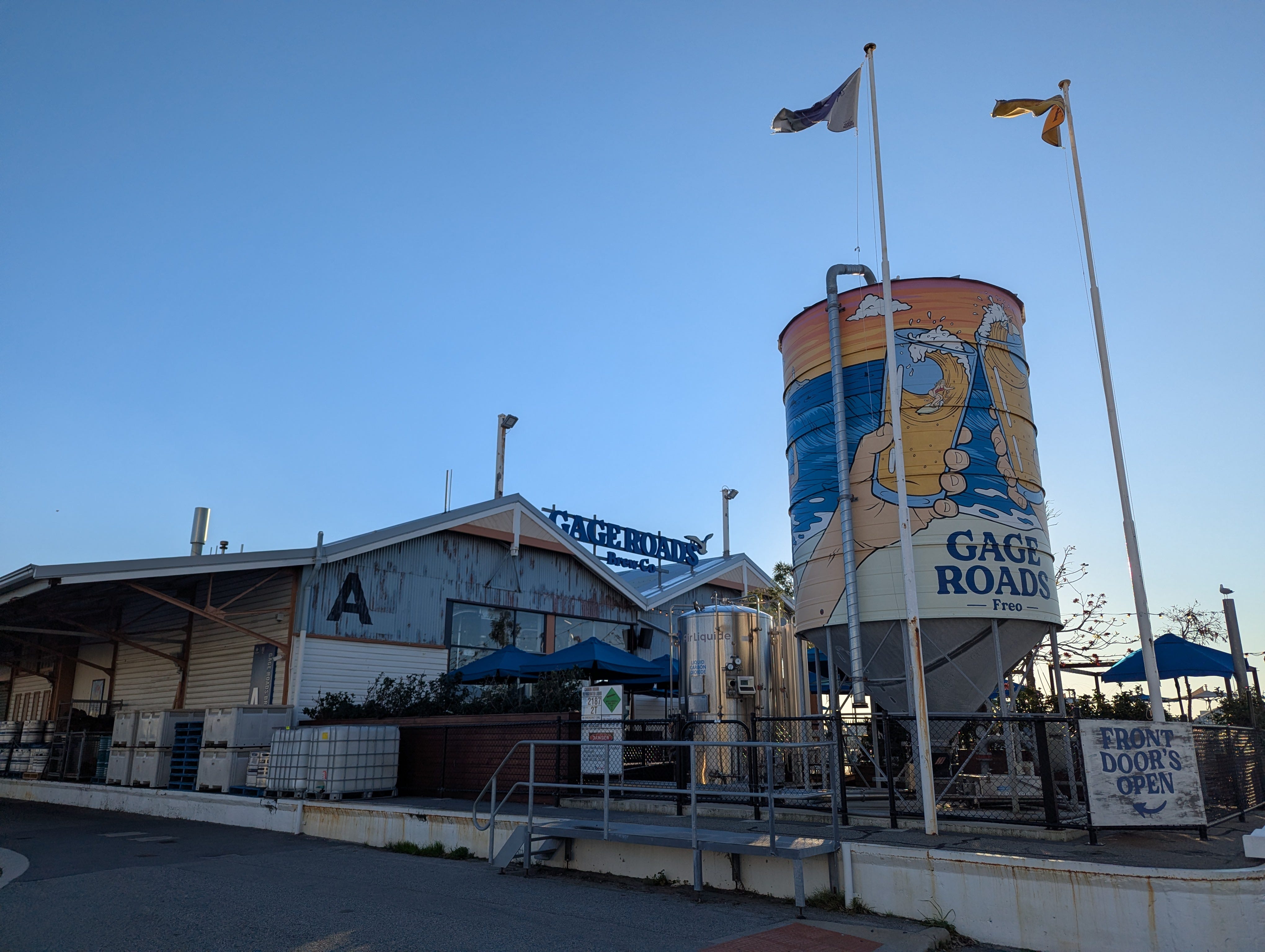
From the prison, we made our way down to the area of the Maritime Museum, having a drink at the Gage Roads Brewery and watching the sunset.
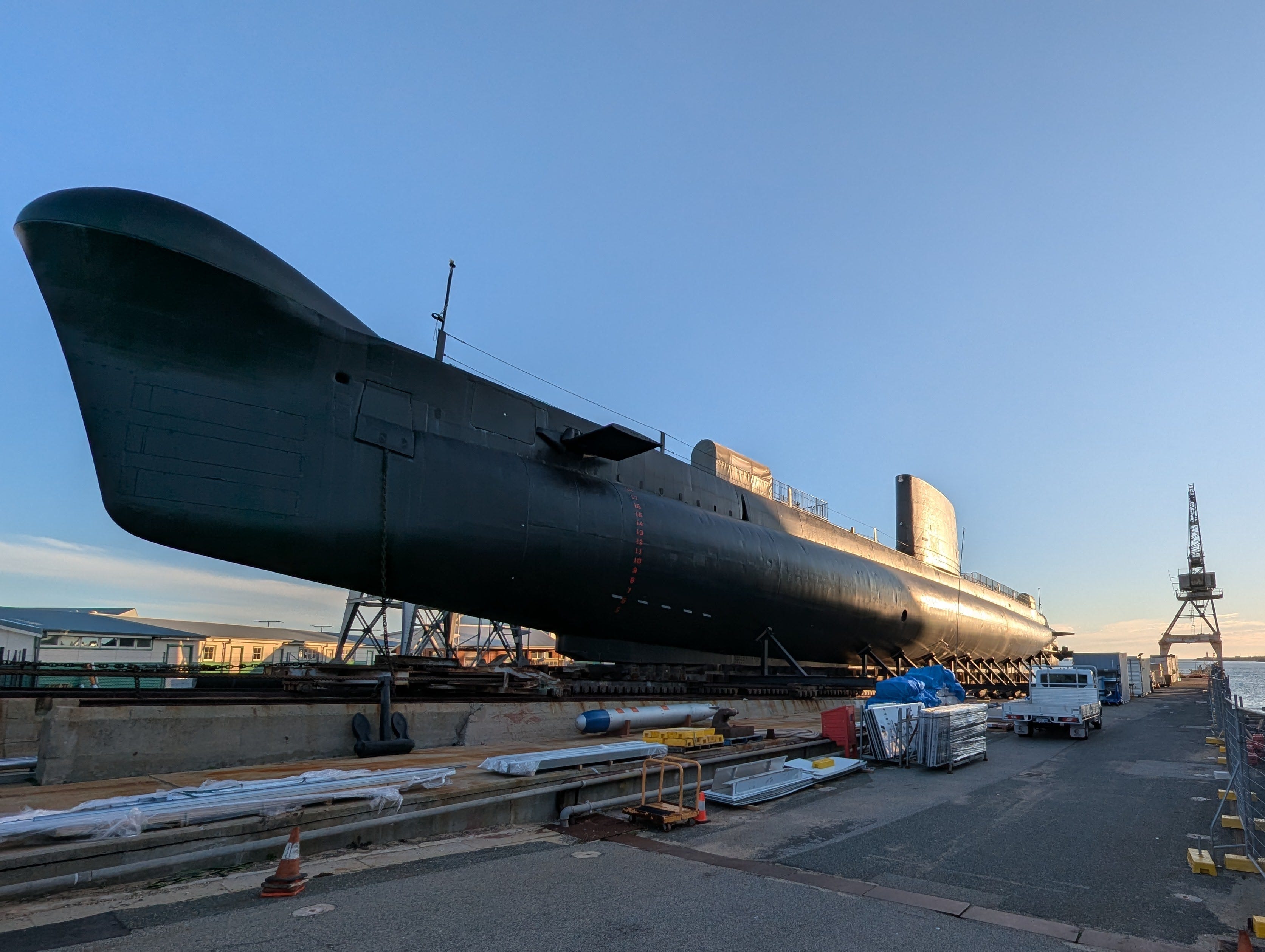
Matt then brought me back to the Shiners. Having the chance to speak with Matt at length was a blessing; I was also struck by how generous he was in giving so much of his time on his birthday.
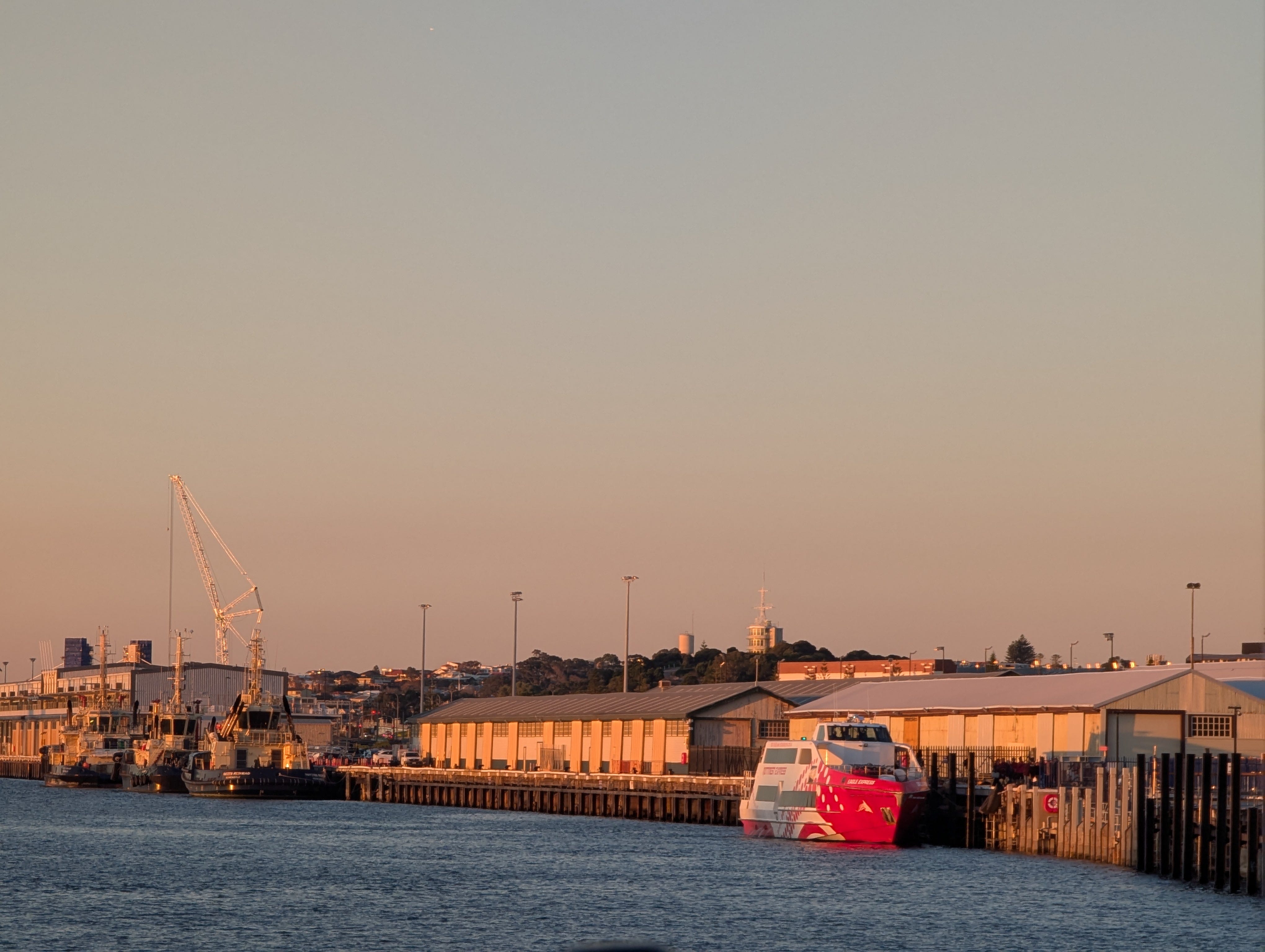
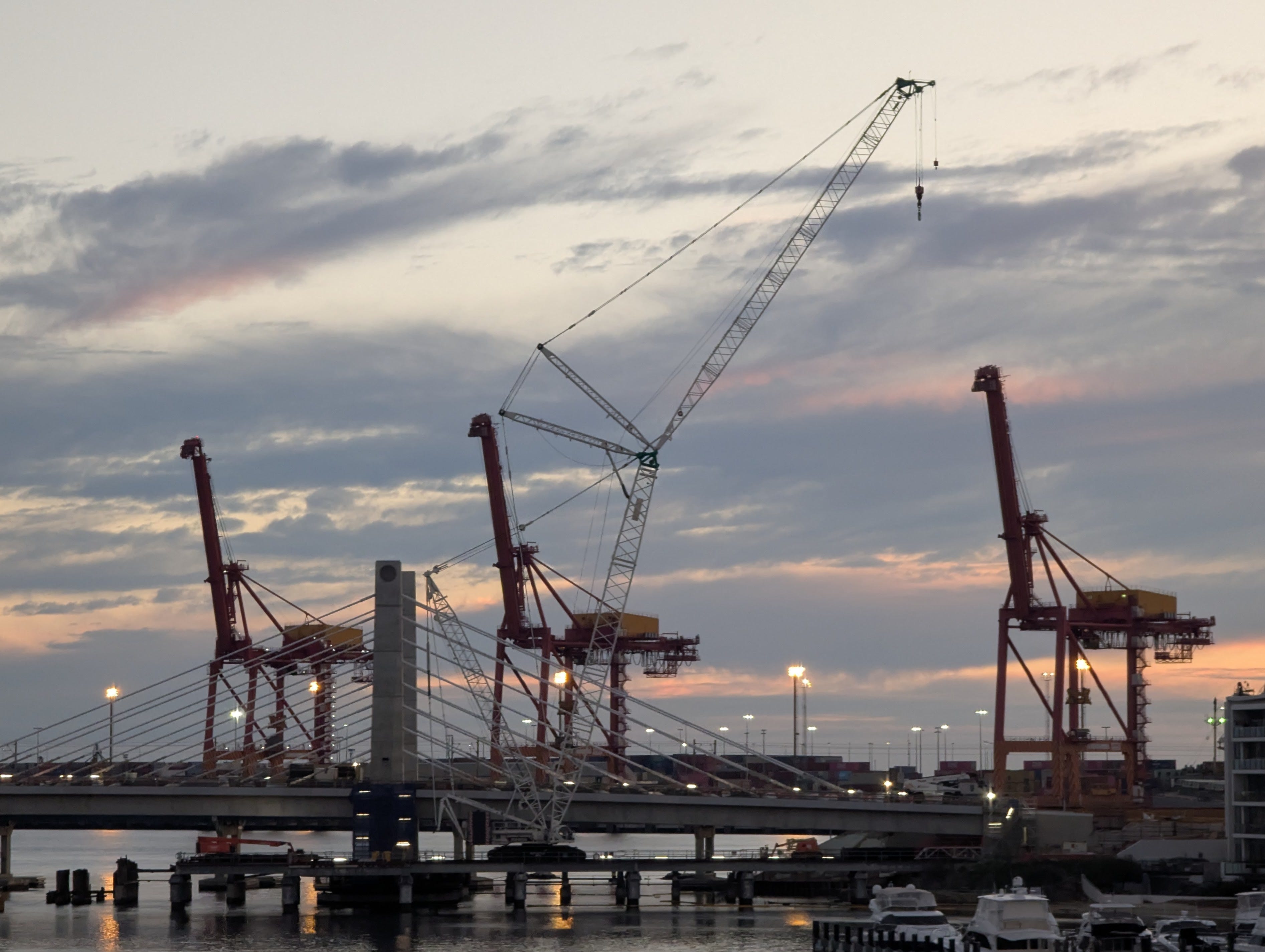
After I finished my packing at the Shiners, Rory drove me out to the Optus Stadium, where we met up with a couple of others for a final meal and walk before I left.
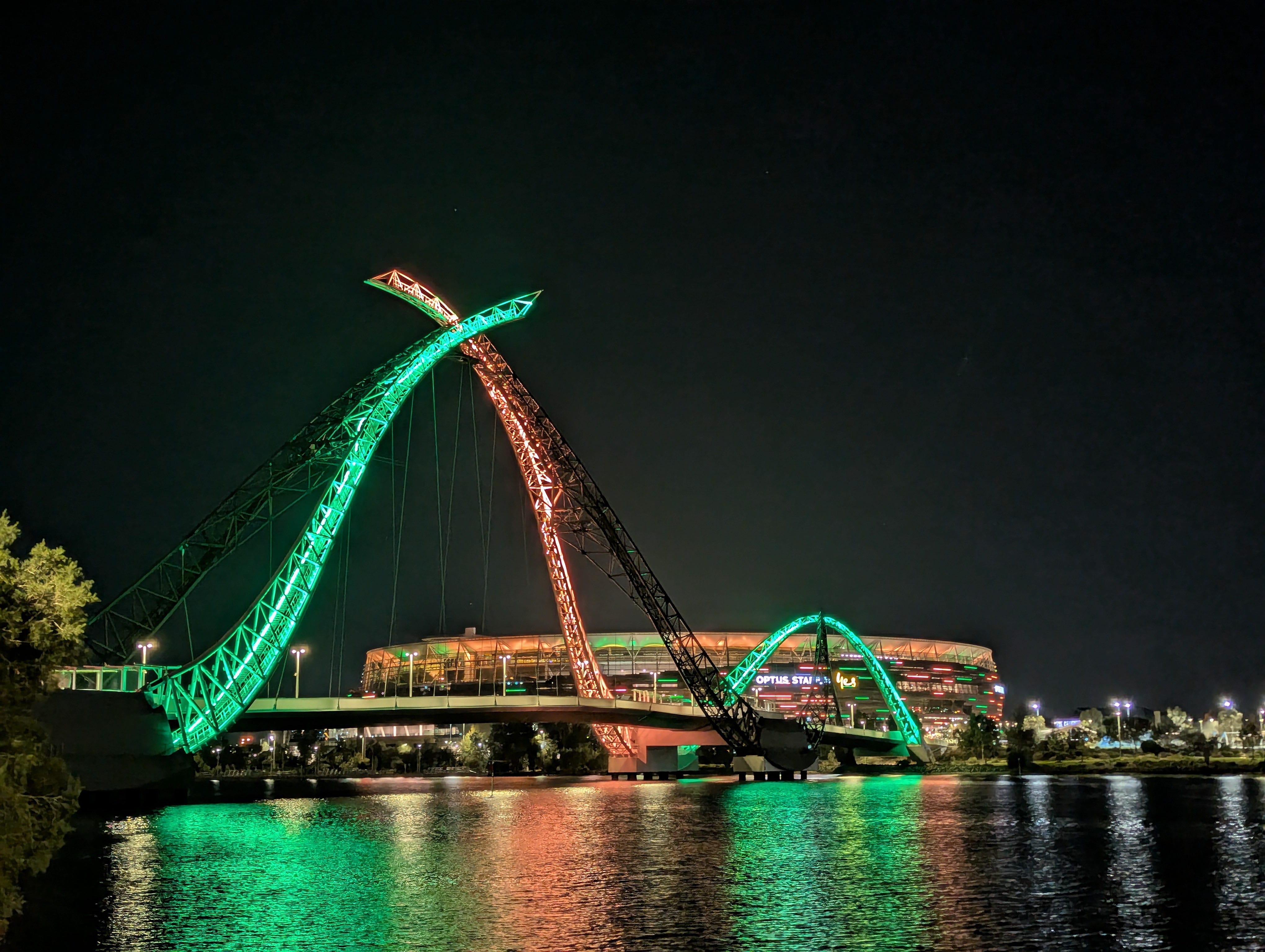
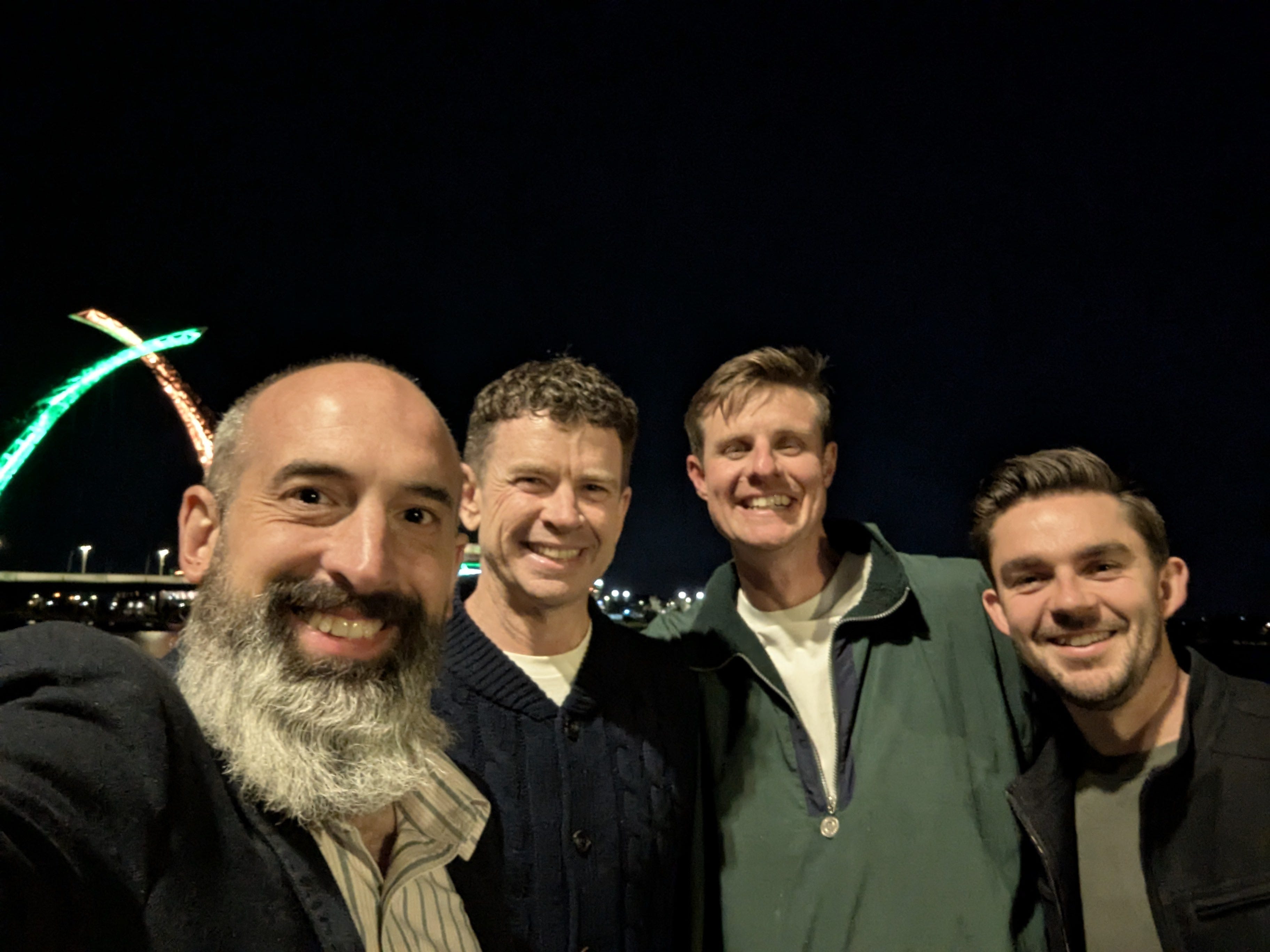
The kindness and hospitality I have received over my trip has been remarkable: everyone has been so generous and welcoming. I was also introduced to vegemite and had my first Tim Tam Slam. I very much hope to have the chance to return to Australia some day, ideally with Susannah!
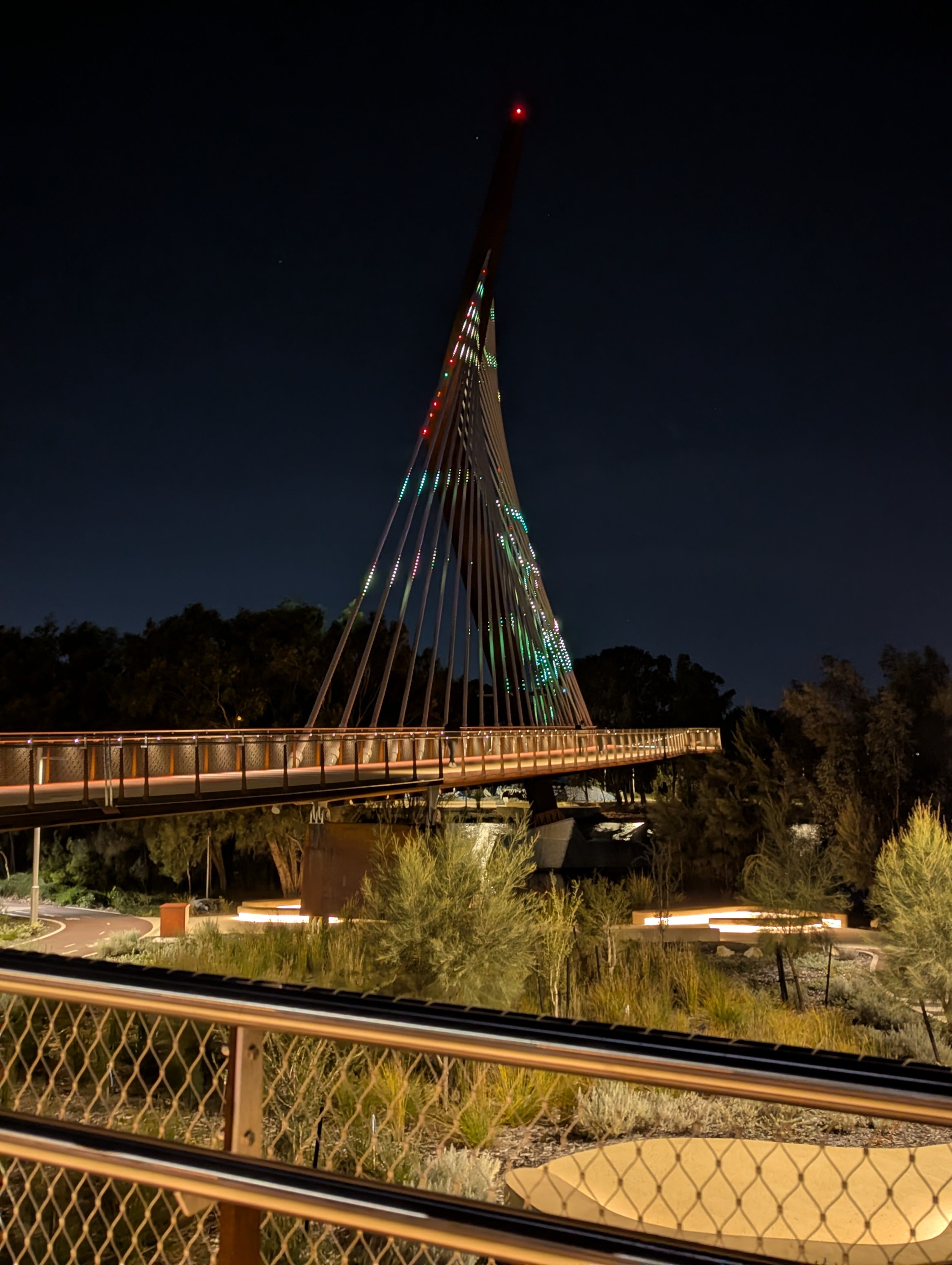
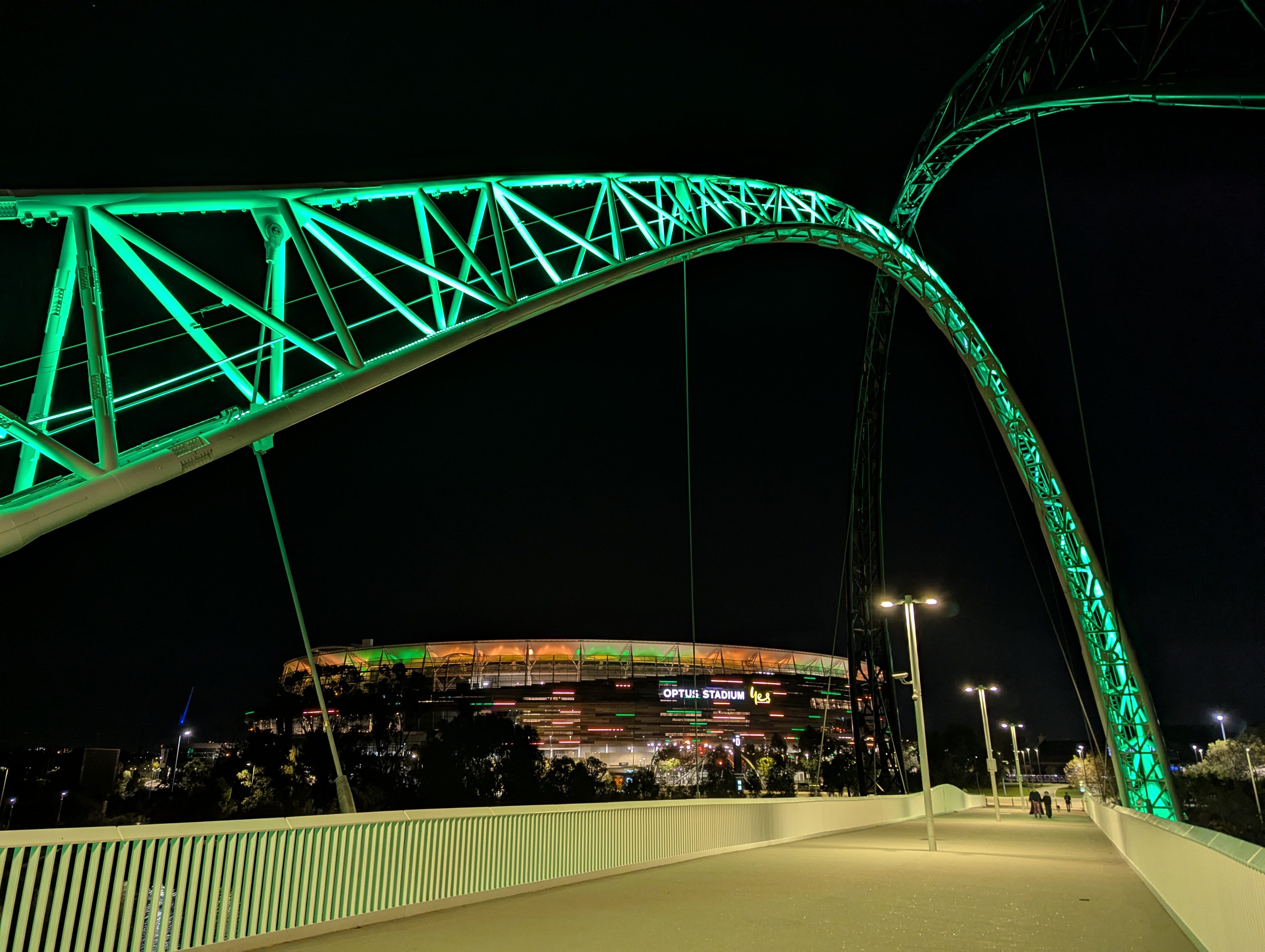
I flew out of Perth just after midnight, meeting up with a young man who had attended my AI talk at the gate; I had known his father for years online, and had had the opportunity to talk with him more in person during my visit.
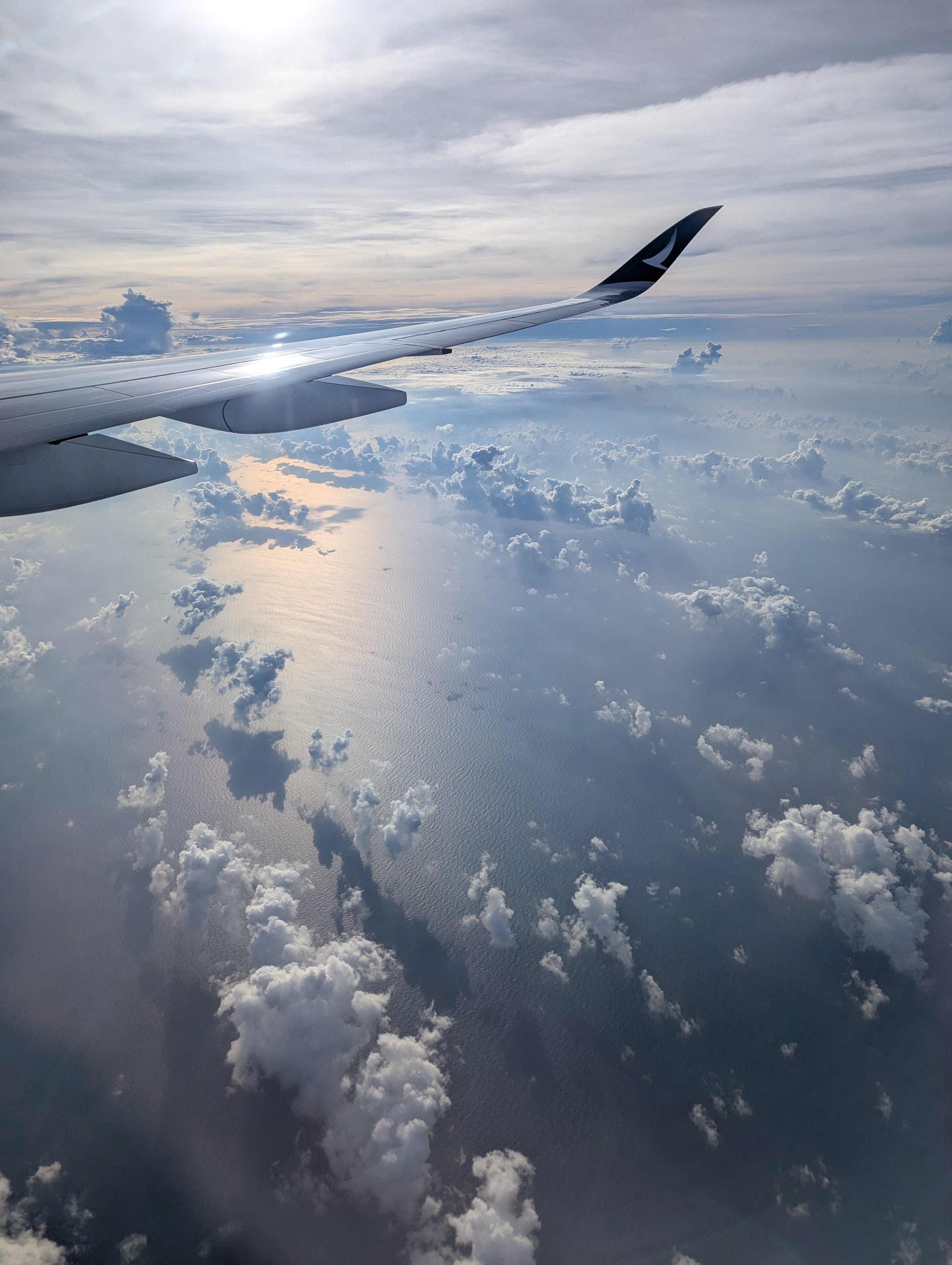
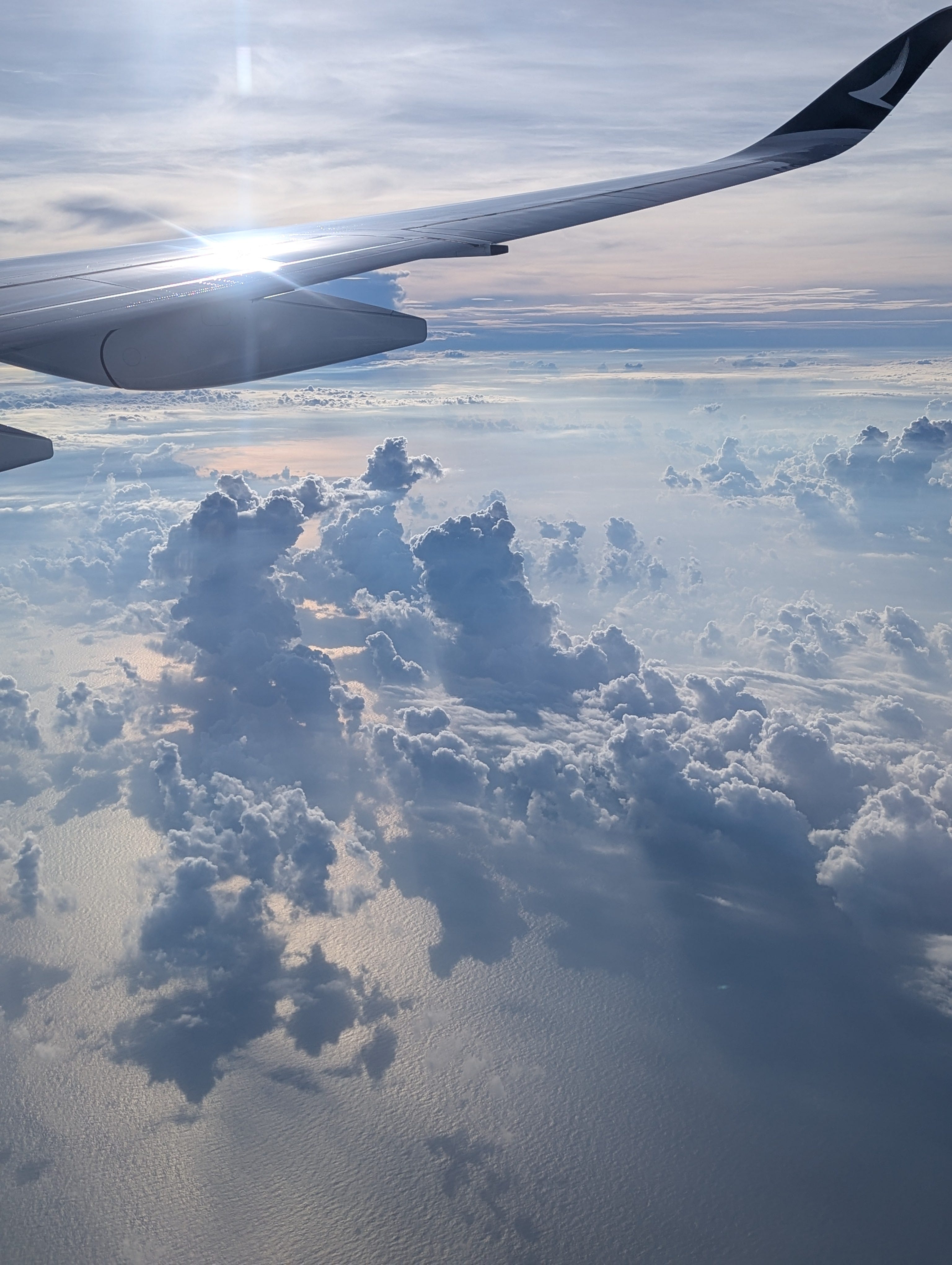
The return trip was a gruelling one: over eight hours from Perth to Hong Kong and then over fifteen hours from Hong Kong to New York City. In all, the journey took me thirty-one hours.
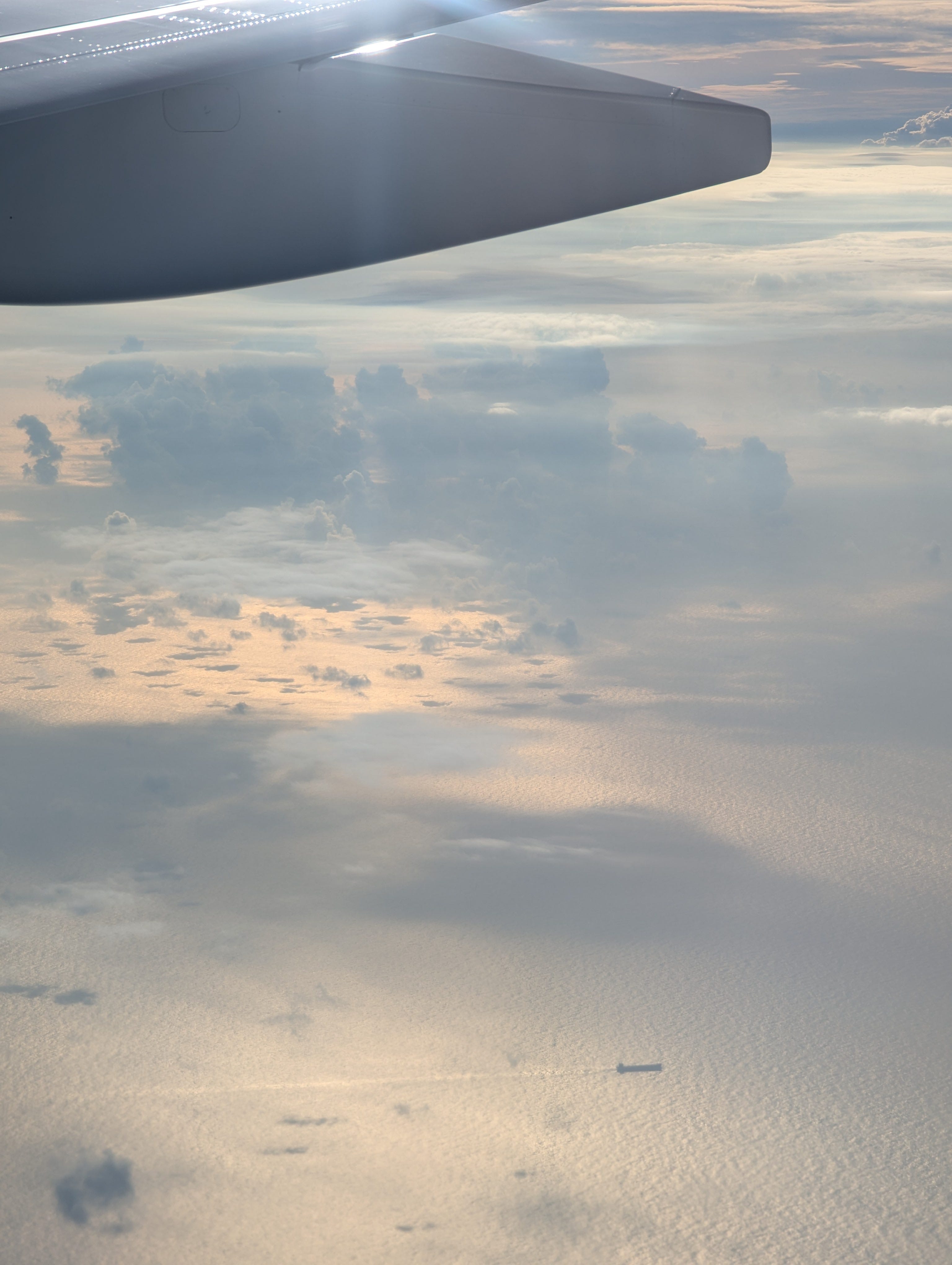
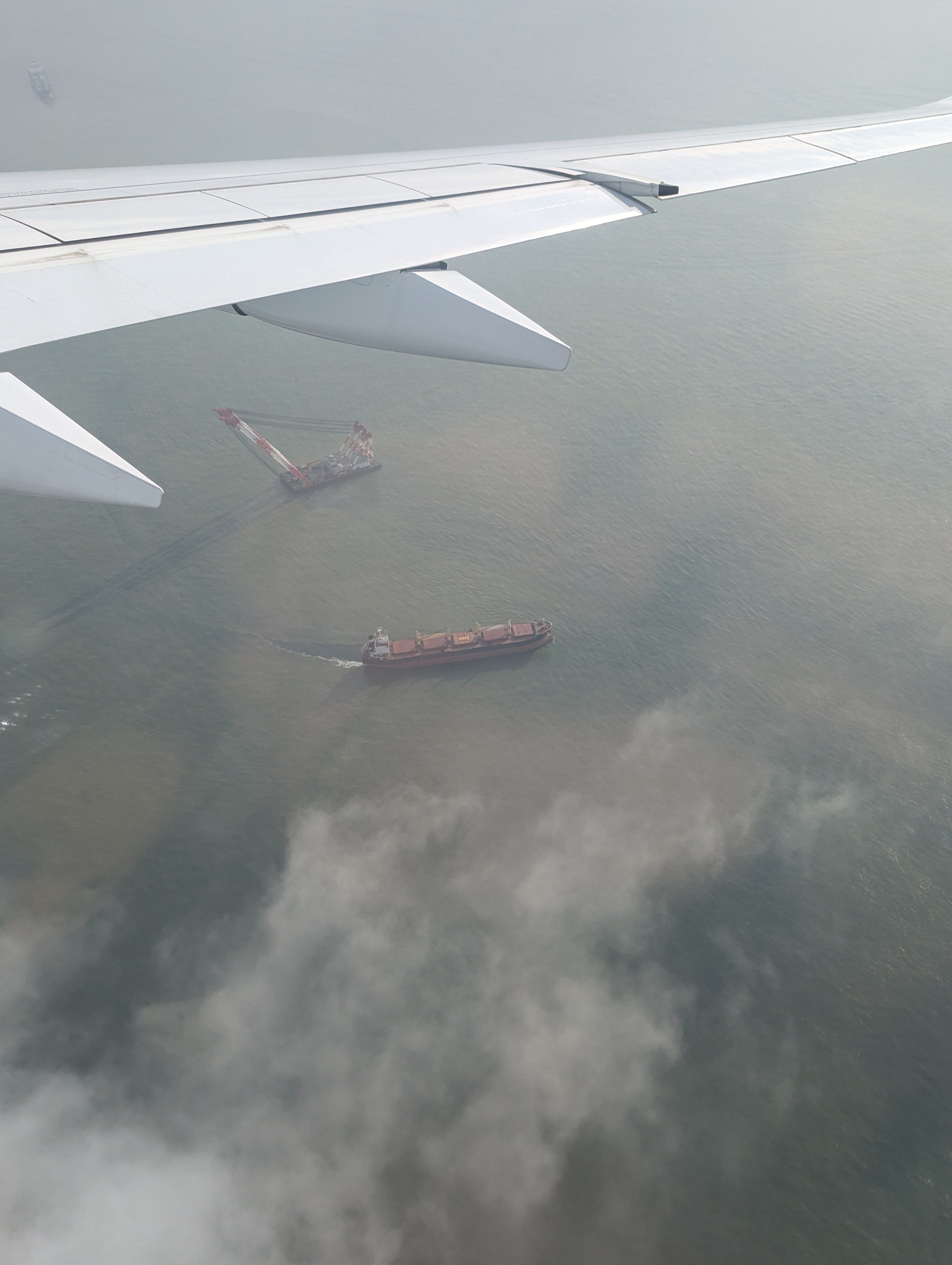
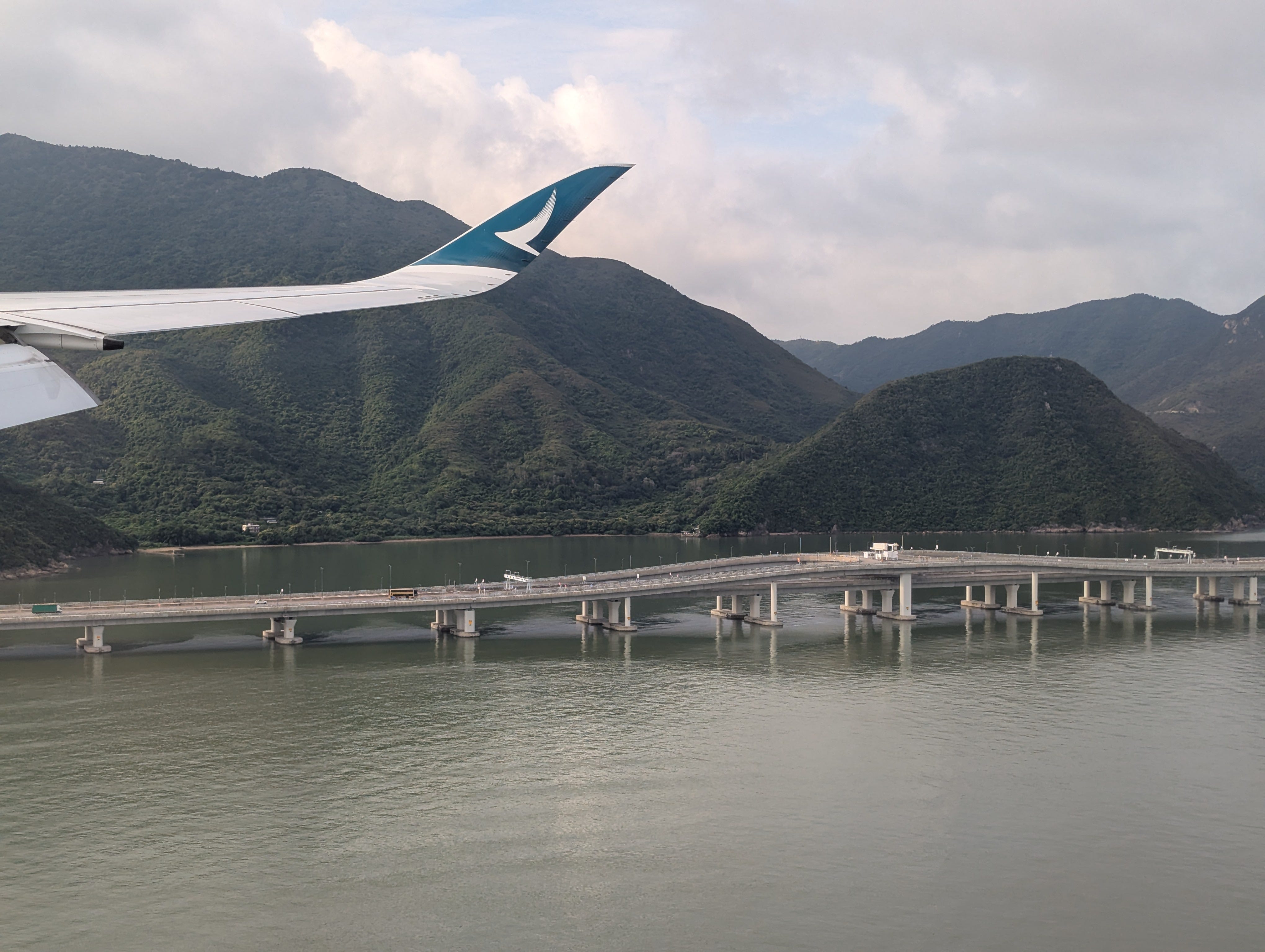
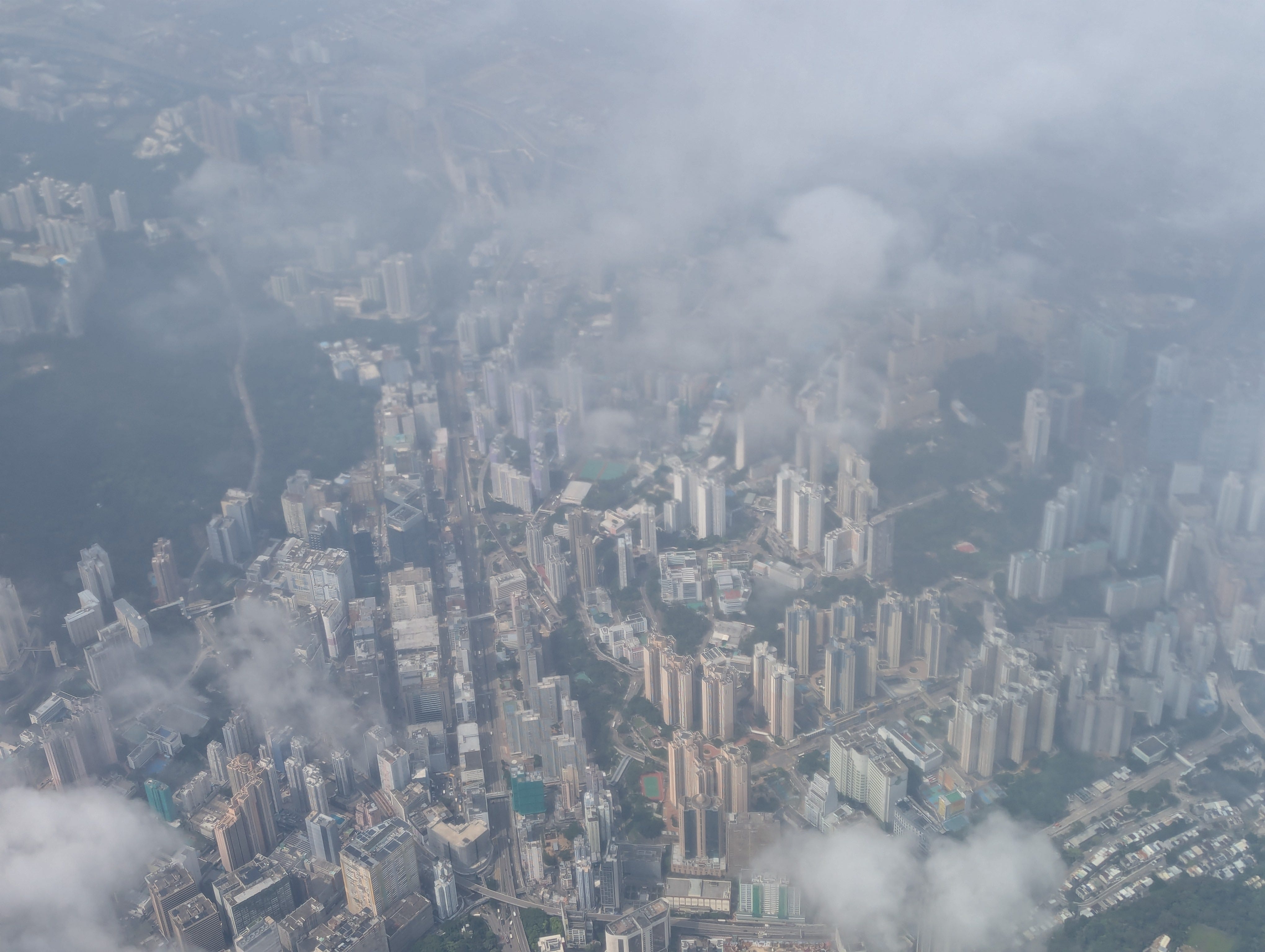
I did not sleep much on the flights, unfortunately, so was wiped out when I arrived back. However, many of the views from the air were remarkable, especially when flying over Hong Kong.
The last three weeks have involved:
26 talks
Dozens of new people met
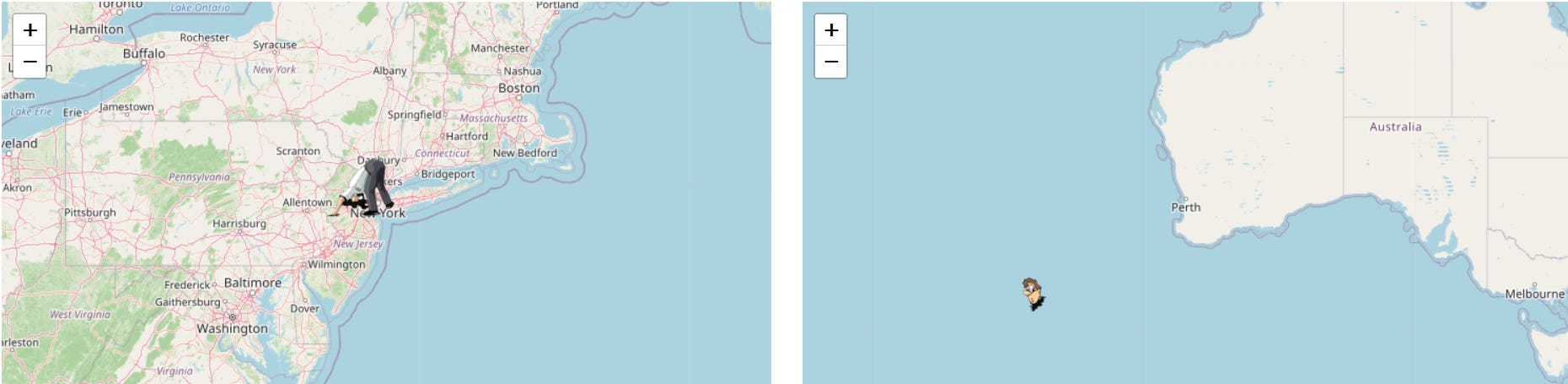
52 hours of flights (16550 miles)
29 hours of driving (650 miles)
Northeastern, northwestern, and western American coasts. Southeastern and southwestern Australian coasts.
Visiting the closest city to the opposite side of the globe from NYC.
It was an incredibly blessed and memorable trip. It is very good to be back home!
Susannah:
I have spent the last two weeks or so in something of an altered state: I have, for nearly the first time in my life, been experiencing sports-related emotions.
For the Knicks-Spurs game on June 10th, I was up in Connecticut with my family, celebrating my mother’s birthday. The house, which was built in 1783, has not been modernized — we use kerosene lamps — and is also in a cell phone dead zone. This led to my brother, monitoring the game, lurking outside for a lot of the night, trying to refresh his feed, trying to coax information out of the one bar of signal.
He told us next day that they had won, and attempted to explain why this was a big deal, and somehow something happened, and I became very invested. And then Game 5 happened, and I was watching it with Toby and two of his high school friends, and all of the things happened, and suddenly I was a sports fan. New York became somehow this magical joyful place of unity and victory. “It feels like the opposite of 9/11,” was how someone put it.
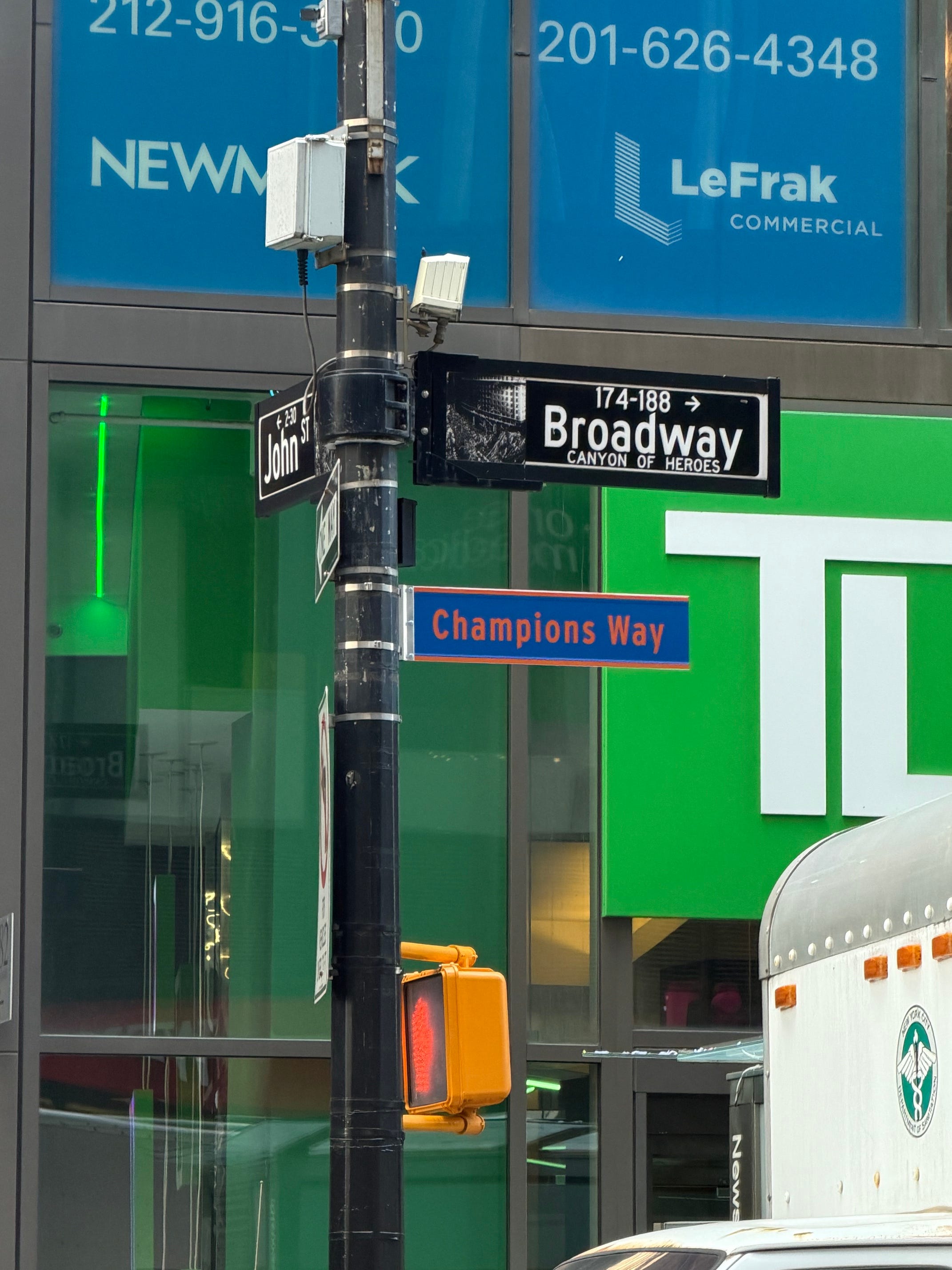
Last Thursday, the day of the ticker tape parade, I was shepherding Plough’s cohort of interns around for their NYC Media Glamour Day: We visited various people’s offices; we went to the Hotel Algonquin for iced tea (it was too early in the day for cocktails); we met up with Hannah Long (from Harper Collins) and Valerie Pavlionis (from the Dispatch) and Santi Ramos (my Plough colleague) for lunch; and we went down to the site of the parade a couple of hours after it had ended; the streets were still full of blue and orange confetti.
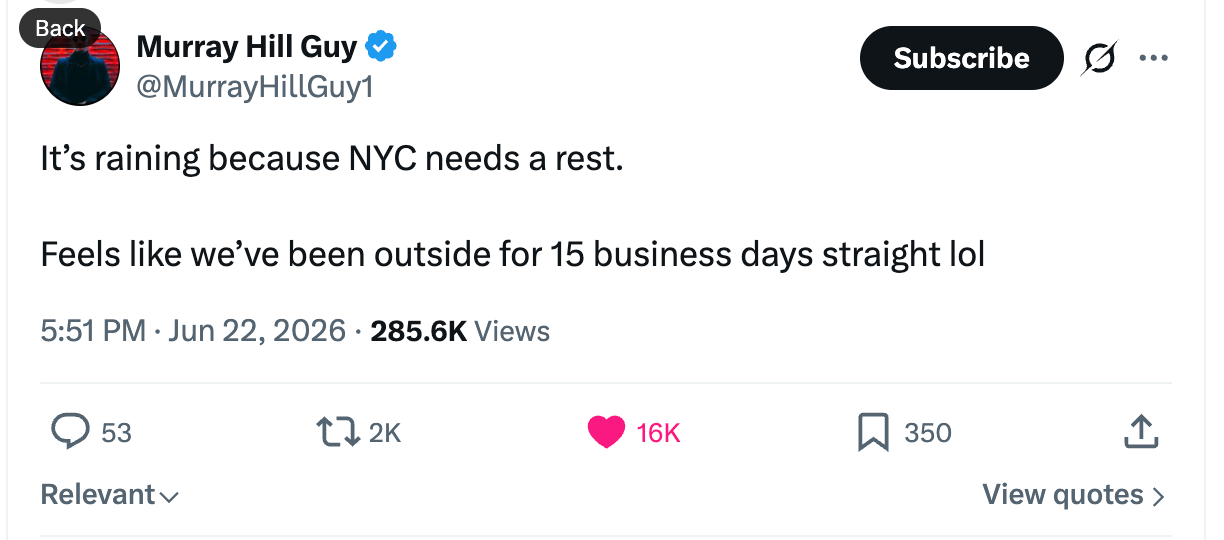
The sense of exhilaration in the city has not faded. From Monday:
But I’m out of the city, at the moment. I’m headed up now to the Mount, the Bruderhof’s high school, which is in an old seminary on the Hudson, for our Young Writers’ Weekend, the capstone to the internship program. I’ll be giving seminars on pitching and writing, taking part in various discussions, and encouraging young people to enter the obviously thriving and not at all imperiled field of magazine journalism. If anyone wants to get their hands on the materials I use for these seminars — my guide to pitching and writing for Plough and other Little Magazines of our ilk, with a special focus on How to Write Something Much Better than a Thinkpiece, message me.
Other things I’ve been up to, while Alastair was in the Antipodes (crucially not getting bitten by spiders):
— Finishing the new encyclical
— Spending an absolutely wonderful long time with my brother, sister-in-law, three year old niece, and six month old nephew: we spent a long time up in Connecticut, eating ice cream and swimming and going to the glorious and important Abbot’s Lobster-in-the-Rough, and then, back in the City, we went to the Natural History Museum to see the dinosaurs and the giant whale, and to the boat pond to sail model boats (my brother read the three year old Stuart Little aloud one and a half times over the course of three days, and she was very very excited by this.)
— Going to a discussion between my friend Sam Kimbriel and Jack whatshisname, the Anthropic co-founder; this was a confusing time for me because I am deeply suspicious of all such things but Jack’s accent and vocal timbre reminded me intensely of both Benedict Cumberbatch and my absent husband
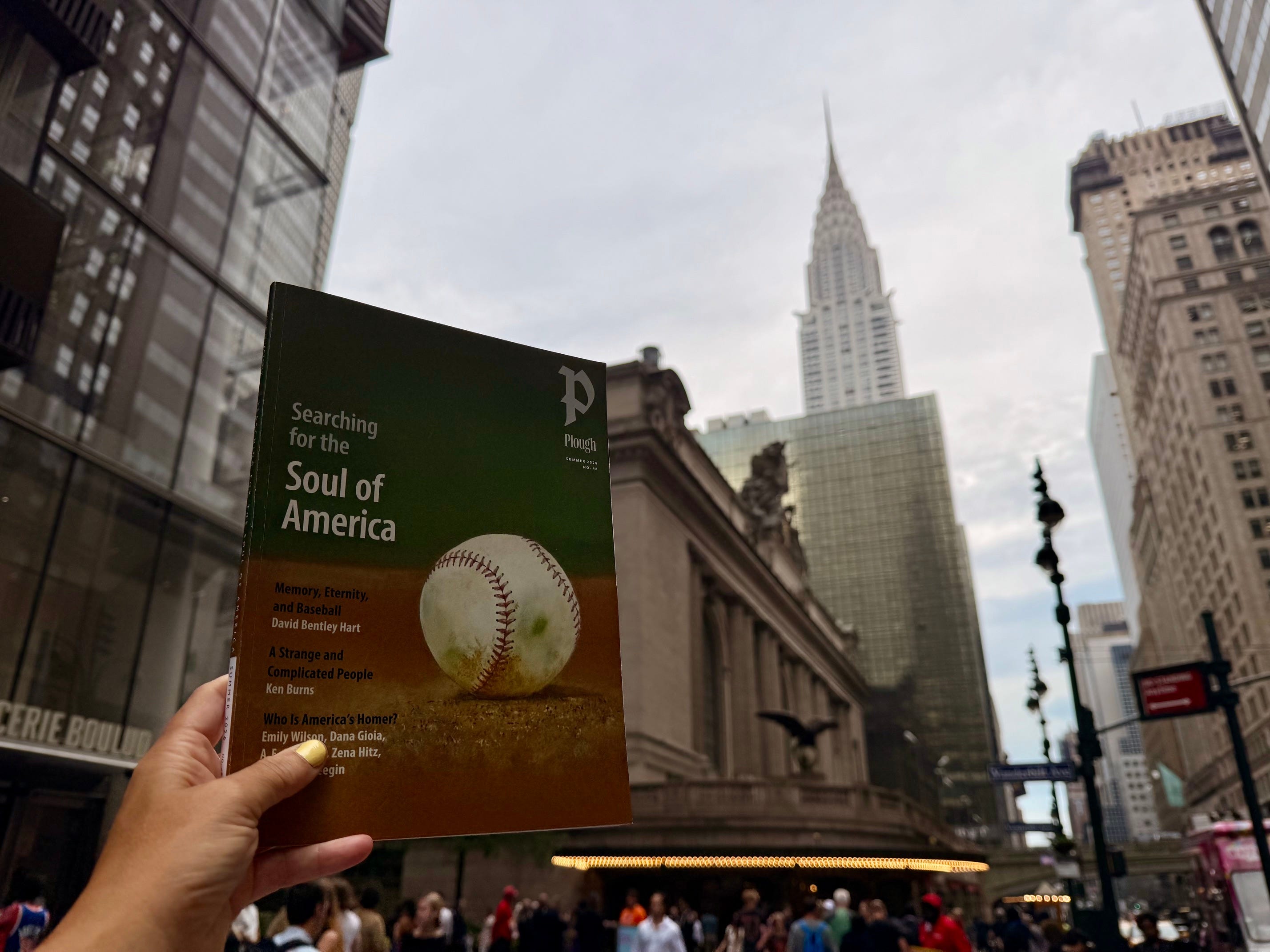
— Finishing work on our Soul of America issue, available here!
— Doing a ton of genealogy (I think this is bad for the character)
— Meeting up with all kinds of folks
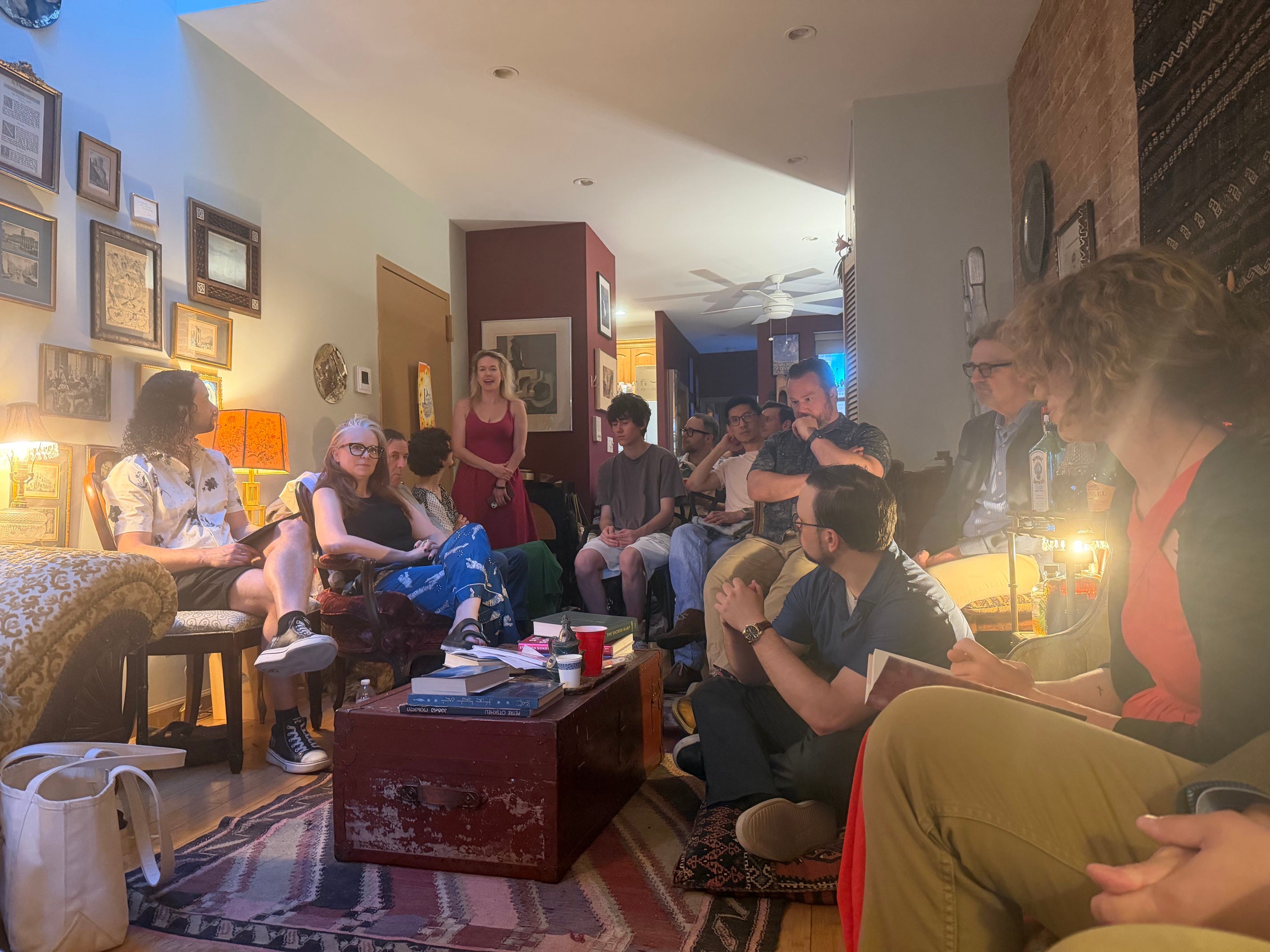
— Attending a launch for my buddy Ian Corbin’s new book, To Arrive Where We Started.
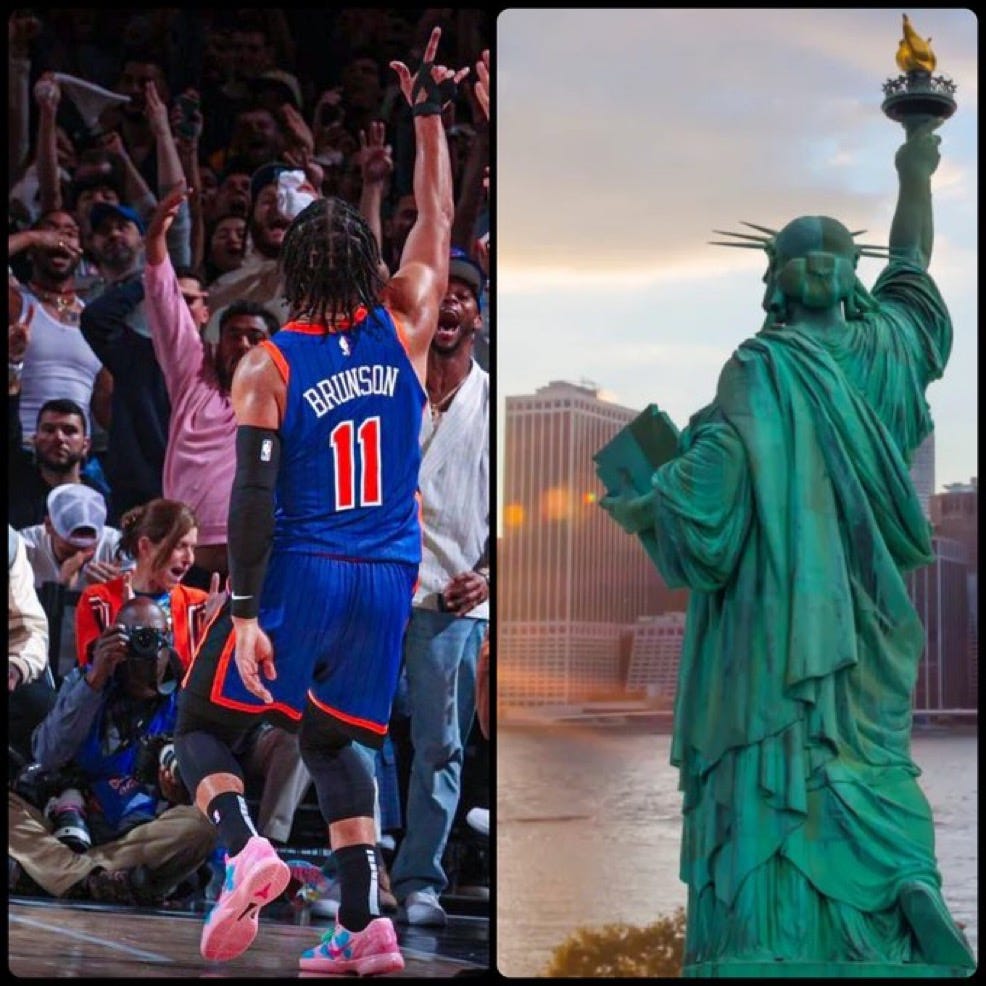
— In preparation for July 4th, getting very emotional about John and Abigail Adams’ relationship, and channeling my NYC/Knicks related patriotism into generalized Americanism.
For our next Substack, I’ll give my report on what we get up to at Young Writers’ Weekend.
O’Donovan on Ius Ad Bellum
I recently reread Oliver O’Donovan’s perceptive little book, The Just War Revisited (2003), in preparation for our discussion of Christian witness in an age of war in our church.
In one section that I found especially thought-provoking, O’Donovan reminded his readers of the classic just war thinkers’ tendency to argue that soldiers should presume the justice of their prince’s cause, unless they had persuasive reason not to do so. O’Donovan contends that, perhaps counterintuitively, this allows for much searching moral reasoning.
Among other things, O’Donovan has been downplaying the load-bearing importance of the differentiation between ius ad bellum (the question of the justice of resorting to war) and ius in bello (questions of justice in the conducting of war). Drawing an overly sharp line between peace and war can treat them as belonging to completely different genera, governed by different principles, as if just judgment must cede the field to pure antagonism and unmediated conflict in the cause of survival. O’Donovan’s core argument in the book is that ‘armed conflict is to be re-conceived as an extraordinary extension of ordinary acts of judgment’ (14), and therefore governed by the principles that govern acts of judgment more generally.
Approaching war with an excessive emphasis upon the question of ius ad bellum and the supposed completely exceptional character of war, there is also a danger of reasoning from the supposed justice of our prince’s decisions in going to war to the justice of our participation and an overly permissive assessment of the actions seemingly required in the waging of it. An excessive emphasis upon questions of ius ad bellum and our prince’s decision in the matter can cause us to lose sight of the distinct character of specific acts of judgment: our judgment concerning the justice of the war eclipses all else, including ongoing deliberation upon our specific acts and forms of participation in it.
O’Donovan cautions that this can treat the decision of the prince as if it were the only thing that really mattered and also places the ordinary person in the position of having to found their participation upon their deciding of questions they are profoundly unequipped to address, not having access to much of the relevant information. Presuming the justice of the prince’s decisions allows for far more penetrating works of ethical deliberation, as such deliberation must start and focus upon that which is most accessible, immediate, and salient to us: our own actions. This does not exclude the possibility that we might arrive at the justified conviction that our superiors’ processes of judgment are fundamentally compromised in ways that make continued co-operation impermissible. But we do not begin by trying to settle the big questions to which we have the least access.
Loss of this deliberative perspective in the modern world has helped to empty the citizen’s responsibilities of practical significance, reducing us all to the status of amateur journalists and commentators. ‘Are you in favour of, or against, United States policy?’ That is the only form, apparently, in which a moral question about war can ever be put, even to those of us who are supposedly citizens of other countries which have their own policies. As soon as the first hint of future conflict passes across the airwaves, we are all on hand with our own editorials, condemning or supporting the hostilities before a shot has been fired, castigating the United States or being loyal to it, vigorously promoting that polarisation of public opinion which in our wiser moments we deplore. The opinionated public constitutes a positive obstacle to deliberation about the praxis of judgment. It does the opposite of what citizens of a state at war ought to do, which is to deliberate with their government and army, so providing a sounding-board for the serious exercise of judgment on alternative courses of action. A deliberating public would move forward with its military and political representatives from situation to situation, treating each next decision as different from the last one, listening to reasons with an open mind and asking demanding questions about the explanations offered, bearing in mind that there is much it cannot know, but also that there is much they cannot know either. A deliberating public would keep the scope for judgment open at each step, not foreclosing future history with a stonking battery of Yes or No let fire on Day Minus One. A deliberating public would elicit a more conscientious performance from its representatives, political and military. And a deliberating public would observe much more sharply if the point were reached at which those representatives stepped outside the praxis of judgment and reverted to the lawless extravagances of antagonistic confrontation. The worst crimes in war tend to be committed later in its course, when patience and discipline have worn thin. But by the time the leaders of the nations are driven to resort to the worst excesses of wickedness, the public has so exhausted its rhetorical resources that it is liable to let the fact pass without notice.
It seems to me that O’Donovan’s remarks are even more timely than when he first wrote them. Social media can thrust us all into the position of pundits, substituting the sort of moral practice proper to a deliberating public, mindful of principles of subsidiarity and conscientious and reflective in the living of their own immediate lives, for a perverted mode of democracy within which we all fancy ourselves members of the fourth estate, while being swayed by propagandistic narratives concerning realities with which we have little direct familiarity and questions we are singularly unequipped to address. Were we all to focus chiefly upon what is closest to us, and to do so with moral seriousness, I think O’Donovan is correct to maintain that we would be better positioned to undertake even our weightiest collective actions.
Such considerations can be applied to issues beyond war. One of the weakness of social deliberation over COVID, for instance, was that so many people were assuming the role of pundits, litigating and relitigating the grand questions of the fundamental legitimacy of the government's posture to the virus, upon which few were competent to judge in either direction, rather than focusing more directly upon their immediate duties, vocations, and realms of moral concern and how to undertake them faithfully, being appropriately submissive to government, even when potentially disagreeing with it. This focus made it very difficult to make meaningful progress on the innumerable lesser questions of how to approach COVID, upon which much rested, as everything was swiftly blown up into an all-or-nothing approach to the government approach. O’Donovan’s remarks suggest that a better form of social deliberation was possible.
Having thought a lot about the ethics of war lately, I might share more thoughts on the subject in a future post.
Grounded Relations
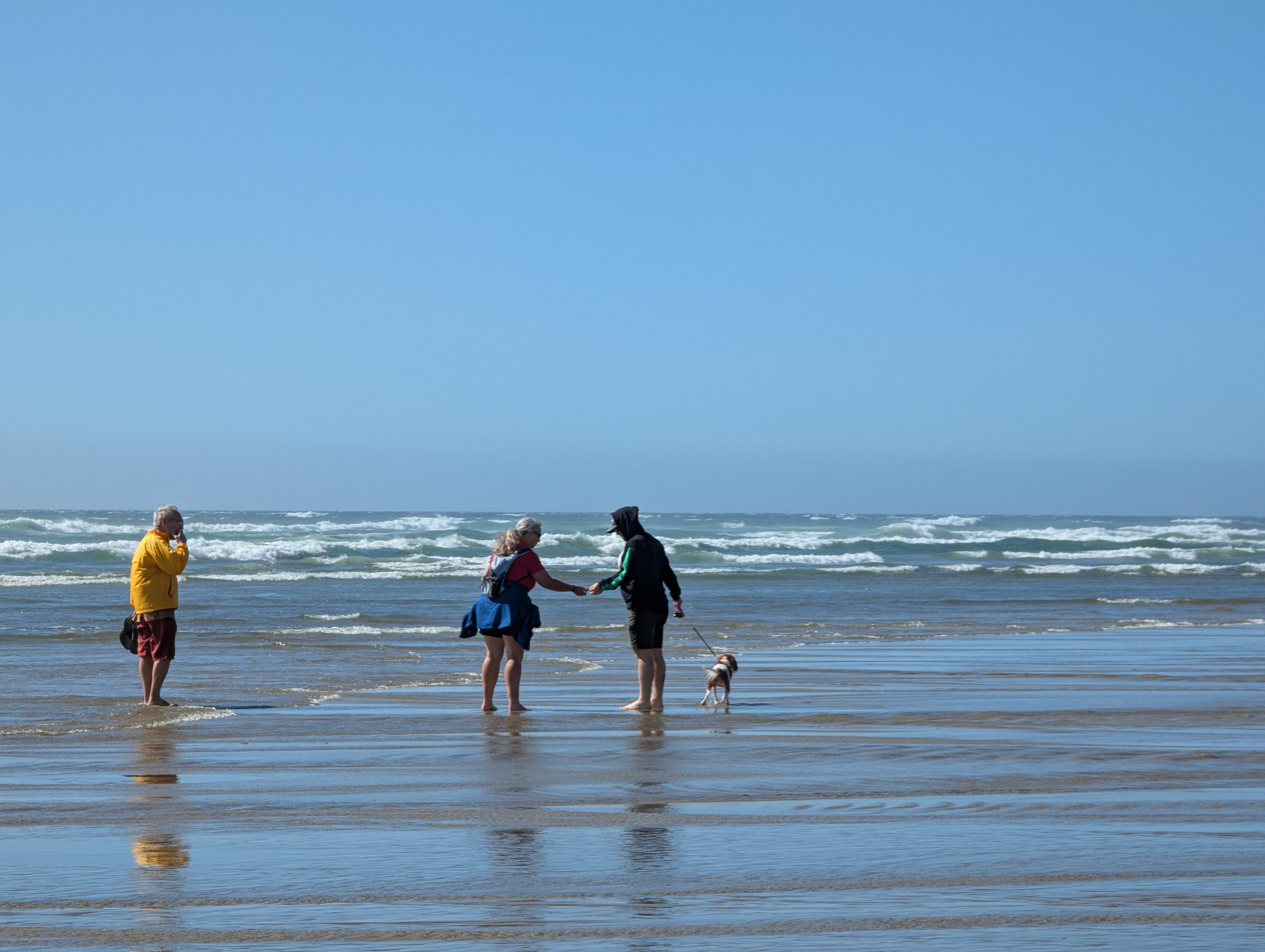
Our interactions with others are mediated in ways to which we are often oblivious, but which greatly colour their character.
We might reflect upon this mediation in terms of both ‘media’ and ‘mediators’: media provide the ‘worlds’ that contextualize our interaction and mediators provide the primary relational frame for them.
A medium might be, for instance, the café within which two people meet for a coffee. With the medium of the café comes a mediating activity: drinking together. Meeting in a café, the most basic medium of bodily presence is also operative.
Healthy worlds will typically have lots of activities that can mediate interactions. The fact that I am sharing a meal or a walk with someone makes it easier to have a pleasant and non-conflictual conversation with them; a pleasant conversation is resonant with the shared activity of a walk through pleasant countryside.
Both the gravity of the world that surrounds us and our common activities within it make the narrowing of focus and the imitative character of conflict less likely to arise. Such grounding media and mediating activities do not merely dampen antagonism, they make excessive intimacy less likely to arise.
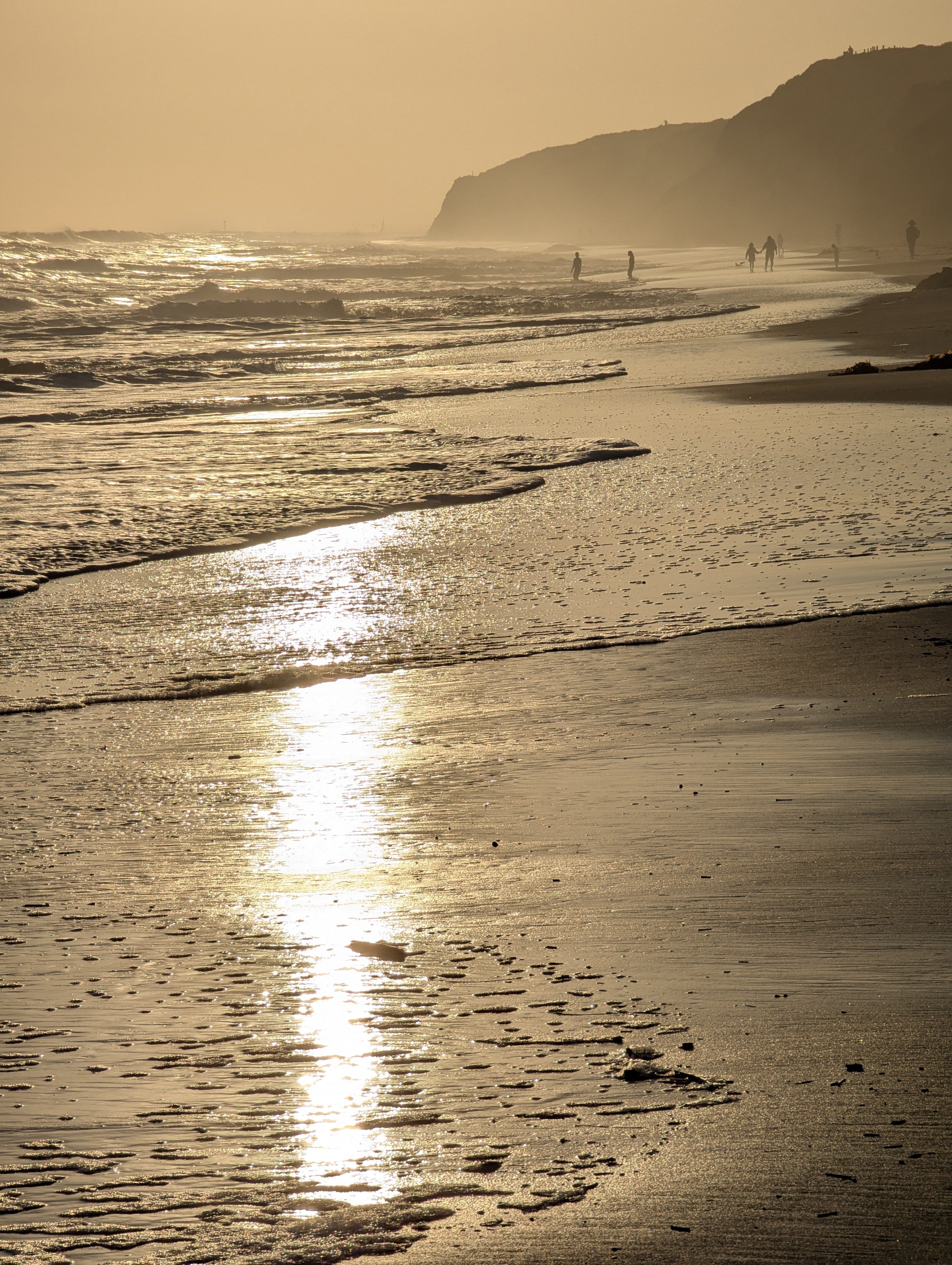
The Internet is a weak medium, providing little grounding. It lacks the gravity of bodies. You can’t grab a coffee online, or go for a walk. You relate through abstract and artificial representations of yourself, which are much more easily ideologized than bodies. Within a strong medium and robust mediating activities, mimetic pairing is a lot more likely to occur. These can be hostile antagonisms with us and others. They can also be forms of connection that are excessive. Mediating contexts, activities, and bodily presence help us to retain boundaries.
Mediators can help us to regulate our relationships to other parties with whom we might otherwise be locked in mimetic pairing, either antagonistic or poorly bounded. When in an argument, it is helpful, for instance, to focus upon a calm onlooker and use them to regulate your relationship to a hostile interlocutor. Doing this, it is considerably easier to remain calm and not mirror the antagonism.
Nowadays, the world of bodies, cafés, walks in the countryside, shared meals, and games of football together can be much less immediate for people. Indeed, for many, the ‘world’ that mediates their relationships—even in physical spaces—is the abstract and disembodied world of the spectacle. Engaging with people in person, the abstract and ideologized world of social media is constantly in the background. Consequently, its poor boundaries and hostility can infect people’s relationships. Other people are seen in terms of abstract ideologies and many even operate as those possessed by them. The saturated world of the Internet can become the World that mediates our relationships and understanding of reality more generally.
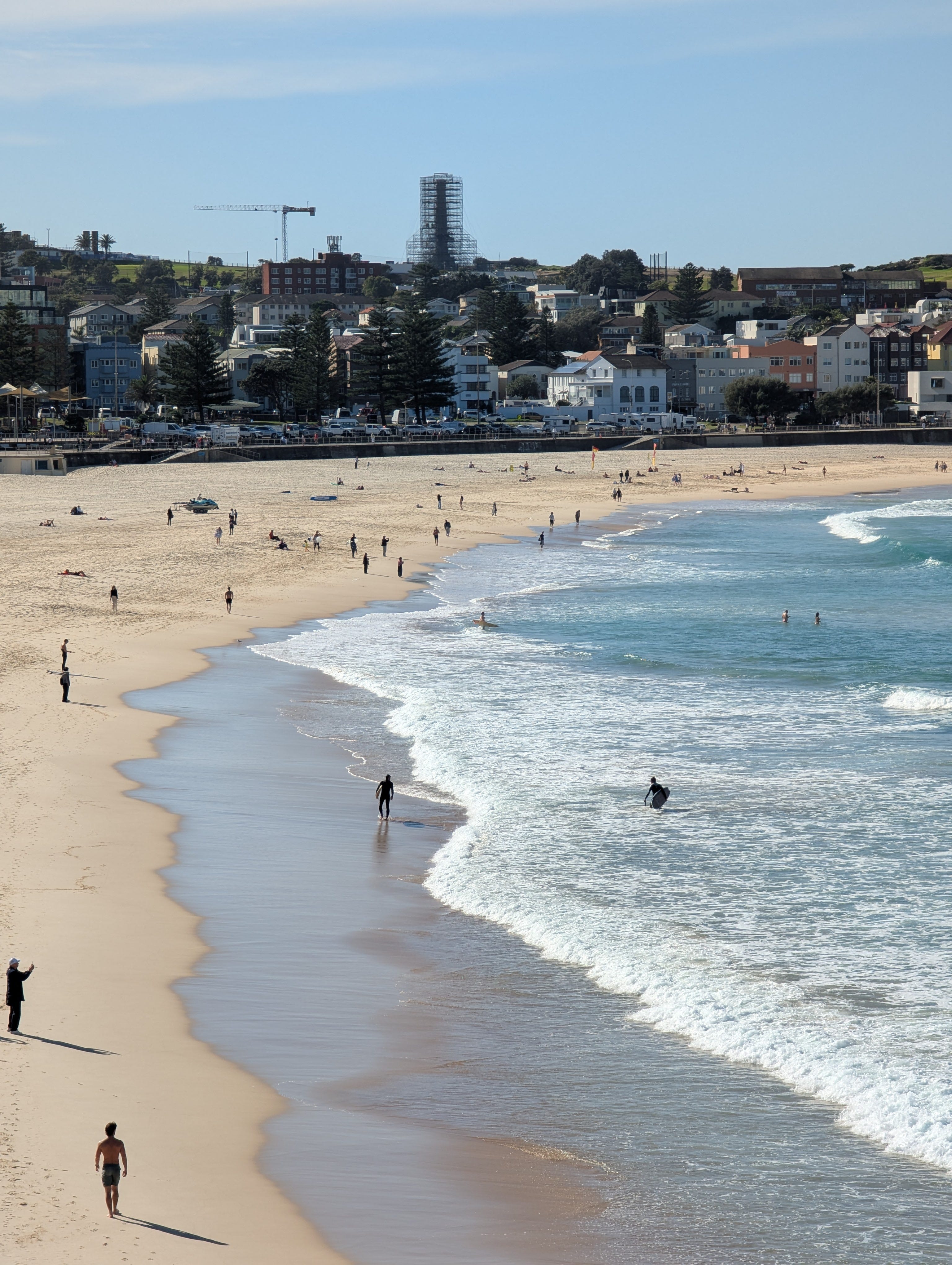
The world of the Internet also robs us of much of the relational mediation that the real world provides, the dense networks of relationships within which humanizing contexts we are enabled to see people as people, rather than as isolated ciphers behind which ideologies lurk or as there at our disposal. We are all sons and daughters, brothers and sisters, husbands and wives, fathers and mothers, friends, neighbours, etc., bound up with others in bonds of love and mutual dependence. Yet this can be hard to see online. In that rarefied atmosphere, we float as avatars.
As creatures made in the image of God we will find ourselves as we are grounded in the earth and look to the heaven. Yet online we exist in a sort of obfuscating cloud, abstracted from the stabilizing ground of the earth and prevented from seeing the expanse above.
As Christians, Christ is the one true Mediator between God and man, but also between man and man. As I do not relate to my neighbour im-mediately, but in a manner mediated by God’s love in Christ, I am able to act differently towards him.
This is part of what the Apostle Paul was getting at in Philippians 4:5: ‘Let your reasonableness be known to everyone. The Lord is at hand.’ When we have a keen sense of the nearness of God, he will mediate all our relationships in a manner that will enable us to be gentle and reasonable with unreasonable and harsh people. We will relate to others in a manner fundamentally framed by our relationship to him.
By its very nature as a totalizing medium, the Internet can dull us to the physical and embodied world and to Christ as the Mediator of a more comprehensive relational reality. That online interactions can be so conflictual, poorly boundaried, and otherwise disordered should not surprise us.
Recent Work
Alastair:
❧ On Mere Fidelity, Derek, James, and I discussed the difficulties of faithfully relating to, challenging, and reforming institutions from outside and inside. Brad Littlejohn came on the show to discuss the new papal encyclical, Magnifica Humanitas. And Derek and Brad had a conversation about how theology nerds are made.
❧ On the Theopolis podcast we had two question and answer episodes. The first addressed questions on Trinitarian theology, church unity, family worship, evangelism, and liturgy. The second tackled John Webster, the structure of 1 Corinthians, church polity, among other things.
❧ I was invited back onto the That’ll Preach podcast, discussing reading the Bible like music.
❧ A sermon on Isaiah 6 and a eucharistic reflection on John 6. More talks here.
❧ My recent piece, ‘Slop’, was cross-posted on Mere Orthodoxy.
❧ My latest Theopolis video is entitled Death Will Not Have the Final Word.
❧ I also recorded the ‘Slop’ reflection.
Upcoming Events
❧ There might just be a couple of days left for late registration for Alastair’s next Davenant Hall course, on Biblical Law. If you have not signed up for it already, you might just be able to get in under the wire!
The Law is both fundamental and central to the biblical witness. This course will explore the Scripture’s own theology of the Law, its diverse content, its redemptive historical unfolding, its fullfillment in Christ and his body, and its proper place in our lives. The Law is a central theme throughout the Scriptures and focusing upon it will shed light on a host of other areas: our account of redemptive history and salvation, our Christology, our eschatology, our understanding of the Church, our doctrine of Scripture, our teaching concerning Christian moral duty and instruction, and much besides.
Register here!
❧ Alastair will be speaking in the Theopolis Ministry Conference in Birmingham, Alabama, July 13-14th.
❧ Alastair will be at the Theopolis Fellows Program from July 15th to 24th.
❧ Alastair is hoping to attend the Psalm Roar in Oxford on August 1st. It would be great to see some of you there!
❧ On Saturday, 24th October, Alastair will be one of the speakers at the Raising Expectations conference, organized by Emmanuel Church, Cockfosters, London.
❧ Much of Alastair’s work is as an independent scholar, funded by generous donors. His primary goal is to create thoughtful yet free Christian material for the general public, most notably his largely-completed chapter-by-chapter commentary on the whole Bible (available here and here). If you would like to support his continuing research, teaching, writing, and other content production, you can do so here or here.
Much love,
Alastair and Susannah
Trying to provoke Susannah's FOMO... now that's a master marital judo move!
Oregon is God's country.